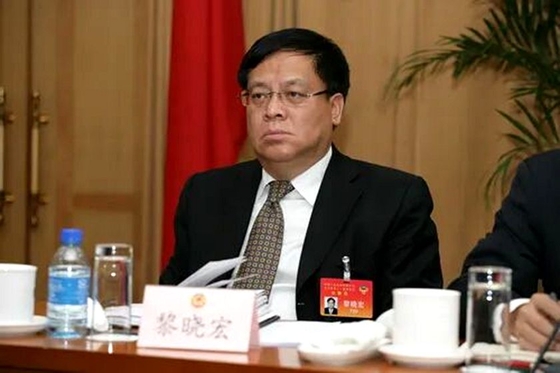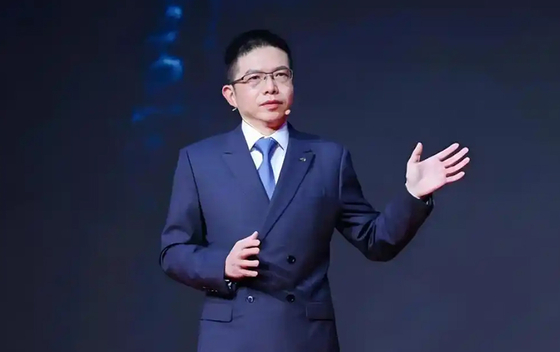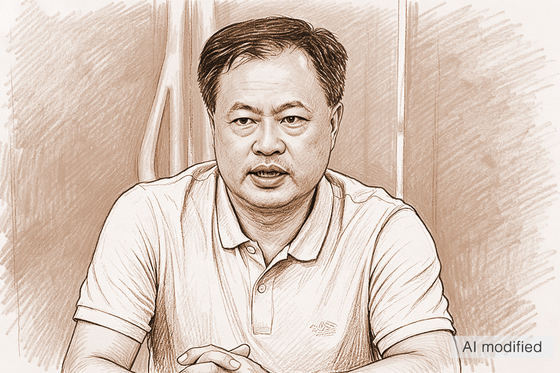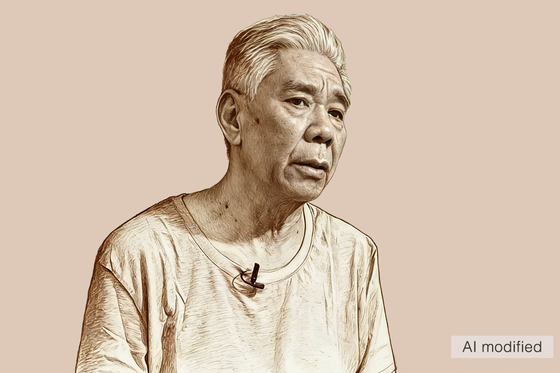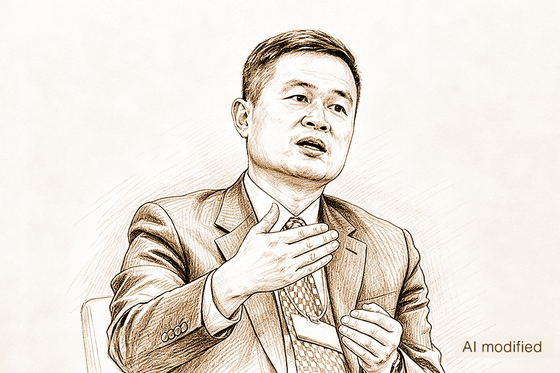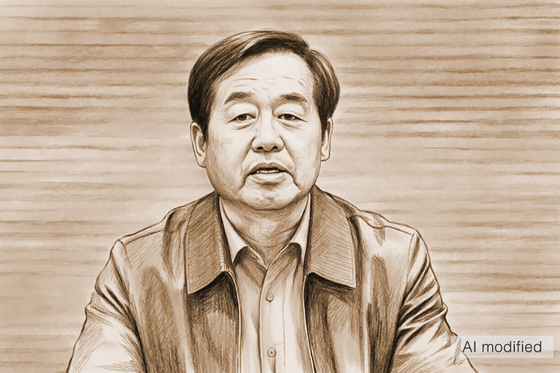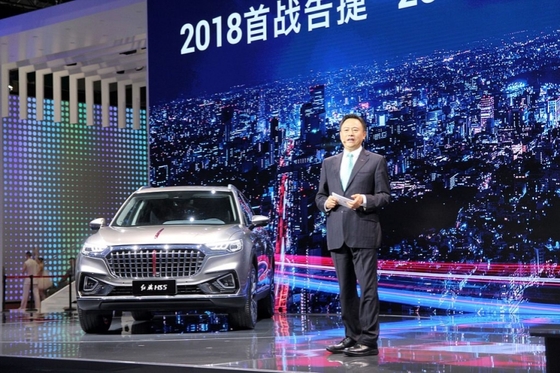
1. Xu Liuping, former chairman of FAW Group and Changan Automobile, is under investigation for suspected serious violations of party discipline and law, as announced by China's top anti-graft watchdog on May 23. [para. 1][para. 2] The probe confirmed months of speculation; Xu and some family members were taken for questioning after the Lunar New Year holiday in February, following the late-2023 detentions of several close associates. [para. 2]2. Allegations have not been disclosed, but investigators are looking into possible misconduct during Xu's two decades in the auto industry and questions about his family's assets, including those linked to a daughter working in finance. [para. 3] Xu, who left the auto industry in 2023 to head the All-China Federation of Trade Unions, leaves a polarizing legacy: admirers credit him with shaking up state-owned enterprises and reviving the Hongqi premium brand, while critics say his command-style management and strategic misjudgments left companies ill-prepared for the electric-vehicle era. [para. 4]3. Born in 1964 with a management doctorate, Xu began at China South Industries Group and became head of Changan Automobile in 2006. [para. 5][para. 6] He pushed own-brand passenger cars during a boom where annual sales grew from 7.2 million to 28 million units. [para. 7] By 2016, Changan's sales tripled to over 3 million vehicles, making it China's top domestic brand for three consecutive years. [para. 8] However, a 2009 merger forced absorption of struggling brands Hafei and Changhe, causing internal cannibalization, and a global R&D network across five countries added high costs. [para. 9][para. 10]4. Xu's reformer reputation led to his appointment as FAW chairman in August 2017 amid a corruption scandal. [para. 11] He ordered nearly all managers below top executive level to step down and reapply for jobs in a weeklong restructuring, breaking bureaucratic inertia. [para. 12] He made Hongqi the centerpiece, setting aggressive targets: annual sales from under 5,000 vehicles in 2017 to 100,000 by 2020 and 300,000 by 2025. [para. 13][para. 14] Hongqi reached 200,000 in 2020 and surpassed 300,000 in 2022, ahead of schedule. [para. 15] But growth relied on midpriced models and ride-hailing sales, diluting premium positioning, and diverted attention from the profitable FAW-Audi joint venture. [para. 16]5. Xu's biggest failure was misreading the shift toward electric vehicles. [para. 17][para. 18] Instead of building in-house EV capabilities, FAW led a $265 million investment in startup Byton in 2018, which later collapsed, wiping out the investment and leaving FAW behind in EVs and smart-driving technologies. [para. 19][para. 20] Former colleagues described Xu as a top-down manager who dismissed professional advice and leaned on nationalist sentiment for short-term goals. [para. 21] His fall occurs as Chinese automakers face a more competitive environment with narrowing margins and accelerating EV transition. [para. 22]AI generated, for reference only
In Depth: China’s Auto Titan Who Revived Hongqi Falls Under Graft Probe
Xu Liuping transformed state-owned carmakers Changan and FAW with iron-fisted reforms, but his relentless drive for results and political ambition may have ultimately paved the way for his downfall
459 words~2 min read