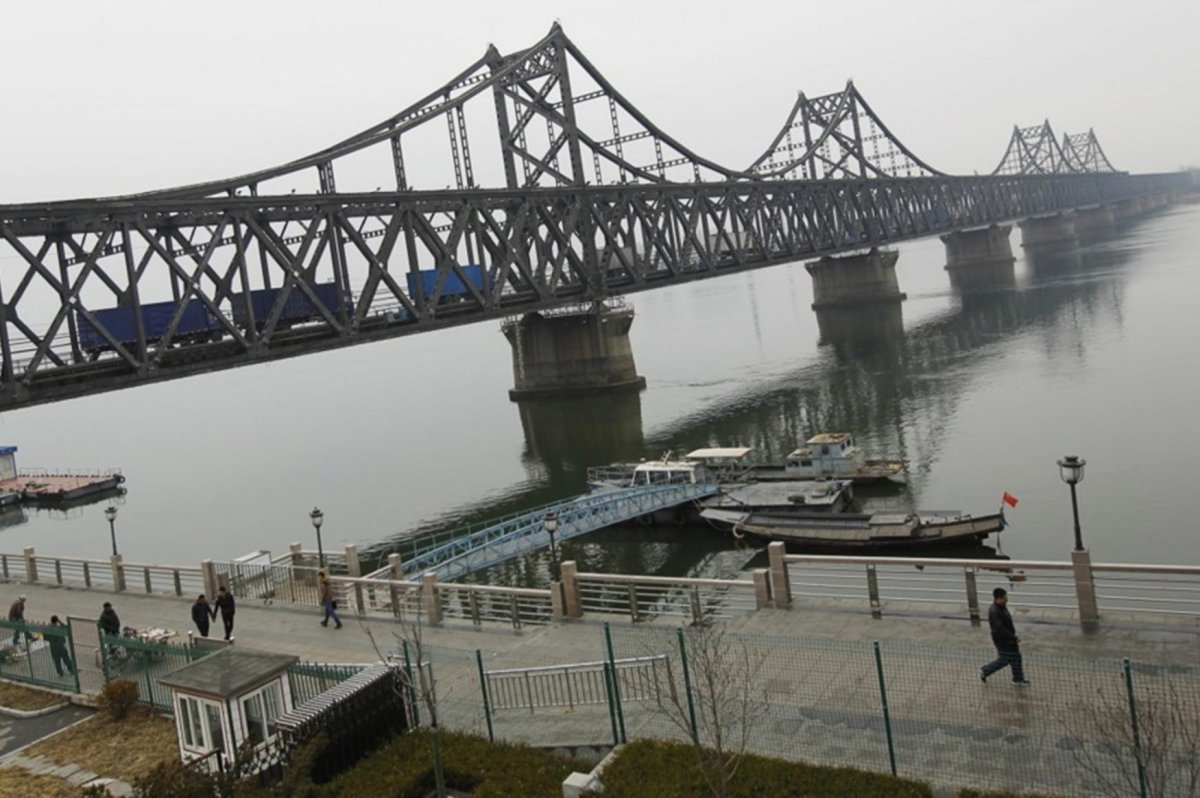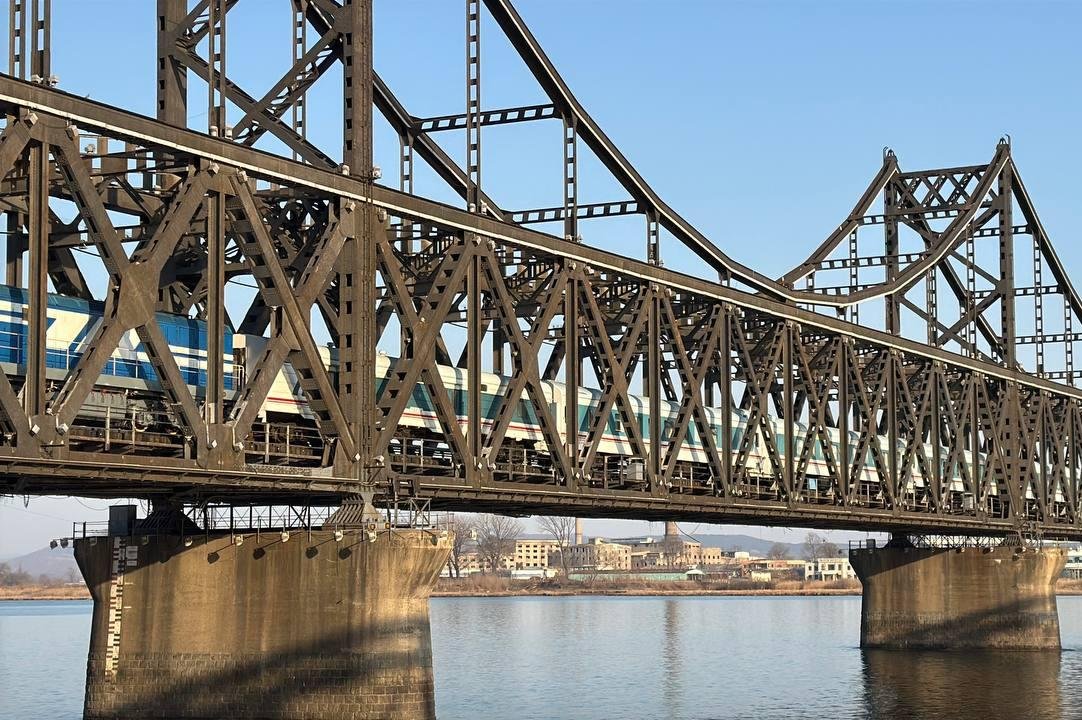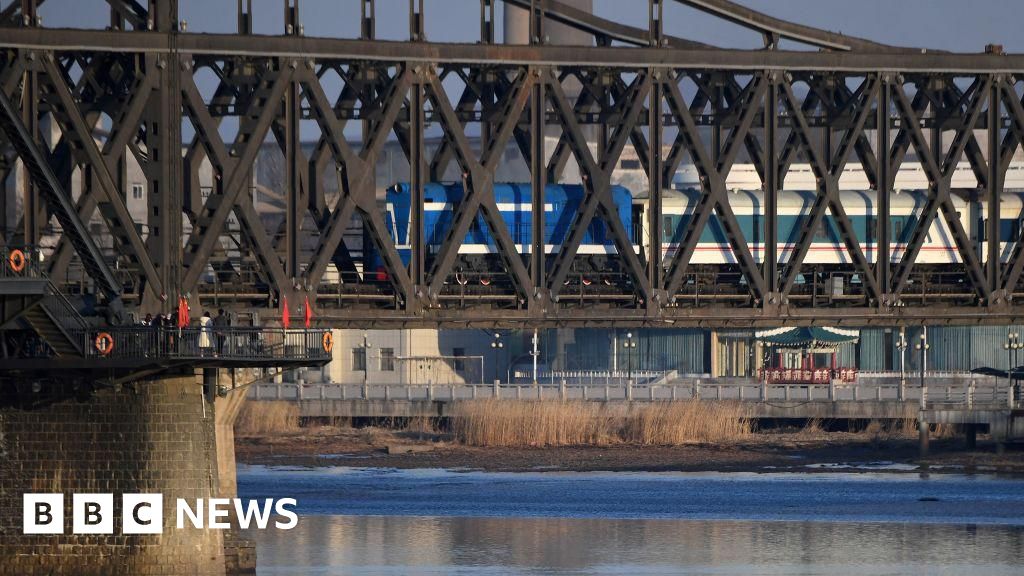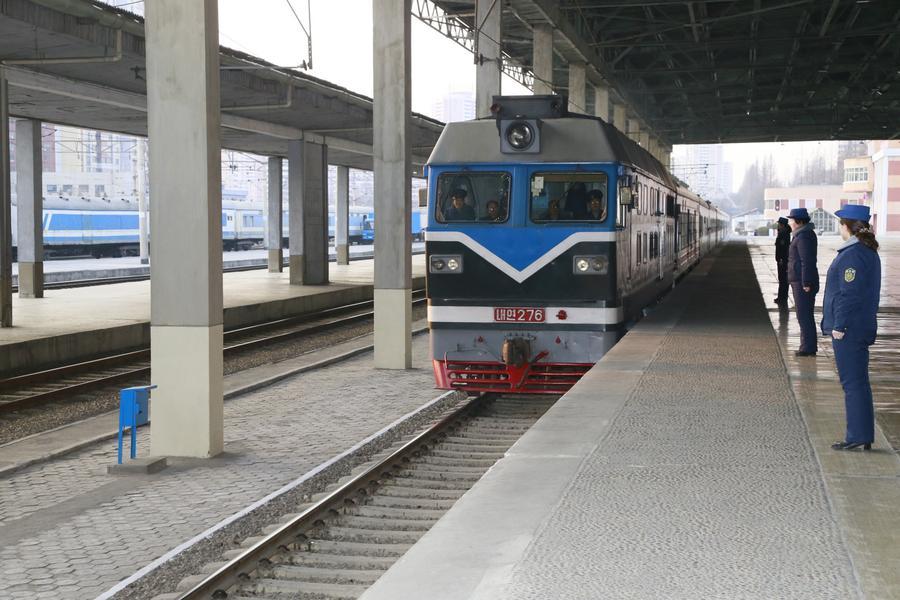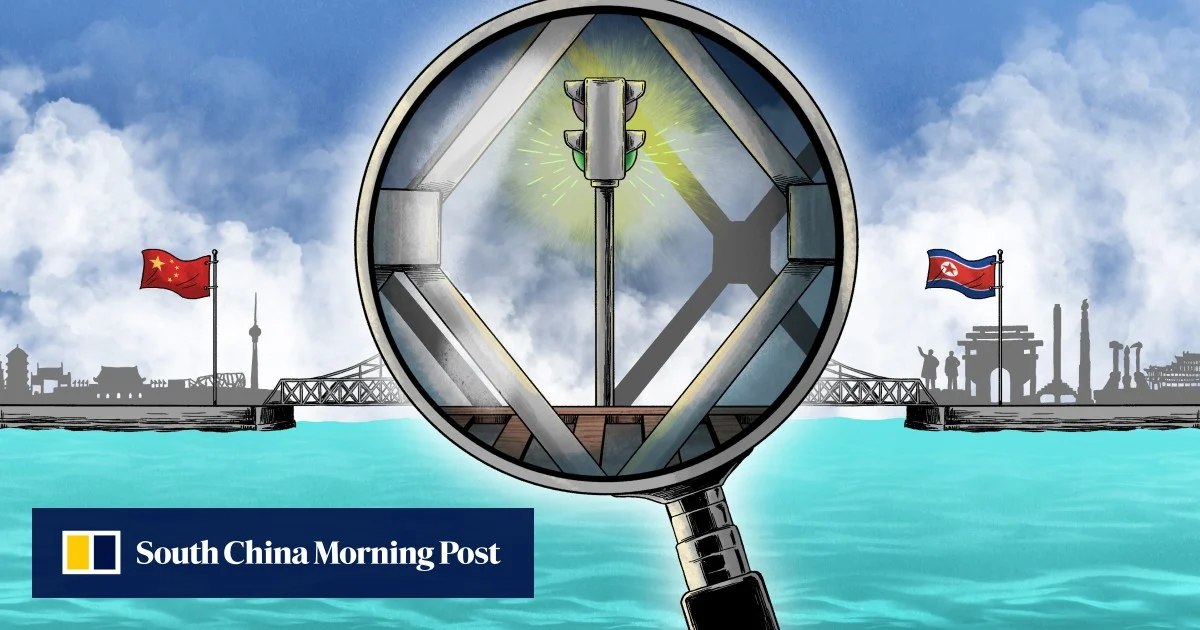
Dandong, the Chinese border city that faces North Korea across the Yalu River, is a barometer of ties between Beijing and Pyongyang.While lockdowns during the coronavirus pandemic led North Korea to sink into even greater isolation than usual, the resumption of cross-border rail links in recent months has triggered a pickup in activity, with freight volumes rising and local travel agencies reporting a steady stream of inquiries.A man holds a banner reading “Beijing-Pyongyang” in front of a train bound for Pyongyang at Beijing Railway Station on March 12. Photo: AFPIn March, the first passenger trains crossed the border since North Korea sealed its frontiers in early 2020, with four trains from Beijing to Pyongyang running each week and a daily service from Dandong.Following the rail resumption, Air China briefly restored direct flights to Pyongyang, though the route was suspended again in April, with no official reason given.Air China resumes direct passenger flights to North Korea after 6-year pauseWhen the South China Morning Post visited the city last month, a line of trucks was trundling across the sole bridge that connects Dandong to its North Korean neighbour Sinuiju, with the flow of commerce growing to the point it was briefly snarled by a traffic jam.According to Chinese customs data, trade between the countries reached US$988 million in the first four months of 2026, up 23 per cent from the year before.
Back on the rails: Dandong’s border traffic hints at a China-North Korea thaw
The resumption of train routes and a spike in overland trade underscore a reset in ties ahead of a reported leaders’ summit.
230 words~1 min read