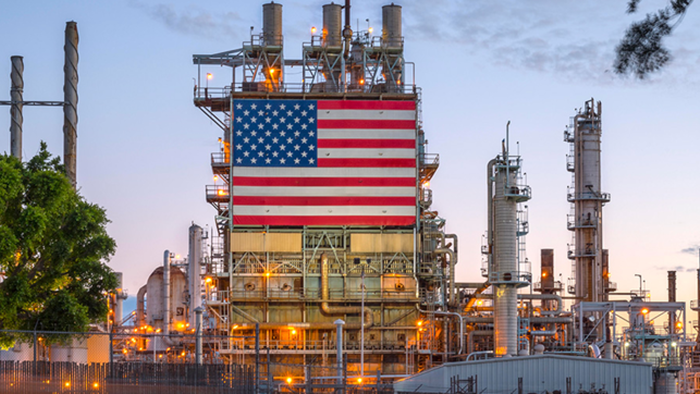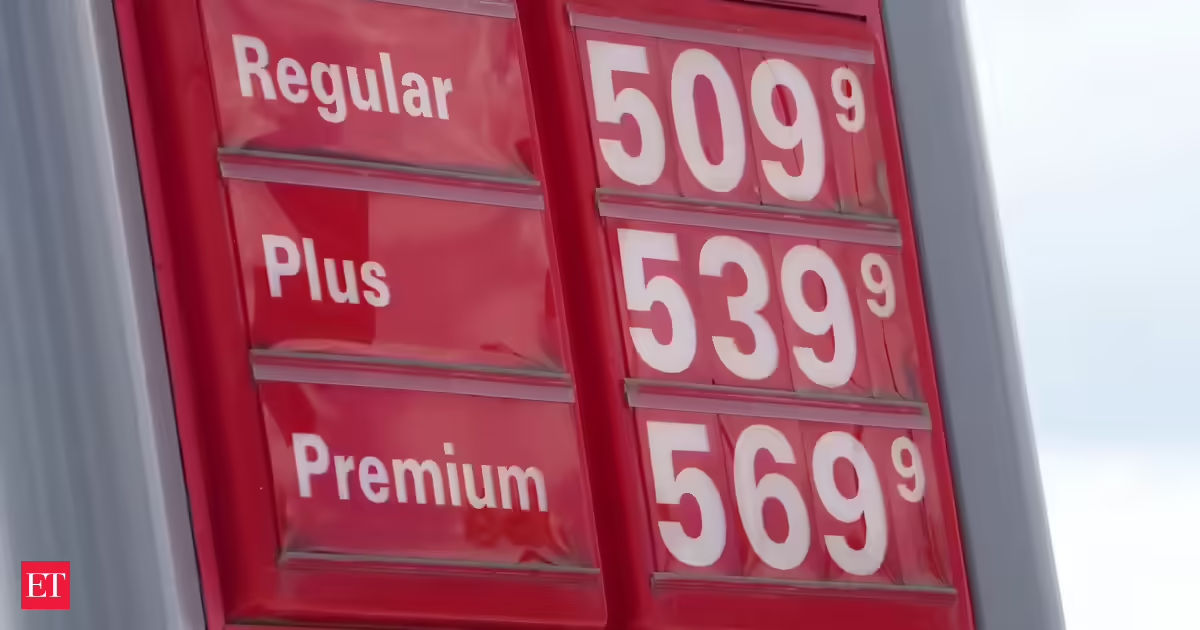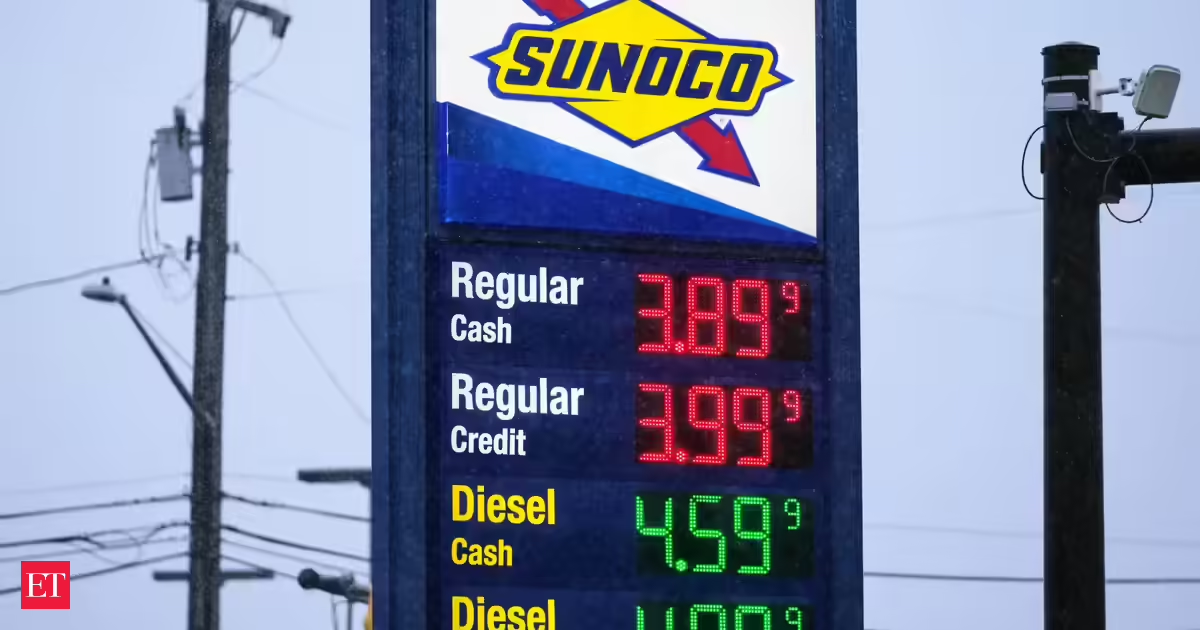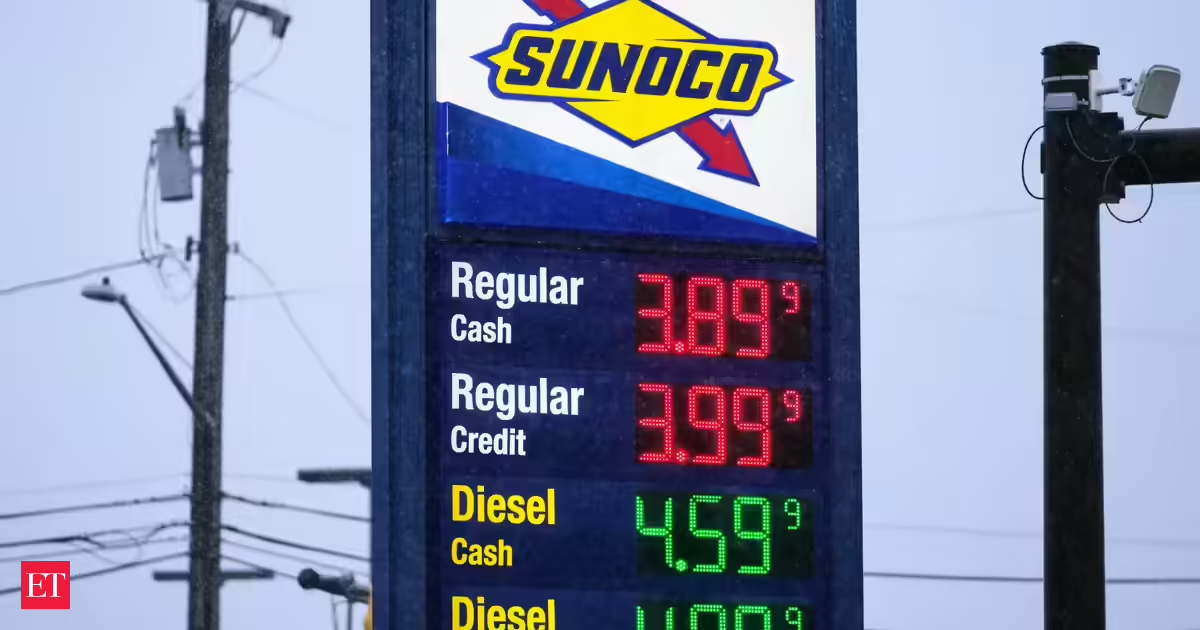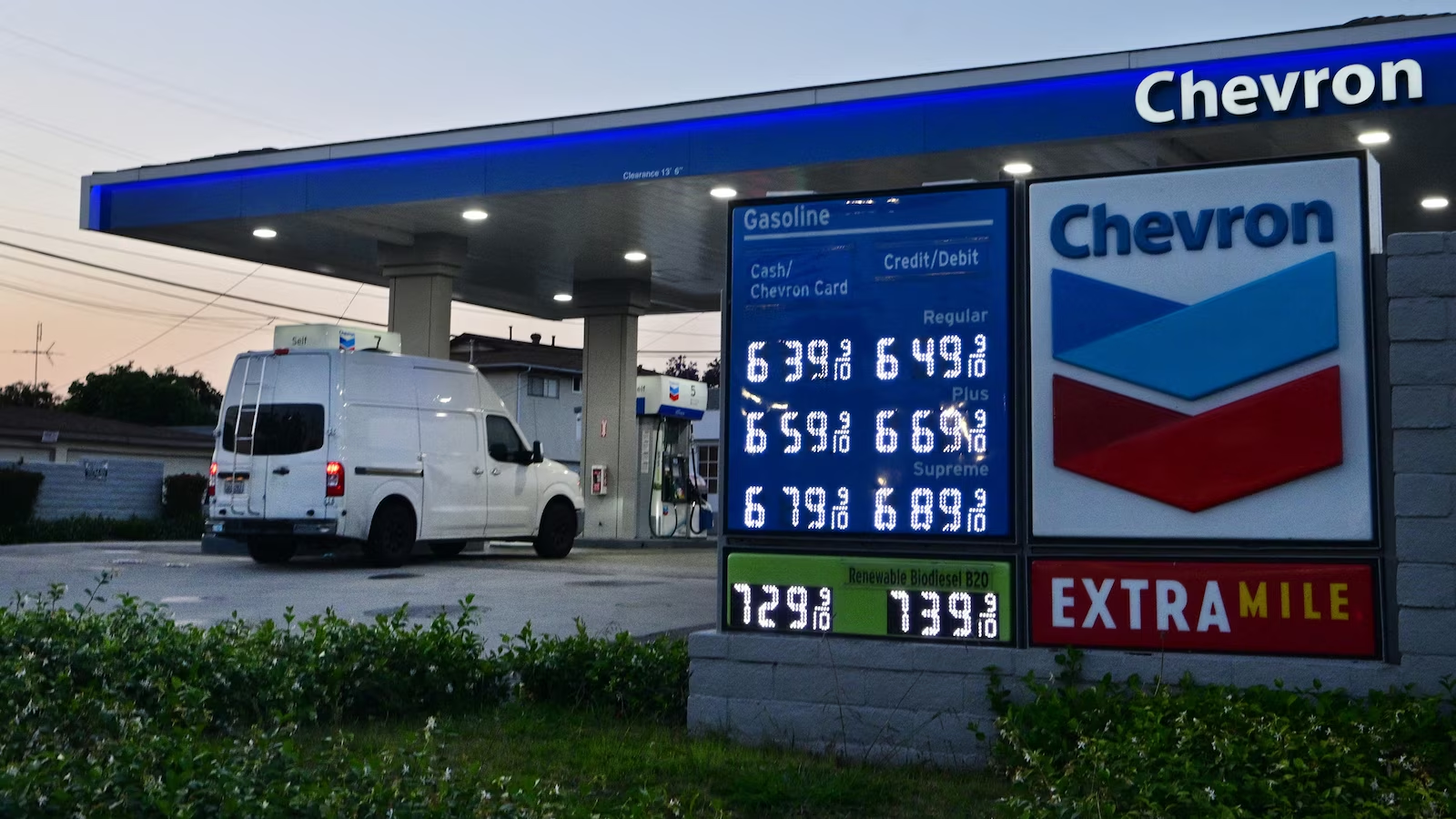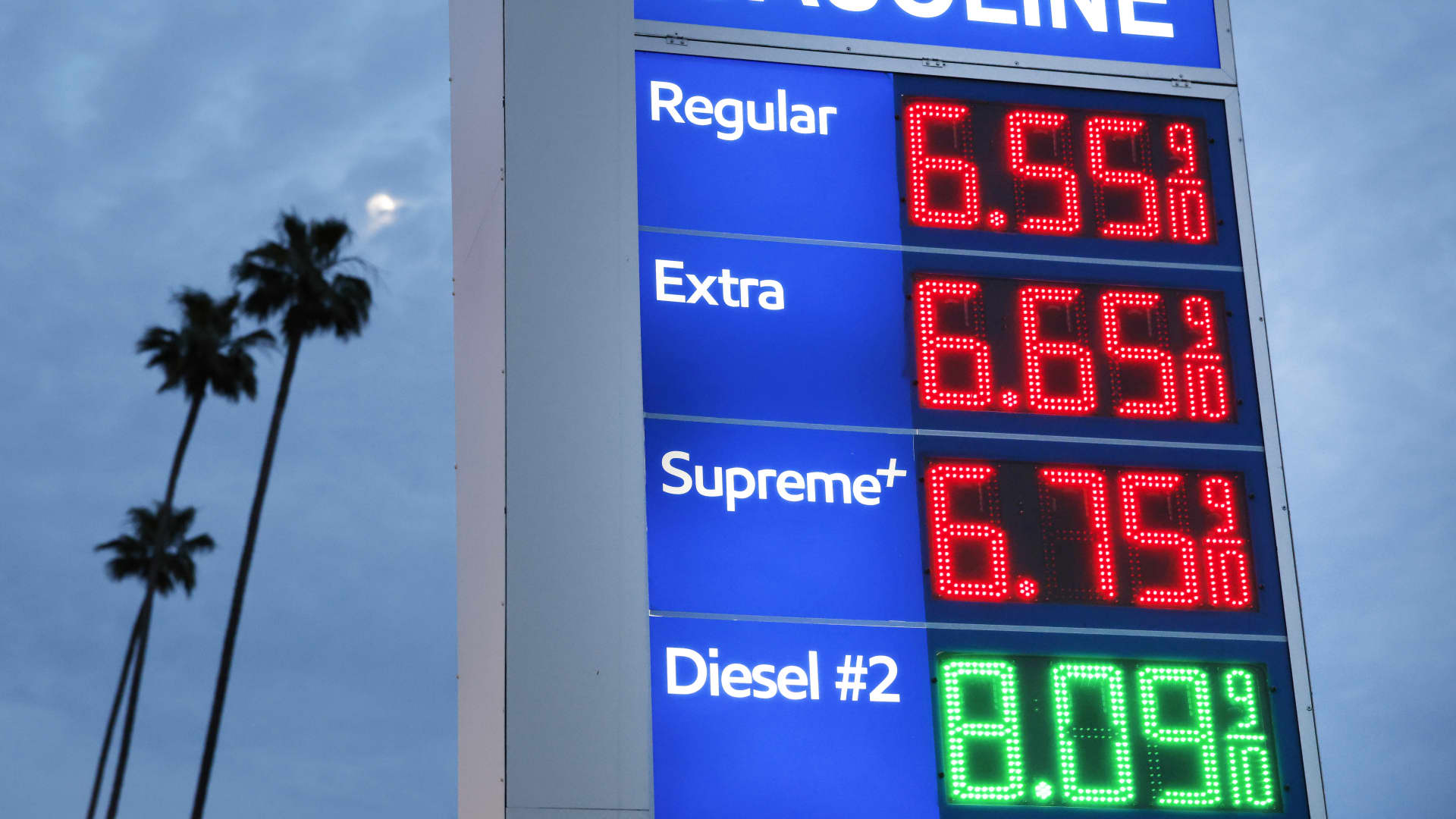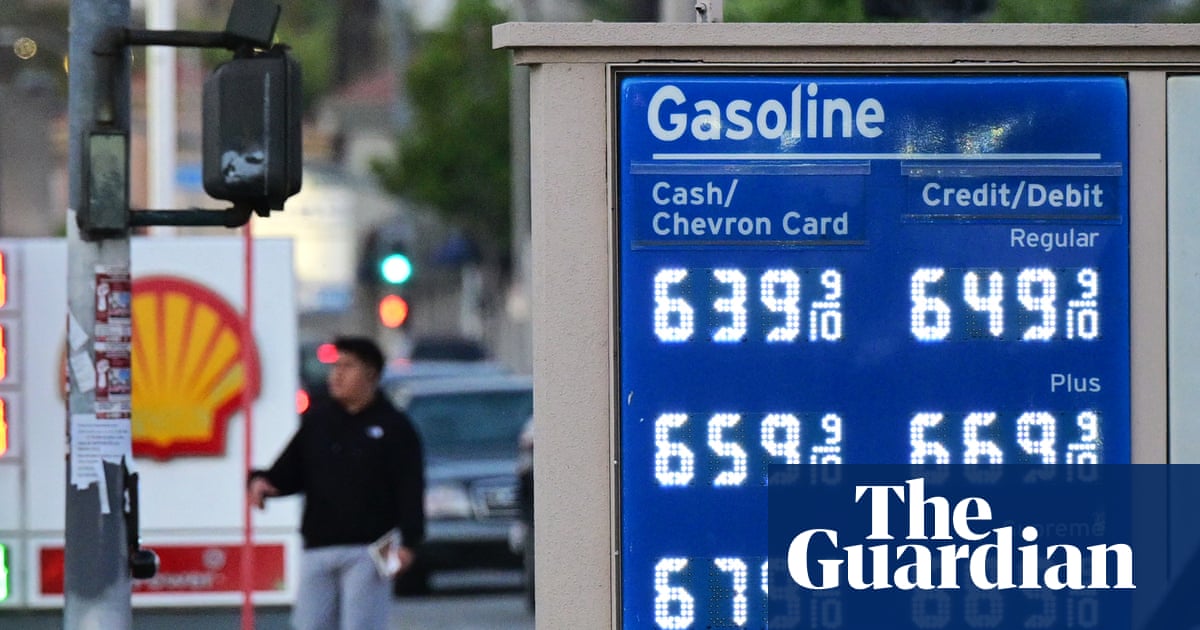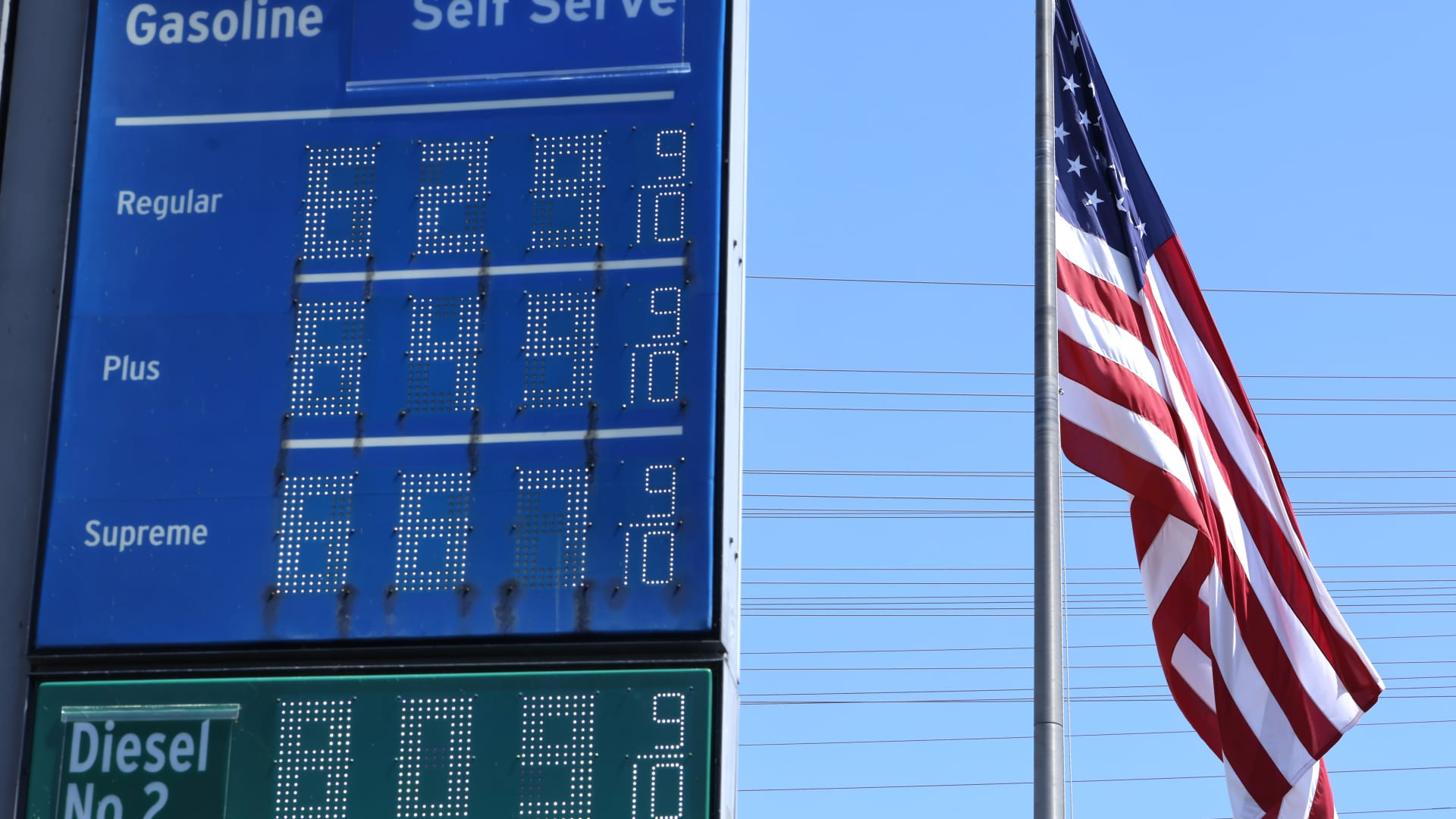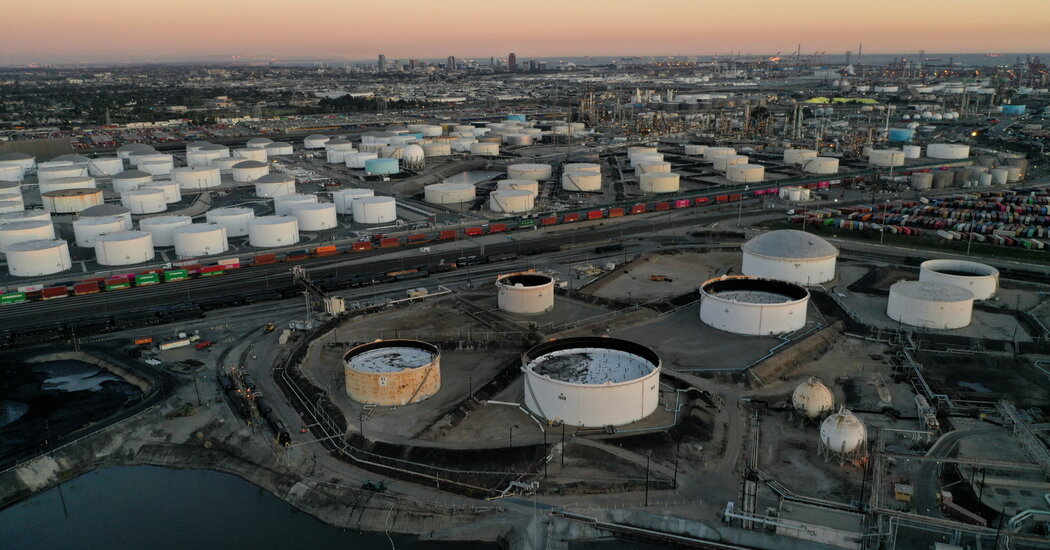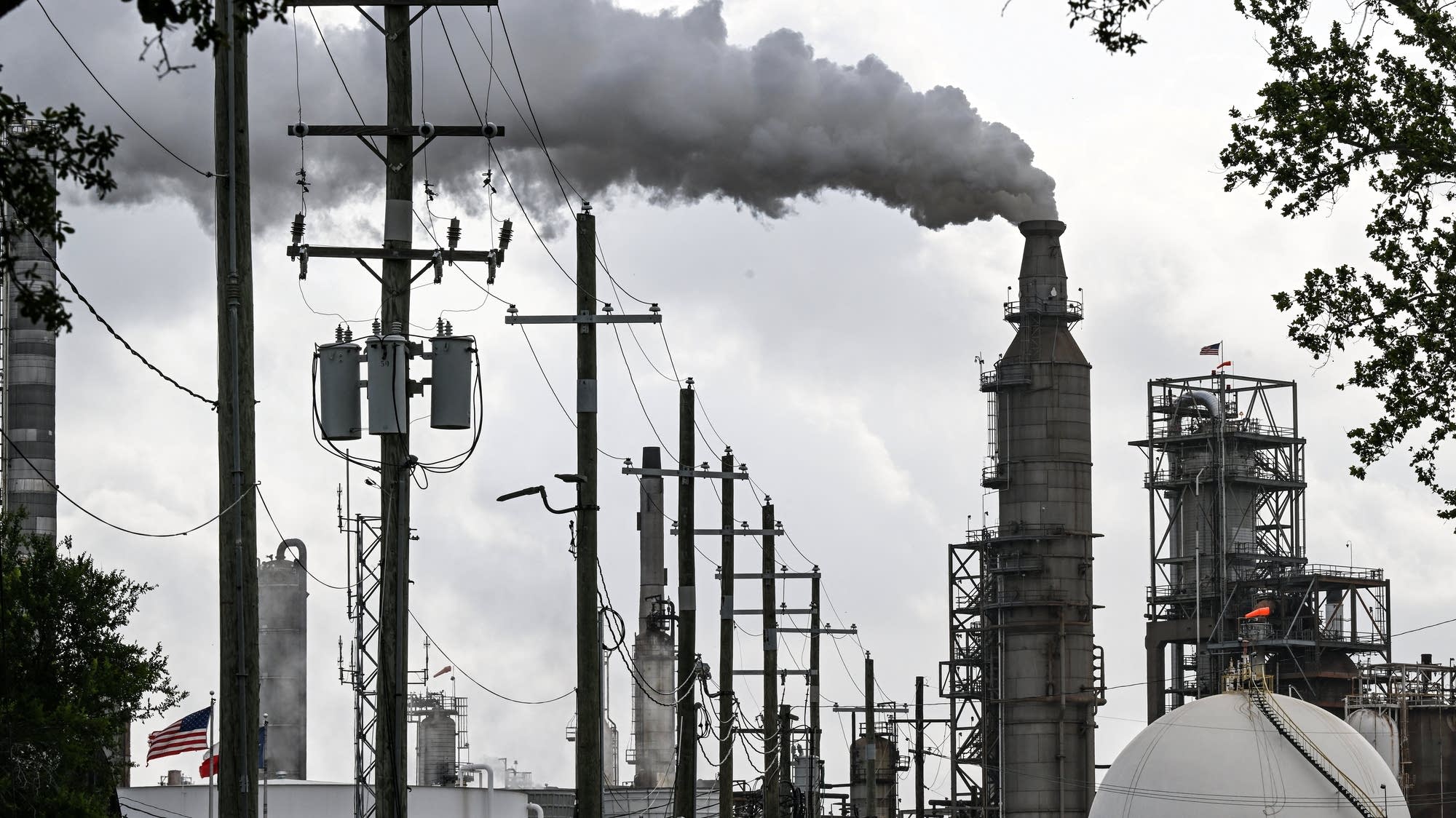
At Chevron’s refinery in Pasadena, Texas, around 125,000 barrels of West Texas crude oil are refined daily, heated to 600 degrees and sent into a silvery 20-story tower where fuels rise to different heights. Lower down there’s diesel, toward the top is gasoline.“Jet fuel is about two thirds of the way up,” said facility manager Alun Phillips. That jet fuel flows through a tube that looks like a small water slide wrapping around the tower. It heads through the refinery to be further refined and then sent on a pipeline that will help planes take off in cities like Atlanta and Philadelphia, as refined fuels are pricier and in short supply due to the global shortage of crude oil.War in the Middle East has disrupted energy supply chains and laid bare the trade-offs of diverging energy policies in two of the biggest U.S. state economies: Texas and California. In California, refineries are closing after years of limited investment amid stringent environmental regulations and state decarbonization goals, while oil production has dwindled. In Texas, oil production is at all-time highs and refining capacity is the strongest in the country.“The average retail price in Texas right now is $4 a gallon for regular. In California it's $6.15 — quite a bit higher,” said Debnil Chowdhury, an analyst at S&P Global Energy, who filled up his blue Tacoma at a gas station about 25 miles west of the Pasadena refinery. Fuel costs and refining look different here in Texas, compared to California for a few reasons, Chowdhury said. For one, California uses its own special gasoline. “They aren't allowed to use as much butane because of smog requirements,” he said. The state requires more expensive components and the use of specialized refineries. And, California has much higher taxes on gas. “Now, with the shutdown of two of the major refineries in California,” Chowdhury said, “they're more dependent on imports.” Those imports come from Asia, which relies heavily on crude from the Strait of Hormuz. “The distance is greater, so the logistical cost is also more expensive,” he said. “In Texas, the gasoline at this station probably came from 15 to 20 miles east of here at a refinery.” But not all Californians are paying more to power their vehicles.“Down the street there’s a Chevron station selling regular unleaded for $6.29 a gallon … but today I’m ‘filling up’ for free, actually,” said University of California, Davis, economist Matthew Zaragoza-Watkins, from a California charging station. He charged up his electric vehicle at zero cost because of a deal for lifetime free charging when he bought the vehicle.Even so, if he had paid the 34 cents a kilowatt-hour to charge from the California charging station, he estimates it would have cost him equivalent to about $2.25 a gallon — much cheaper than gasoline. California is a leader in EV adoption. But the state’s regulatory policies and decarbonization goals, and other constraints, have contributed to shutdowns and higher fuel costs, now exacerbated by conflict in the Middle East. “I think California, being on the forefront, is realizing that trying to move in a new direction involves a lot of constraints and trade-offs, which are not always the easiest to navigate,” Zaragoza-Watkins said. “It's not a great time, and I don't think it'll be a better time in the future.”He wonders about the next 10 to 15 years — after many more Californians switch over to EVs — what happens to the people still paying for gasoline who haven’t made that switch over. “A smaller market is going to be one that's more sensitive to price spikes and potentially more volatile,” he said. People still driving gasoline-fueled vehicles will be more exposed. “Research would suggest that most likely those are going to be the people who are least able to afford the transition,” he said. While pain at the pump could get worse in California, abundant crude oil, fossil fuel-friendly policies and the strength of the state’s refining industry are keeping prices more affordable in Texas. Chevron — once the Standard Oil Company of California — purchased the Pasadena, Texas, refinery in 2019. The company announced in 2024 it would be moving its headquarters from California to Texas. Chevron’s director of Gulf Coast Refining, Tim Potter, said as a native Californian with the company for nearly four decades, he’s seen the effects of California’s policies firsthand. “To see some of the policy that they've taken, which is very progressive in terms of air quality and things like that… but you can do it to a point where it creates challenges for permitting and whatnot, and just a much more difficult business environment to operate in California, and so we can do that here on the Gulf Coast in a much more favorable manner,” Potter said.
As Middle East conflict rattles oil markets, Californians pay more than Texans at the pump
As refinery shutdowns and specialized fuel rules drive up California gas prices, Texas’ vast refining network and oil-friendly policies are helping keep fuel costs lower.
798 words~4 min read