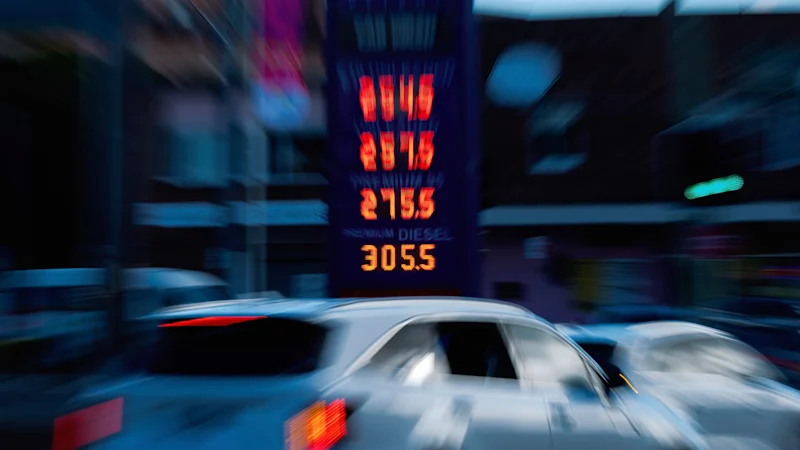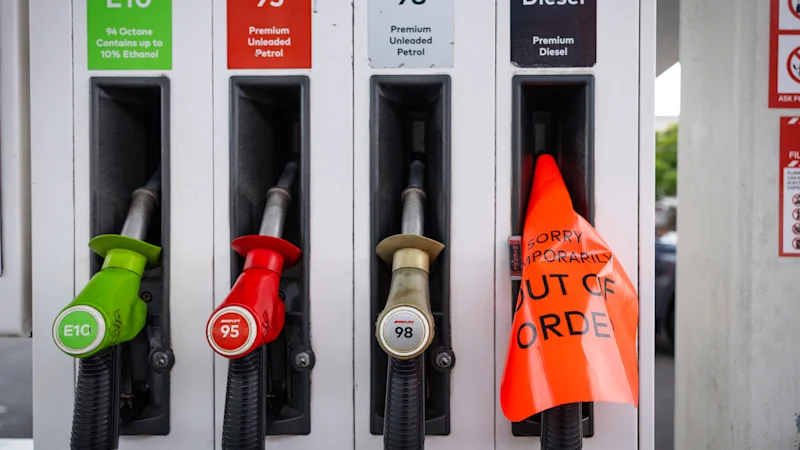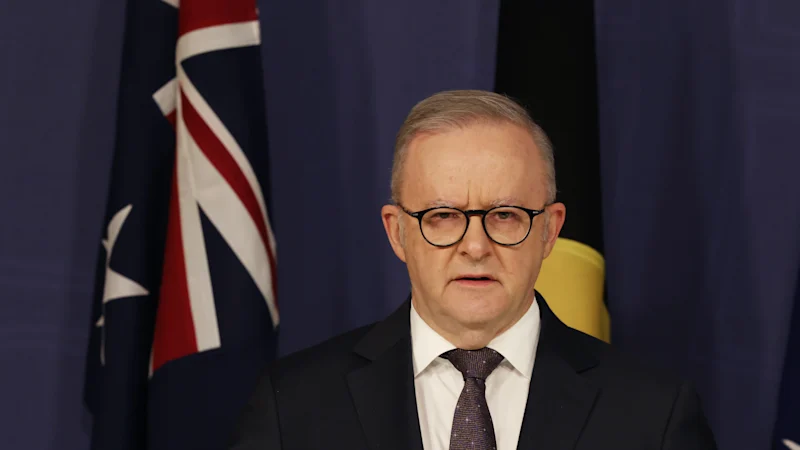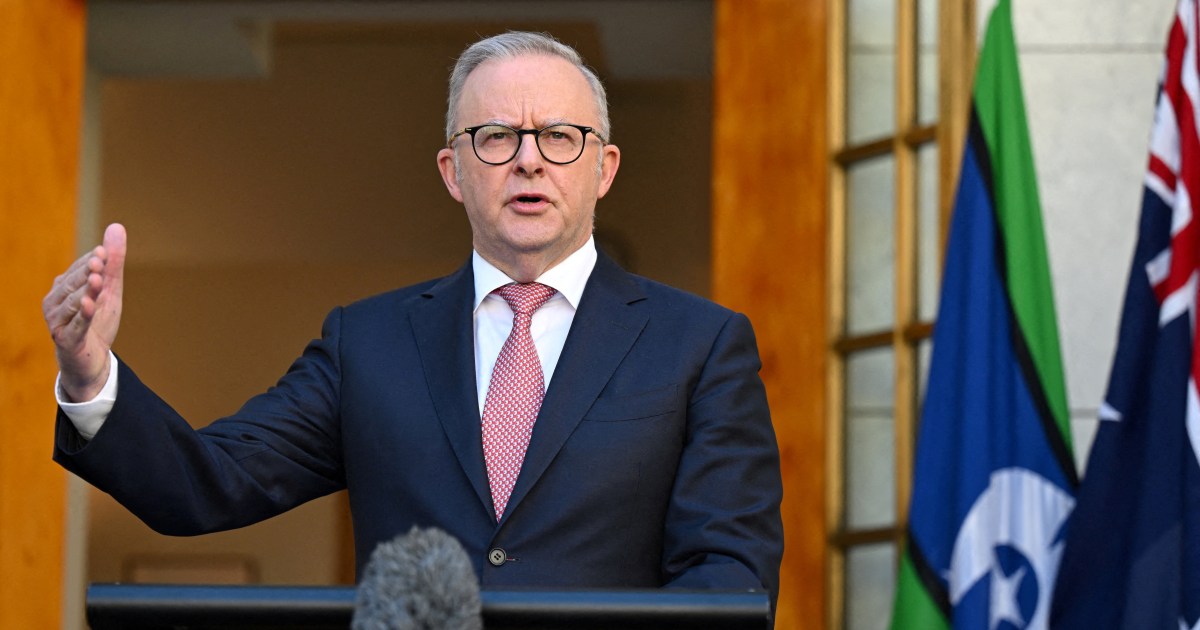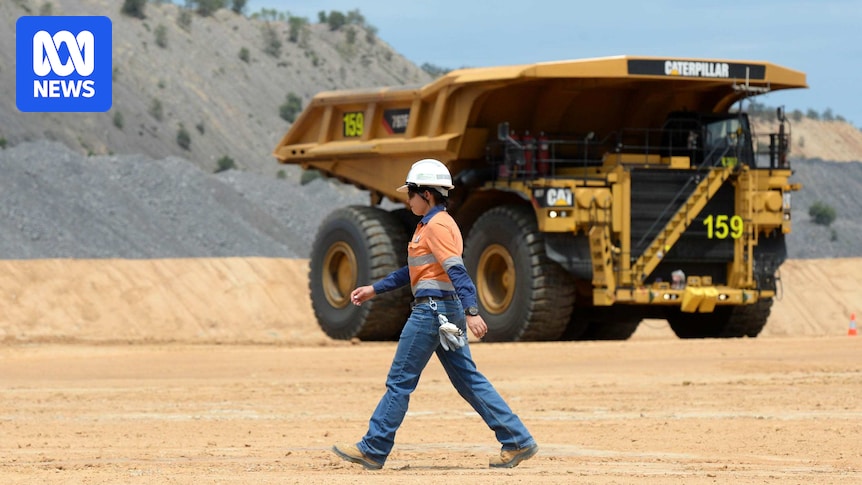
Ministers discussed cutting the fuel tax credit paid to coal mining companies before it was put on ice by the outbreak of war in the Middle East.But if the war ends soon it could be back on the agenda for Labor's national conference in July, or at the mid-year budget update later this year.More than $10 billion in refunds on the diesel tax are paid out each year, and the federal government had considered clawing back some of the billions paid to miners in May's federal budget, among a raft of other tax proposals.The Iran war and subsequent fuel security concerns derailed those discussions, according to Labor and industry sources.However there is still an appetite within government to amend the fuel tax credit for miners once the war has passed.About $45 billion in refunds are forecast to be paid over the next four years under the Fuel Tax Credit scheme, which is designed to refund businesses for tax paid on the fuel used by heavy vehicles or off public roads.And a large chunk of that goes to mining companies.Clean Energy Finance has estimated that BHP received about $627 million in fuel tax credits in the 2024 financial year, Rio Tinto $416 million, Fortescue $309 million and Hancock Prospecting $128 million, which is paid as compensation for the taxes paid on diesel used on private roads.4 Corners reported on Monday that leaked BHP documents showed the mining giant expected to cut emissions by just 1 per cent by 2030, and an internal memo warned its decarbonisation delays could pose a risk if there were "changes in diesel prices", such as if the tax credit were "revoked".Mining giant Fortescue says the millions paid back through the tax credit are dis-incentivising climate action, and the credit has faced a years-long campaign from climate groups who say it is a "subsidy" for fossil fuels.With the federal government searching for major budget savings, it had considered amending the fuel tax credit among other tax options.But Energy Minister Chris Bowen said that was decided against for this budget."We just had a budget a couple of weeks ago. We decided not to make that change," Mr Bowen said on Tuesday."We've made our decisions for this fiscal year."Energy Minister Chris Bowen says the government had decided against reforming the fuel credit in its May budget. (ABC News: Matt Roberts)Labor campaign builds to cap payments to minersWhile the Iran war has thrown out the timing for reform, a grassroots movement inside Labor has been building a campaign ahead of the party's July national conference to cap the credit.More than 250 local Labor branches have supported a push by the party's 'environment action network' to cap diesel tax credits to $50 million a year for the top 15 companies claiming it, with the excess of that money paid into a fund for the industry that can only be accessed for decarbonisation projects.Labor MP Jerome Laxale, one of a number of MPs backing a cap, has confirmed he will be arguing in favour of it at national conference in July.If a resolution is carried it binds the government to a policy position — but the government still decides the timing of its implementation.Based on Clean Energy Finance's estimates, a $50 million cap would have clawed back about $2.2 billion from coal miners in the 2024 financial year alone.However that would be fiercely resisted by miners, who warned Labor not to touch the tax ahead of the budget, saying reducing or removing it would result in "lost output and reduced international competitiveness for investment in the Australian minerals industry"."The [Fuel Tax Credit] scheme simply returns a charge that was never intended to be imposed in the first place," the Minerals Council said in a pre-budget submission."They are not an industry subsidy."Industry sources say that tightening the tax credit could also provide the government an out from pressure to impose a flat 25 per cent tax on gas exports.Resources Minister Madeleine King has rejected a further tax imposition on Australia's gas producers on top of the government's recent commitment to require them to supply as much as 20 per cent of their uncontracted gas to the domestic market before offering it to overseas buyers.
Iran war derailed talks to claw back billions in tax credits paid to miners
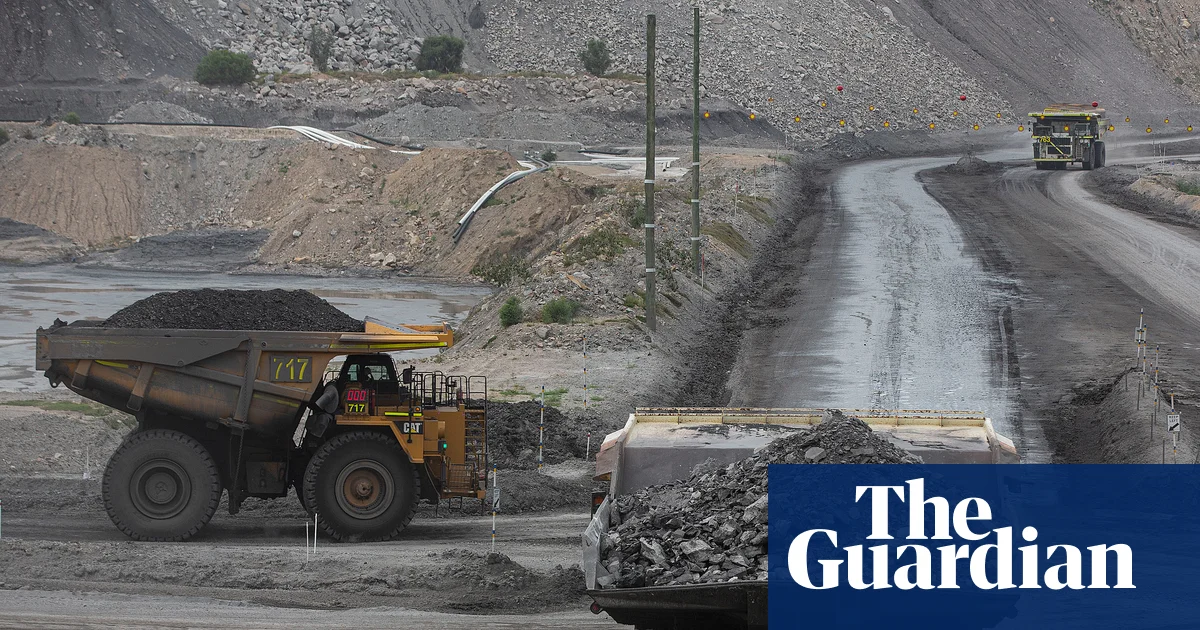
Billions in tax credits are paid to coal miners every year. Ministers discussed clawing back some of that money in the May federal budget, but the Iran war has pushed out those talks.
701 words~3 min read