What is Ebola, how is it transmitted and when was it first discovered? How dangerous is it to those who are infected?
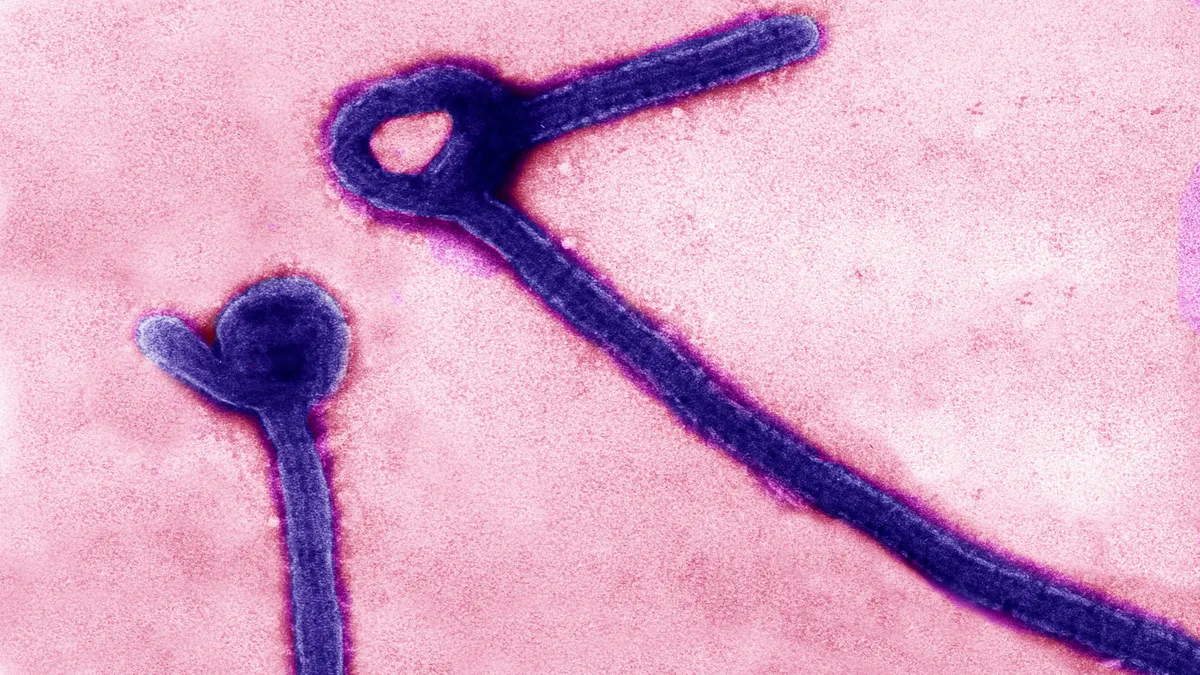
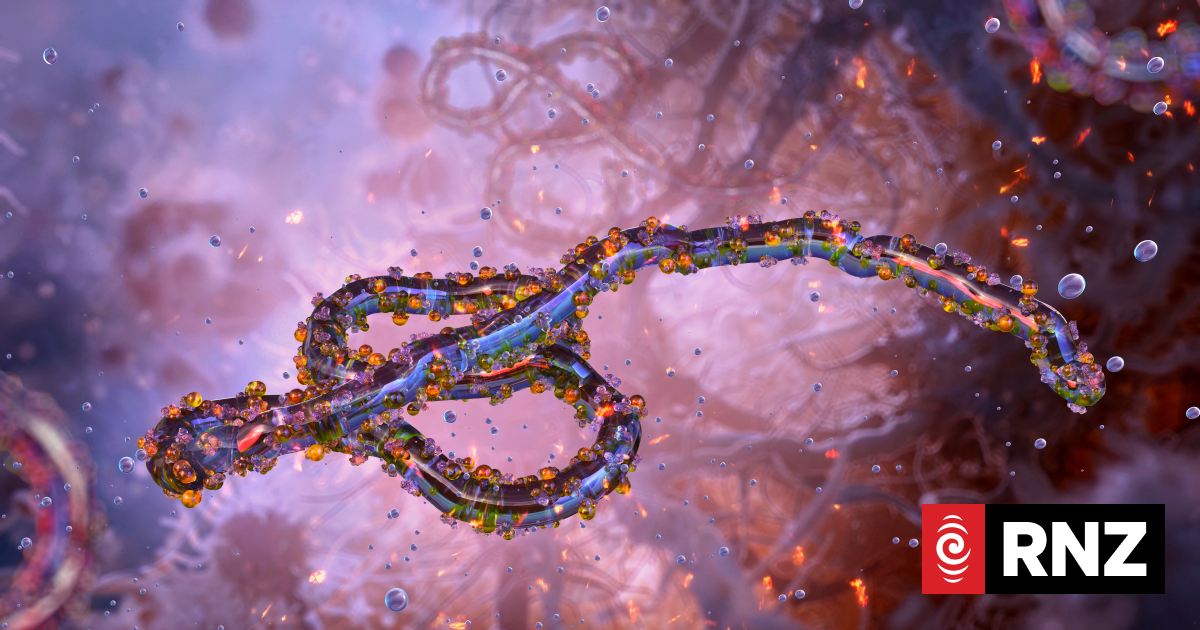
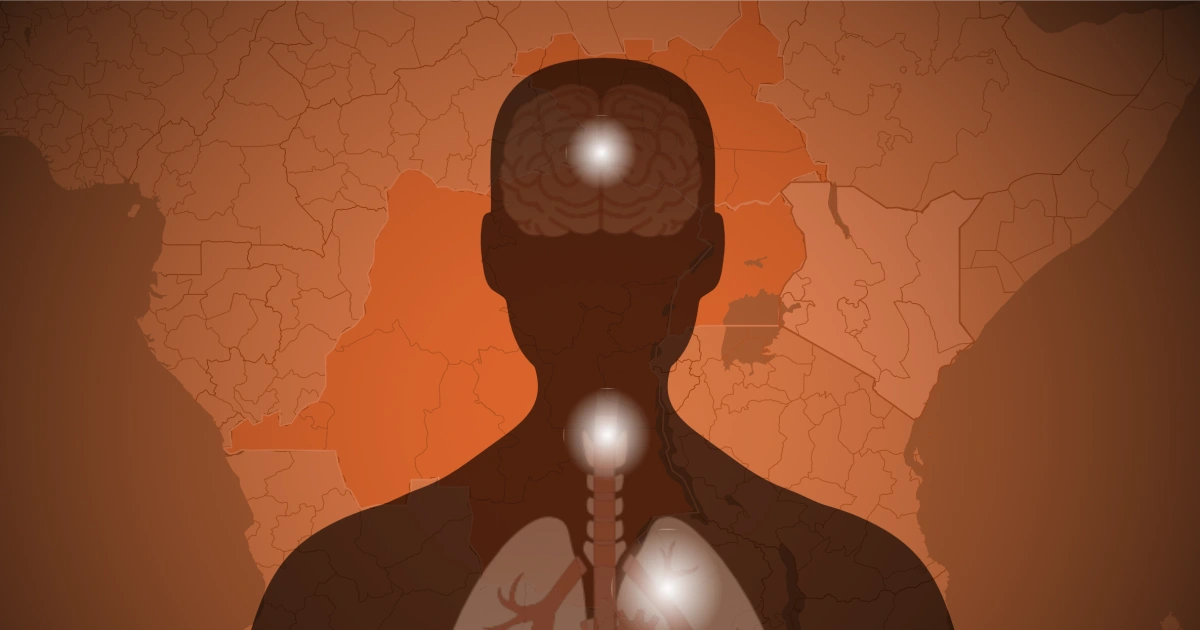
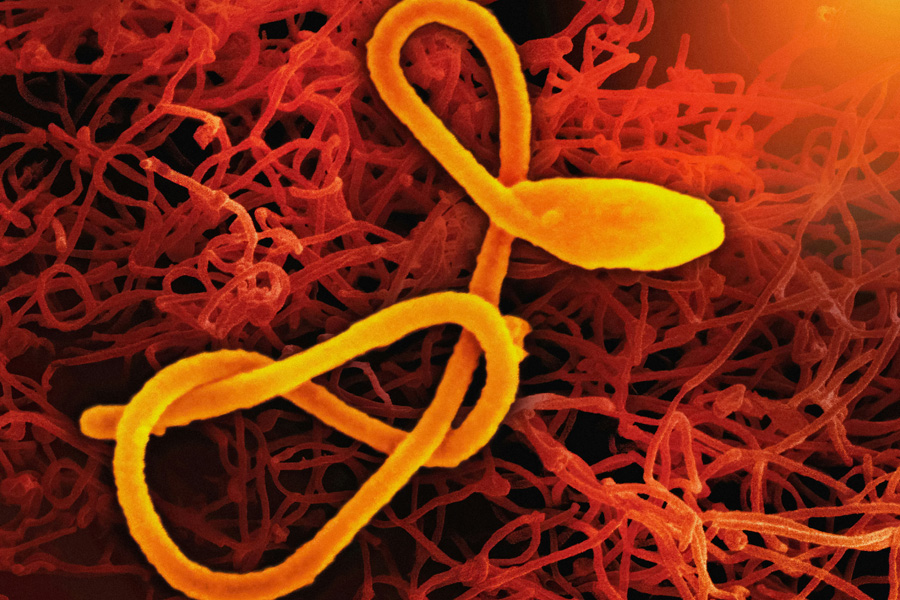
Ebola is a severe viral illness caused by viruses called orthoebolaviruses, which circulate in fruit bats in central and west Africa. It takes its name from a river in what’s now the Democratic Republic of Congo (DRC), near where it was first recognised in 1976.
Within that group, four cause disease in humans: Zaire, Sudan, Bundibugyo, and Taï Forest. The Zaire virus has been responsible for the largest outbreaks we’ve had to date, including the 2014–2016 epidemic in West Africa and 2018–2020 epidemic in DRC. The Sudan virus has driven several outbreaks around South Sudan, Uganda, and the DRC. Taï Forest is very rare; there’s only one known human case, in Côte d’Ivoire in 1994.
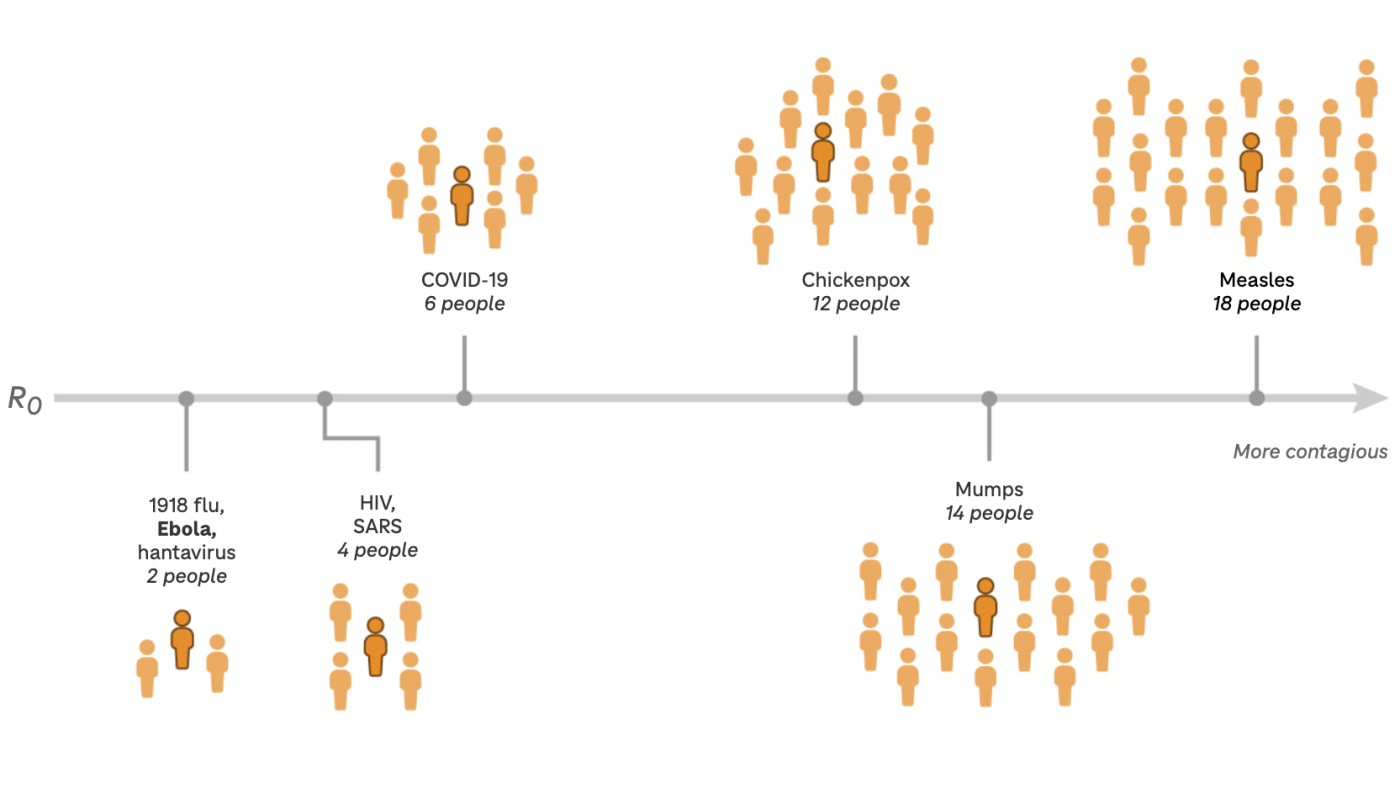
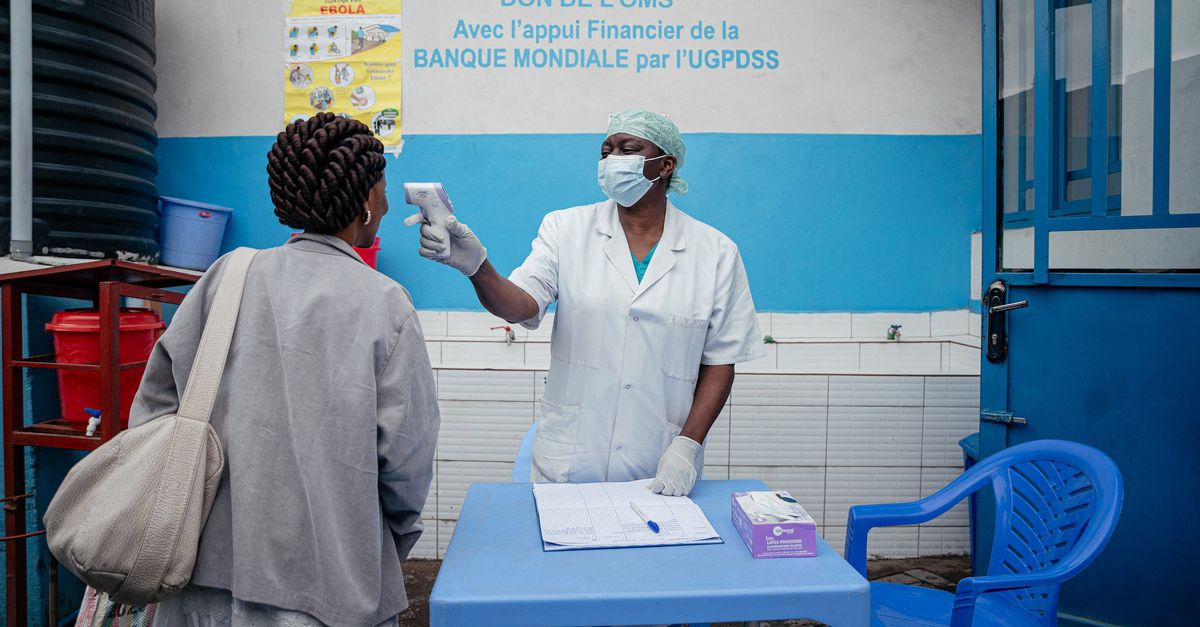
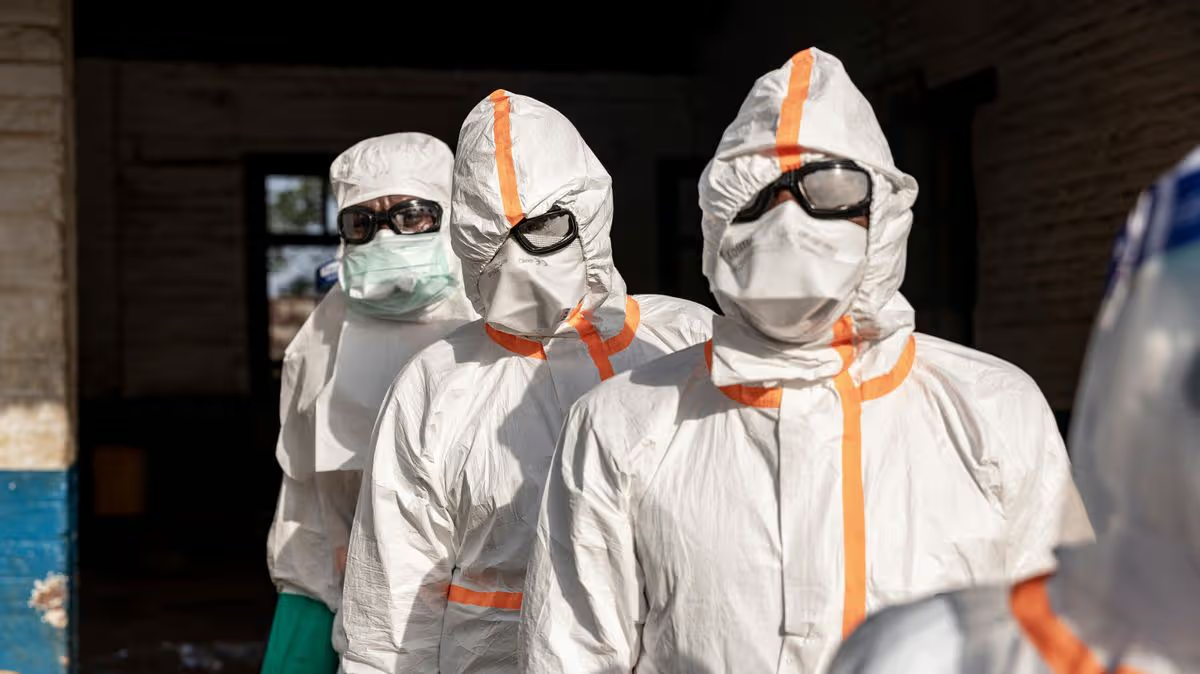
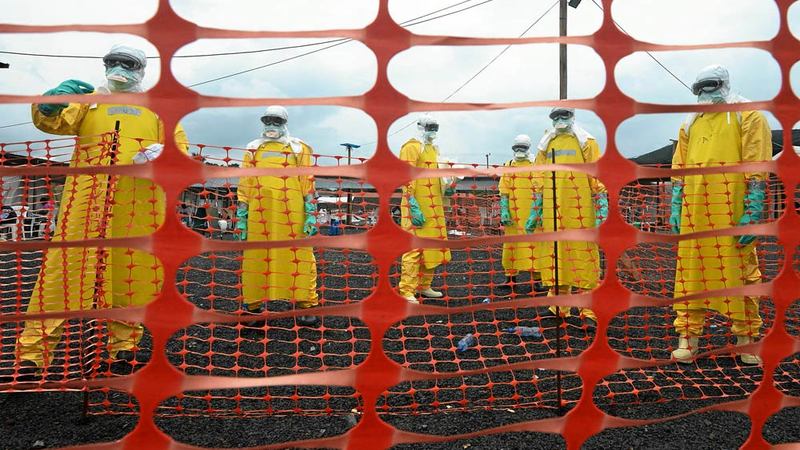
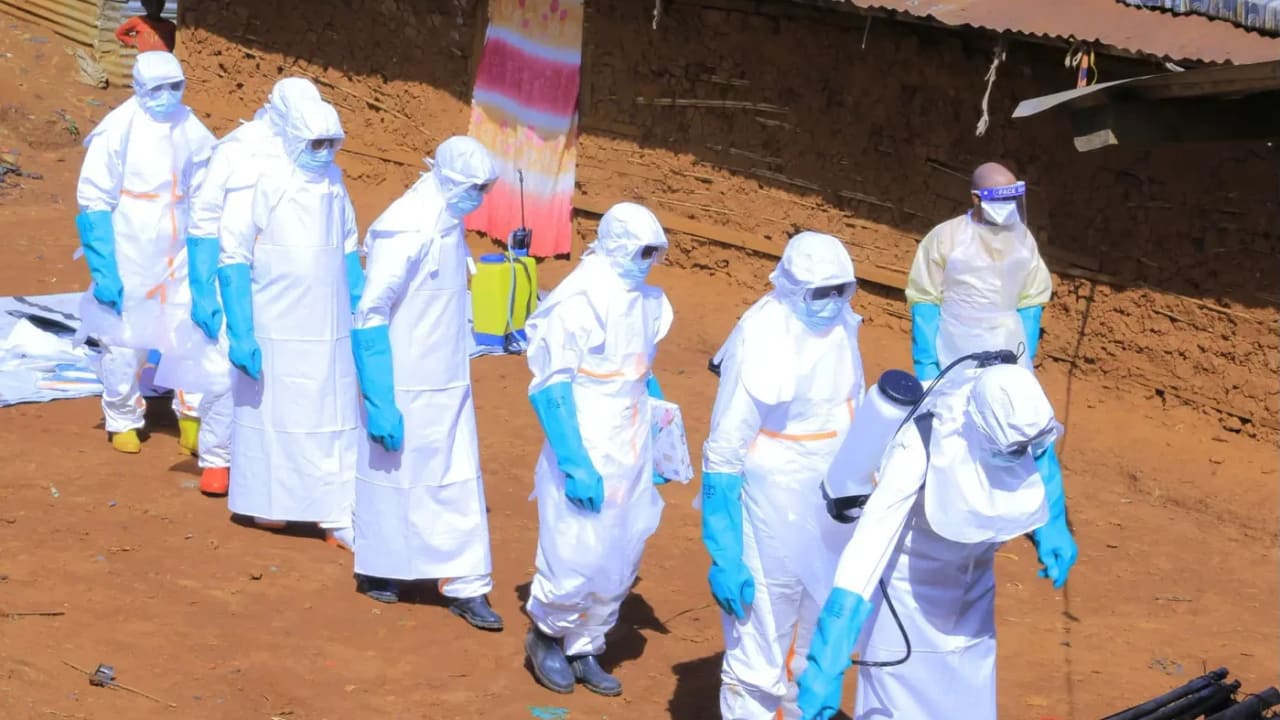
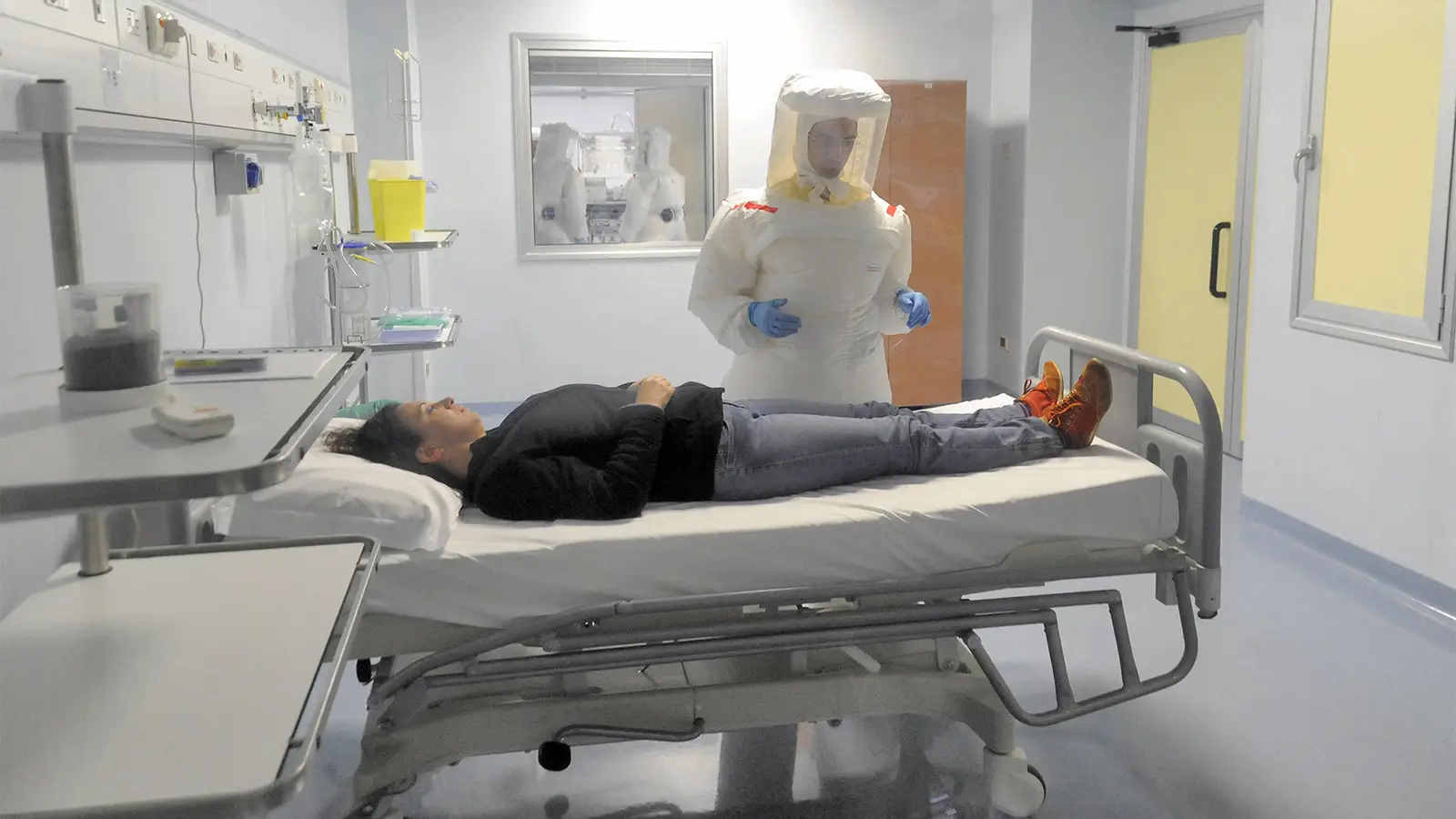
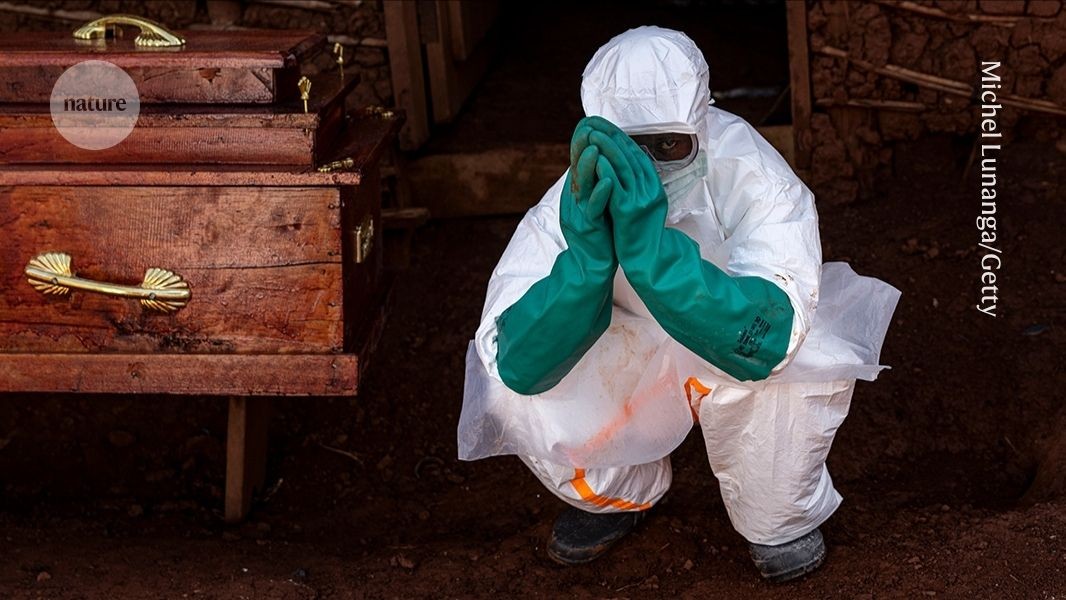
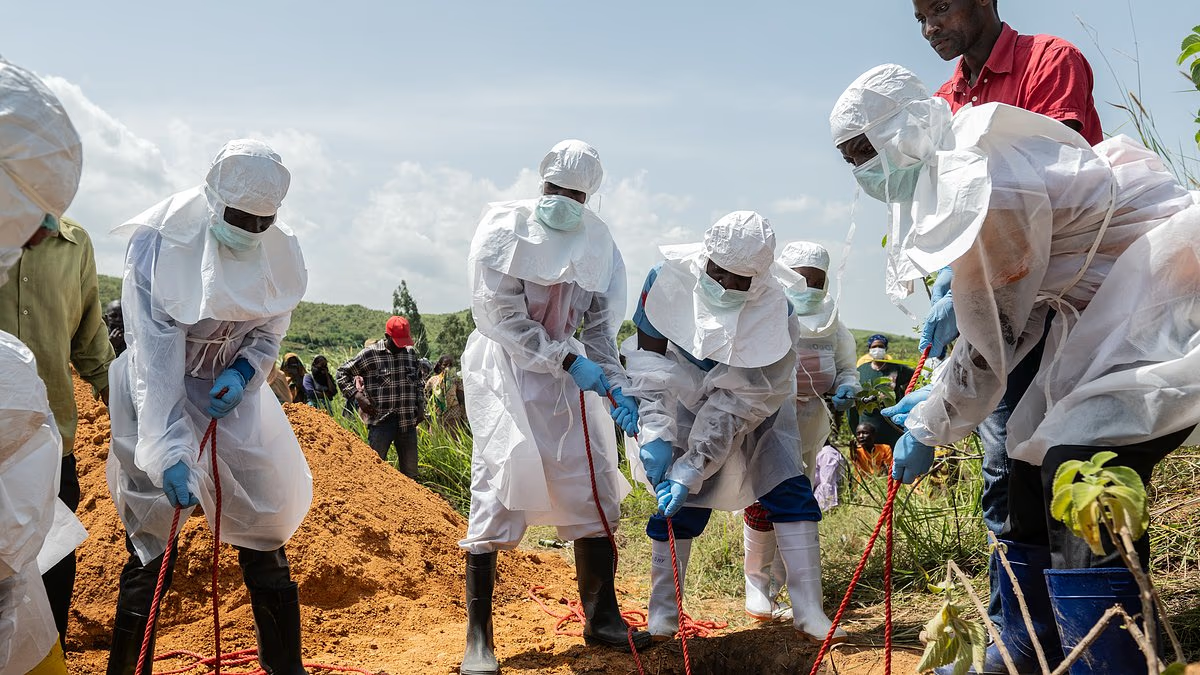
Ebola spreads through direct contact with an infected person’s bodily fluids, blood or vomit, or surfaces those fluids have contaminated. How dangerous it is depends on the strain and on whether patients can get to good supportive care. The Zaire virus, thought to be the deadliest, kills up to 90 percent of those it infects when untreated. The Bundibugyo strain behind the current outbreak has historically killed 25 to 40 percent.