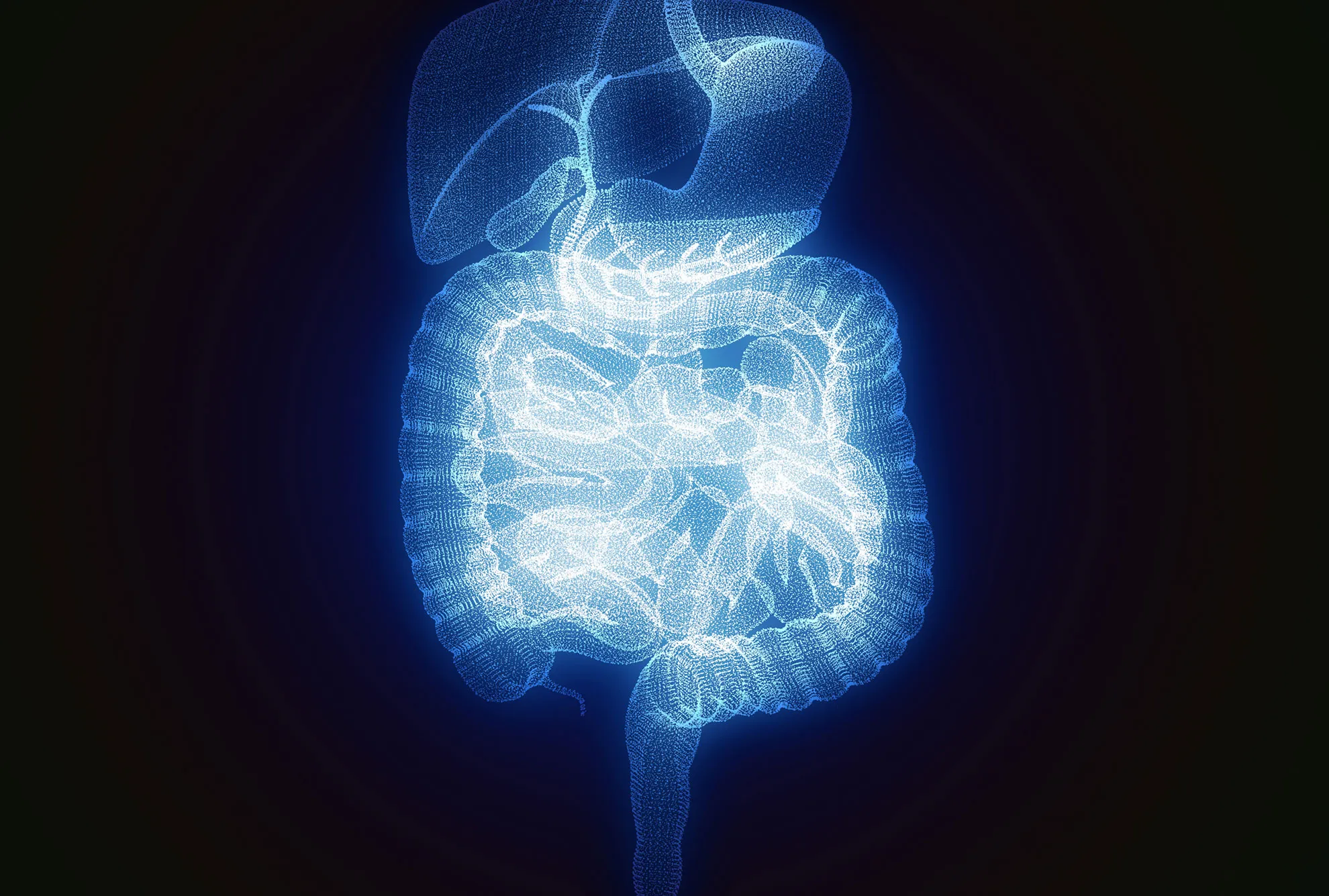
The gut plays a major role in stress levels in the human body. Often called the “second brain,” the gut constantly talks to the brain, influencing mood and regulating stress hormones like cortisol. Doctors know that persistently high levels of cortisol negatively affect the human body. What they haven’t figured out is a precise way to control it, until now.
Researchers from Carnegie Mellon University aim to develop a swallowable smart pill that temporarily lives in the gut and reduces stress hormones by precisely stimulating gut nerves, all without surgery or drugs. The team recently received funding through the Defense Advanced Research Projects Agency (DARPA) to support its CoasterChase program.
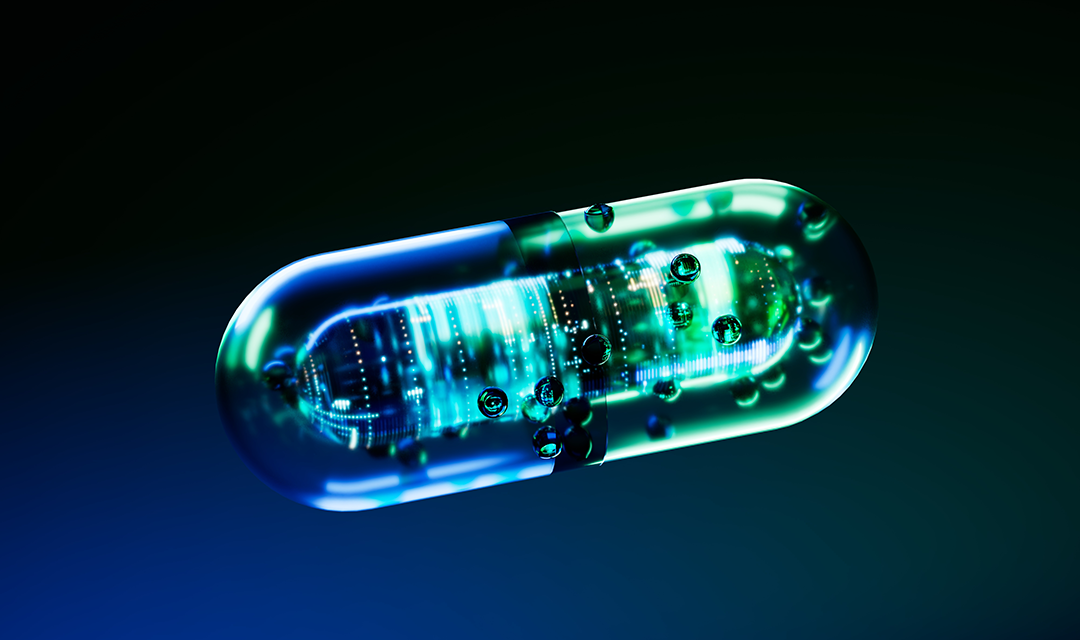
The technology, called GutHarmony, could temporarily change how gut nerves function in order to reduce stress in the body. Once swallowed, the pill dissolves in the lower portion of the small intestine, releasing a tiny, soft, stent-like device that remains in place for a few days. Once there, it can sense chemical signals linked to stress and deliver tiny, targeted stimulations to modulate activity in gut nerves and hormone-releasing cells.
“If high levels of cortisol are detected, the device will direct your adrenal glands to ease off production, lowering stress levels in the body,” says Pulkit Grover, the principal investigator on the project, and a professor of electrical and computer engineering, biomedical engineering, and CMU’s Neuroscience Institute.