By providing an email address. I agree to the Terms of Use and acknowledge that I have read the Privacy Policy.
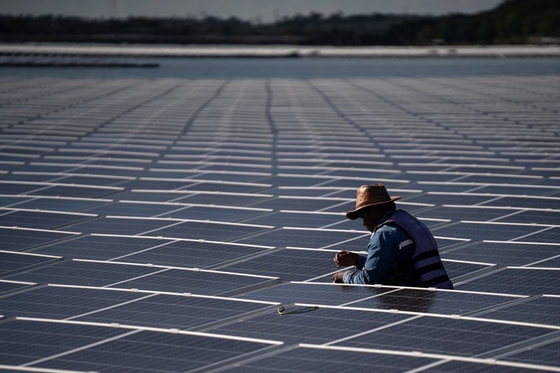
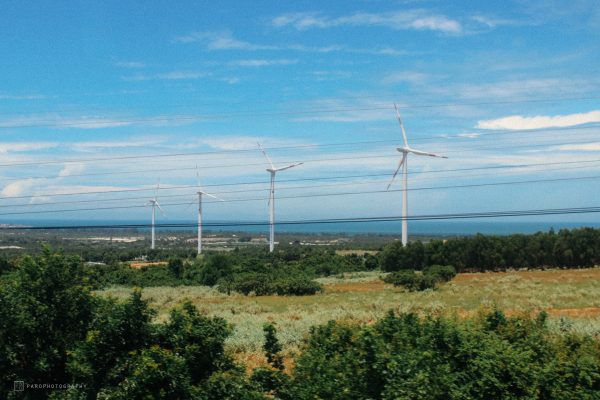
The Middle East conflict is again exposing Asia and the Pacific’s reliance on oil imports, strengthening the case for a rapid shift to renewables and smart grids.
Despite significant regional progress toward renewables, economic growth in Asia and the Pacific hinges on imported energy. The rapid impact on the region’s developing economies from the conflict in the Persian Gulf is a further compelling argument to make the transition away from fossil fuels an urgent priority.
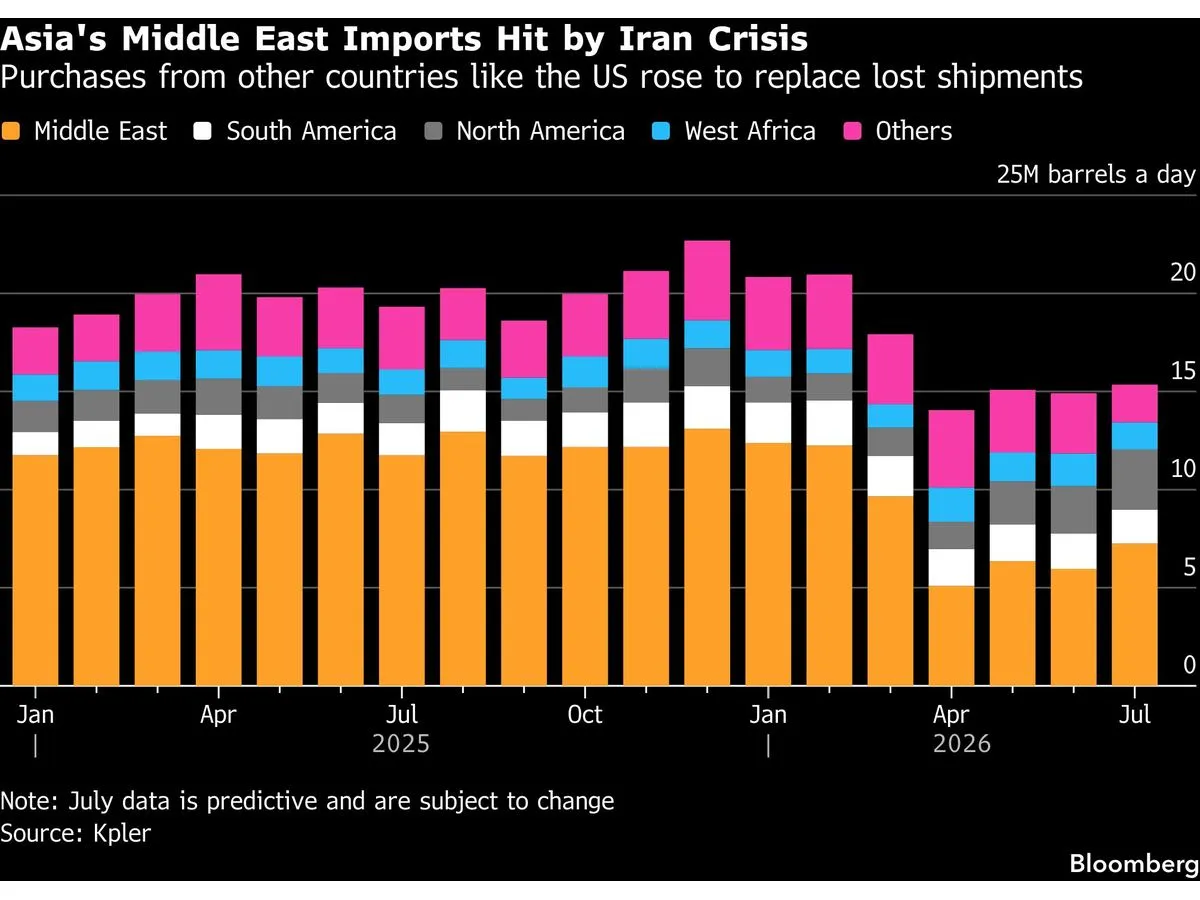
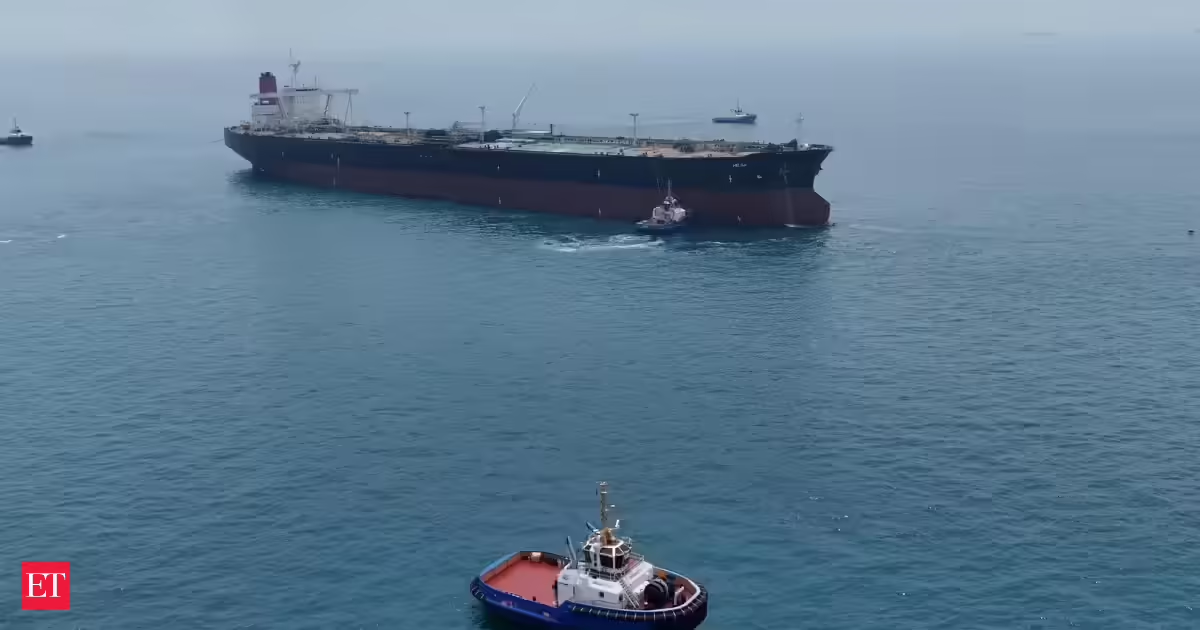
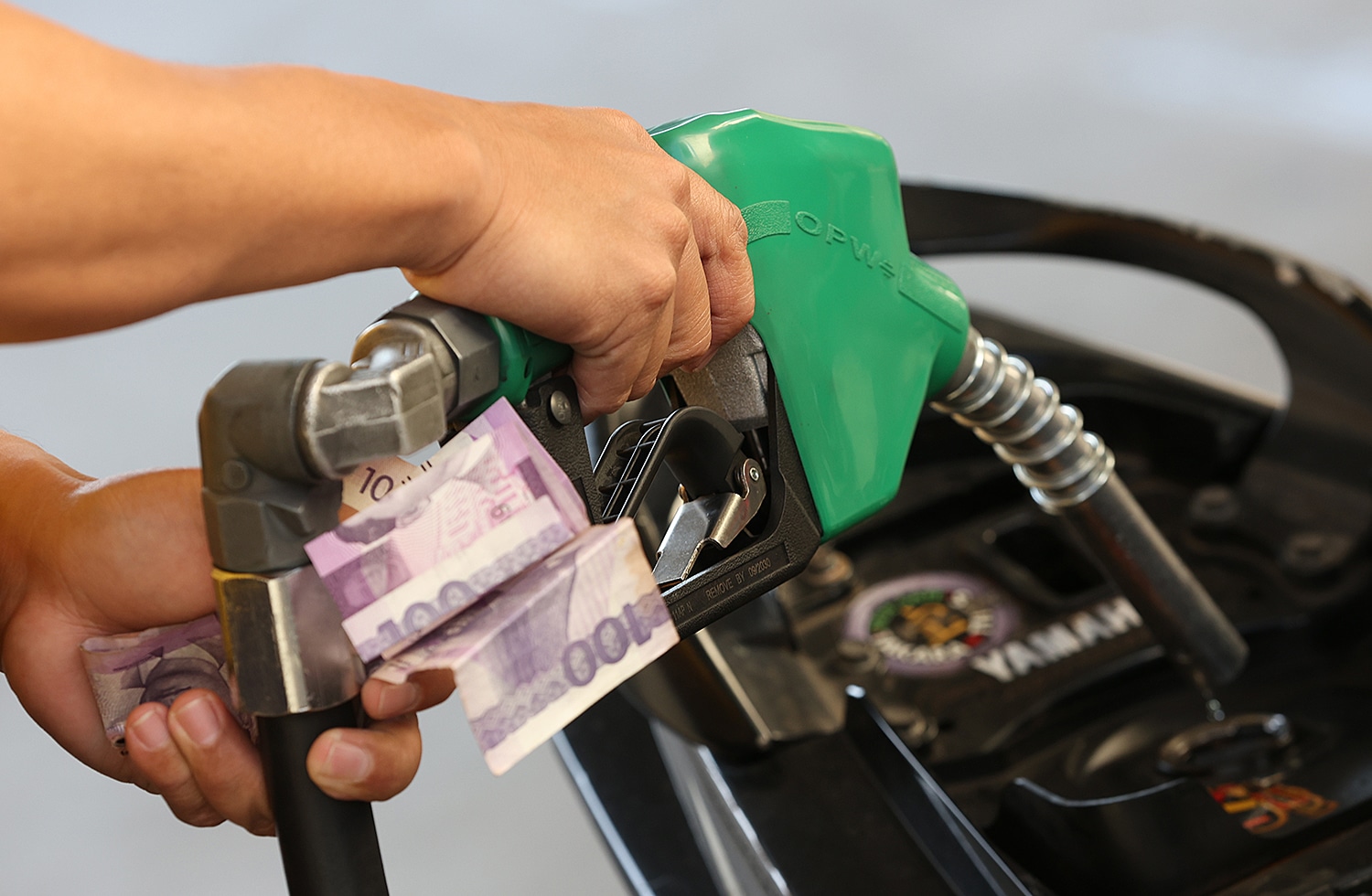
Asia and the Pacific imports around 60 percent of its oil from the Middle East. For some countries, such as the Philippines, the Middle East accounts for almost all their oil. Tight supplies have forced rationing, shorter working weeks, and reduced transport in many developing economies. Across the board, high energy prices are reducing economic growth and stoking inflation. Although wealthier economies are better placed to ride out such shocks, economic contractions in these countries ripple through the whole region.
It’s important to note that in earlier energy crises, imported fuel drove inflation and widened current account deficits, while rapid expansion of renewables brought resilience and price stability. This latest crisis highlights once again that Asia and the Pacific’s uptake of renewables—once primarily seen as an environmental benefit—is now also the key to its economic security.