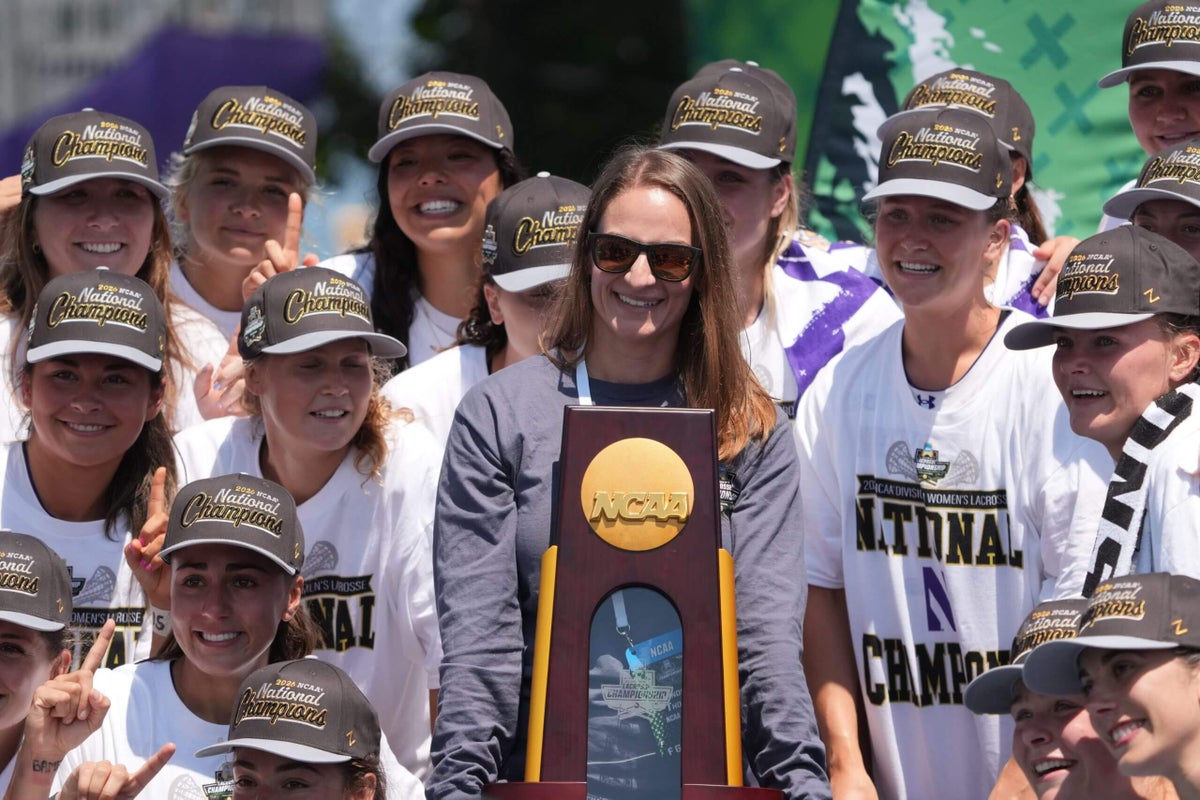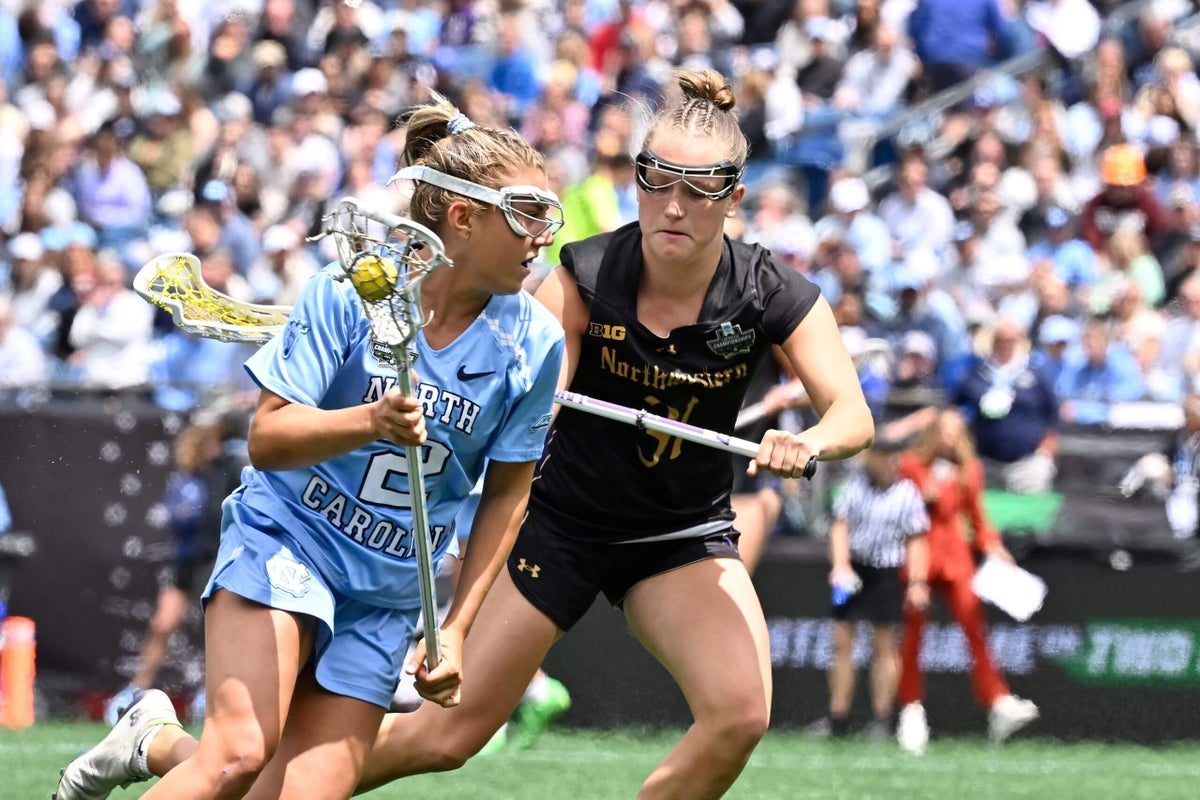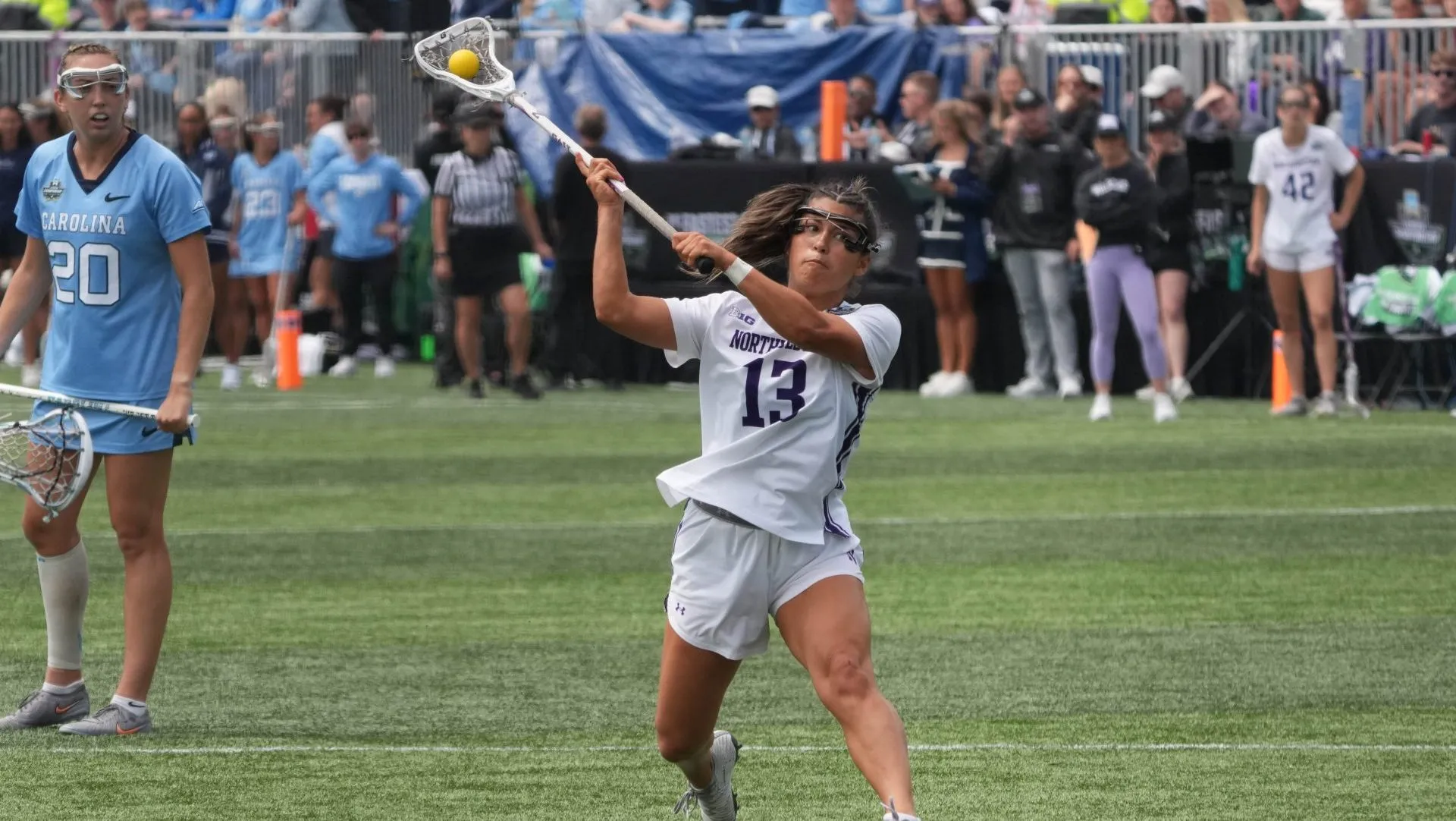
EVANSTON, Ill. — More than 8,000 fans descended on Northwestern’s lakefront stadium on Memorial Day weekend to watch the top-seeded home team beat No. 2 North Carolina in the Division I women’s lacrosse championship. It’s the ninth national championship for the Wildcats, who are the only team west of Virginia to capture a title.
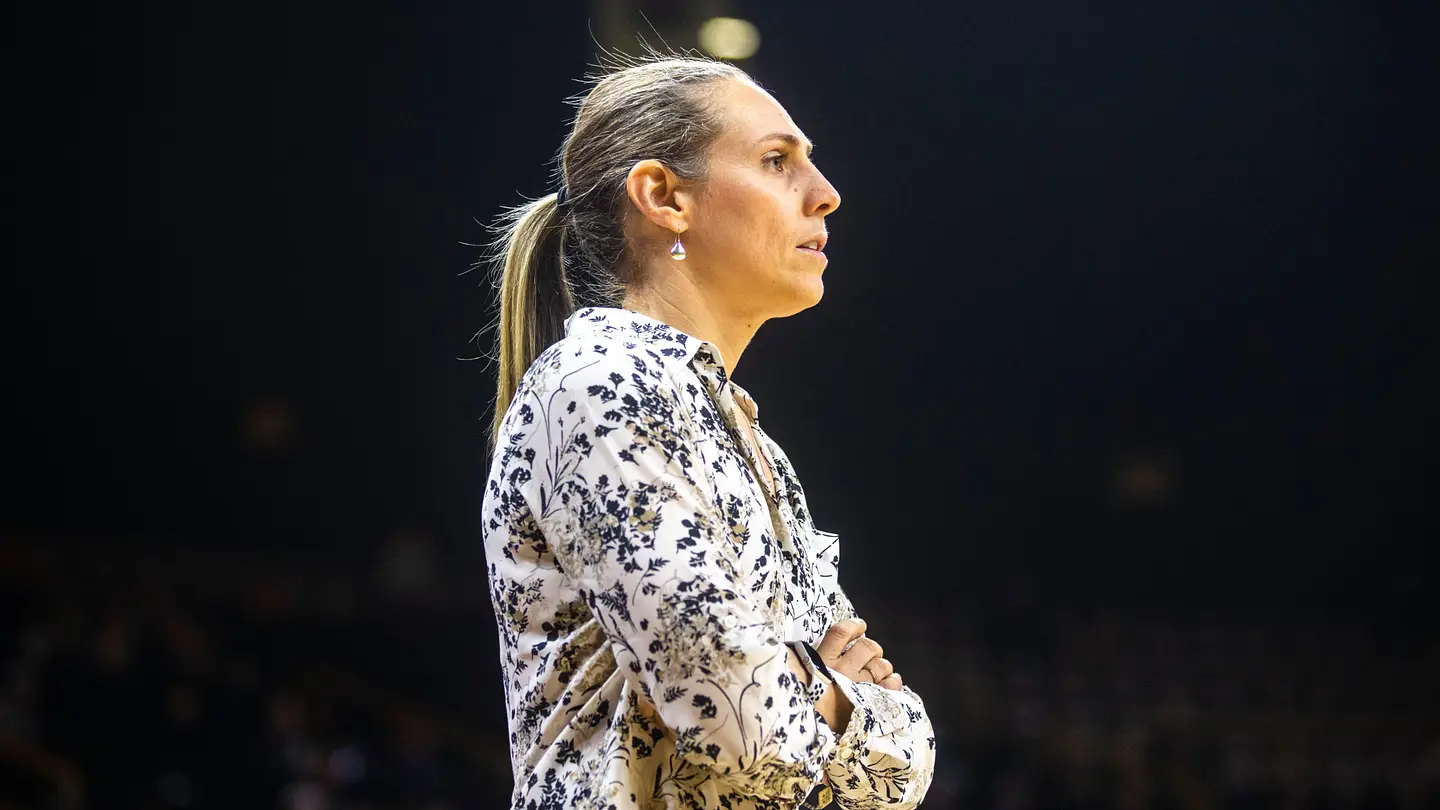
“I hope we’ve inspired more people to watch this game,” Northwestern coach Kelly Amonte Hiller said in a press conference after the final. “I hope ESPN felt good about the broadcast, the sport, and the potential for this to grow on TV and beyond.”
Growth is the main goal for every one of the sport’s stakeholders—from the youth level through the highest tiers of the NCAA and into the new pro ranks. But it’s not a straightforward proposition in college sports’ revenue-sharing era.
After last July’s House v. NCAA settlement allowed schools to pay players directly, the viability of many smaller college sports is being tested. More than 40 D-I programs have been cut in the past year, including Iowa State gymnastics, Quinnipiac rugby, and several tennis programs.
Women’s lacrosse, among the fastest-growing NCAA sports throughout the past two decades, is a unicorn in this unsettled landscape.