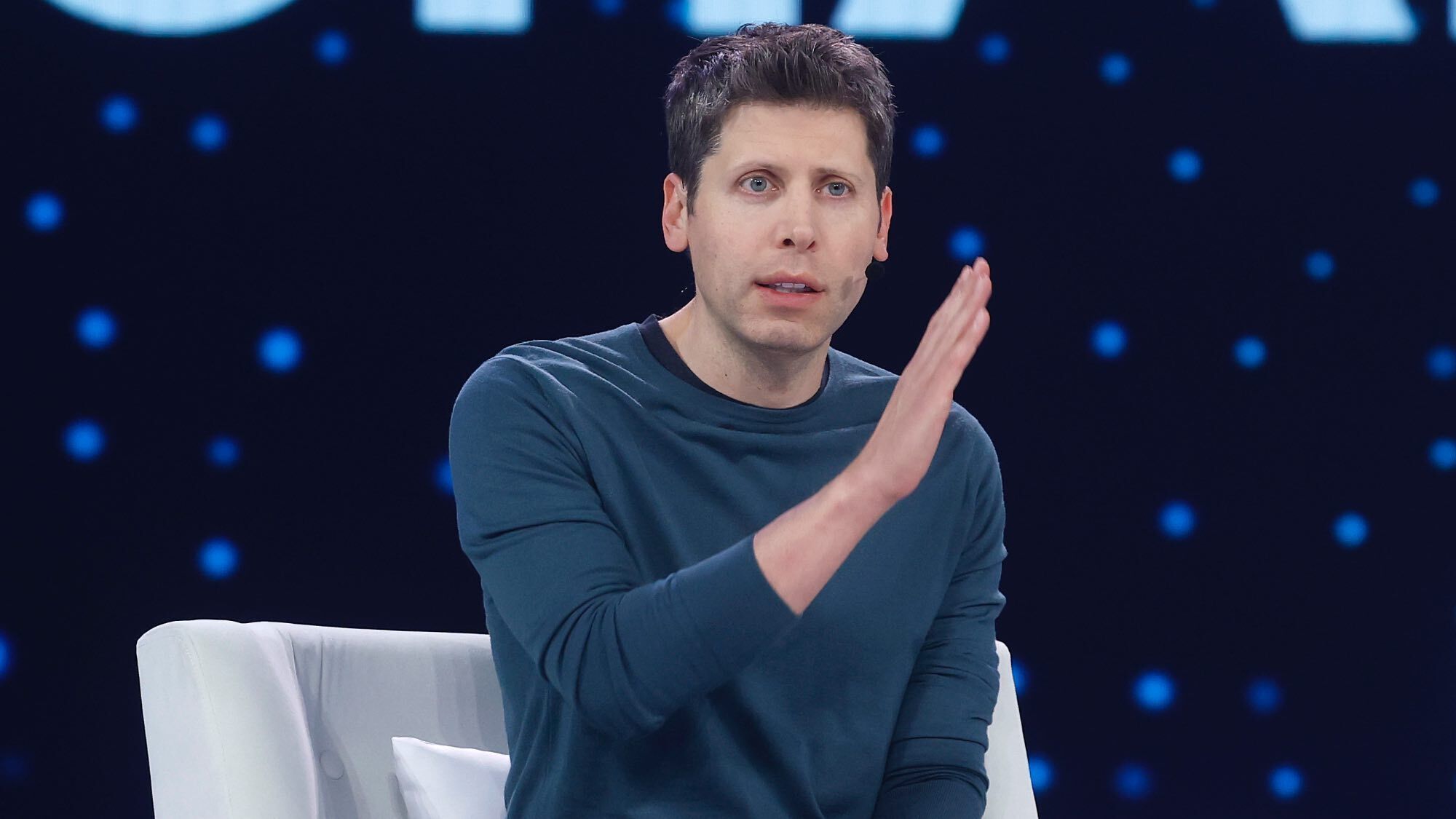
(Image credit: Getty Images)
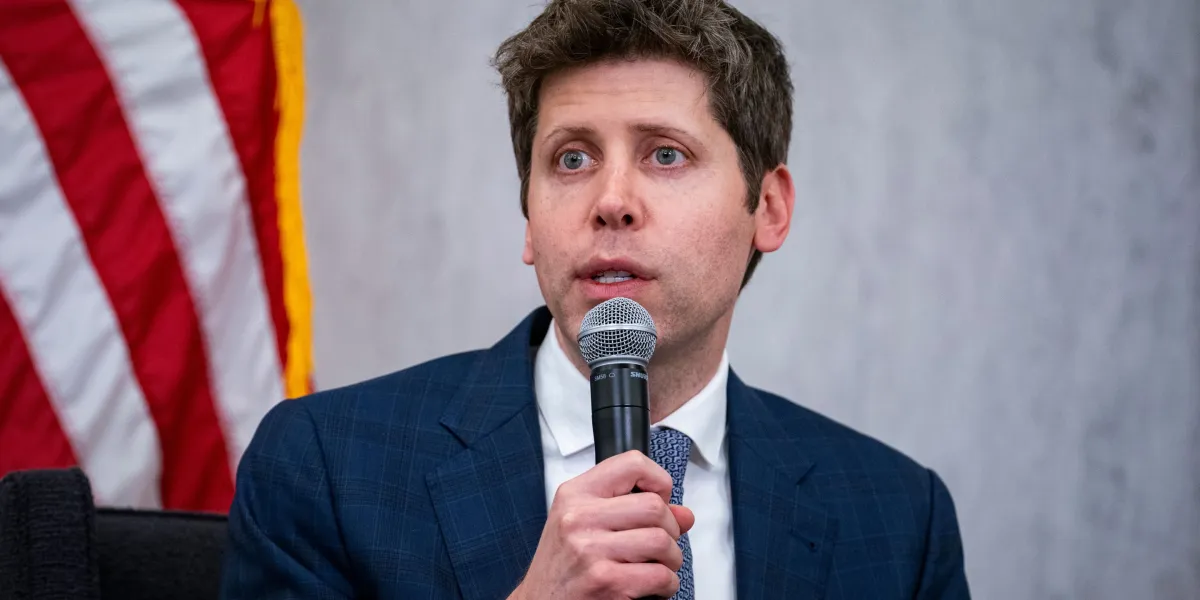
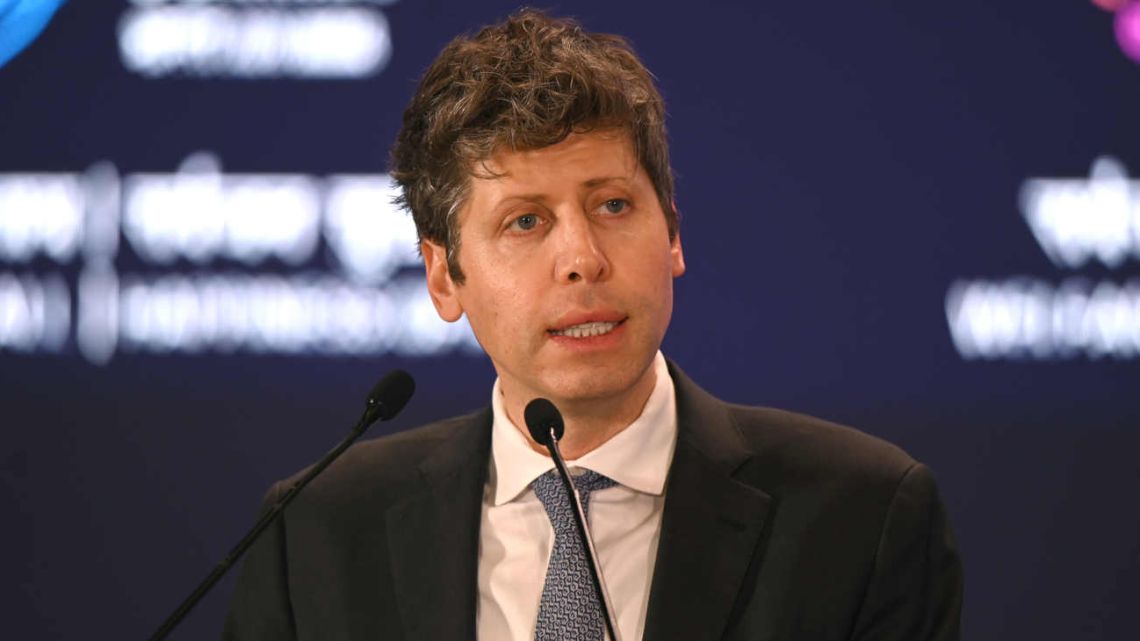
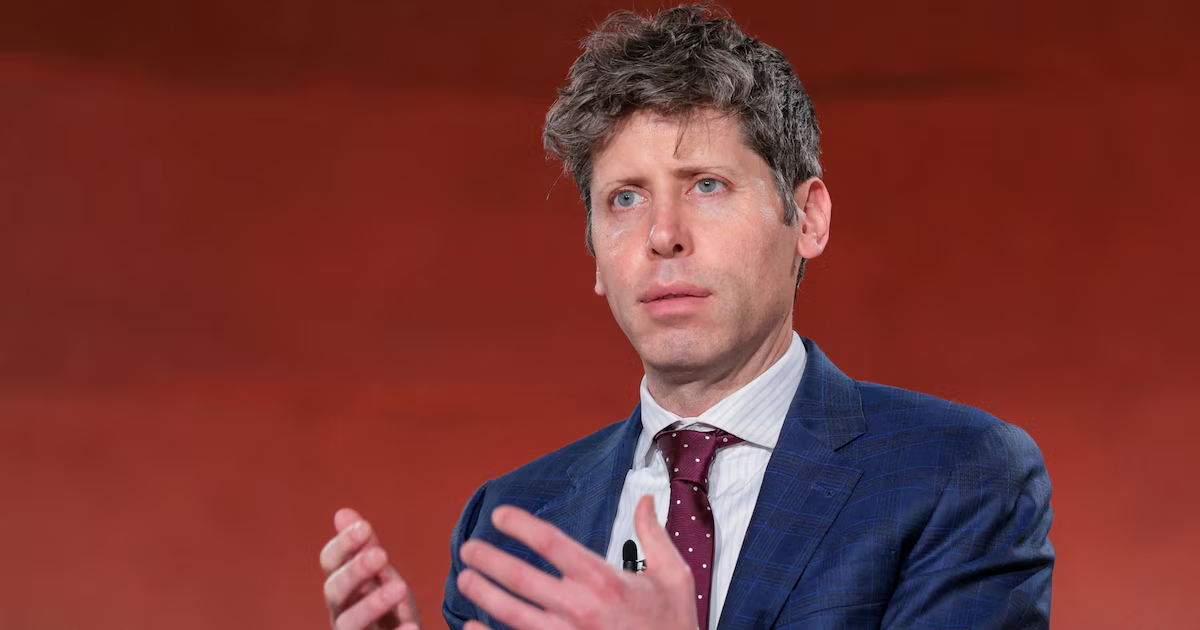
During a recent appearance at BlackRock in Washington, D.C., OpenAI's Sam Altman, shared his vision for the future of AI. At one point saying, “We see a future where intelligence is a utility, like electricity or water, and people buy it from us on a meter.”The comment immediately sparked debate online, not just because of what it says about AI’s future, but because of what it suggests about who may eventually control it.Altman was describing a world where AI becomes a foundational infrastructure, something woven into everyday life so deeply that consumers and businesses simply “plug into” it the same way they rely on electricity, Wi-Fi or running water.To supporters, the comparison makes perfect sense, but to critics, it sounded eerily dystopian.Why the utility comparison makes sense SAM ALTMAN: “WE SEE A FUTURE WHERE INTELLIGENCE IS A UTILITY, LIKE ELECTRICITY OR WATER, AND PEOPLE BUY IT FROM US ON A METER.” pic.twitter.com/AXnZ9zh0RoMay 25, 2026From a business perspective, Altman’s analogy is surprisingly logical. Most people don’t generate their own electricity. They connect to a centralized grid and pay based on usage. Increasingly, AI works the same way.Thousands of companies like OpenAI, Google, Microsoft and Anthropic, already rely on APIs to power chatbots, search tools, coding assistants and productivity apps. So, in many ways, developers aren’t “building intelligence” anymore — they’re tapping into existing intelligence infrastructure.That’s why some in Silicon Valley believe AI will eventually function less like software and more like cloud computing or electricity. Essentially, always available, always running in the background and charged by usage.Get instant access to breaking news, the hottest reviews, great deals and helpful tips.Altman reinforced this idea in this same conversation by referencing the old nuclear-energy phrase “too cheap to meter,” suggesting OpenAI’s long-term goal is to make intelligence abundant and accessible.Why critics think it sounds unsettling The backlash behind what Altman said may be less about the technology and more about the framing. Electricity powers machines, but intelligence powers human decision-making, creativity, education and increasingly productivity itself. You can't put a price on real human intelligence. That's why critics argue that treating cognition as a metered corporate service creates uncomfortable questions such as:What happens if a handful of companies control access to advanced reasoning? Could premium AI create a widening gap between those who can afford better “cognitive infrastructure” and those who can’t? What happens when schools, workplaces and governments become dependent on systems owned by private corporations? One glance through the comments on X shows some users think Altman’s statement sounded like the early blueprint for centralized cognitive power. The wording also struck a nerve because many AI models were trained on enormous amounts of publicly available internet data such as books, articles, forums and creative work created by millions of people who were never directly compensated.That has fueled criticism that tech companies are now attempting to monetize collective human knowledge at industrial scale.The irony behind the 'AI utility' model