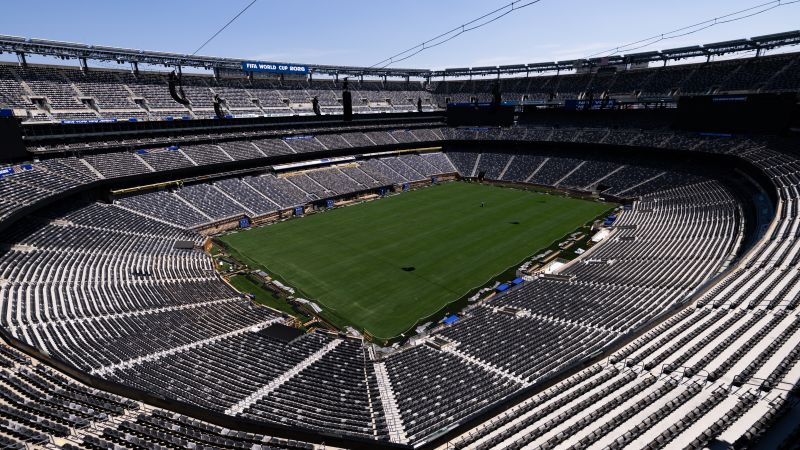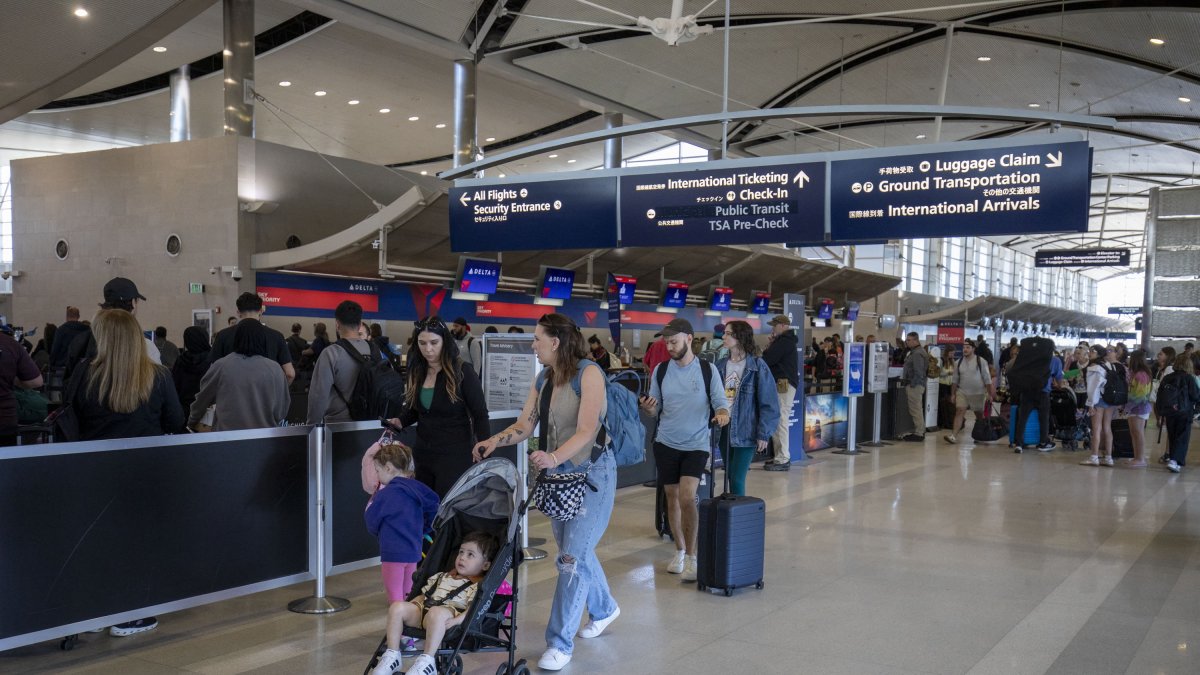
On the heels of the annual World Health Assembly in Geneva, let us quickly review today's public health scoreboard as the World Cup teams begin their travel to North America.
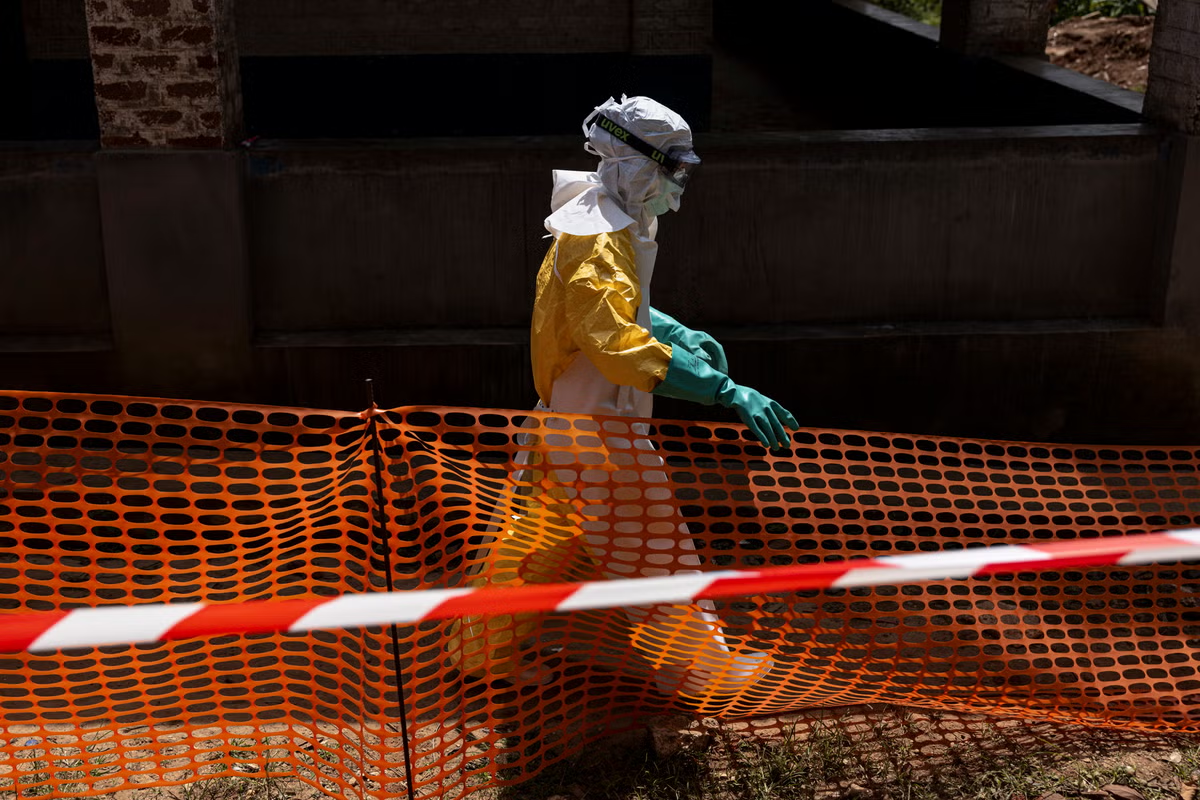
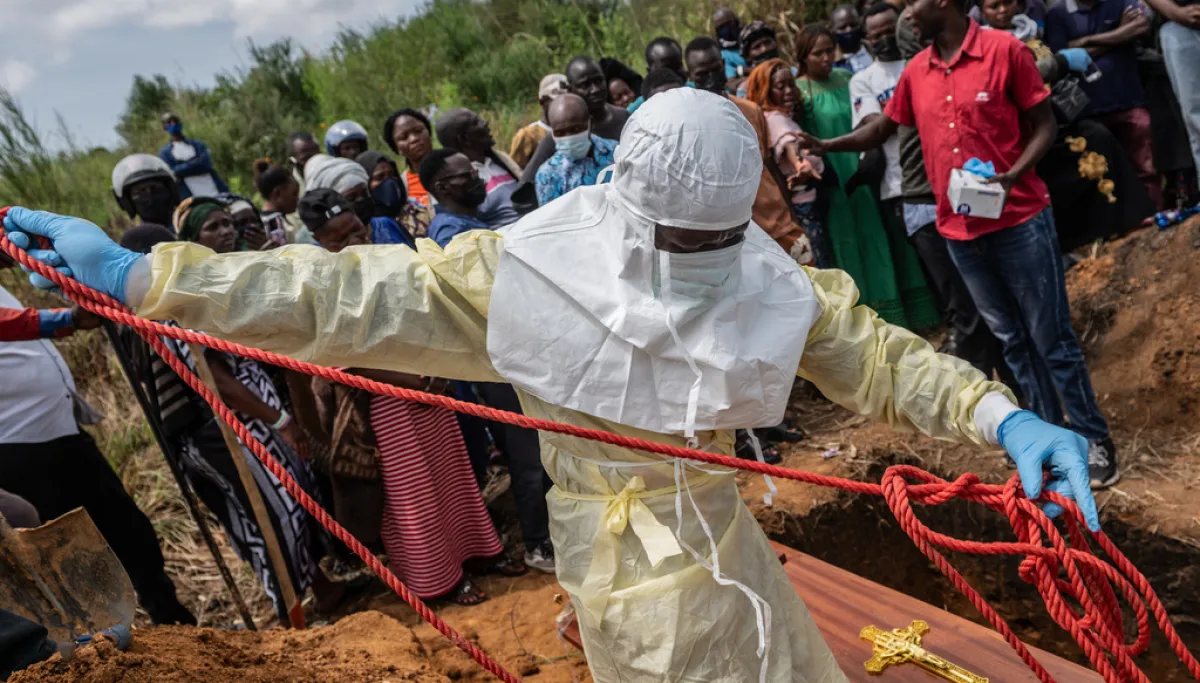
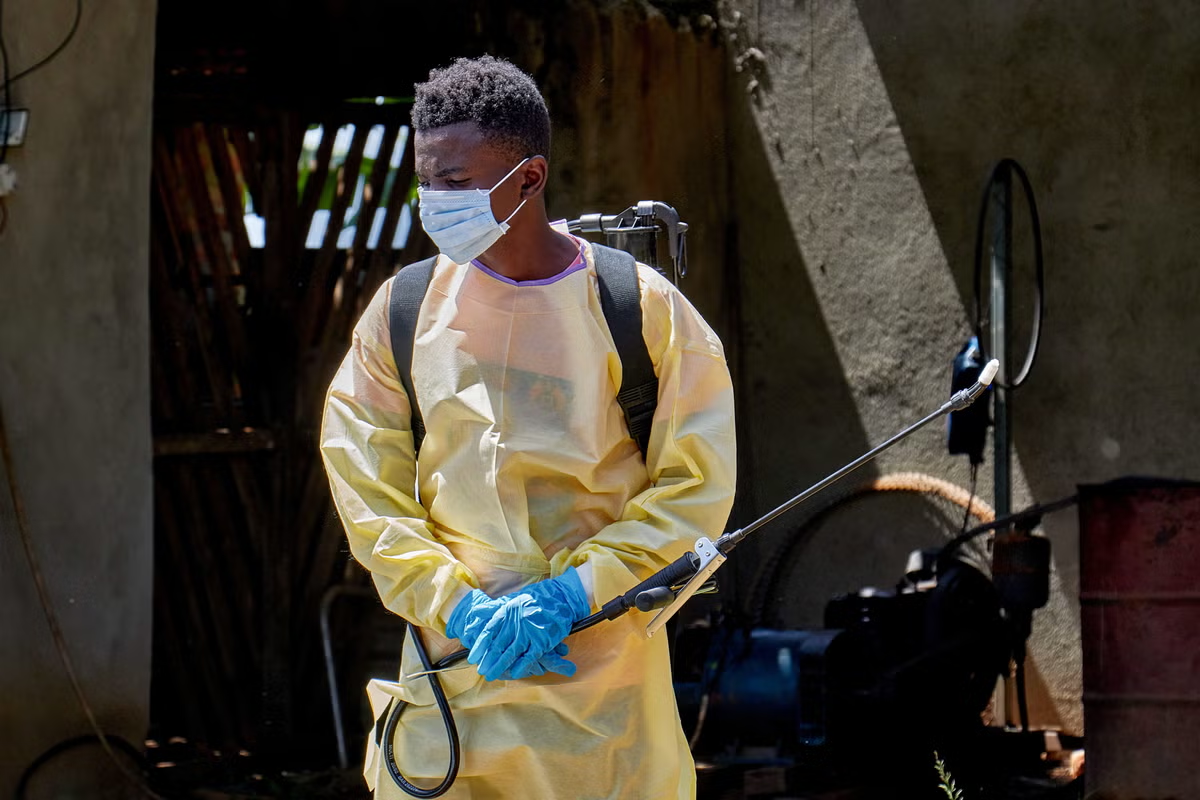
On May 17, the World Health Organization (WHO) Director-General Tedros Adhanom Ghebreyesus, PhD, announced that the Bundibugyo strain of the dreaded Ebola virus is spreading in west-central Africa.
The first confirmed American case, a missionary physician practicing in the Democratic Republic of Congo, was announced shortly thereafter, and the U.S. placed restrictions barring non-U.S. passport holders from entering the country if they've spent time in the prior 21 days in the affected regions. CDC also issued recommendations to reconsider non-essential travel to Congo and other areas.
Tedros and his team deemed this outbreak a "public health emergency of international concern." That's the same relatively low-key acronym that WHO initially used to describe COVID-19 in January 2020, less than 2 months before it escalated to pandemic status. While the pandemic potential of Ebola remains low, officials have said the outbreak could last months. To date, there have been more than 900 suspected cases and over 200 deaths tied to the outbreak, and Tedros said on Monday that "the epidemic is outpacing us." No vaccine or specific treatments exist for this strain.