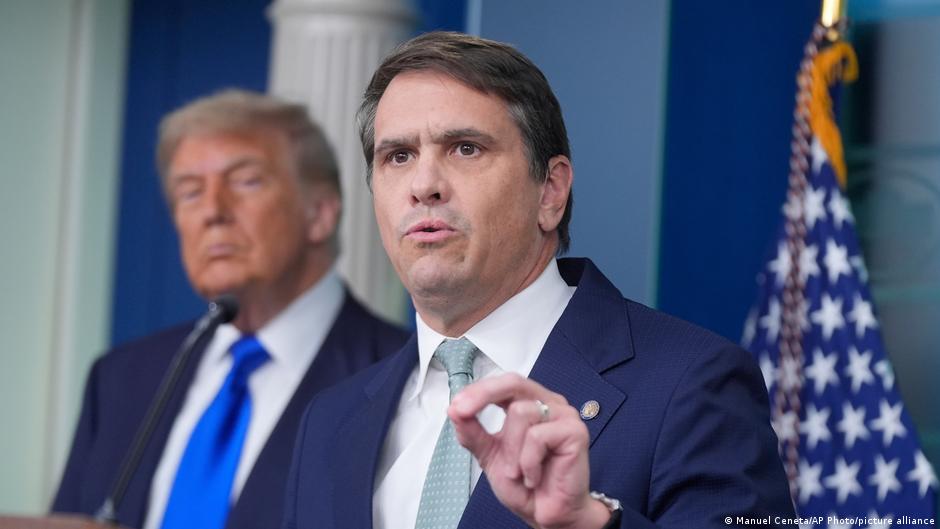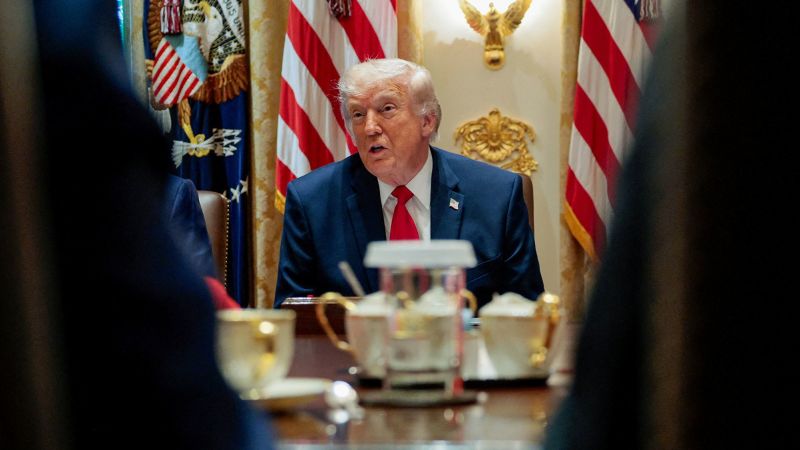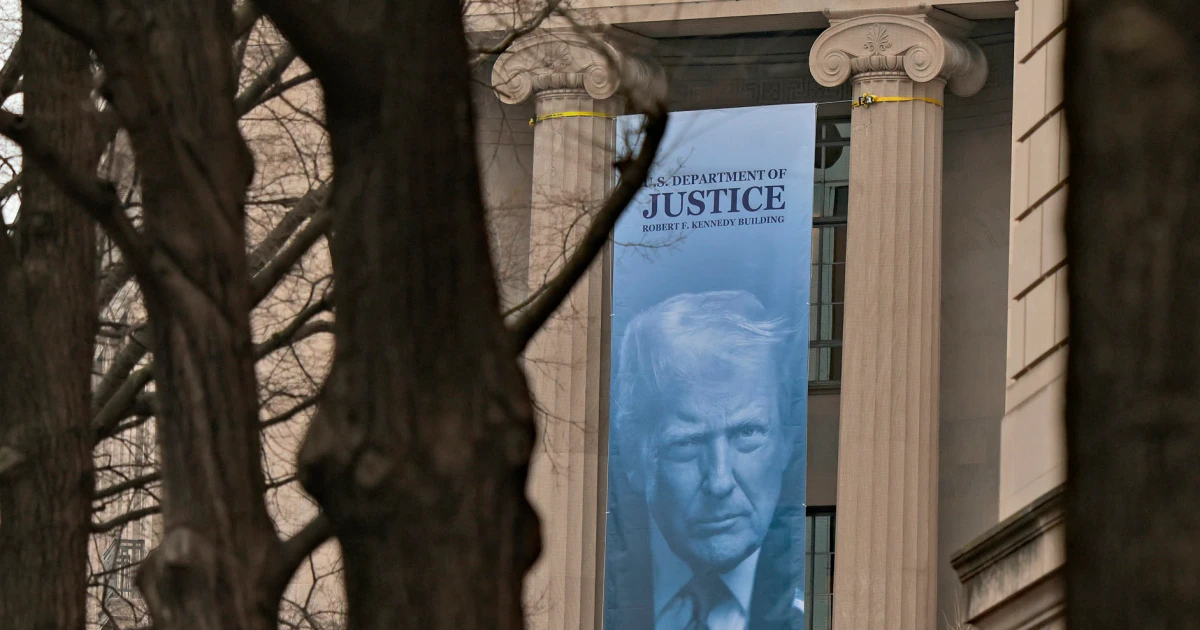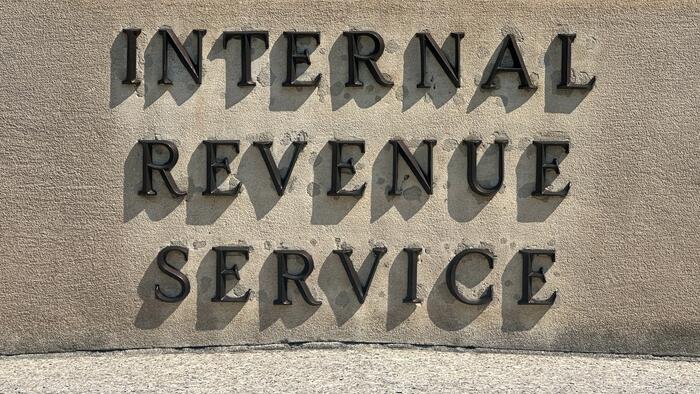
President Donald Trump’s nearly $1.8 billion “Anti-Weaponization Fund” is triggering bipartisan concern on Capitol Hill while simultaneously reigniting a years-old conservative argument against administrations from both parties using the Treasury Department’s Judgment Fund to finance politically sensitive settlements with little congressional oversight.The fund stems from Trump’s settlement with the Internal Revenue Service over the leak of his tax returns, but the backlash following its announcement last week quickly expanded into a larger fight over executive branch settlement powers, with a dispute among lawmakers significant enough to delay plans to advance a $72 billion immigration enforcement package before Memorial Day.It also reopened scrutiny of why Congress failed years ago to impose tighter restrictions on the Judgment Fund after Republicans spent much of the Obama administration warning that DOJ settlement agreements were steering money toward politically favored outside groups.
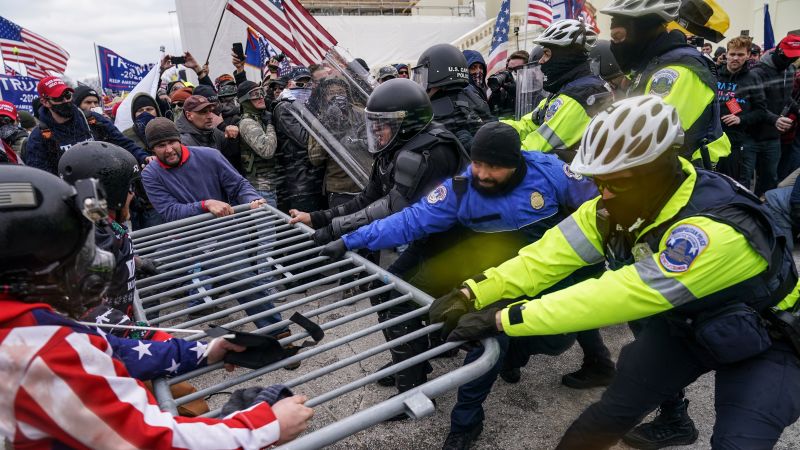
While Democrats have raised nothing but an uproar over the fund, several Senate Republicans have expressed concerns in the minutia, like whether violent Jan. 6 defendants could qualify for compensation, while the Justice Department has said claims will be reviewed individually and that final eligibility rules have not yet been released. House Republicans have largely defended the broader concept behind the program as compensation for citizens who have been harmed by alleged government “weaponization.”