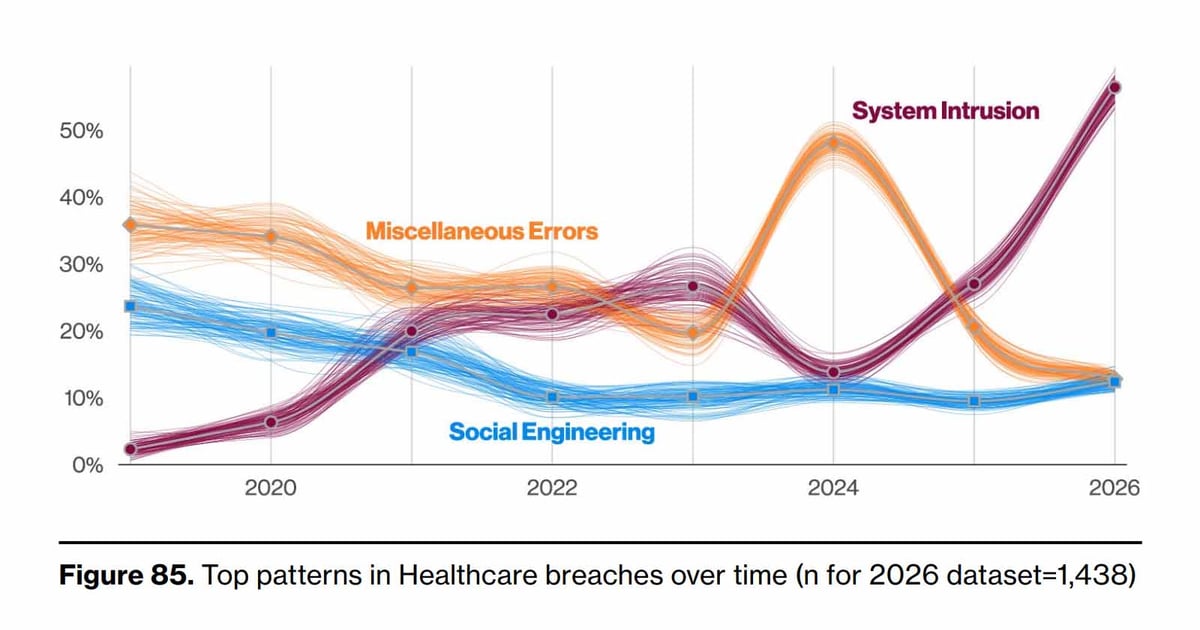
Healthcare has invested heavily in cybersecurity over the past decade. There are more controls, monitoring and compliance checklists. Yet ransomware attacks continue to surge, with organizations falling victim at an alarming pace — close to four times per minute.1 Healthcare remains a prime target, as storage systems and data contain valuable personal data and intellectual property (IP). The questions around attacks must change. Instead of “Can an attack be stopped?”, healthcare organizations need to ask: “In the event of a breach, can care continue?”When cyber incidents disrupt care deliveryIn most industries, downtime is inconvenient. In healthcare, it is critical.When systems are locked or data is exfiltrated, access to electronic health records (EHRs) and picture archiving and communications systems (PACS) can disappear overnight. Diagnostics slow down, procedures are delayed and staff revert to manual workarounds not designed for sustained use. The immediate disruption is only part of the story. Recovery introduces its own complications, from forensic investigations to regulatory scrutiny. The long tail of an attack can include lost revenue, reputational damage and legal exposure that linger well beyond the initial incident.The problem with thinking traditional recovery is adequate Many providers assume they are prepared because they have disaster recovery (DR) procedures in place. That assumption doesn’t hold up under modern attack conditions.Traditional DR systems mirror production environments closely, which works well for outages but is insufficient for ransomware. If compromised data is replicated in real time, the backup becomes just as unusable as the original. Additionally, attackers increasingly target backup systems directly or exploit privileged access to undermine recovery efforts. Even when backups remain intact, organizations may struggle to identify clean recovery points or move large volumes of data quickly enough to restore operations without prolonged downtime. The result is a gap between perceived resilience and actual recoverability.Building toward cyber resilienceClosing that gap requires a shift in mindset as much as adoption of updated technology. True cyber resilience assumes that breaches will happen and focuses on how to respond, recover and continue operating. That means maintaining protected, verifiable copies of data that cannot be altered; establishing isolated recovery environments; and regularly testing recovery processes under realistic conditions. It also requires aligning stakeholders across IT, security, compliance and clinical teams so that recovery is operationally viable. Ultimately, resilience is about speed and certainty. How quickly can you restore your systems? How confident are you that your restored data is clean? And how quickly and effectively can you return to delivering care?The healthcare organizations that succeed in this modern landscape will be those that stop treating cyber incidents as rare exceptions and start preparing for them as routine disruptions.To explore these challenges and approaches in more detail, read this primer on strengthening healthcare cyber resilience.Reference1. Kumar, N. December 31, 2025. 83 cybersecurity statistics 2026 (worldwide data & trends). Demandsage. https://www.demandsage.com/cybersecurity-statistics/.
Cyber resilience is a critical component of your healthcare infrastructure
Healthcare data storage decisions and an organizational mindset shift are key components in the fight against cyberattacks.
469 words~2 min read