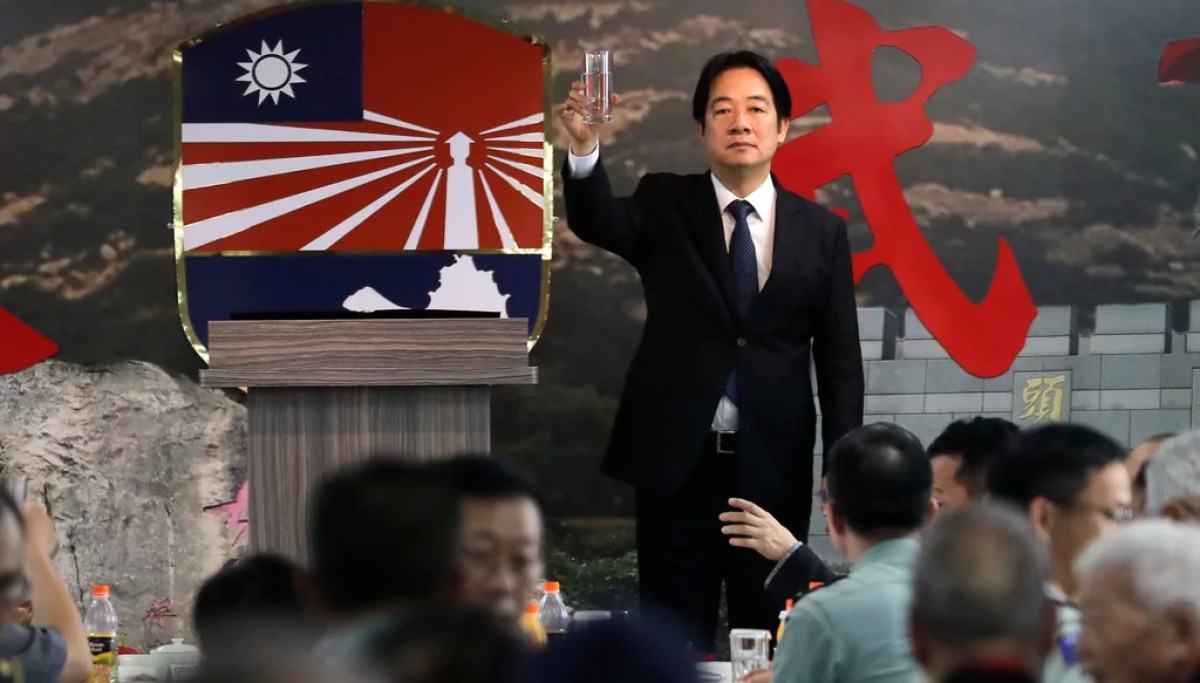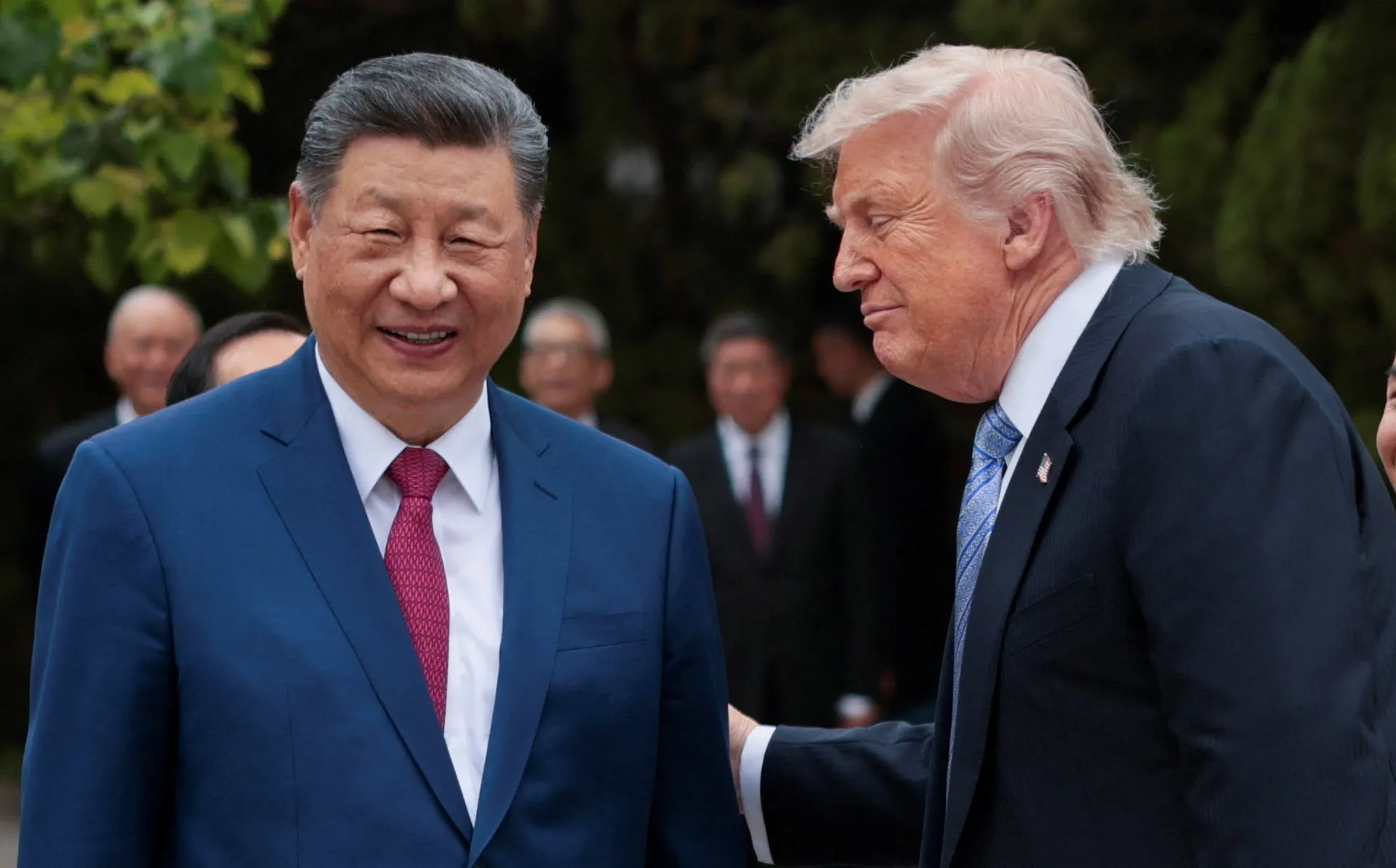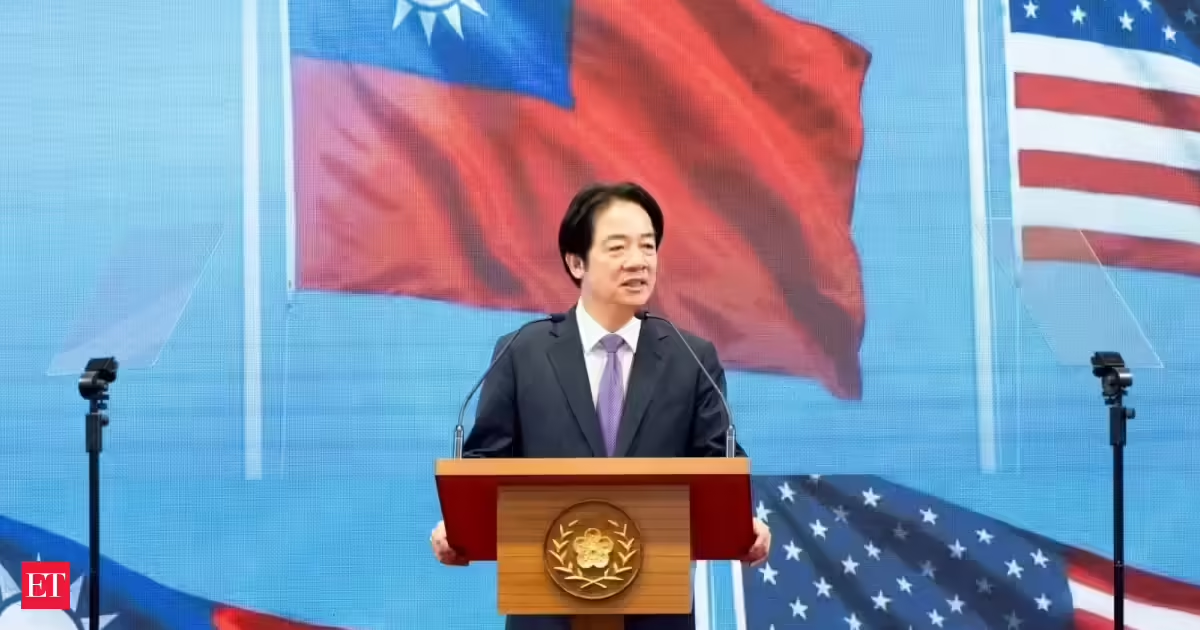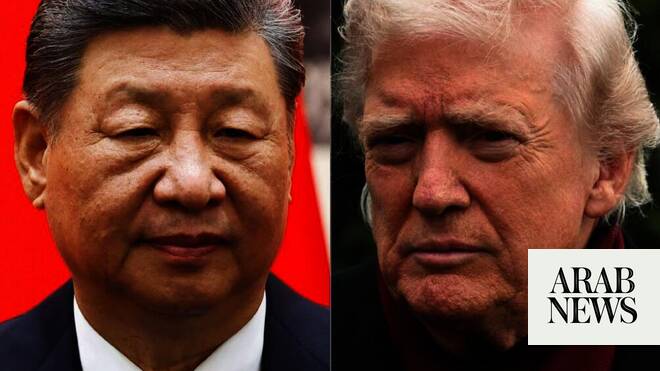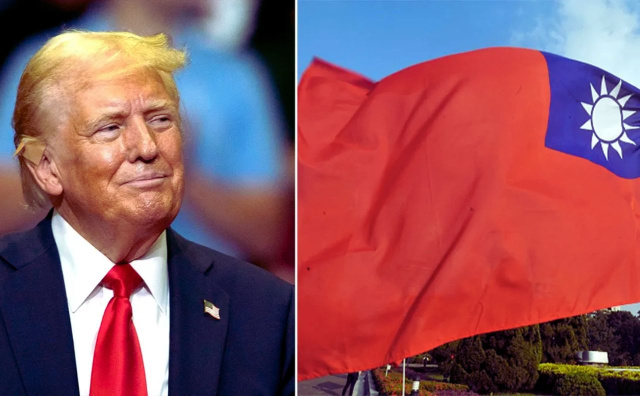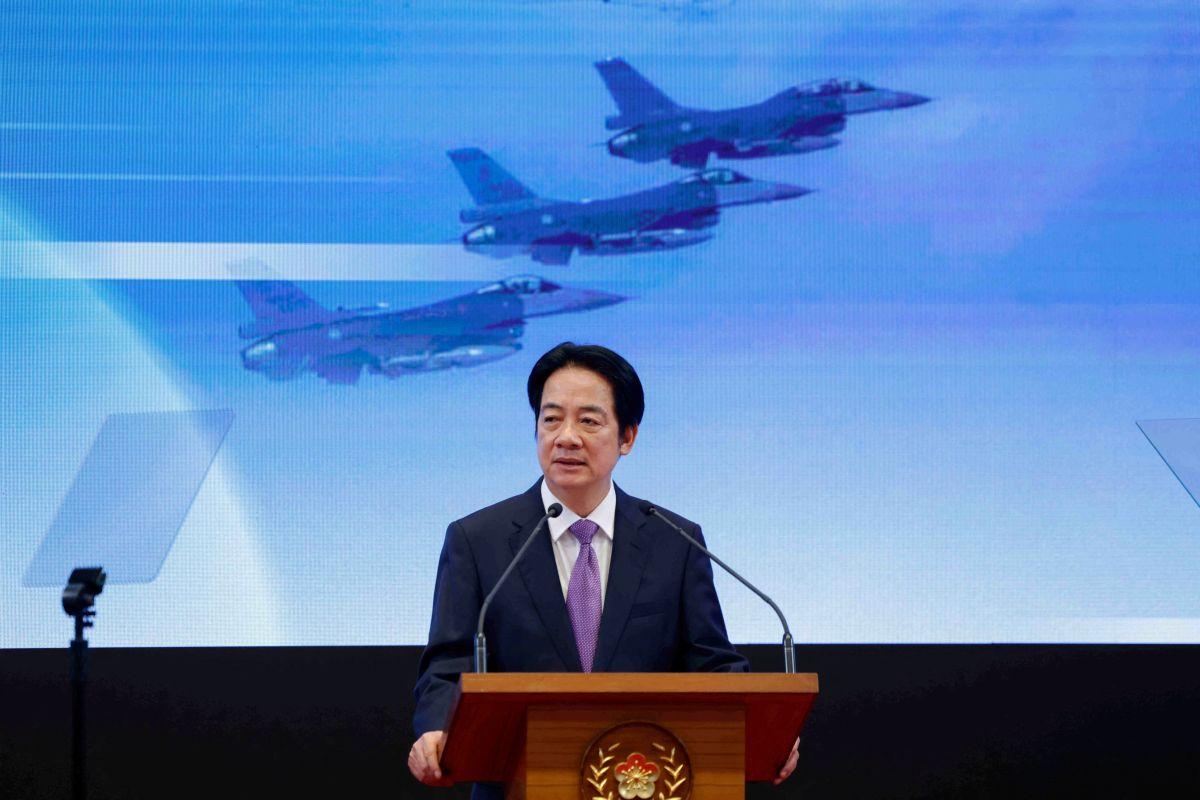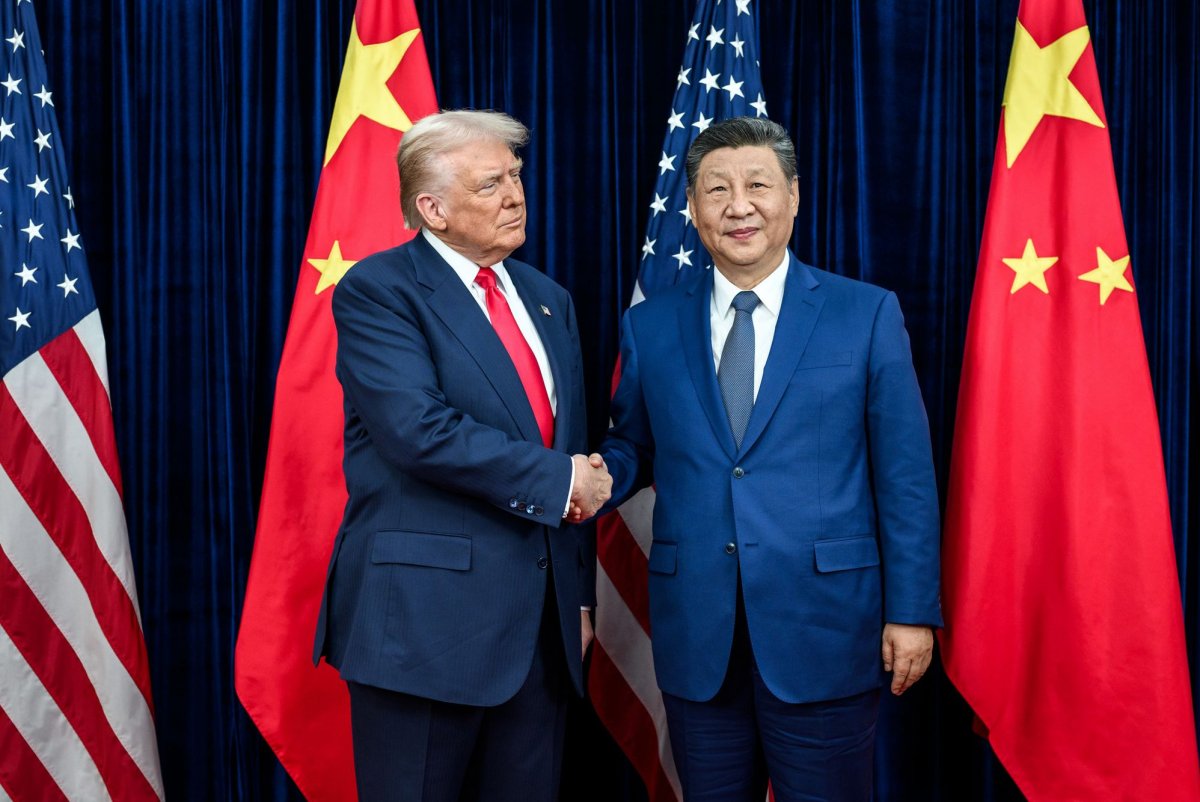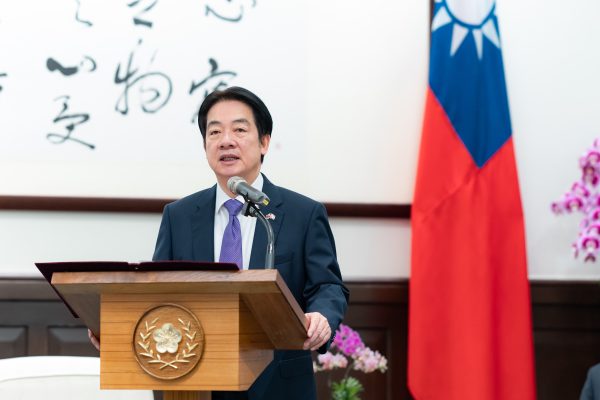
Within the span of four weeks, two planes told the story of Taiwan’s presence and absence in the world. One carried U.S. President Donald Trump to Beijing, where China’s leader Xi Jinping had every opportunity to press his case about Taiwan. The other was nearly prevented from reaching its destination: Taiwan’s president, Lai Ching-te, tried to fly to Eswatini, Taiwan’s only diplomatic ally in Africa, only to see three countries revoke overflight permission for his plane. Lai had to postpone his trip.
China is pressuring Taiwan by controlling access to and language about Taiwan – including by pressing foreign leaders to describe Taiwan in Beijing’s terms. The danger is that the world may misread Taiwan and misunderstand who is preserving peace and who is threatening it. That distorted framing was evident in Trump’s remarks following his trip to China. In an interview with Fox News, Trump said that Taiwan has “somebody there now that wants to go independent,” and implied that U.S. support encourages Taiwan to provoke Beijing. That is Beijing’s familiar narrative: Taiwan is seeking independence, Taiwan is provoking China, and Taiwan is therefore to blame for regional instability.
Yet as Trump was saying this, the People’s Liberation Army was continuing to send ships and aircraft around Taiwan, part of a grinding campaign that has become a near-daily pressure on Taiwan. In Taiwan, the goal is very clear: Taiwanese want peace, not provocation, and they want to preserve their democratic way of life.