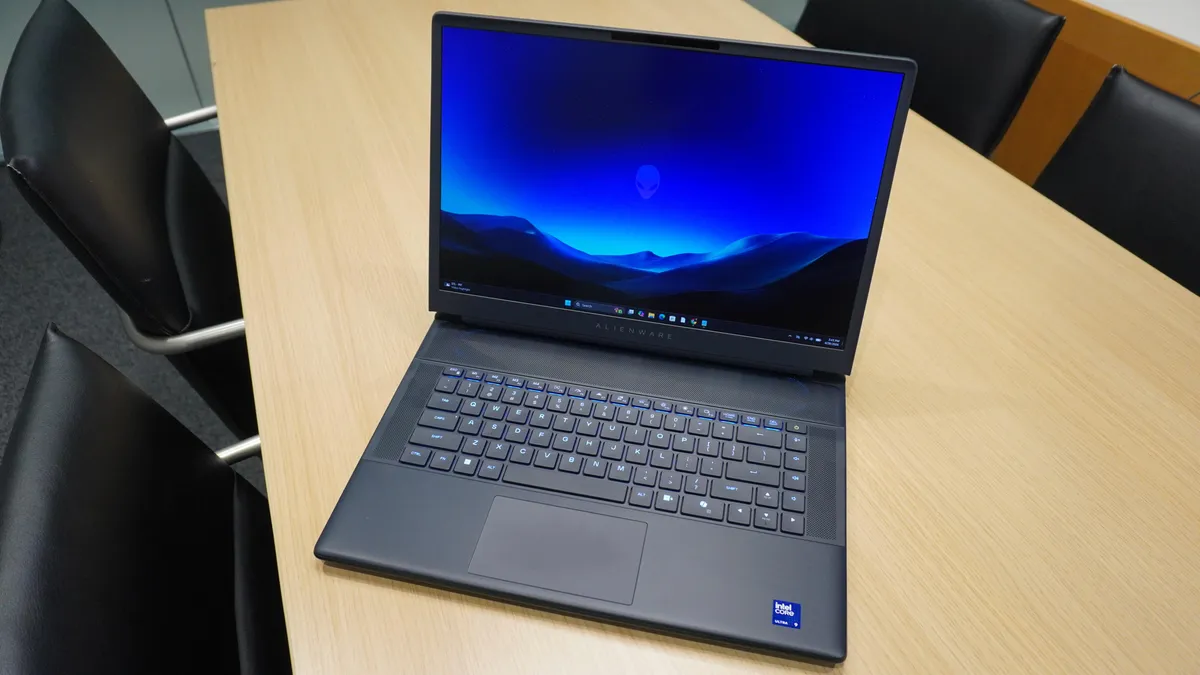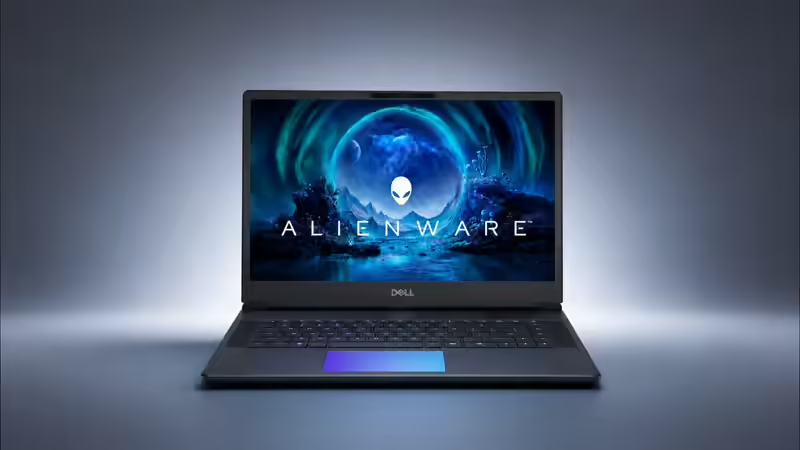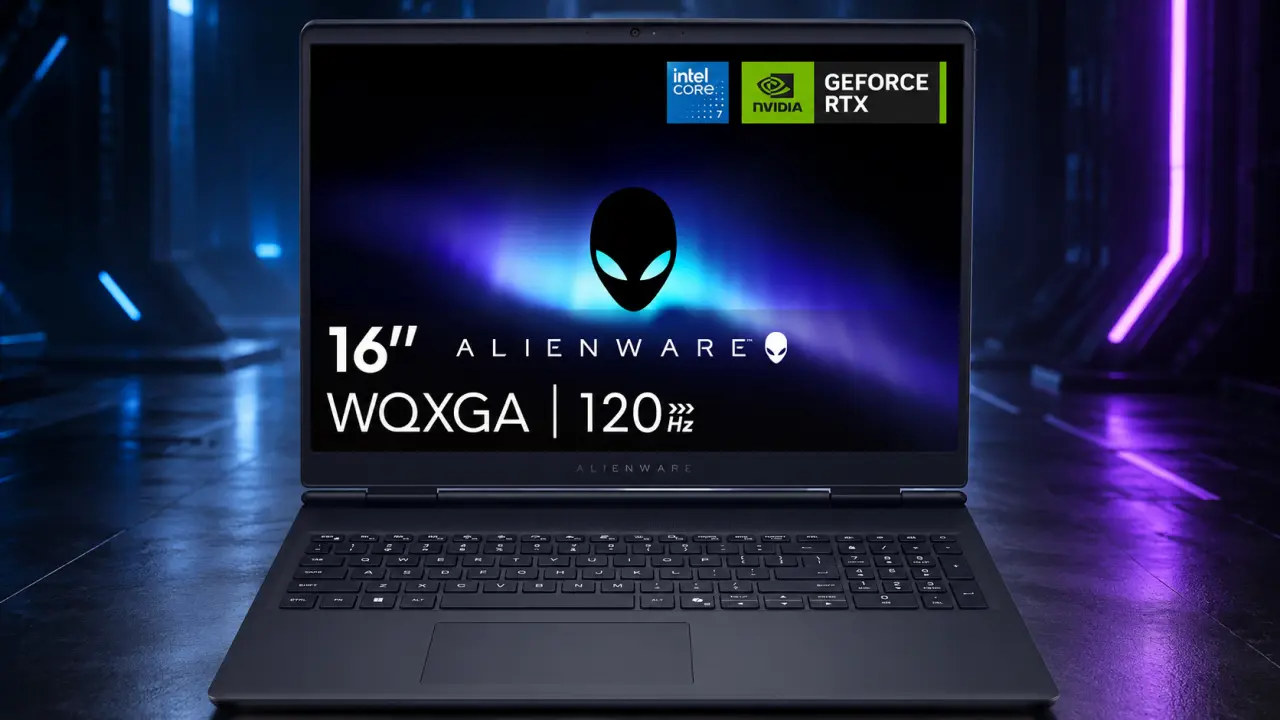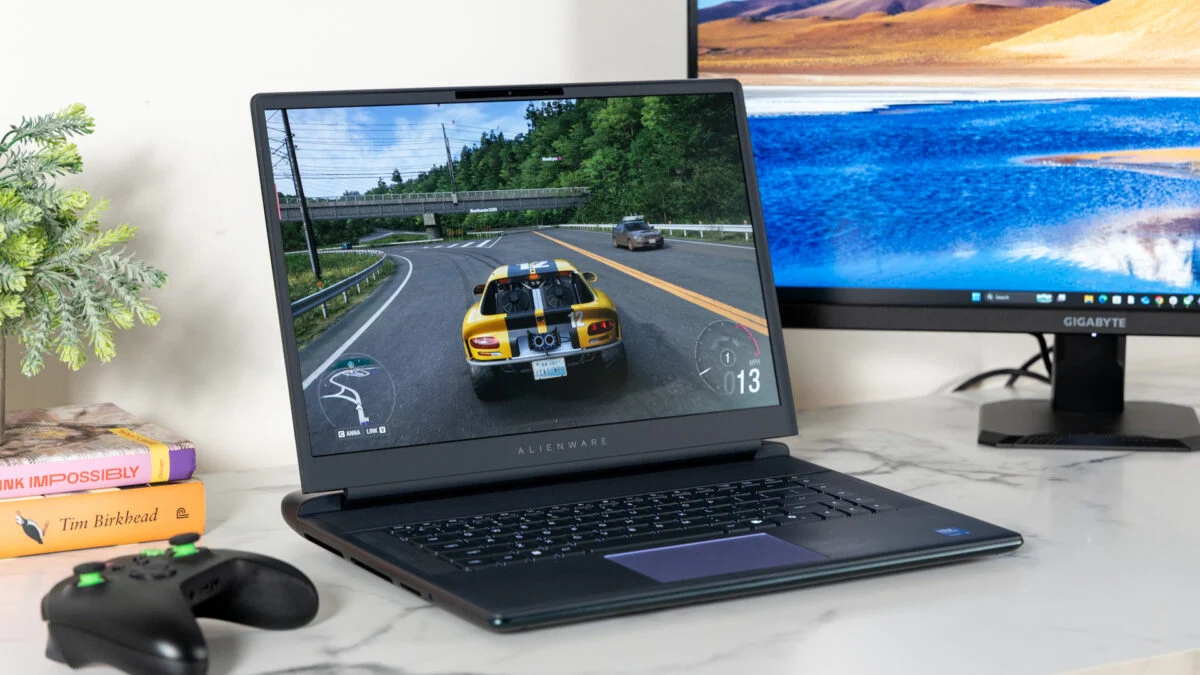
The Alienware 16 Area-51 (2025) didn’t need much to become an impeccable gaming laptop. Now, a year later, nearly all my major nitpicks have been resolved with the introduction of an OLED display. And for the sake of a laptop that may become your one true gaming desktop replacement, you’ll now have to spend at least $4,000 to hold this sucker in its peak form.
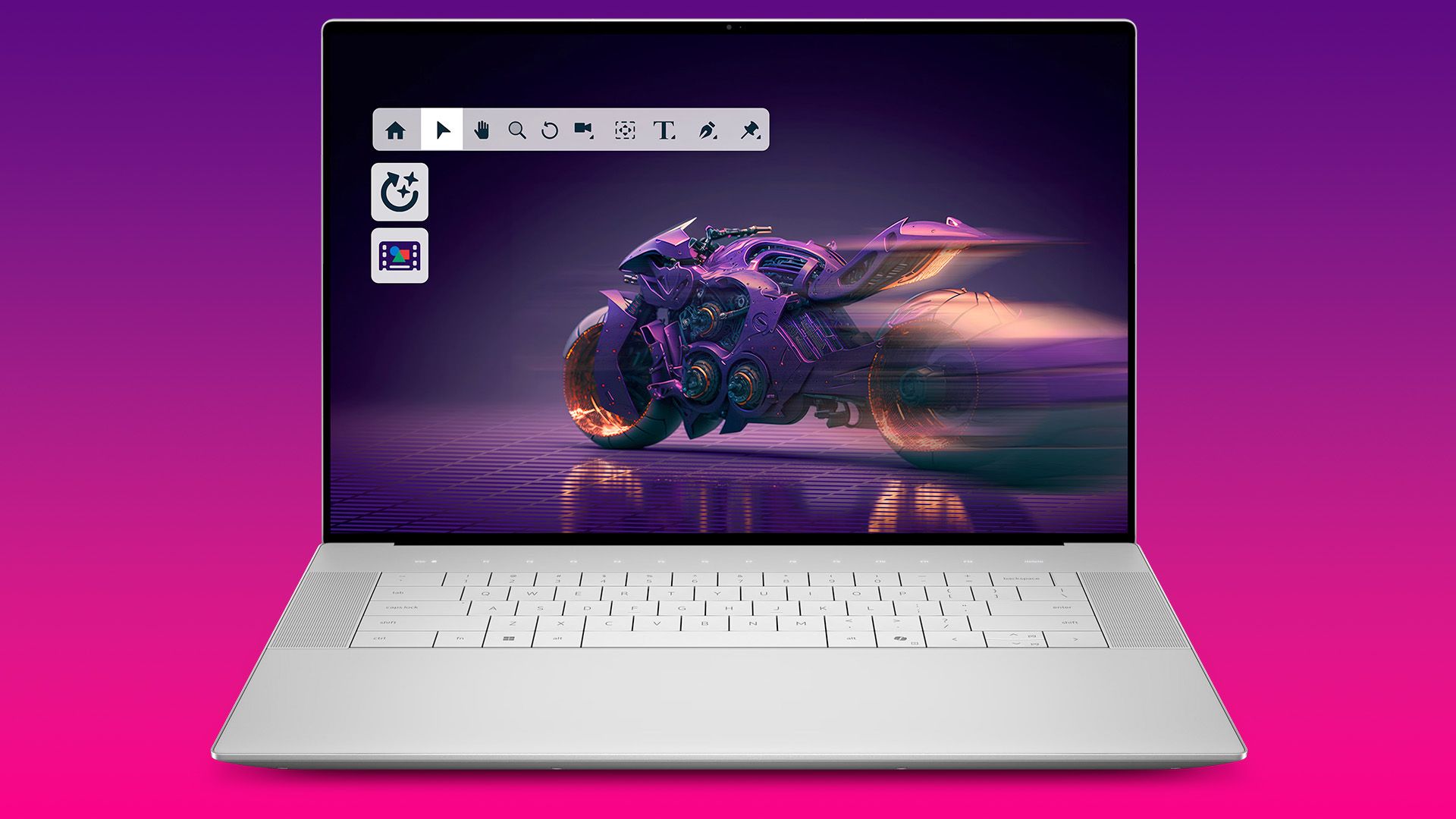
To put that into perspective, when I reviewed the 2025 Alienware 16 Area-51, a model with 32GB of RAM, an Nvidia GeForce RTX 5080 laptop GPU, and the Intel Core Ultra 9 275HX CPU, it cost $3,250 (now $3,680 because of the ongoing RAM shortage). The refreshed 2026 model has Intel’s upgraded Core Ultra 9 290HX Plus CPU for slightly enhanced gaming performance and the aforementioned improved screen. 4 Alienware 16 Area-51 (2026) An OLED screen combined with my favorite laptop keyboard are enough to recommend the Alienware 16 Area-51 (2026), but the price stings hard. Pros Excellent typing experience Beautiful OLED display Anti-glare keeps reflections at bay Great performance with high-end specs Quality speakers Cons The obscene (and rising) price Hefty and large Atrocious battery life Poor webcam quality My review unit for testing came with a 2TB SSD. The storage, along with the other high-end specs, makes this laptop cost $4,700 through Dell’s web store. Unfortunately, we’re in the era of the RAM apocalypse, baby. Nobody’s safe. Everyone’s screwed. Dell’s latest XPS 14 and XPS 16 laptops now cost close to $3,000. A new Alienware 15 laptop with bargain-bin configurations starts at $1,300. TL;DR: these upgrades alone are not worth a near-20% markup. Still, I adore the Alienware 16 Area-51 (2026) despite the obscene price and some typical faults. I can’t think of any other laptop I’ve used recently that I would want on my desk more than this 16-inch behemoth. Workout for the arms and a joy for the fingers I don’t want to stop typing on these low-profile mechanical keys. © Raymond Wong / Gizmodo When I sit down to review a laptop, I have to analyze the product with a degree of separation. I am not the customer who wants a giant workstation PC, and I have a greater soft spot for gaming-focused products. Let’s put it like this: when I was around 13 years old, my father gave me a hand-me-down Dell laptop. I was so determined to game on that chunky laptop that I would play Team Fortress 2 on PC at 20 fps, and only then by forcing the game to use DirectX 7 settings, which made every character in Valve’s classic shooter look like a vague blob of jagged edges. That’s how much I was determined to make PC gaming work.