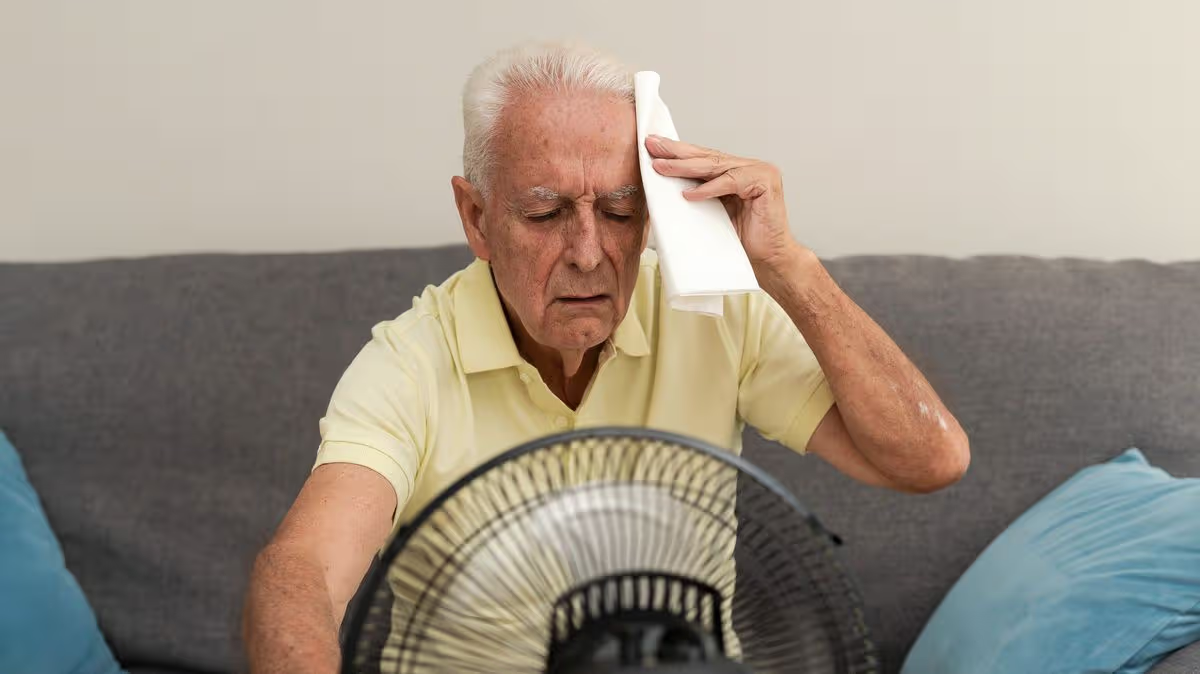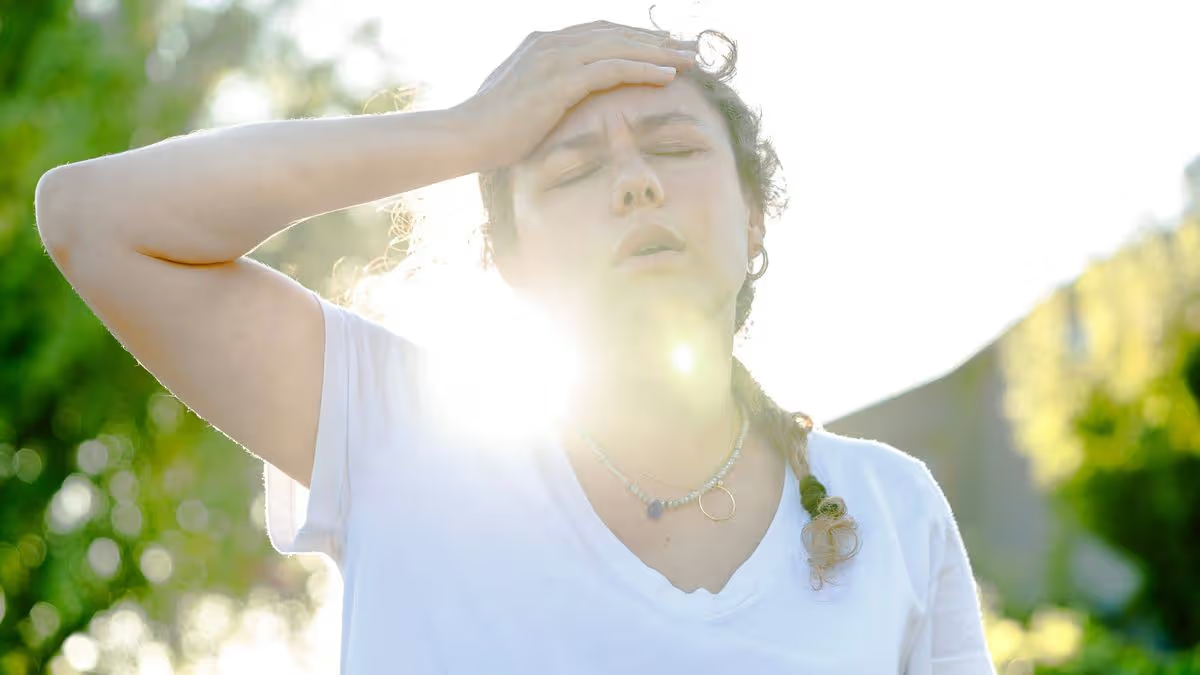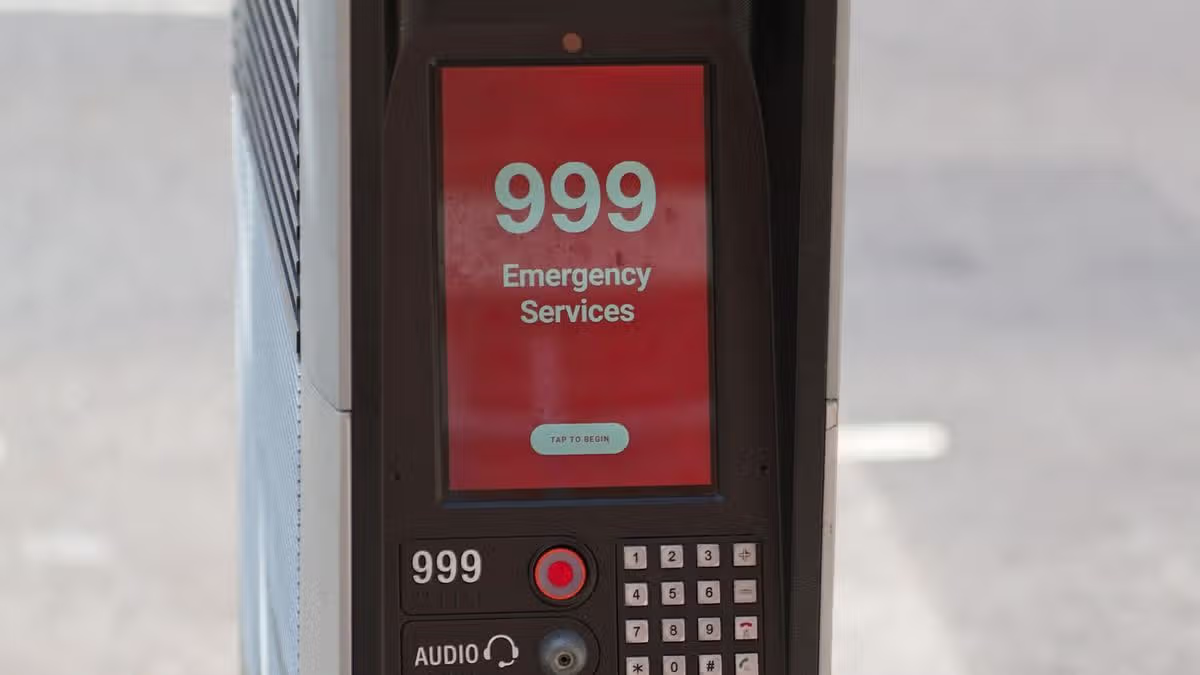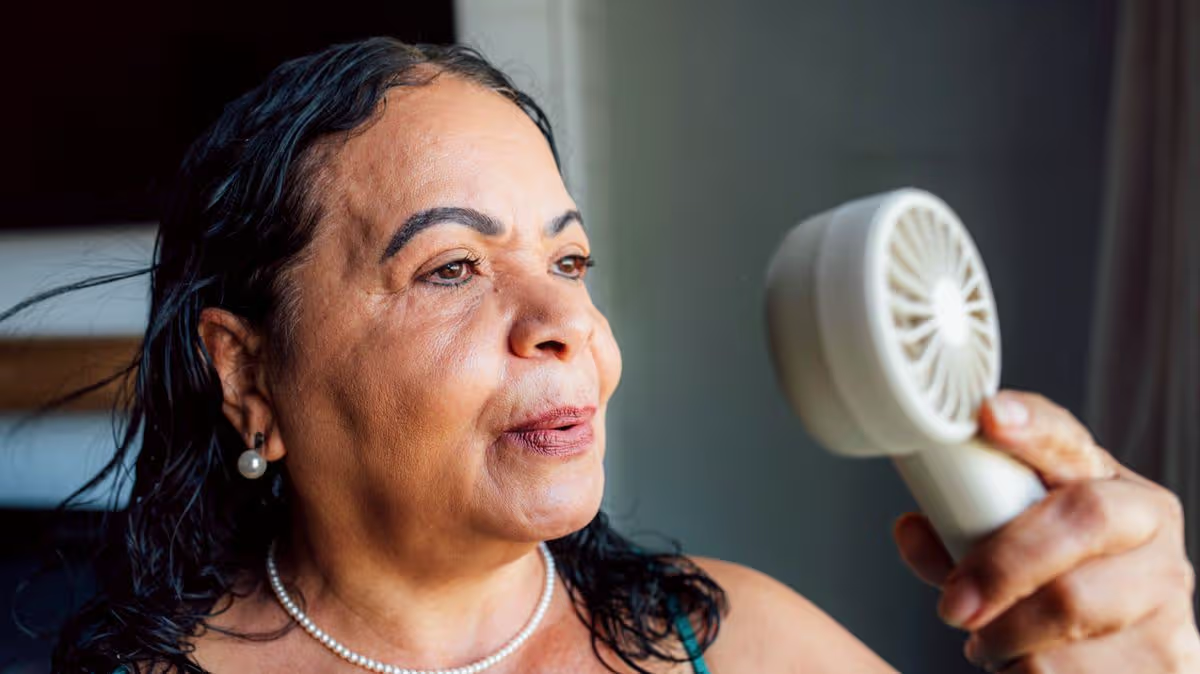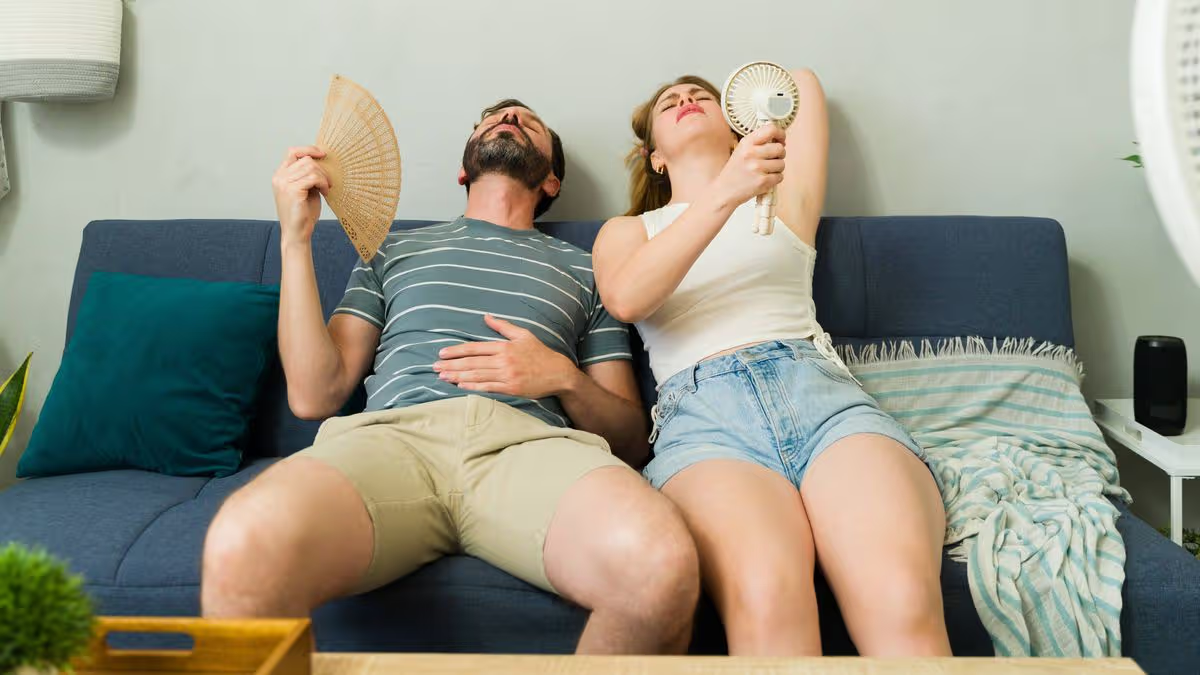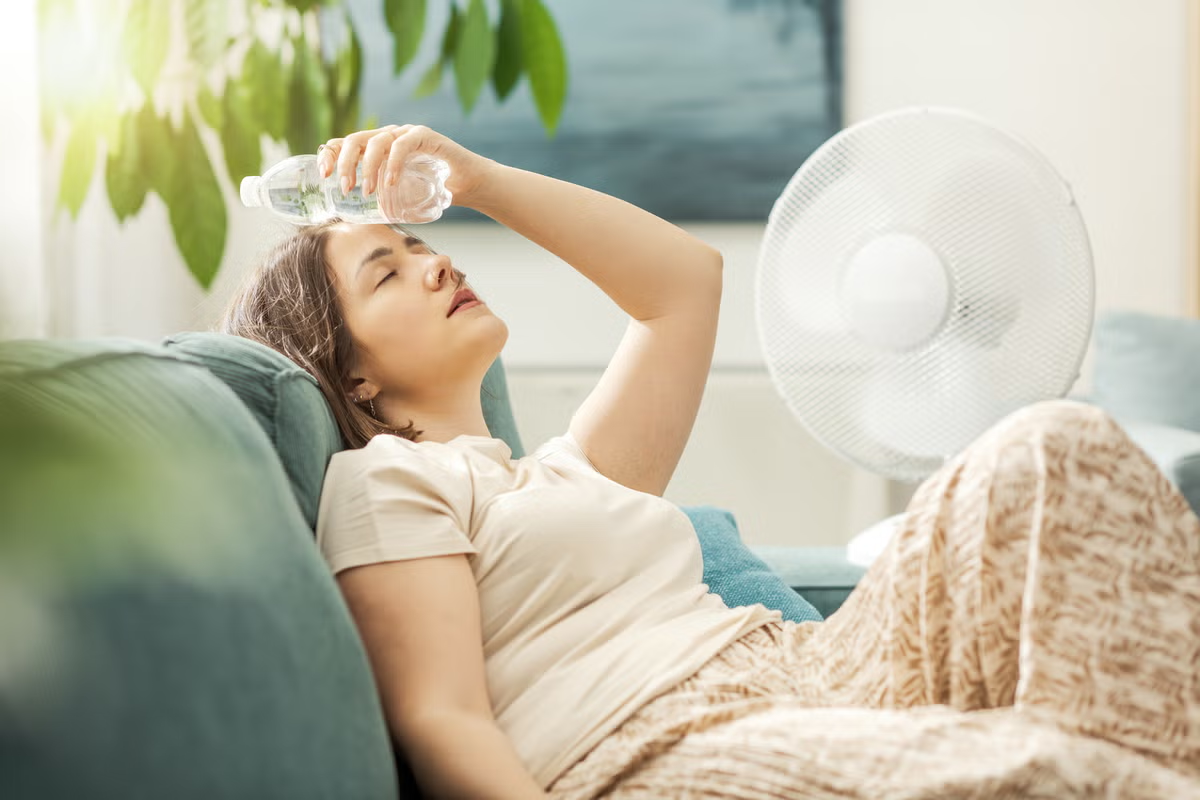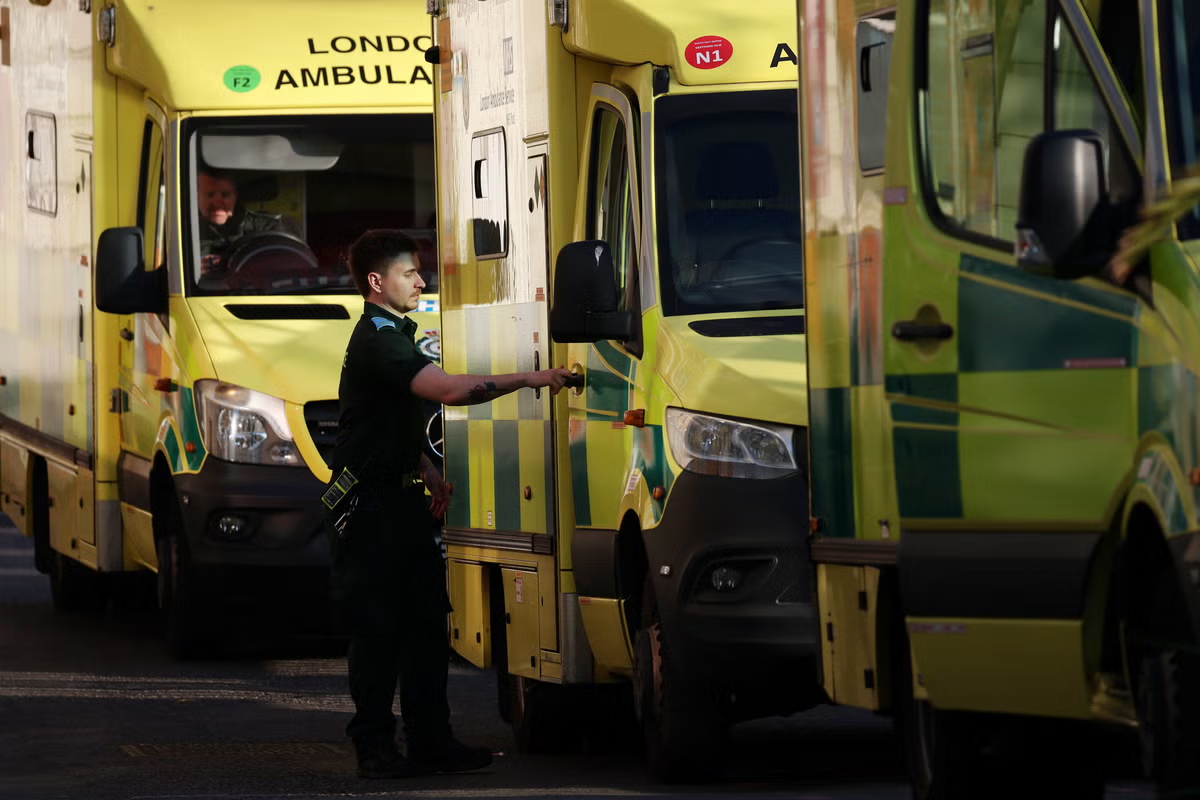
NewsHealthNHSHere's what the UKHSA says about heat exhaustion and heatstroke symptoms, and when to call 99916:00, 26 May 2026Health experts have revealed when to "call 999" if someone falls ill during hot weather. Heat stroke is a potentially dangerous condition if not treated promptly.With the UK experiencing scorching temperatures this May, it's vital to remain alert to any signs of heat exhaustion or heat stroke. On the Government website, the UK Health Security Agency (UKHSA) has issued guidance on keeping safe during hot weather.According to the health body, exposure to high temperatures forces the heart to work harder to pump blood closer to the skin's surface. The body also perspires more heavily in an attempt to regulate its temperature.However, the UKHSA warned: "The extra work for the heart and the lungs combined with fluid and salt loss can cause a range of problems. The combination of fluid loss/dehydration from sweating, with lower blood pressure as a result of all those extra dilated blood vessels, can lead to serious problems and can cause dizziness and fainting, or heat stroke."As dehydration worsens, people can experience heat cramps in their muscles, caused by the loss of crucial electrolytes that keep muscles functioning. The combination of these symptoms, as well as sickness or nausea, headaches, heavy sweating and tiredness is called heat exhaustion."Most people will not suffer these symptoms if they drink "plenty" of water and remain in the shade. However, certain groups are considered more at risk, including:Older peopleYoung childrenPregnant womenPeople with underlying heart or lung conditions"If someone is showing signs of heat exhaustion they need to be cooled down," the UKHSA said. Signs of heat exhaustion as listed by the NHS, include:TirednessDizzinessHeadacheFeeling sick or being sickExcessive sweating and skin becoming pale and clammy or getting a heat rash, but a change in skin colour can be harder to see on brown and black skinCramps in the arms, legs and stomachFast breathing or heartbeatA high temperatureBeing very thirstyWeaknessThere are four steps you can take to bring someone's temperature down, and they should start feeling better within 30 minutes:Move them to a cool placeGet them to lie down and raise their feet slightlyGet them to drink plenty of water. Sports or rehydration drinks are OKCool their skin – spray or sponge them with cool water and fan them. Cold packs around the armpits or neck are good tooThe UKHSA advised that you should remain with them until they recover and dial 999 if the person is:No better after 30 minutesStill feel hot and dryNot sweating even though they are too hotHas a temperature that's risen to 40C or aboveHas rapid or shortness of breath or is confused, has a fit or loses consciousnessThe UKHSA added: "These are all signs of heatstroke which is a medical emergency and can kill."Preventing heatstroke"There's a high risk of heat exhaustion or heatstroke during hot weather or exercise," the NHS says. To help prevent heat exhaustion or heatstroke the health body recommends you:Article continues belowDrink more cold drinks, especially if you're active or exercisingWear light-coloured, loose clothingAvoid the sun between 11am and 3pmAvoid excess alcoholAvoid extreme exerciseIf you find yourself indoors on a sweltering day, draw the curtains, shut the windows if it's warmer outside than inside your home, and switch off any electrical equipment and lights that generate heat. This will also ward off dehydration and assist your body in staying cool.Choose Daily Mirror as a 'Preferred Source' on Google News for quick access to the news you value.NHSPregnancyBlood pressureFitnessFitness And HealthHealthy LifestyleHealthy LifeHealth and LeisureHealth
UKHSA says when to 'call 999' if someone is unwell in the heat
Here's what the UKHSA says about heat exhaustion and heatstroke symptoms, and when to call 999
588 words~3 min read