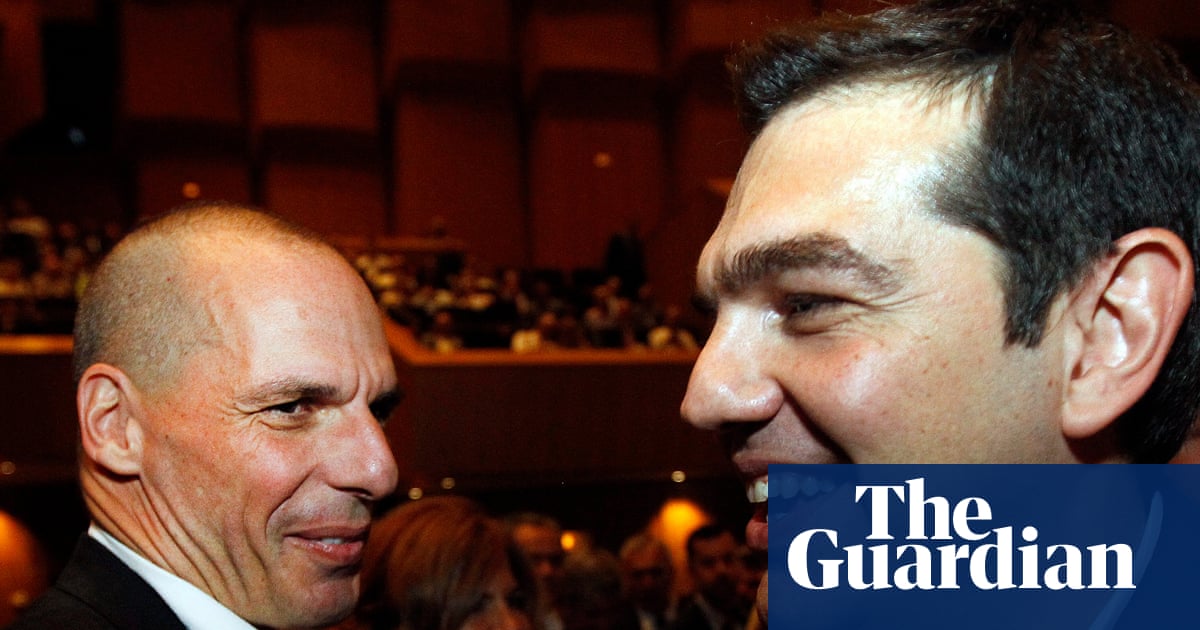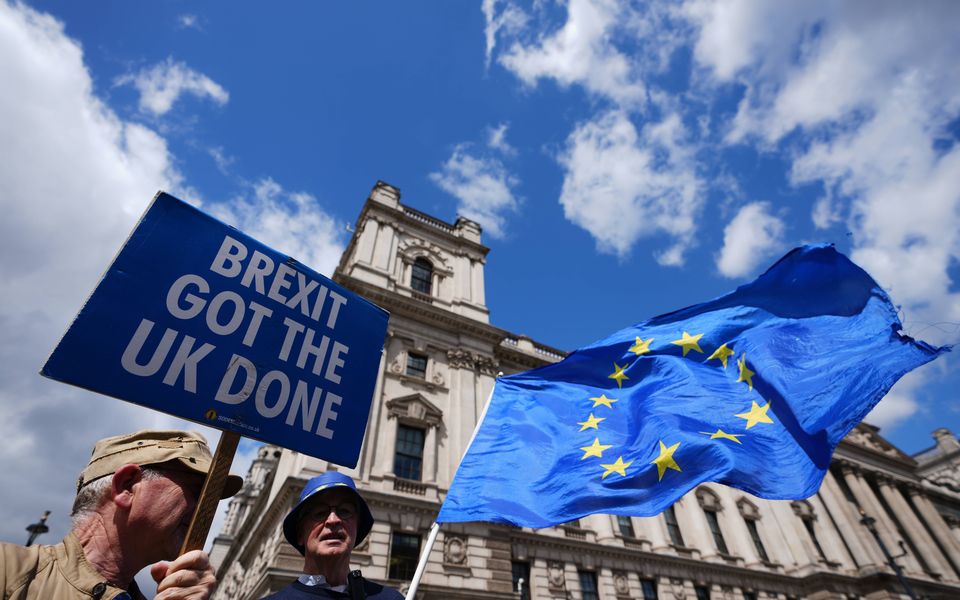
When Greece descended into crisis in the years after 2008, no country played a more malign role than Britain. British policymakers and commentators – convinced by the pound’s humiliating ejection from the European Exchange Rate Mechanism in 1992 that the euro was doomed to failure – slyly and shamefully goaded Greece toward the abyss with destabilizing comments. To this day, Yanis Varoufakis is lionized by much of the British media, treated as a sage – oblivious to the deep cost his antics inflicted on the Greek economy.
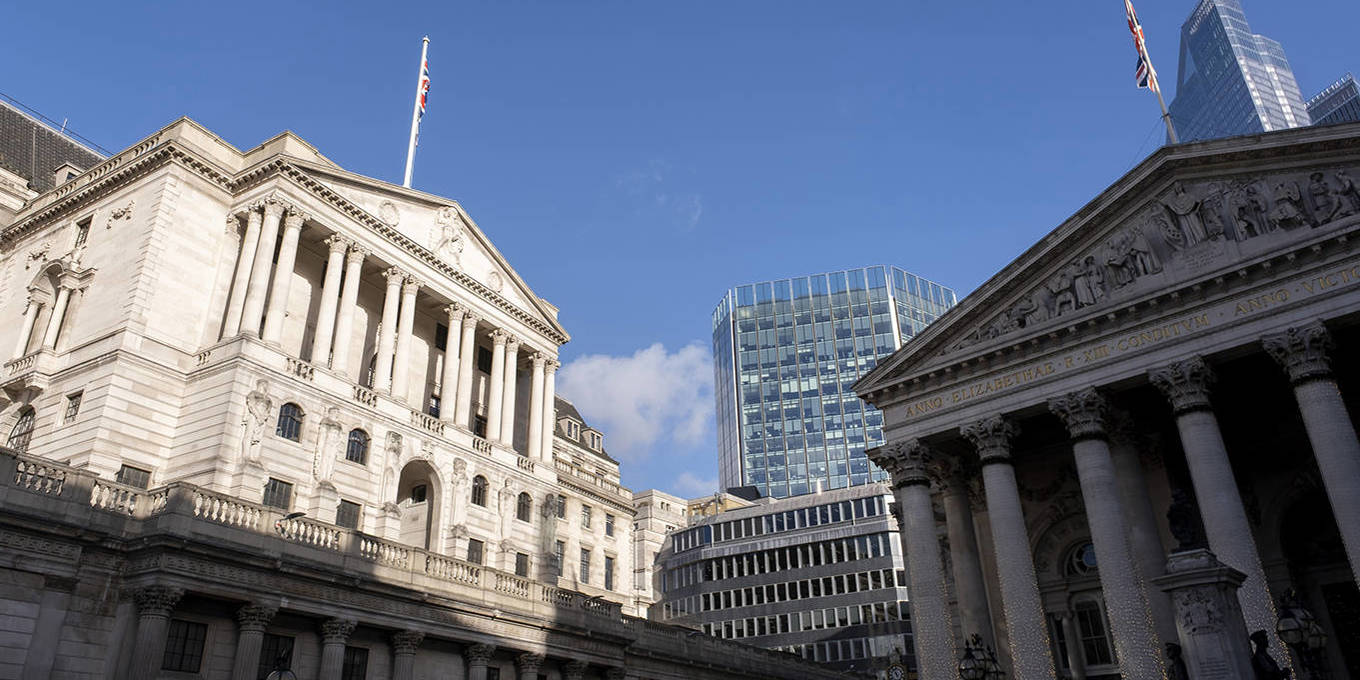
It is ironic, then, that Britain has now fallen into the sights of the bond vigilantes, amid investor concerns over its political stability and debt sustainability. Those fears are well-grounded. The country may be about to install its seventh prime minister in 10 years; the UK economy is forecast to grow by just 0.7% this year – compared to more than 2% in Greece. UK debt to GDP is approaching 100%. Perhaps most embarrassingly, Britain must now pay more to borrow than Greece: its 10-year gilt yield trades 1.2 percentage points higher, at 5.1%. Greeks, which lived through the condescension of the crisis era, could be forgiven a wry smile.
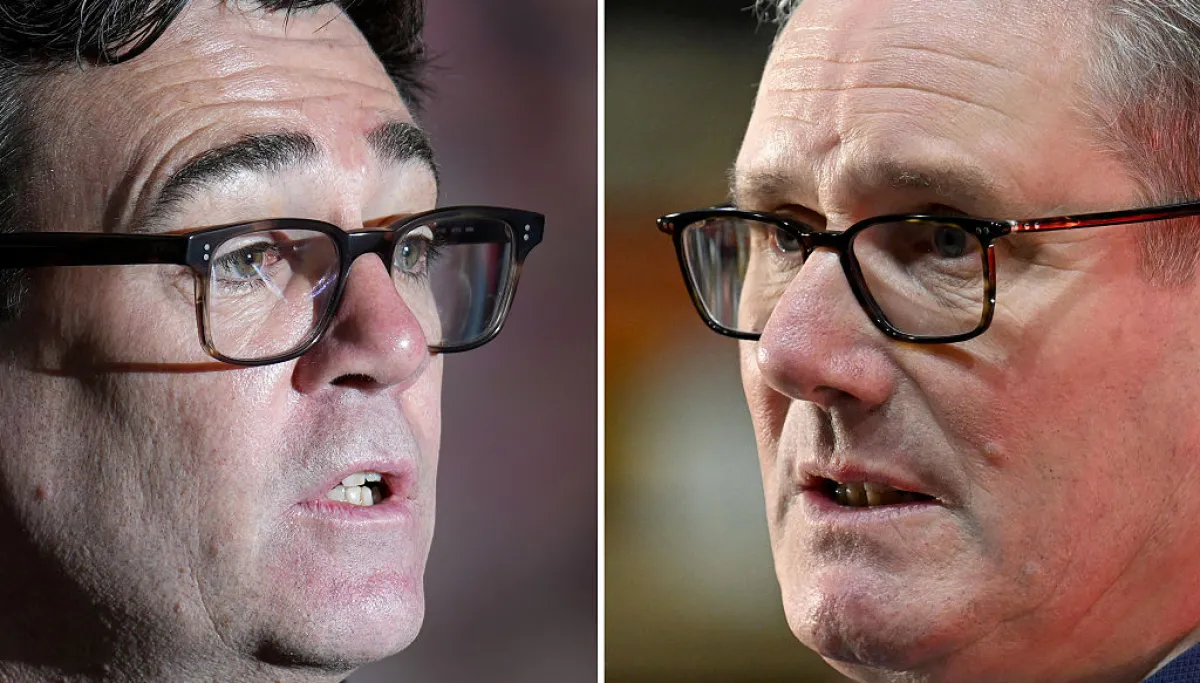
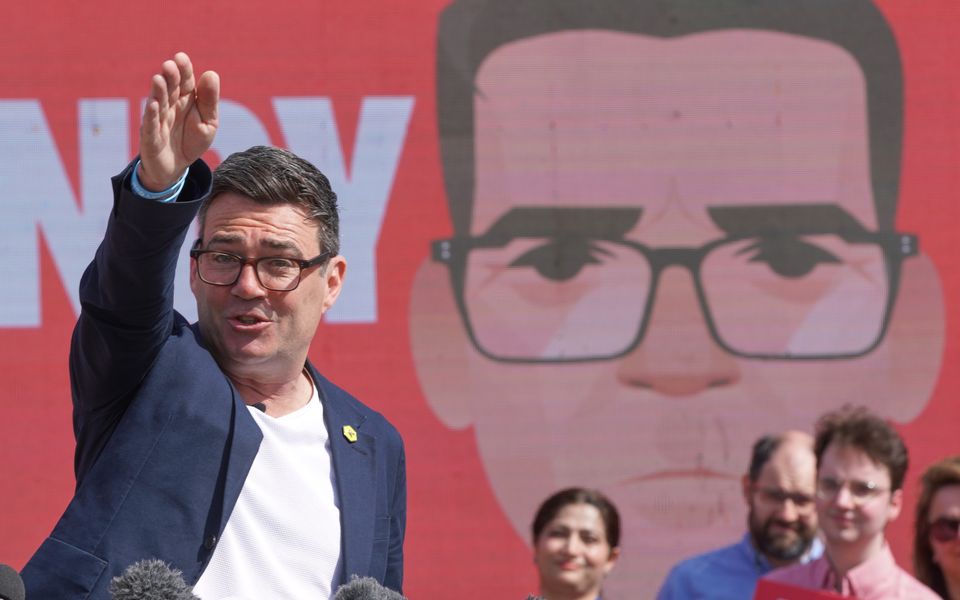
No wonder the UK media is filled with pundits asking whether Britain has become ungovernable. It has not – but it has had a series of prime ministers who have proved very poor governors, of which Sir Keir Starmer has proved one of the least capable. His inability to tell a compelling story or assemble a team of competent advisers has left his party urgently seeking a replacement less than two years after Labour won a landslide victory. Those lining up to take his place – including Manchester Mayor Andy Burnham and former health minister Wes Streeting — are at least much better communicators.