Home
Stocks
At $4.95 trillion, Taiwan displaces India from 5th spot in market-cap
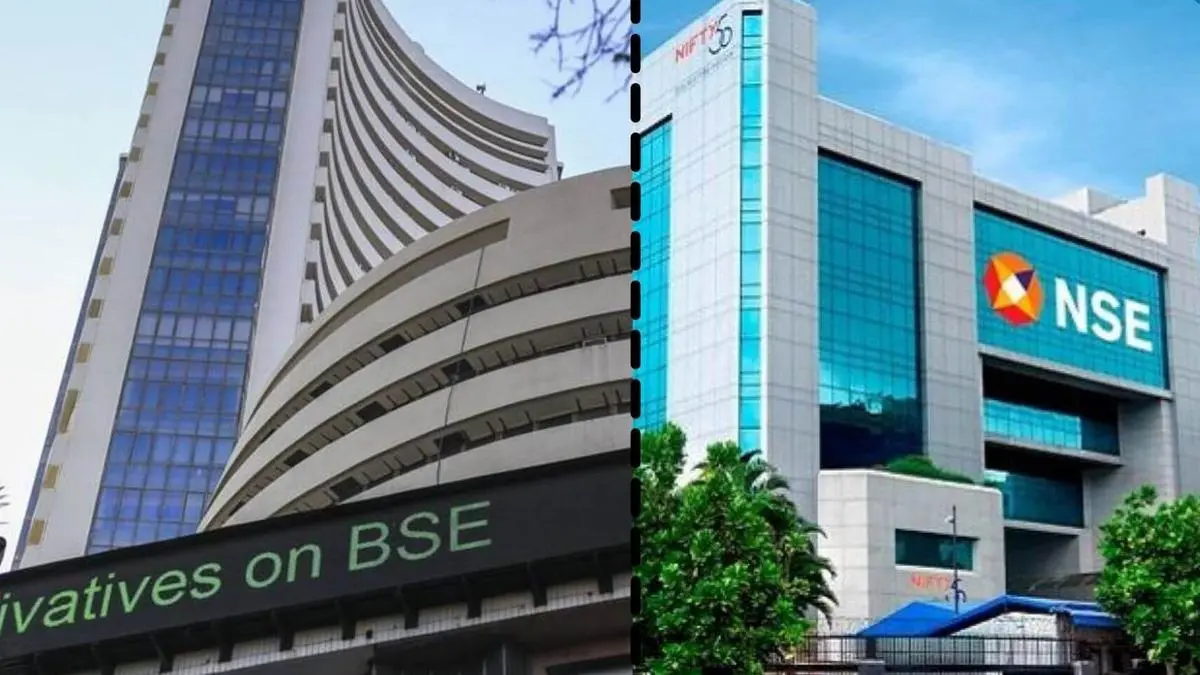
Markets were also volatile due to two successive settlement days of monthly contracts on the NSE and BSE
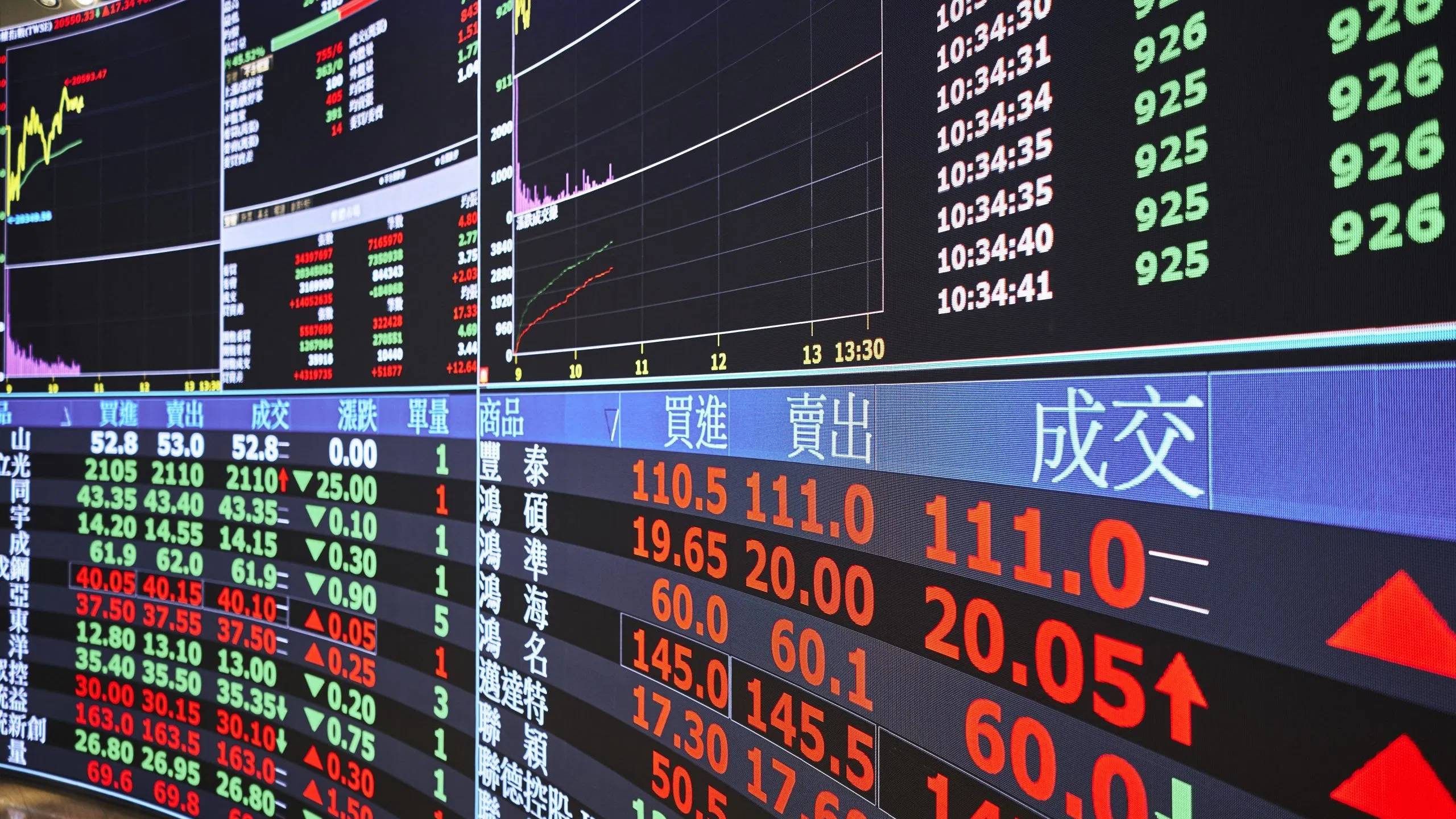
Broader markets stole the limelight on Tuesday even as benchmark indices faced headwinds. The Nifty Midcap100, in fact, hit fresh all time high at 62365.25 even as Taiwan displaced India from fifth spot in terms of market capitalisation.The Sensex closed 479 points, or 0.63 per cent, lower at 76,009.70, while the Nifty fell 118 points, or 0.49 per cent, to settle at 23,913.70 — slipping back below the 24,000 mark it had reclaimed just the previous session. The index hit an intraday high of 24,089.80 before sellers took control, dragging it to a low of 23,885.45 before a slight recovery into close.According to Bloomberg data, Taiwan with a market-cap of $4.95 trillion replaced India ($4.92 trilllion) at fifth spot, behind US, China, Japan and Hong Kong. Chip making major Taiwan Semiconductor Manufacturing Co led the rally for Taiwan.Contract expiryMarkets were also volatile due to two successive settlement days of monthly contracts on the NSE and BSE. While May contracts on the NSE expired today, on the BSE, they will expire on Wednesday.The Nifty Midcap 100 index closed 0.54 per cent higher at 62,299 and the Smallcap 100 advanced 0.4 per cent.“The news of renewed US military action in the Middle East dampened hopes of an immediate US-Iran peace agreement, thereby weighing on market sentiment and pushing Brent crude prices back toward the $98 per barrel mark,” said Ajit Mishra, SVP-Research at Religare Broking.Despite volatility in frontline indices, the Nifty Midcap100 index surged to a fresh all-time high, supported by growth-oriented stocks such as Adani Total Gas, Exide Industries, Naukri, KPIT and JSW Energy, said Siddhartha Khemka - Head of Research, Wealth Management, Motilal Oswal Financial Services Ltd. “The resilience in broader markets despite prevailing global uncertainties reflects sustained domestic liquidity participation,” he added.Sudeep Shah, Head of Technical and Derivatives Research at SBI Securities, pointed out that the ratio charts of both Midcap and Smallcap indices relative to the Nifty continue to trend higher, confirming structural outperformance. The Midcap 100’s current price-to-earnings ratio stands at 29.94 and price-to-book at 4.88. The index is up 9.17 per cent over the past year and 143.68 per cent over five years.The rupee felt the pressure promptly. After a three-day winning run, it snapped lower, falling around 45 paise to close at 95.68 to the dollar. The USD/INR move back above the ₹95.5 zone rekindled worries about India’s import bill and inflation trajectory. On the bullion front, MCX Gold also slipped around ₹900 to near ₹1,58,150, weighed down by the same cocktail of geopolitical uncertainty and a firmer dollar, after repeatedly failing to clear the ₹1,61,000 resistance zone.Metal stocks shineSectorally, the session had a clear split. Metal stocks — supported by rising global commodity prices in aluminium, copper, and zinc — emerged as the standout outperformers, with the Nifty Metal index gaining over 1.2 per cent. Stocks including Hindalco, Vedanta, and Lloyds Metals drew institutional interest.Nifty Energy also closed in positive territory. Banking was the weakest link, with private lenders such as Axis Bank and Kotak Mahindra Bank, as well as PSU bank counters, all under pressure from expiry-related selling and tightening liquidity concerns. Consumer Durables and Realty also ended in the red.Elevated crude prices over the past fortnight have already fed into petrol, diesel, and CNG price hikes — petrol and diesel up cumulatively ₹8-10 per litre in several cities, CNG in Delhi now around ₹83 per kg. Fuel-intensive sectors including aviation, logistics, paints, and cement are expected to stay under cost pressure, while oil marketing companies face margin risk if crude stays elevated.“A gradual up-move in domestic markets could continue if crude oil prices remain soft,” said Khemka but added that mixed signals from the U.S.-Iran negotiations and the Strait of Hormuz situation are keeping energy markets “highly sensitive to every geopolitical development.” Beyond that, upcoming U.S. Core PCE inflation and GDP data could move the needle on Fed rate expectations — and with it, the direction of the dollar, gold, and risk appetite across emerging markets.Published on May 26, 2026