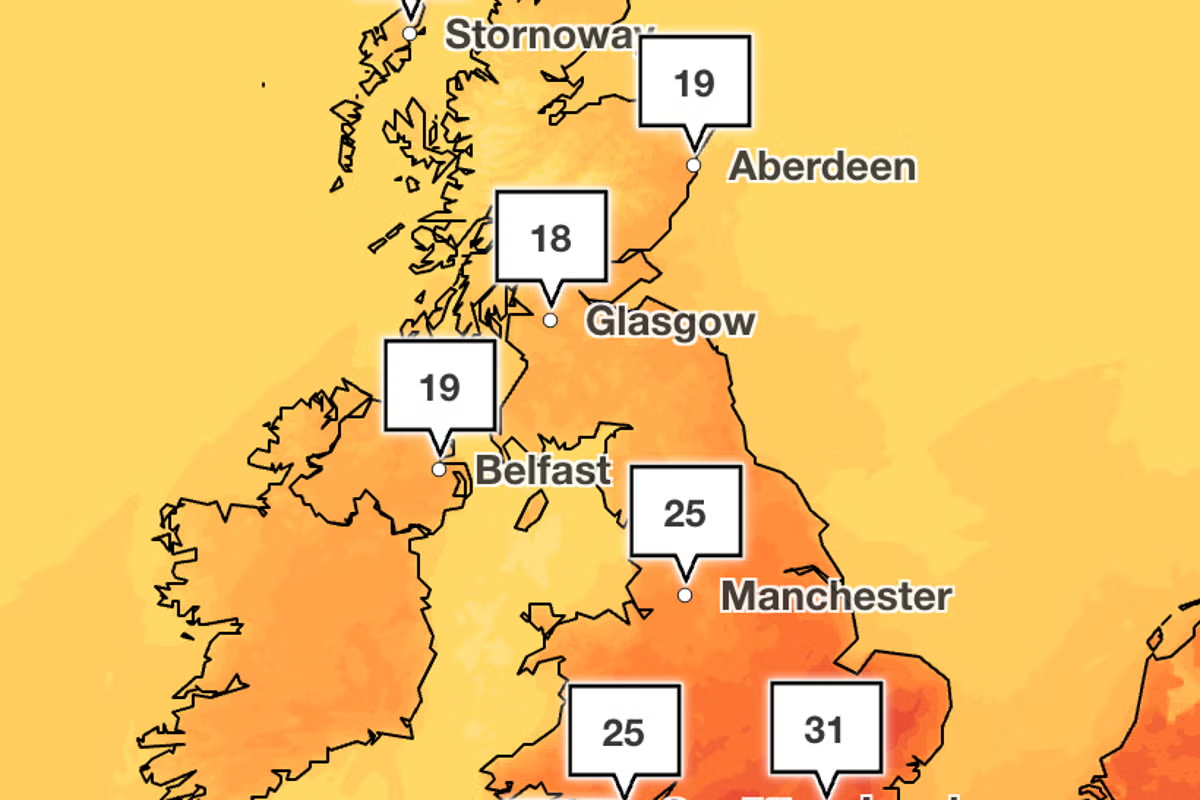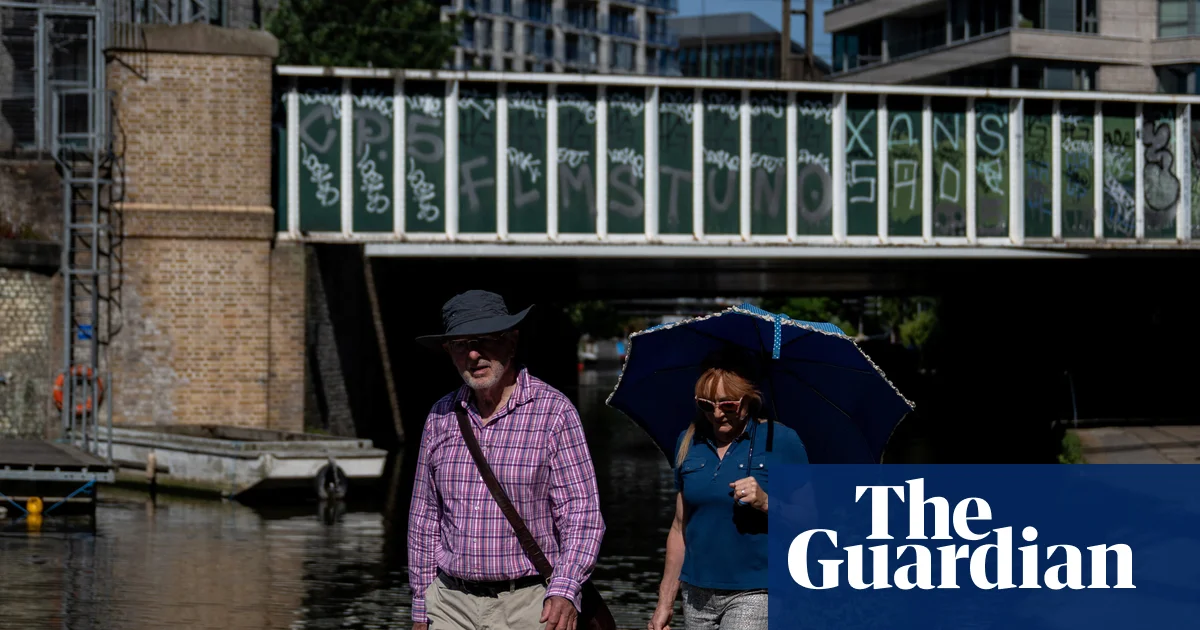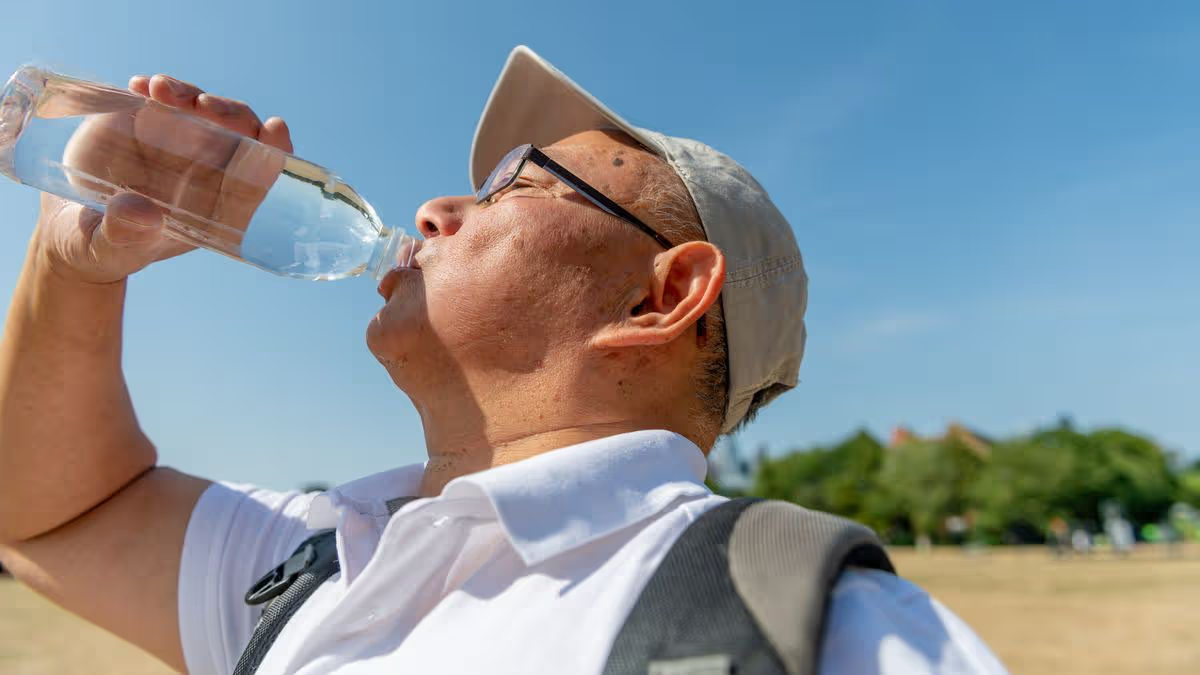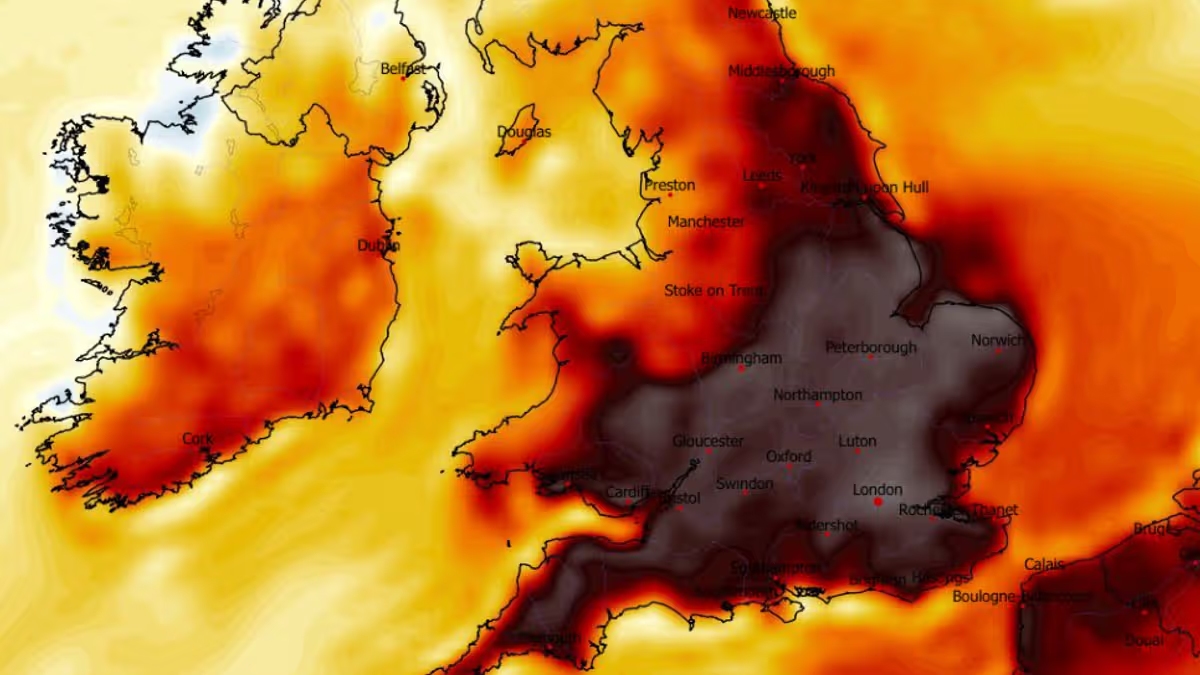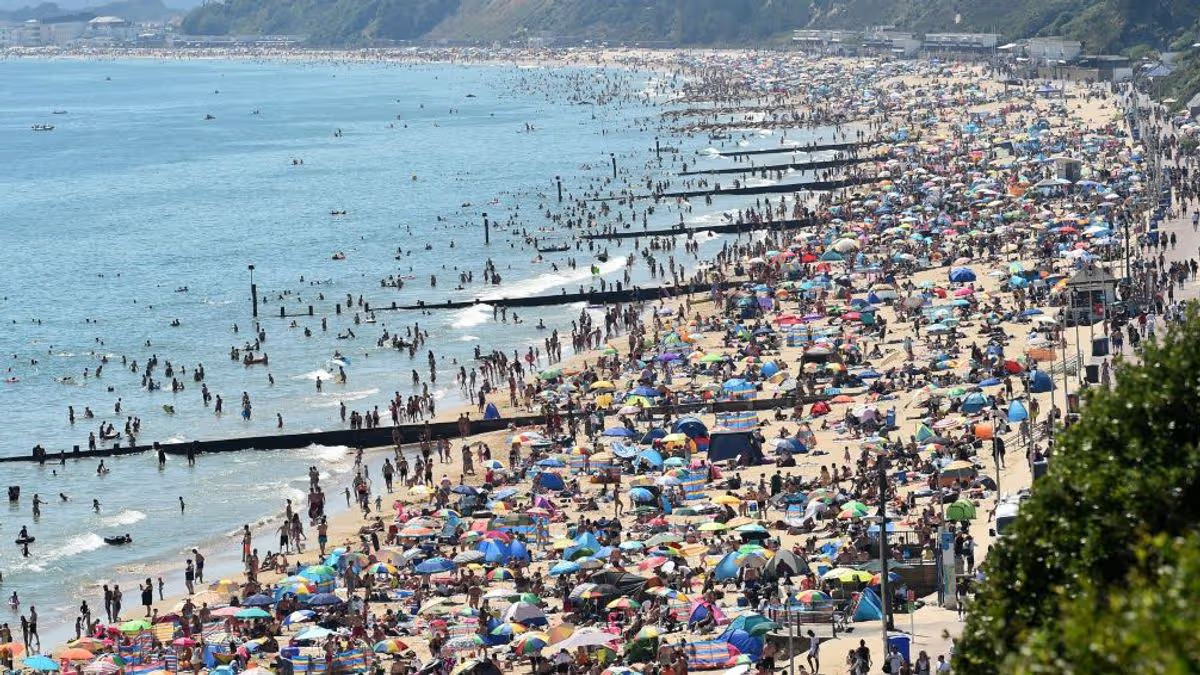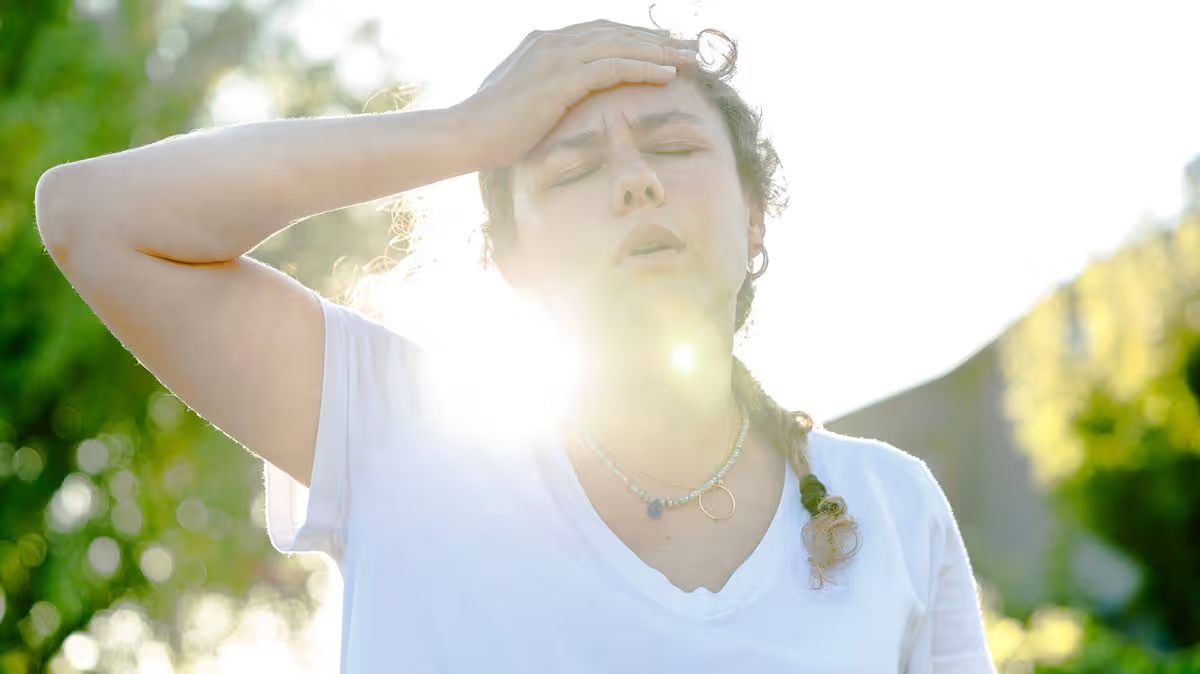
The Met Office and the British Red Cross said everyone shown 'know the signs'15:24, 26 May 2026As the scorching weather continues throughout the week following the hottest May bank holiday ever recorded, Brits are being urged to 'know the symptoms' of two prevalent conditions that can arise from excessive sun exposure.In a joint statement released by the Met Office and the British Red Cross, the public is being warned about what to watch out for as temperatures remain around 30°C or higher across parts of the UK. People could be at risk of a serious condition that might need 999 intervention.The post said: "Spot the signs! With the warmer temperatures continuing into this week, it's important to know the symptoms and what to do if you're affected by heat exhaustion or heat stroke."While certain symptoms overlap, such as headaches and dizziness, understanding the distinction will help people determine whether someone simply needs to cool down or requires urgent medical attention. Heat exhaustion may present as nausea, rapid breathing, cramps, or appearing paler than normal.Heat stroke may have taken hold if the skin feels "hot and dry" and the body temperature exceeds 40°C. People have been known to become "confused or unresponsive" when suffering from heat stroke, reports the Express. The British Red Cross says: "In case of heat stroke, call 999."Content cannot be displayed without consentWhat is the difference between heat exhaustion and heat stroke?According to the NHS website, the crucial difference between these two health concerns is: "Heat exhaustion does not usually need emergency medical help if you can cool down within 30 minutes. If it turns into heatstroke, it needs to be treated as an emergency."The signs of heat exhaustion are generally the same in both adults and children, though youngsters may also show irritability. Anyone showing symptoms of heat exhaustion requires immediate cooling down and rehydration.How to help someone with heat exhaustionShould someone be suffering from heat exhaustion, follow the four NHS steps. It says: "Stay with them until they're better. They should start to cool down and feel better within 30 minutes."Move them to a cool place.Remove all unnecessary clothing, like a jacket or socks.Get them to drink a sports or rehydration drink, or cool water.Cool their skin – spray or sponge them with cool water and fan them. Cold packs, wrapped in a cloth and put under the armpits or on the neck are good too.Do not use ice baths or apply ice packs directly to bare skin. This can cause the blood vessels to constrict and trigger shivering, which traps or generates more body heat. Avoid energy drinks, fizzy drinks, tea, and coffee as caffeine can worsen dehydration.How to prevent heat exhaustion and heatstrokeThe risk of heat exhaustion or heatstroke is significantly elevated during hot weather or physical exertion. To help prevent heat exhaustion or heatstroke:drink more cold drinks (especially if you're active or exercising)wear clothes that are light-coloured and looseavoid the sun between 11am and 3pm (the hottest parts of the day)avoid excess alcohol and extreme exerciseIf you're inside on a very hot day, close the curtains and windows if it's hotter outside than in your home and turn off electrical equipment and lights that get hot. Taking all these steps can also help prevent dehydration and keep your body cool.Article continues belowChildren, older people and people with long-term health conditions (such as diabetes or heart problems) are more at risk of heat exhaustion or heatstroke. For more advice, click here for NHS hot weather guidance.
Health alert issued as Brits warned of 30C UK heatwave 'danger'
The Met Office and the British Red Cross said everyone shown 'know the signs'
583 words~3 min read