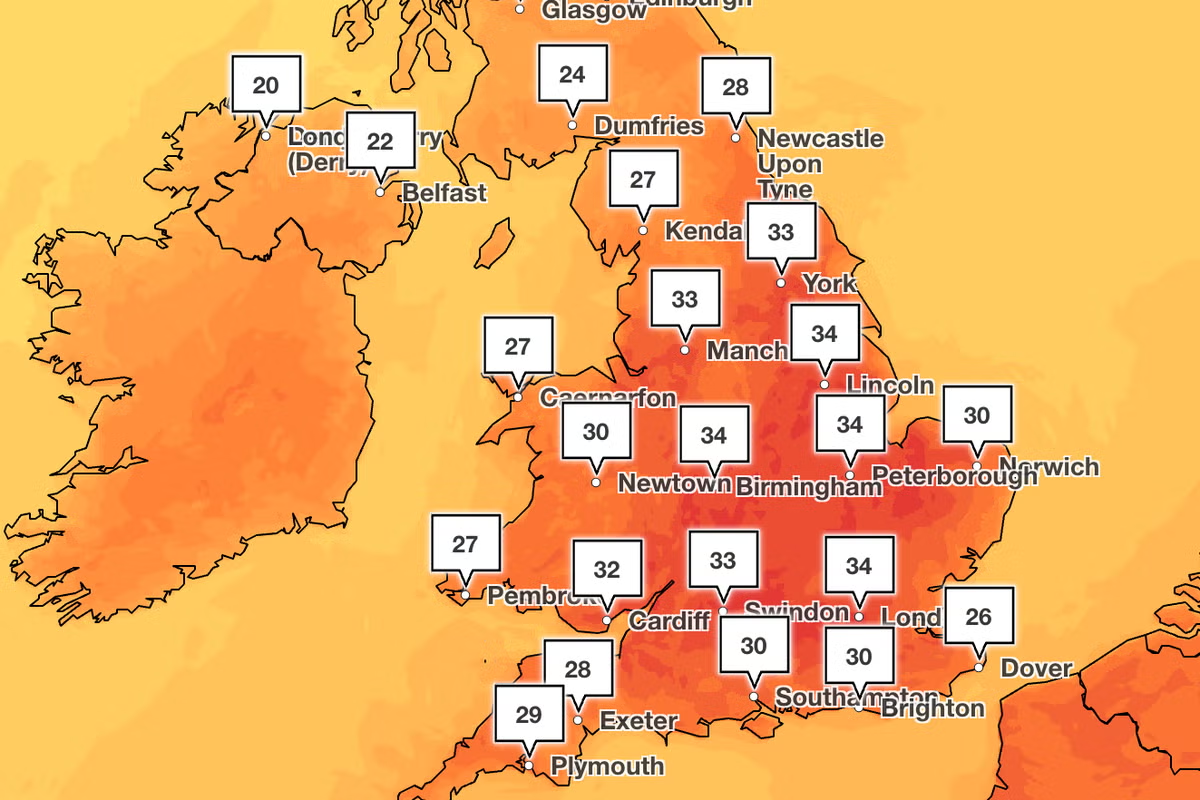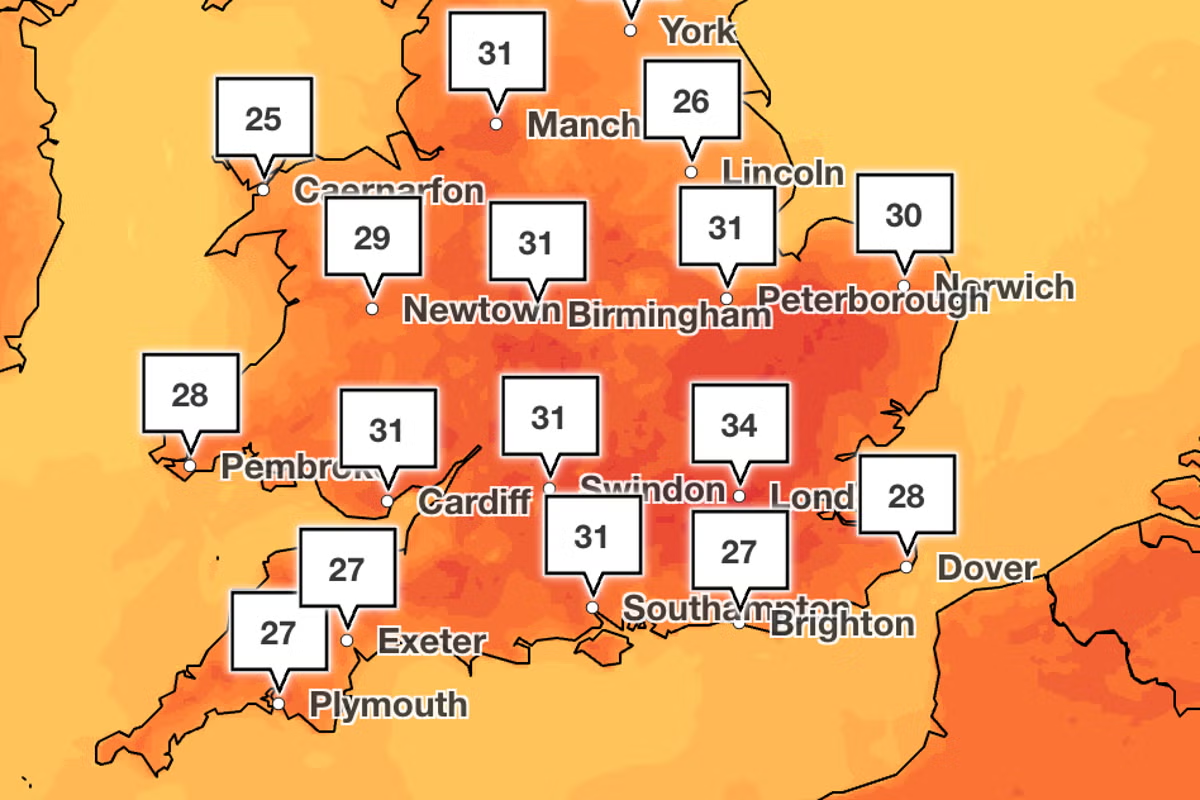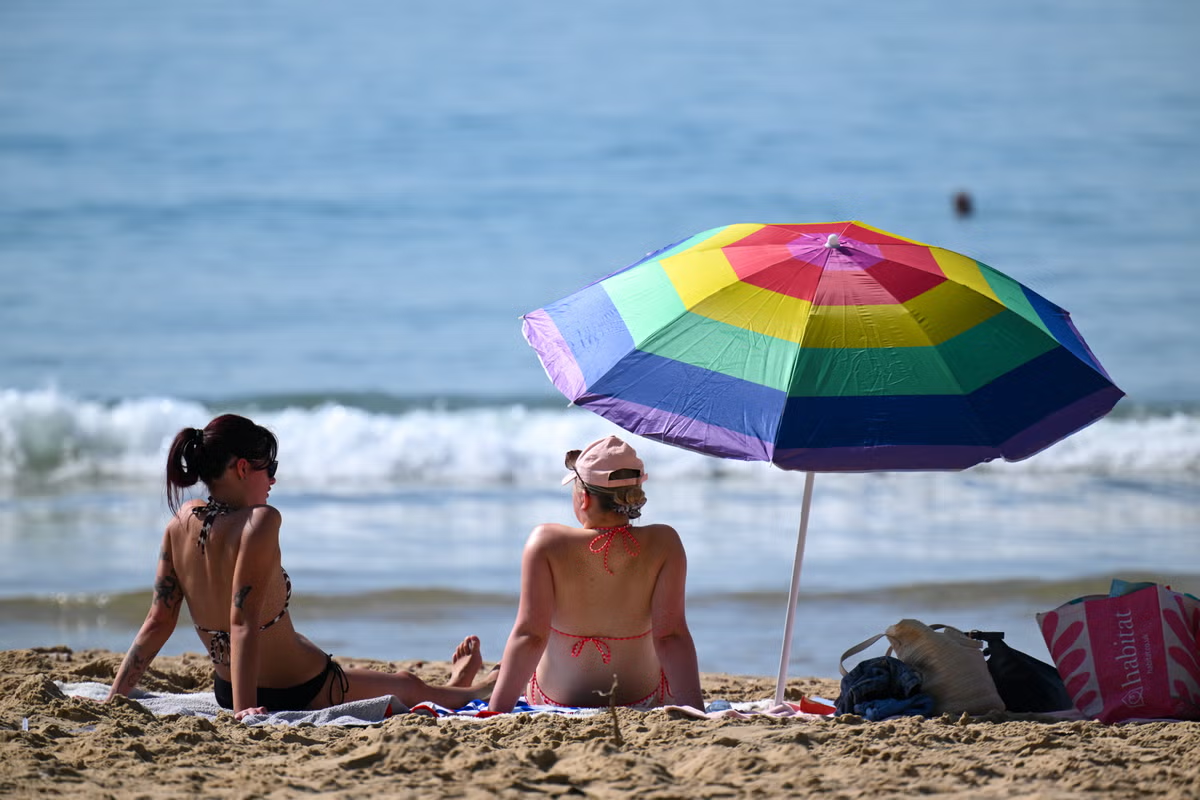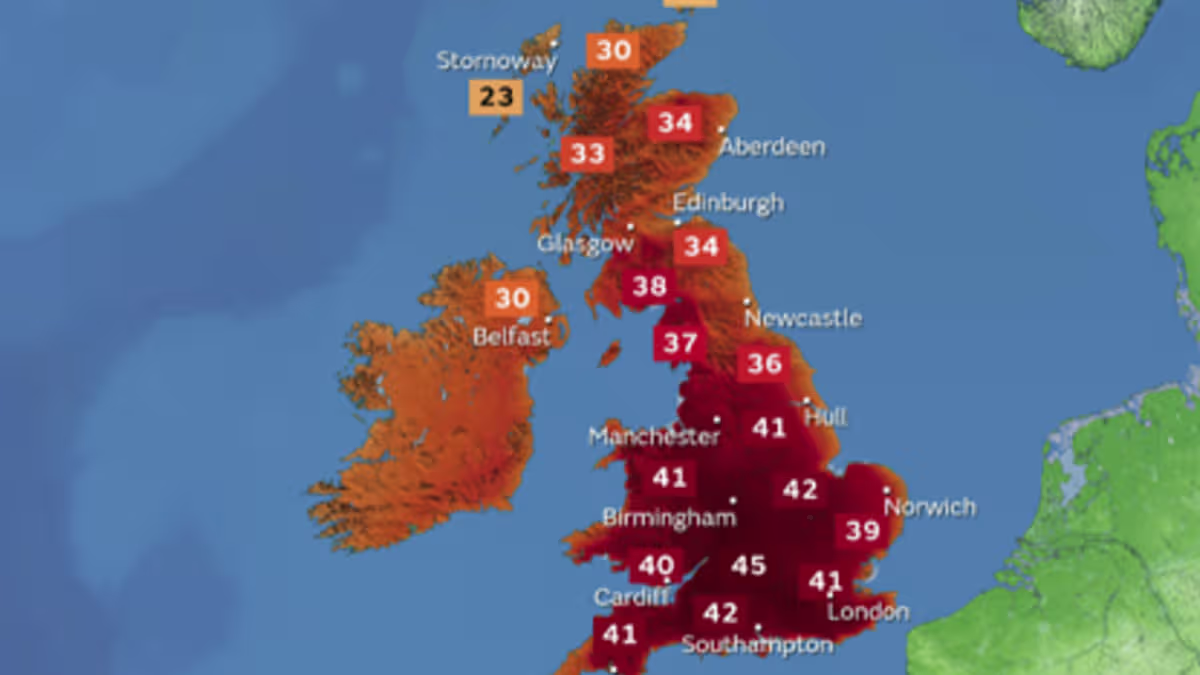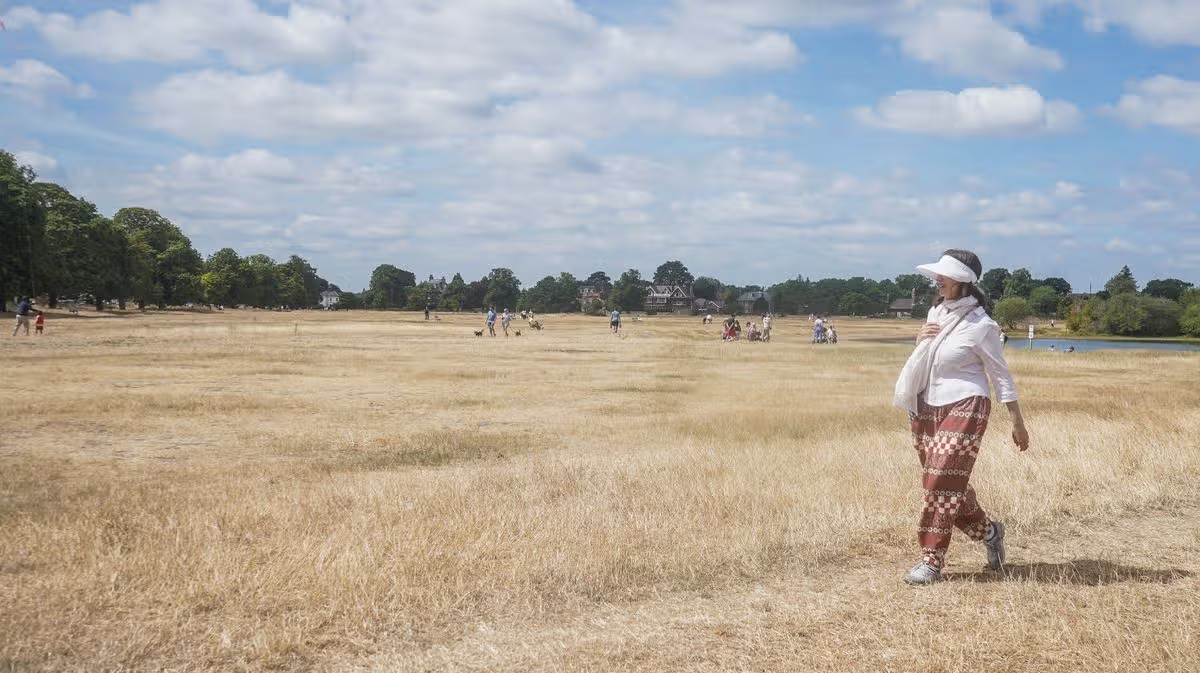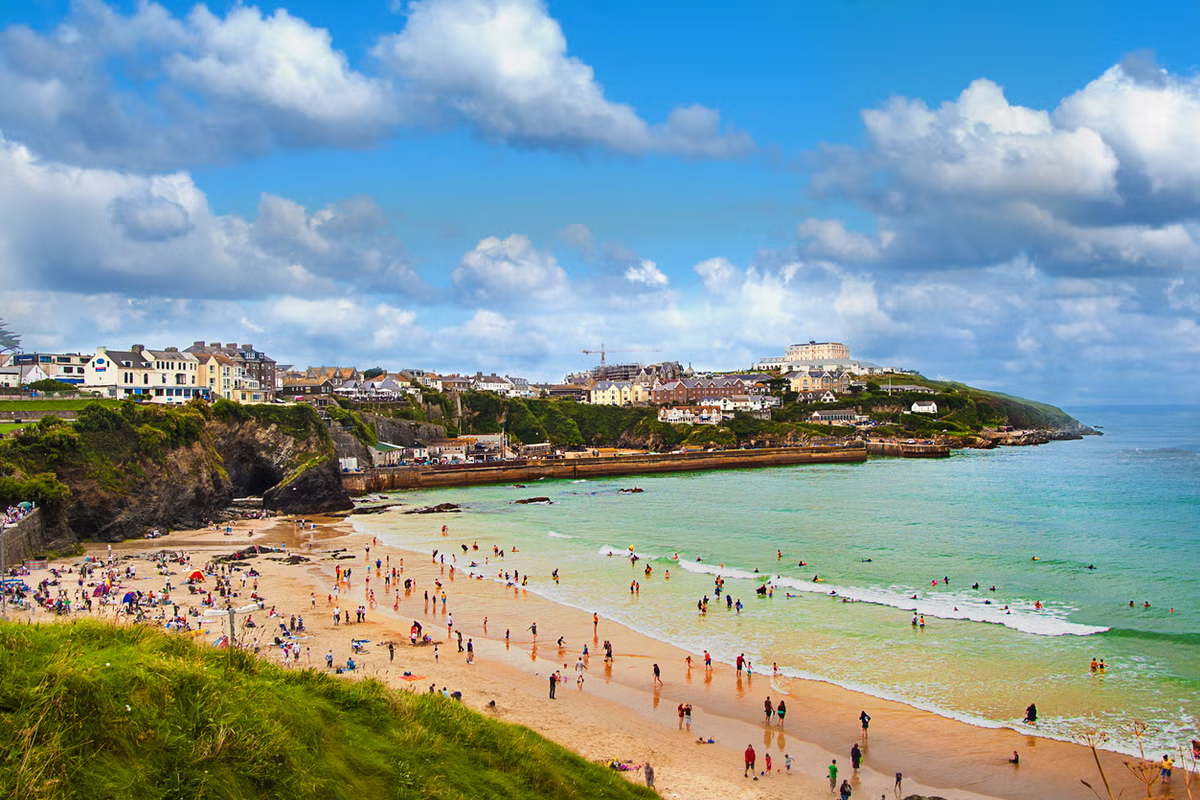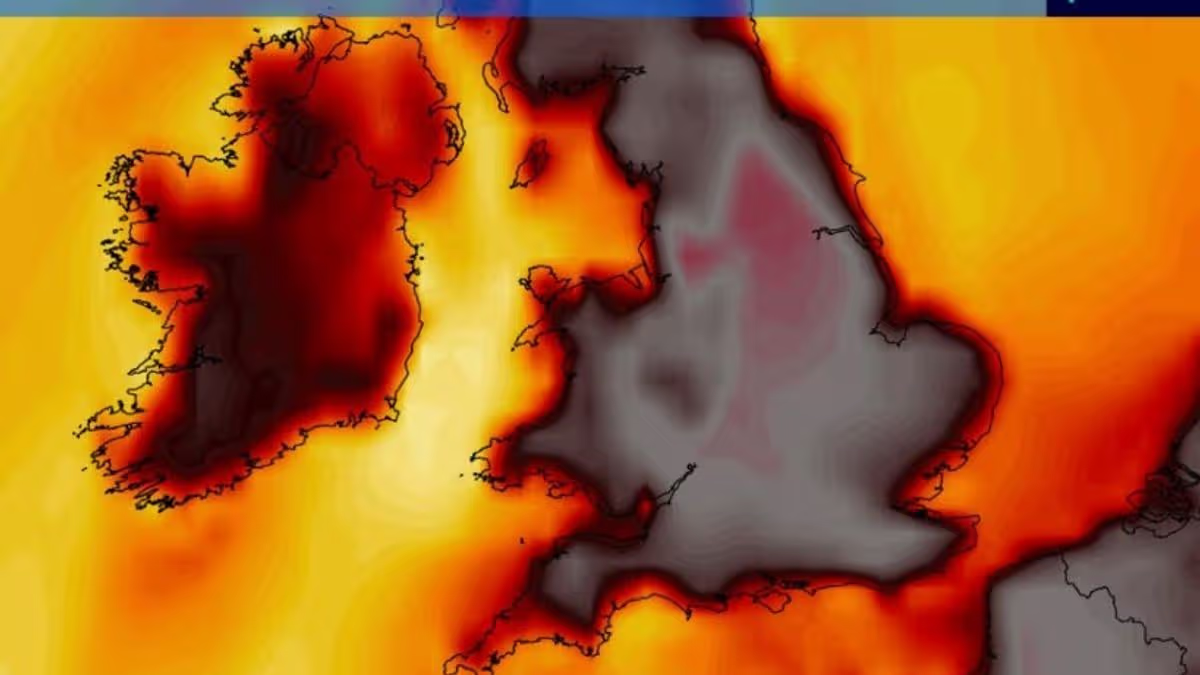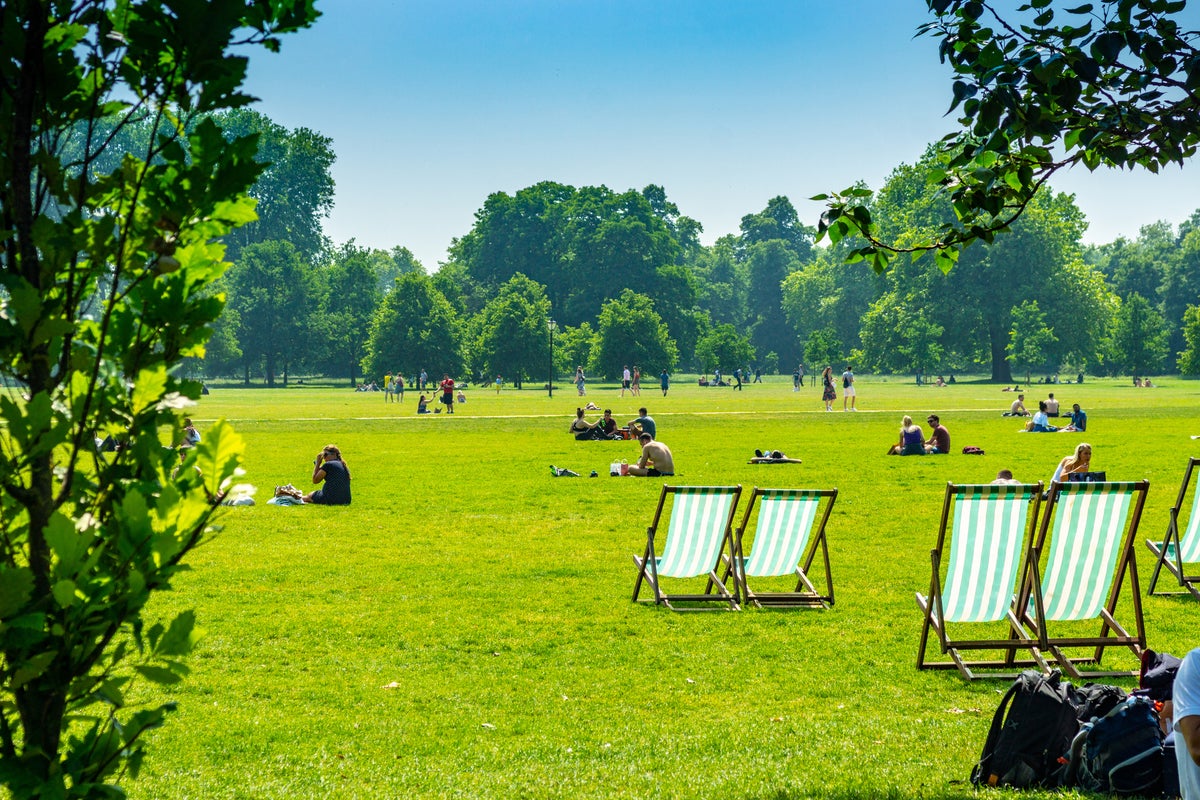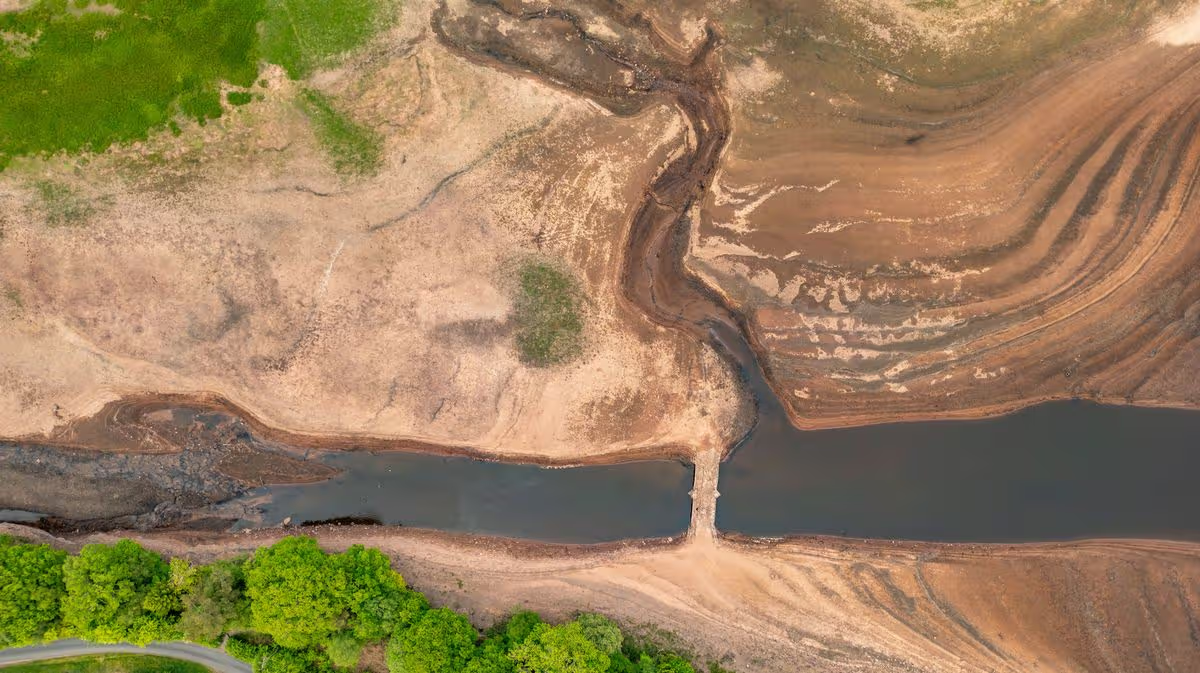
As the current sweltering heatwave continues to scorch parts of the UK, the Mirror takes a glimpse 50 years into the future, to see how rising temperatures could well change our society beyond all recognition15:31, 26 May 2026Updated 15:32, 26 May 2026Over the weekend, Brits were out in force to bask in the sunshine on what was recorded as the hottest May bank holiday in history.But while many welcomed the sweltering heatwave, experts are deeply concerned that such dramatic weather will soon become the norm, changing society beyond recognition. While we have previously managed through sweaty summer days with an electric fan and a trusty ice pop, this simply won't be enough in the years to come. Climate change is on track to change everything from how our supermarket shelves look to the way lessons are taught in classrooms.If we were to travel in a time machine to a roasting British summer some 50 years in the future, would we even recognise our homes, offices, and local hospital?READ MORE: Birds will survive in hot weather if UK households place 1 item in gardensStrained NHSAccording to the UK Health Security Agency (UKHSA), an estimated 10,781 heat-associated deaths in England were recorded as "a direct consequence of heatwaves" between 2020 and 2024. Without urgent adaptation, it's projected that this figure will soar to approximately 11,000 fatal cases every single year by the 2050s.It is a demographic shift that will cost the taxpayer dearly. While heat-related mortality in England currently costs the economy around £6.8 billion annually, this is projected to skyrocket to £14.7 billion by mid-century. Andrew Hulbert, a sustainability expert with a master’s degree from University College London (UCL), warns that Britain’s rapidly ageing population will leave the NHS highly vulnerable. There are now almost 1.4 million people in the UK aged 85 and older, a figure estimated to more than double over the next two decades.Andrew said: "The hotter it gets, the more pressure it puts on the NHS, certainly over the next 50 years. But I'm talking the next five to 10 years."Soaring supermarket costsAs the WWF report highlighted, climate change poses an unprecedented threat to food security. Drought and heavy rainfall are already decimating global wheat harvests, which are needed for bread, while extreme weather is making it more difficult to find areas suitable for growing coffee beans.A time traveller entering their local supermarket 50 years from now would likely have to navigate a radically different shopping experience. While the UK may end up being able to grow some exotic fruits locally, changing global climates will affect the supply of traditional fruit and veg, causing some varieties to disappear.Refrigeration will also be a serious issue here, with the commercial freezers currently used in UK supermarkets not being equipped to chill food in environments exceeding 40 °C. Supermarkets will be forced to upgrade to heavy-duty cooling systems, often found in countries in the Middle East, with the cost being passed down to consumers on their receipts.'Skins' for homesThe average British home isn't typically built to withstand extreme heat, but it's a factor that's increasing in concern. Research from the Grantham Research Institute revealed that more than half of British homes are at risk of overheating, a figure projected to soar to 90% under a 2°C warming scenarioIt's unlikely that we'll see traditional British houses knocked down in favour of more futuristic abodes, as there's simply "not enough money on earth that can make that happen," notes Andrew.He added: "What we're seeing in places like Greece and Athens in particular, they're starting to build what they call 'skins' around the outside of a building. So imagine a dome around the outside of the building, a metre away from the edge"Rebuilding a house is going to cost a quarter of a million pounds, but to stick a skin around the outside is going to be tens of thousands."Scorching schoolsJoint research from the Met Office and University College London concluded that measures must to be implemented in schools now to adapt the environment.Without funding, it's predicted that school children will be barred from learning in standard classrooms for up to eight days a year due to extreme heat events. Such measures, however, will not come cheaply.This includes installing air conditioning and heat pump systems, which present a massive financial burden for cash-strapped British schools.Andrew said: "The one challenge we know with schools is they're not flush with money. They have to be very careful about how they spend their money, and things like heat pumps and air conditioning systems are expensive assets for them to add, but also to maintain and replace as time goes on as well."Workers' safetyThe Climate Change Committee (CCC) has asserted that the UK was "built for a climate that no longer exists", urging the government to introduce maximum temperature laws to help protect workers' health.The CCC does not specify a maximum temperature but does cite Spain, where the maximum legal indoor working temperature is 27 °C for sedentary work and 25 °C for light physical work. An Autonomy Institute report determined that two-thirds of the British workforce may well be working in heatwaves exceeding 35 °C by the close of the decade.Commenting on this, Andrew remarked that changes will need to be brought in to protect worker safety. He told us: "I wonder in the future if we start having days off. It's too hot to come in today, not safe to travel, so you stay at home."Tourism shiftsWhile there are very few silver linings to climate change, Andrew does note that there could be some positives for UK tourism, as holidaymakers swap sunny Spain for English coastal towns.Andrew explained: "It was like when we saw the Northern Lights in the UK last year, tourism in Iceland was really impacted because you don't need to go to Iceland anymore to see them. So I think 'staycations' are probably more likely, and I think maybe travel will be impacted by that. Also, we know that the price of fuel is obviously impacted at the moment by everything that's going on. So people are maybe making that choice as well."Water shortagesArticle continues belowHowever, a tourism boom will clash with a severe national water crisis. The Environment Agency reported that by 2055, England faces a staggering 5 billion litre daily shortfall for public water supplies unless "urgent action" is taken.Do you have a story to share? Email me at julia.banim@reachplc.comREAD MORE: 'My dentist says my teeth look the best they've ever been since using this water flosser'
How Britain will look in 50 years as heatwaves transform the country
As the current sweltering heatwave continues to scorch parts of the UK, the Mirror takes a glimpse 50 years into the future, to see how rising temperatures could well change our society beyond all recognition
1,087 words~5 min read