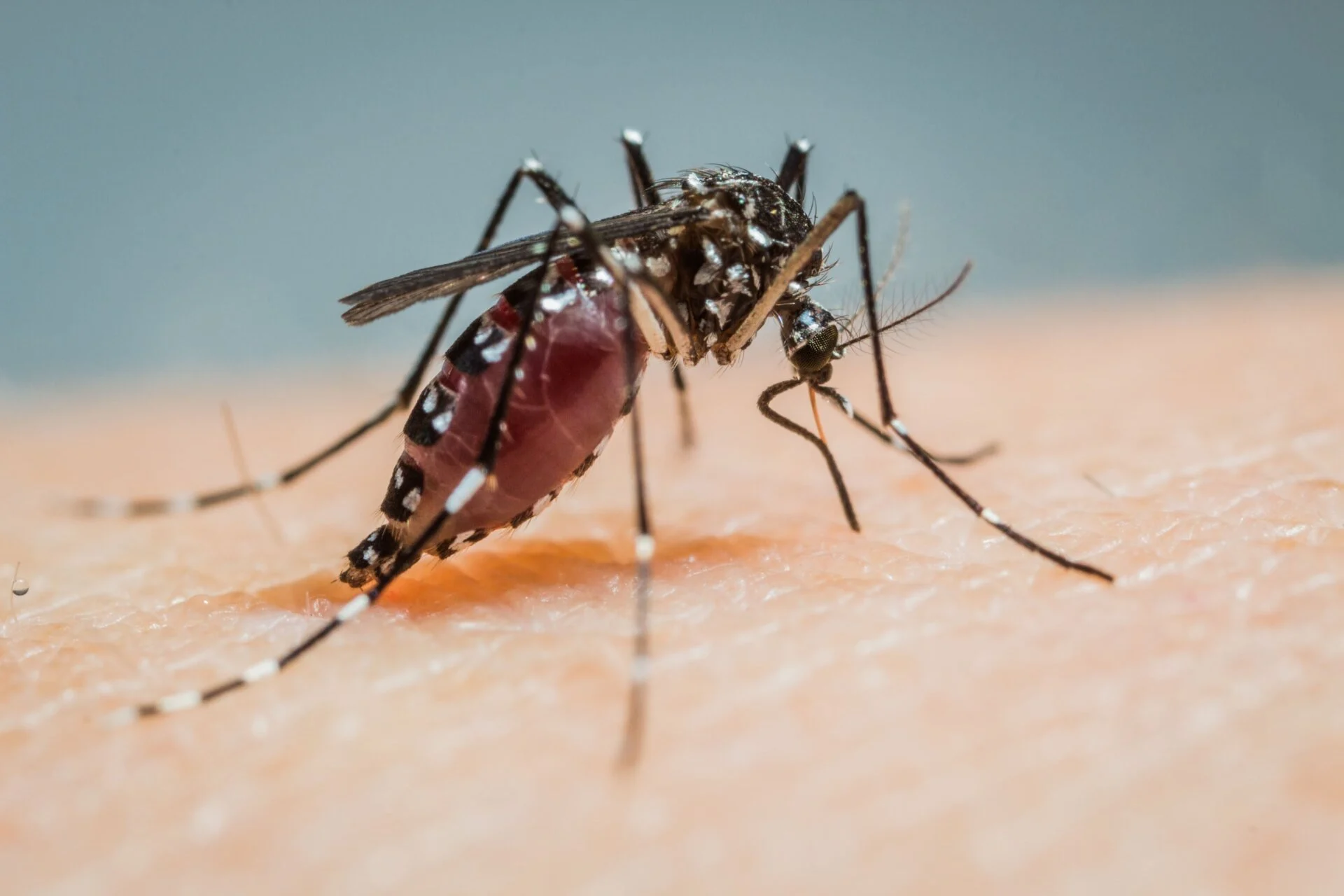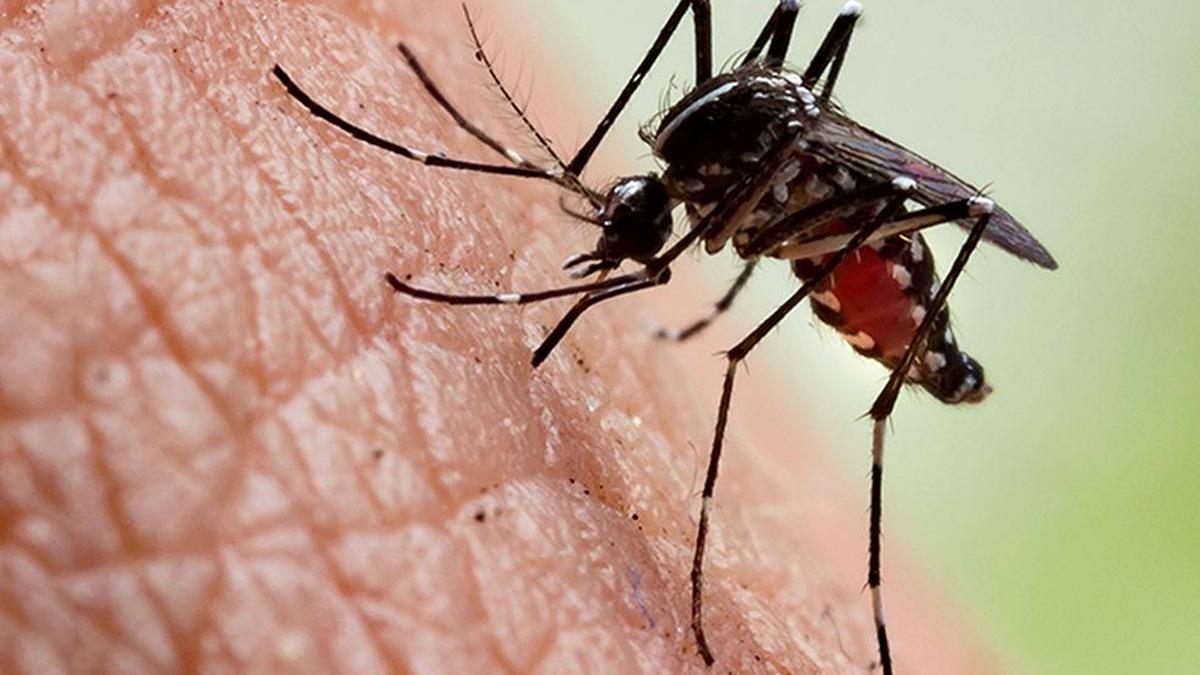
The Health department is bracing for yet another season of infectious diseases, especially dengue fever, as intermittent rainfall and higher ambient temperature have been driving the vector indices across the State.Dengue cases have clearly begun to show a rising trend in the State, with 295 confirmed cases being reported in February this year, which steadily increased to 534 in April and to 670 cases (till May 25) this month.Dengue fever has been a persistent public health challenge in Kerala, with cyclical outbreaks, serotype shifts, and seasonal spikes tied to monsoon patterns. The State is hyperendemic for all four dengue virus serotypes, which circulate year-round, but explosive epidemics occur roughly every three to four years, whenever there is a switch in the circulating serotype, with the outbreaks becoming more severe.Cyclical patternKerala had two major outbreaks in a cyclical pattern in 2013 and 2017. The outbreak in 2017 was one of the worst recorded dengue epidemics with 21,993 confirmed cases and 165 deaths. The number of probable cases was 66,329.Dengue had surged in 2023, with 16,766 confirmed cases and 153 deaths. The trend continued in 2024, with 20,674 confirmed cases and 128 deaths. In comparison, 2025 turned out to be a better year, with the State recording 10,865 cases and 56 deaths.Climate change is a significant factor intensifying public health challenges in Kerala, as increased temperature, heat stress, water scarcity and layered rainfall patterns can affect pathogens as well as disease vectors, altering the pattern as well as severity of many infectious diseases. There is a whole body of research which shows that higher temperatures can boost mosquito reproduction, speed up larval growth and reduce the time it takes for mosquitos to reach maturity.The weather extremes that the State faced in recent months – extremely hot summers followed by intermittent showers and the sustained warm temperature with increased humidity levels have been conducive for mosquito breeding. Now that monsoon is expected to set in, heavy continuous rainfall can wash away the mosquito breeding sites, while moderate rainfall with short hot spells in between can lead to continuous cycles of vector breedingPreparedness intensifiedHealth officials said that pre-monsoon preparedness activities had been intensified and that public awareness campaigns were under way, along with the local self-governments, to keep the premises of houses clean so that artificial breeding sites (discarded plastics, flower pots, tyres etc) – the Aedes species, the primary vector transmitting dengue, is a container breeder – were not available for mosquitoes to breed.Public health experts point out that vector control strategies have its limitations in keeping the mosquito population and dengue transmission under check.Nearly 80% of the dengue infections are sub-clinical or asymptomatic and these infections are often treated as simple viral fever. What makes dengue dangerous is the secondary dengue infection, because of the phenomenon called antibody-dependent enhancement. A dengue infection confers lifelong immunity only to that particular serotype and a subsequent infection by a different circulating sero type can lead to a cascade of immune responses in the body, leading to severe shock syndrome or haemorrhagic syndrome.One of the most authoritative seroprevalence studies on dengue done in the State by the Health department and WHO, which tested over 5,000 children in the 9-12 years age group had found an overall seroprevalence of 30.9%, with Thiruvananthapuram reporting the highest seroprevalence at 46.9%. With multiple sero types of the virus circulating, this population is at risk of secondary dengue infections.Public health experts thus call for improving clinical and virological surveillance, training primary care physicians to pick up early warning signals of the infection and initiating appropriate management so that dengue mortality can be reduced. Published - May 26, 2026 07:45 pm IST
Dengue cases on the rise in Kerala
Dengue cases in Kerala surge from 295 in February to 670 by May, prompting heightened public health preparedness amid seasonal challenges.
610 words~3 min read