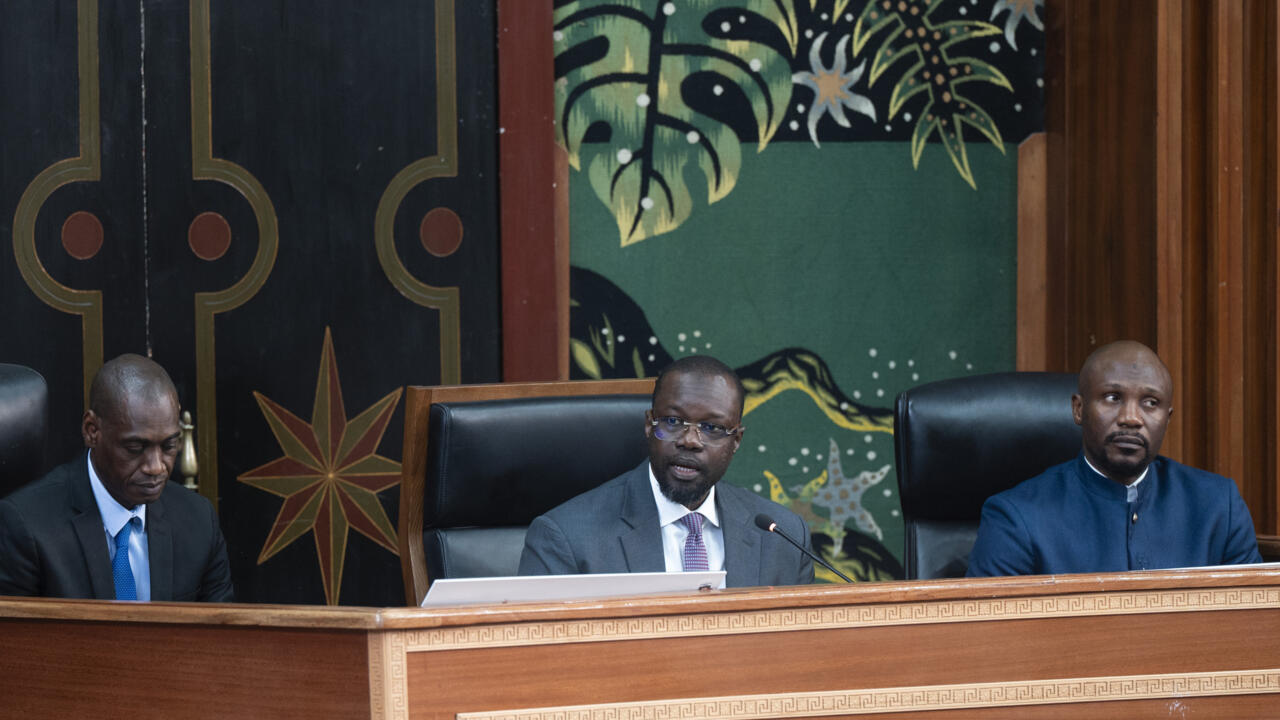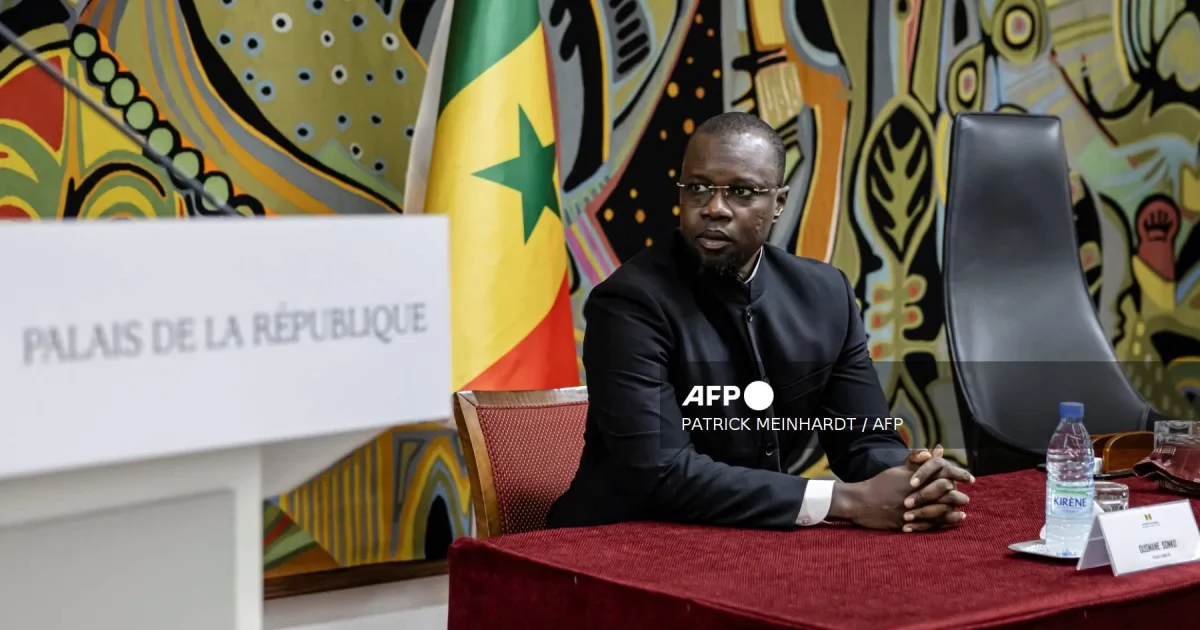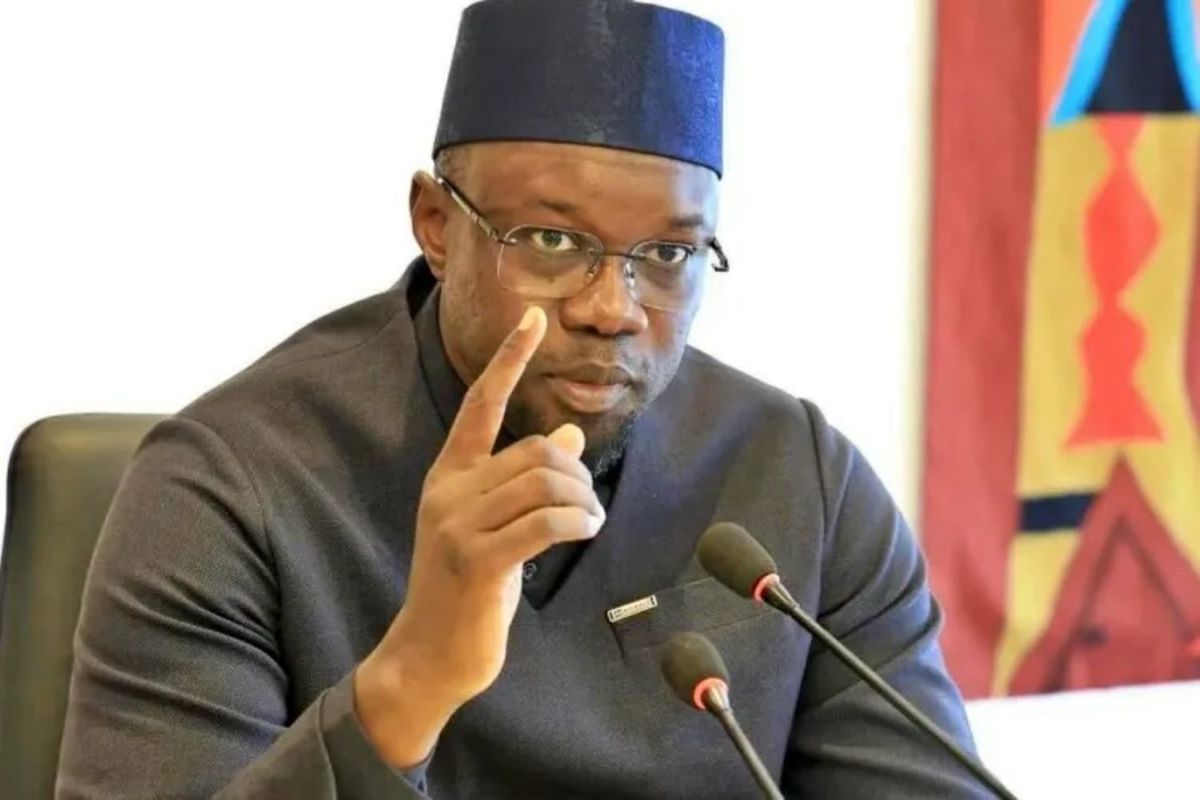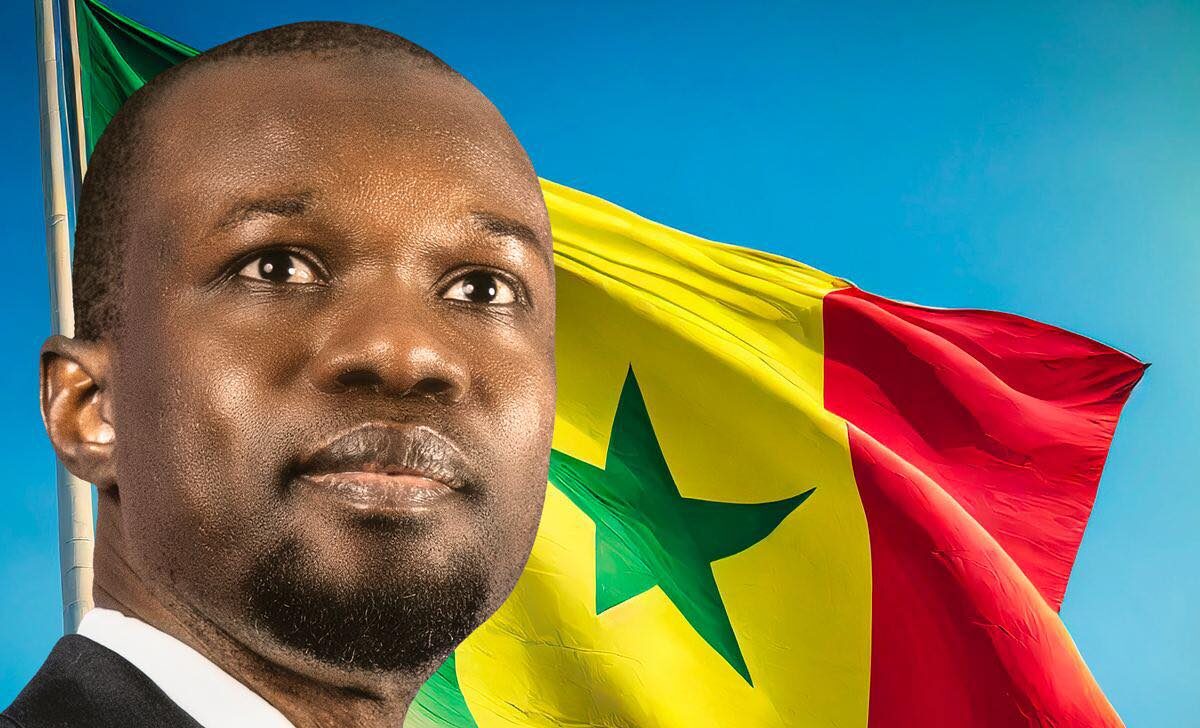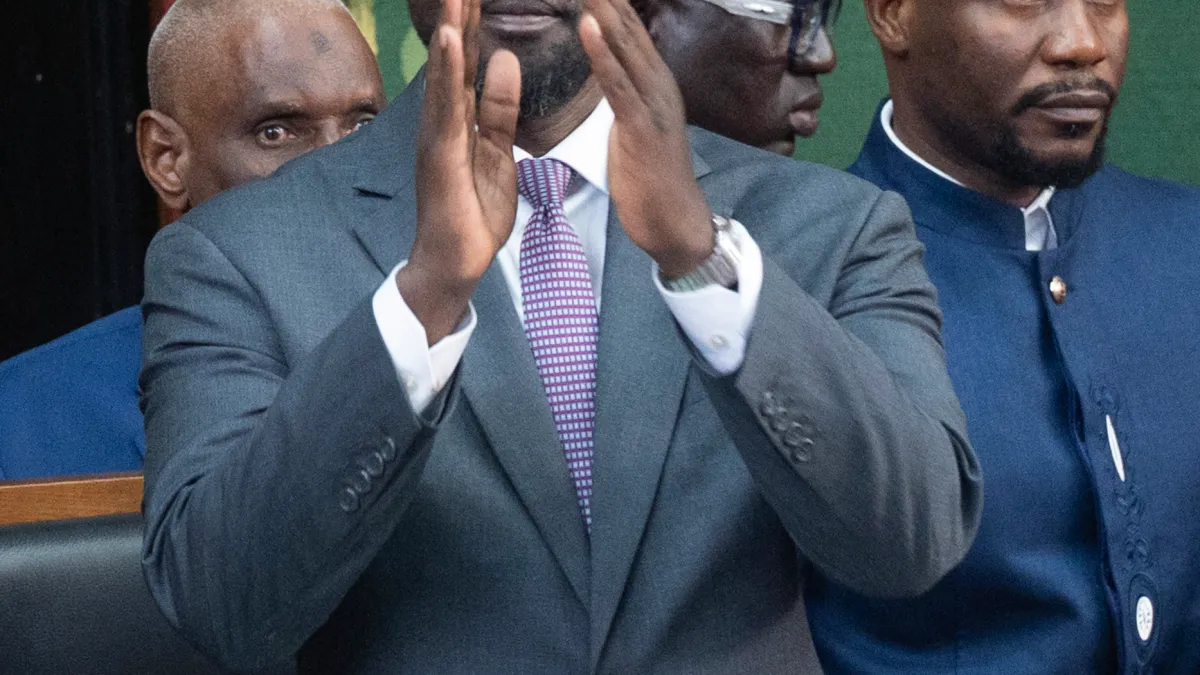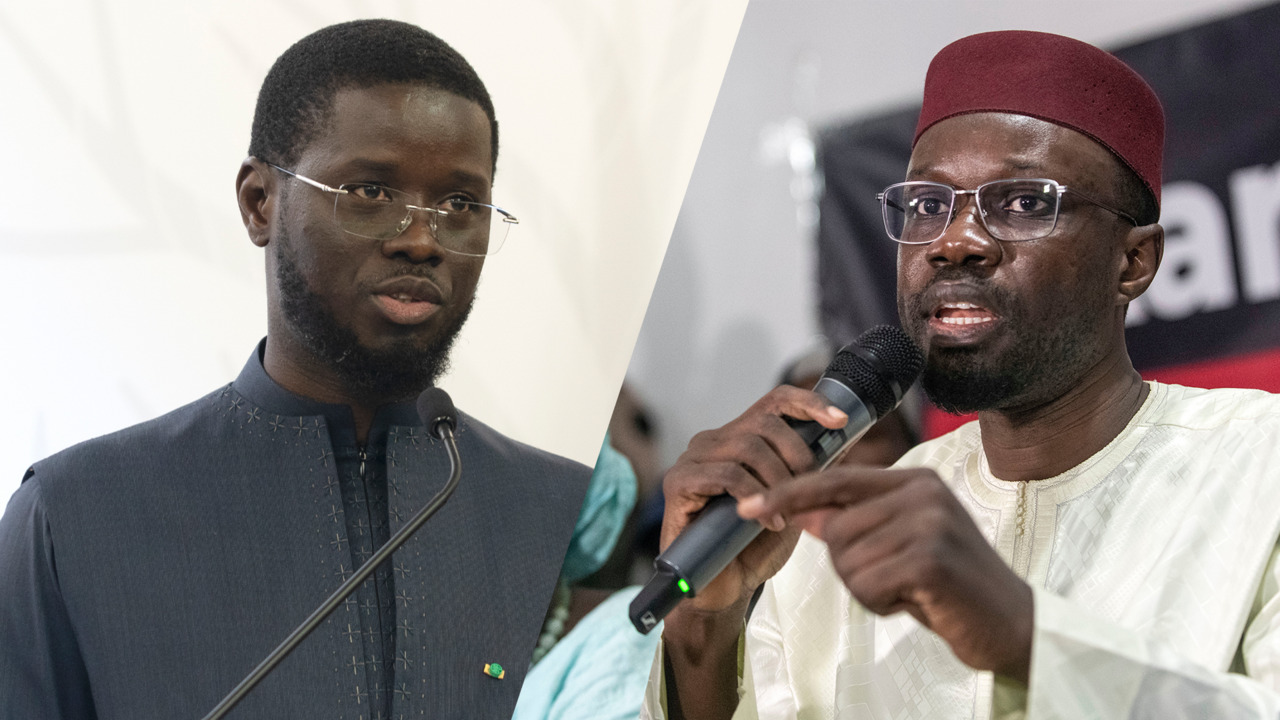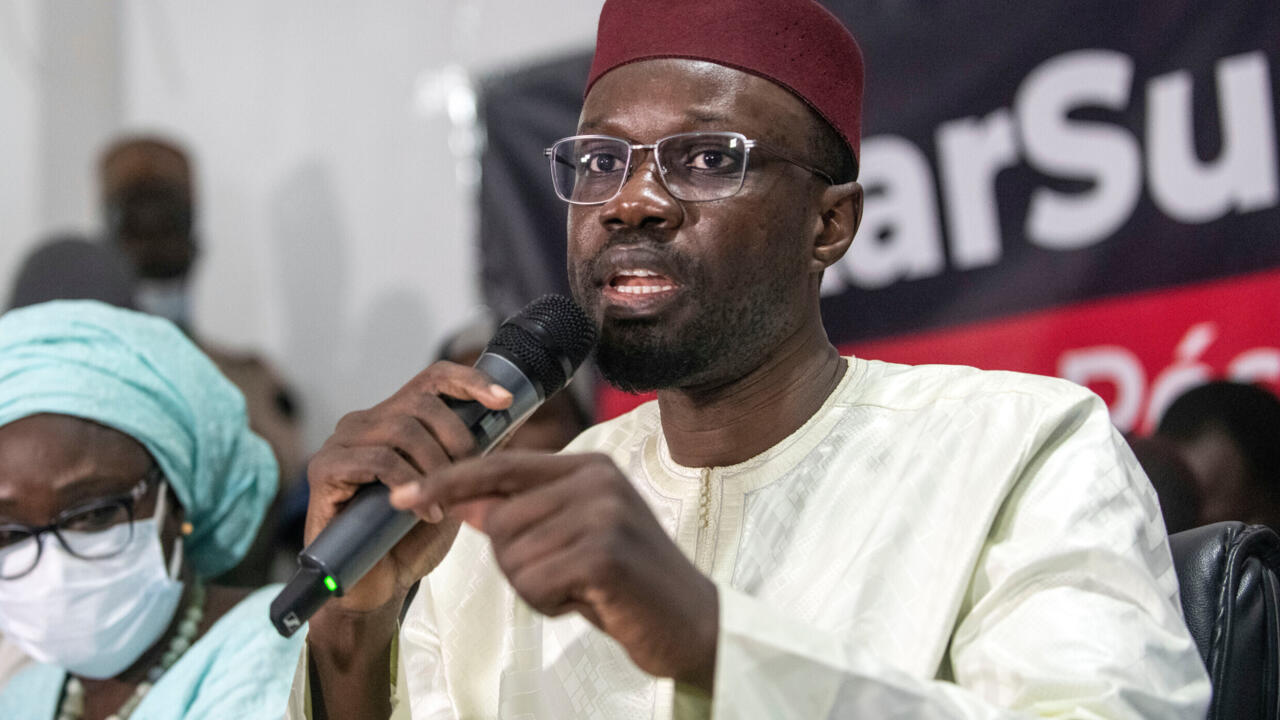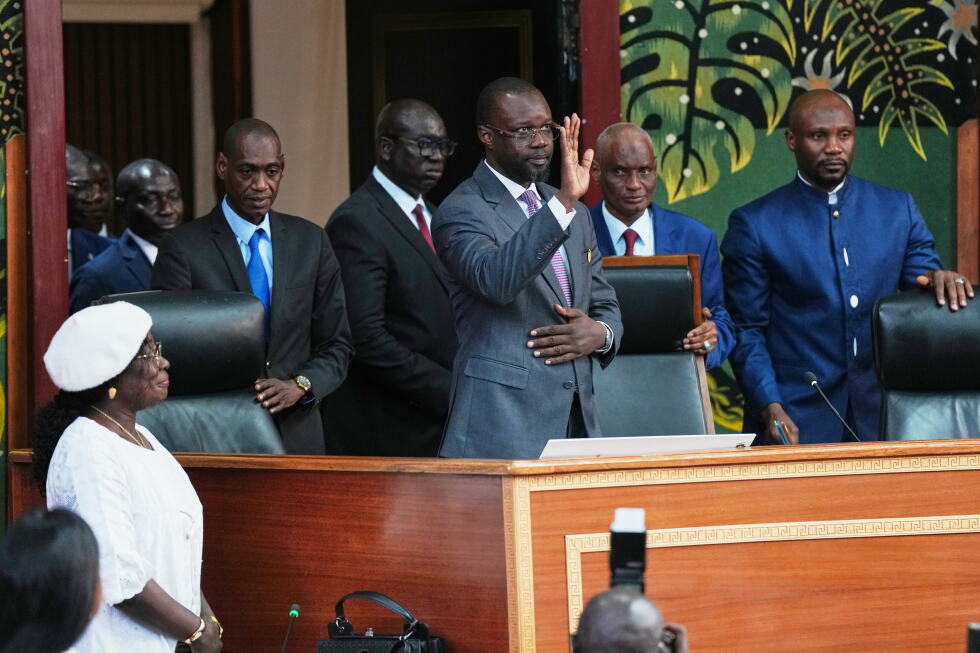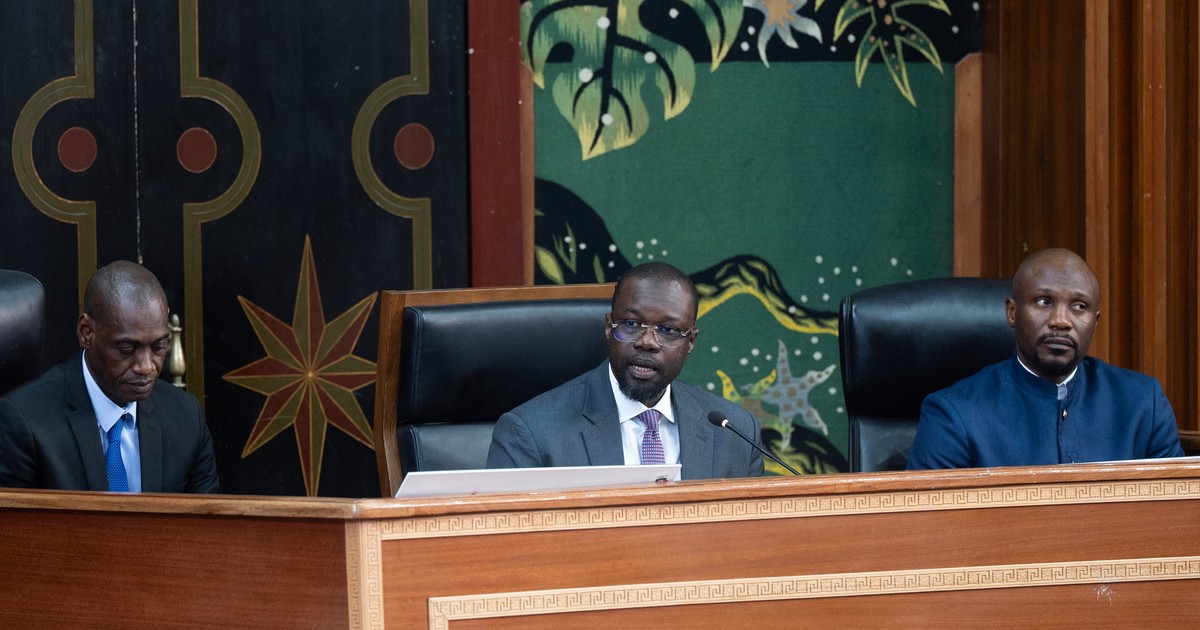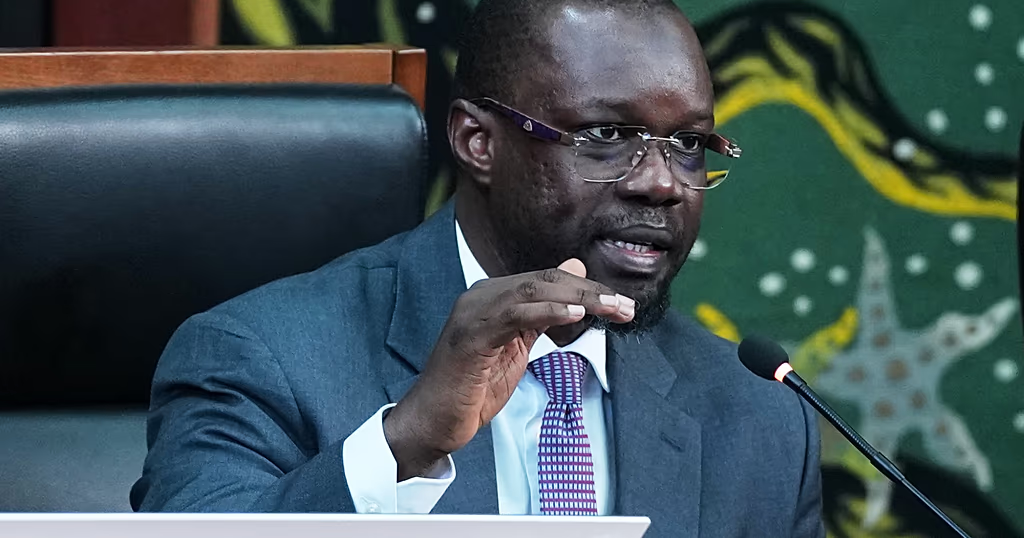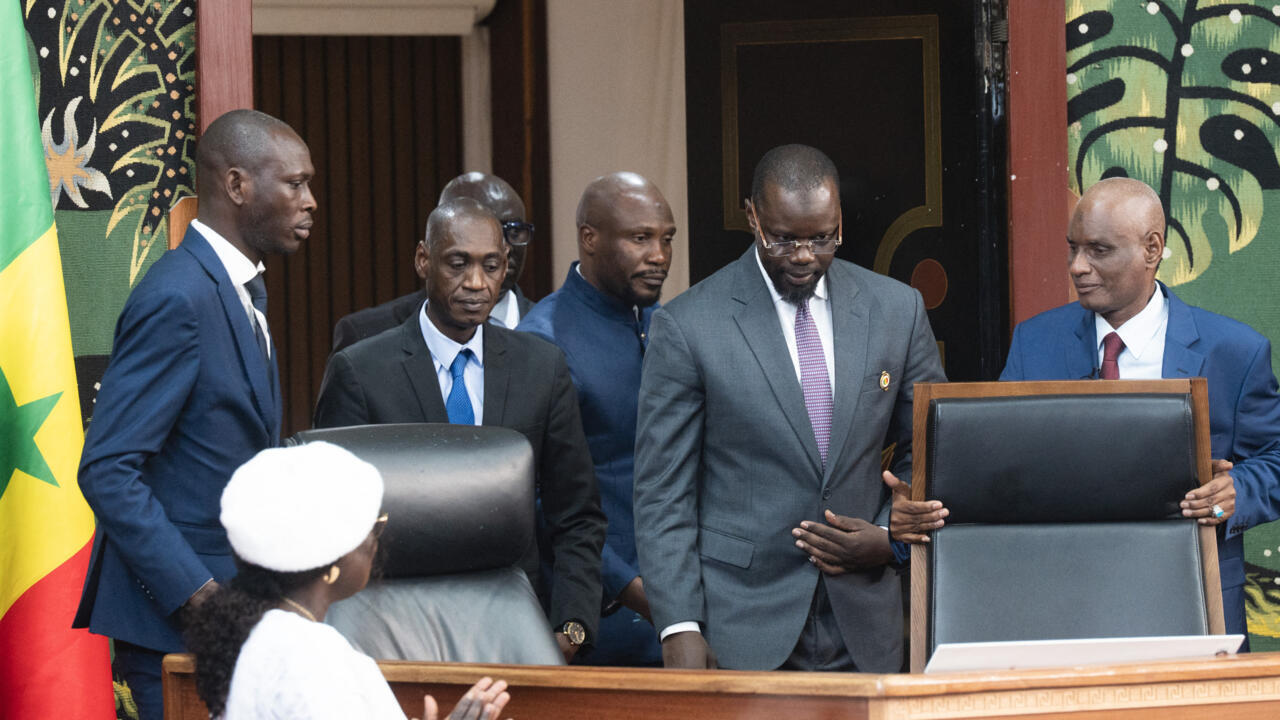
Senegal’s National Assembly has elected ousted prime minister Ousmane Sonko as its speaker, handing the firebrand politician a powerful new platform just days after President Bassirou Diomaye Faye dismissed him from government.
Issued on: 26/05/2026 - 14:55Modified: 26/05/2026 - 15:00
2 min Reading time
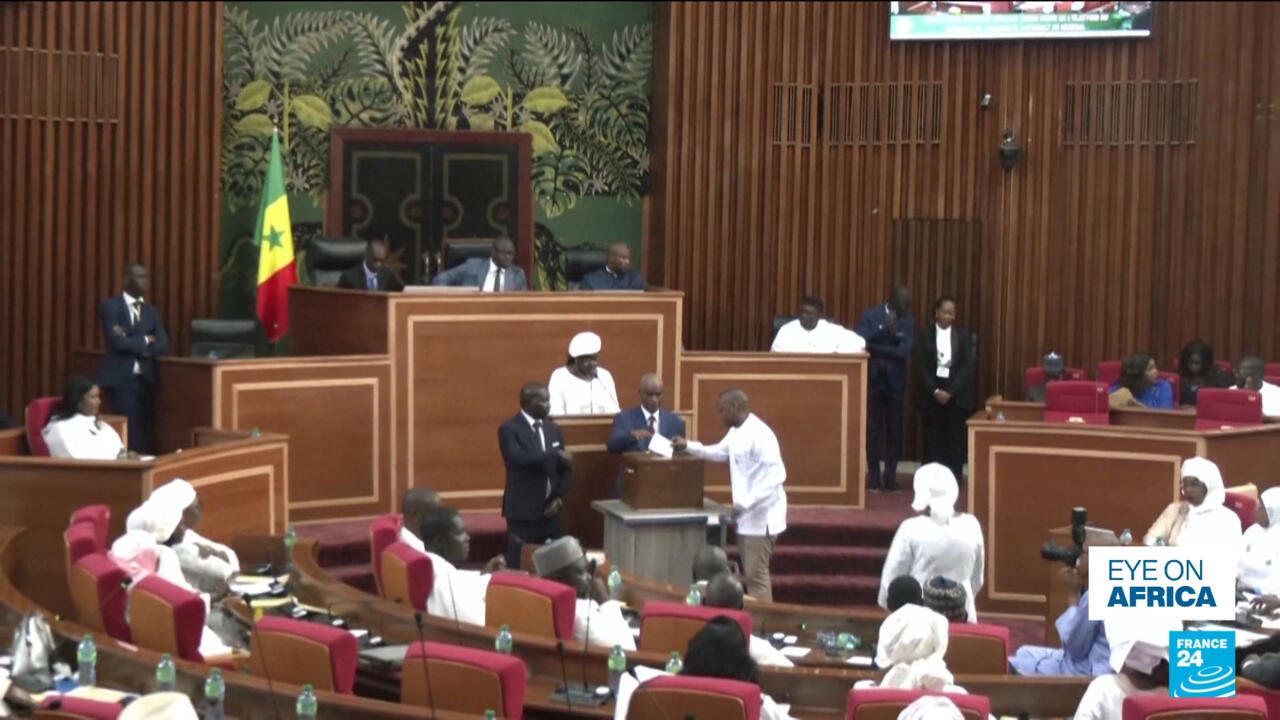
The vote on Tuesday was boycotted by opposition lawmakers, who have denounced Sonko’s return to parliament as illegal and accused the ruling majority of forcing through what they called an “institutional coup”. Sonko, the undisputed leader of the ruling Pastef party, was the sole candidate for the role. He received 132 votes, with no lawmakers voting against him and one abstaining, according to Ismael Diallo, who presided over the session. His victory was greeted with a long ovation in the chamber. Pastef dominates Senegal’s only legislative body, holding 130 of the National Assembly’s 165 seats. That majority made Sonko’s election all but certain, despite the opposition boycott and the growing unease surrounding the political split at the top of the state. Senegal president sacks prime minister amid mounting power struggle A new power base for Sonko Sonko replaces El Malick Ndiaye, a loyal supporter who resigned on Sunday in a move widely seen as clearing the path for the former prime minister to take over the speaker’s chair. The parliamentary session opened shortly after 9:00 am local time, with Sonko in attendance. His elevation to the top of parliament came only four days after Faye sacked him and dissolved the government, bringing months of tension between the two former allies dramatically into the open. The move gives Sonko a fresh institutional role from which he can shape national politics – and potentially challenge the authority of the president, who holds executive power. As speaker, Sonko now stands at the head of an assembly firmly controlled by his own party. Aissata Tall Sall, who leads the main opposition, said the process amounted to an “institutional coup” prepared under “pressure that the majority wants to impose”. She argued that Sonko should first have resigned as prime minister and formally returned to his seat in parliament before any move to make him speaker. Opposition lawmakers have said his reinstatement as a deputy was illegal. Sonko was elected to parliament in November 2024 legislative elections, but according to Pastef he later requested the suspension of his mandate after being appointed prime minister. Senegal leader announces cabinet reshuffle, pledges to work around the clock Faye and Sonko’s partnership Faye appointed Sonko prime minister in April 2024 after winning the presidency, a victory he owed in large part to his one-time mentor’s popularity. Sonko had been barred from running because of a defamation conviction, but remained the driving force behind Pastef’s rise. Their alliance has since fractured as Senegal grapples with heavy debt and competing visions for the economy. Faye has named senior economist Ahmadou Al Aminou Mohamed Lo as prime minister, saying he has the expertise to help steer the country out of financial difficulty. Senegal’s debt burden stands at 132 percent of GDP, while a $1.8 billion IMF programme agreed in 2023 was suspended after Faye and Sonko accused the previous government of hiding part of the debt. The split also raises the prospect of a future showdown between the former allies. Sonko remains hugely popular and is now eligible to run for president, while his election as speaker gives him a powerful new platform at the heart of Senegalese politics. (With newswires)