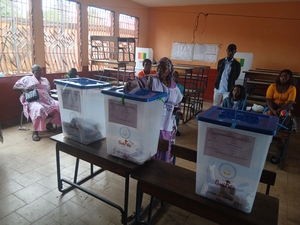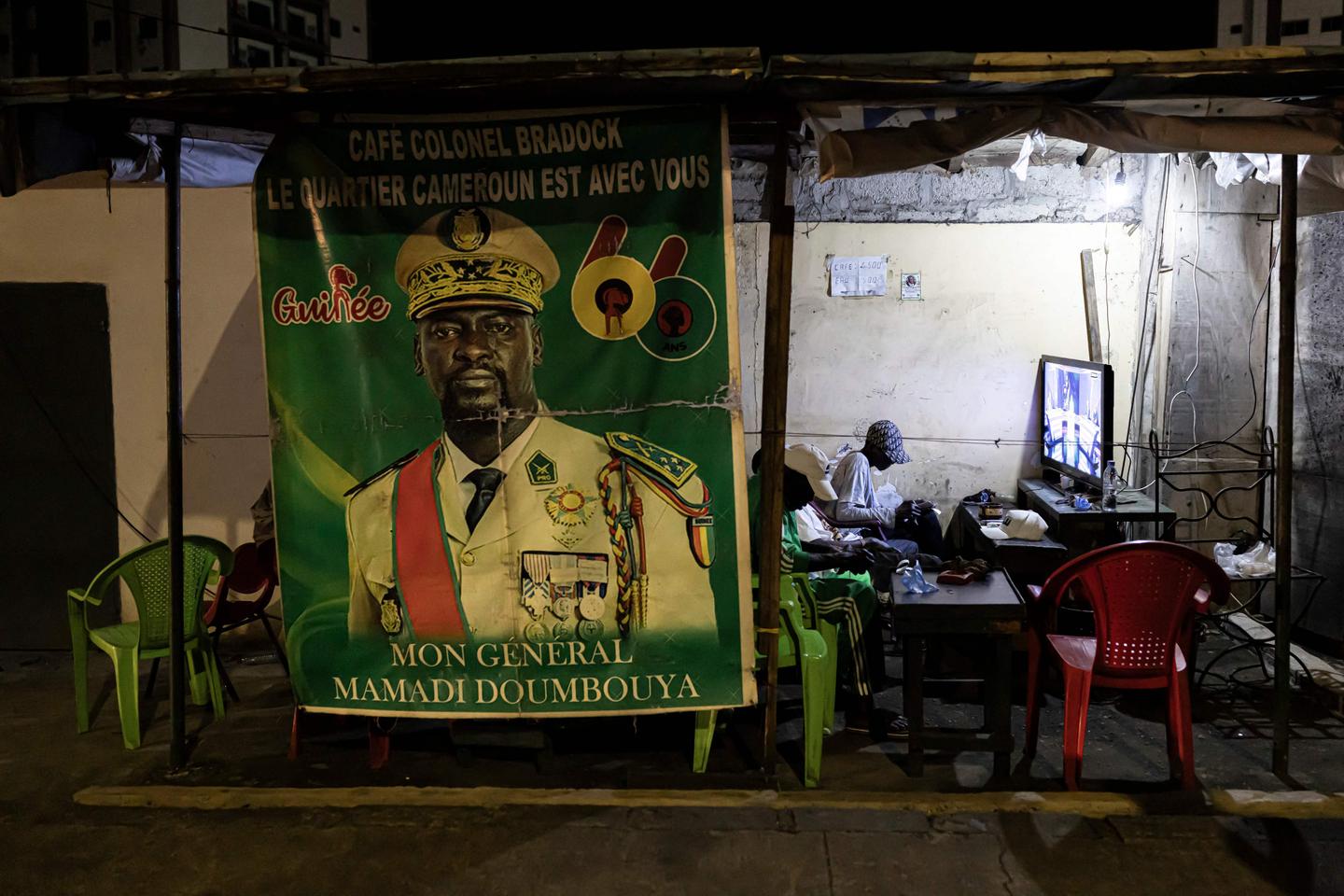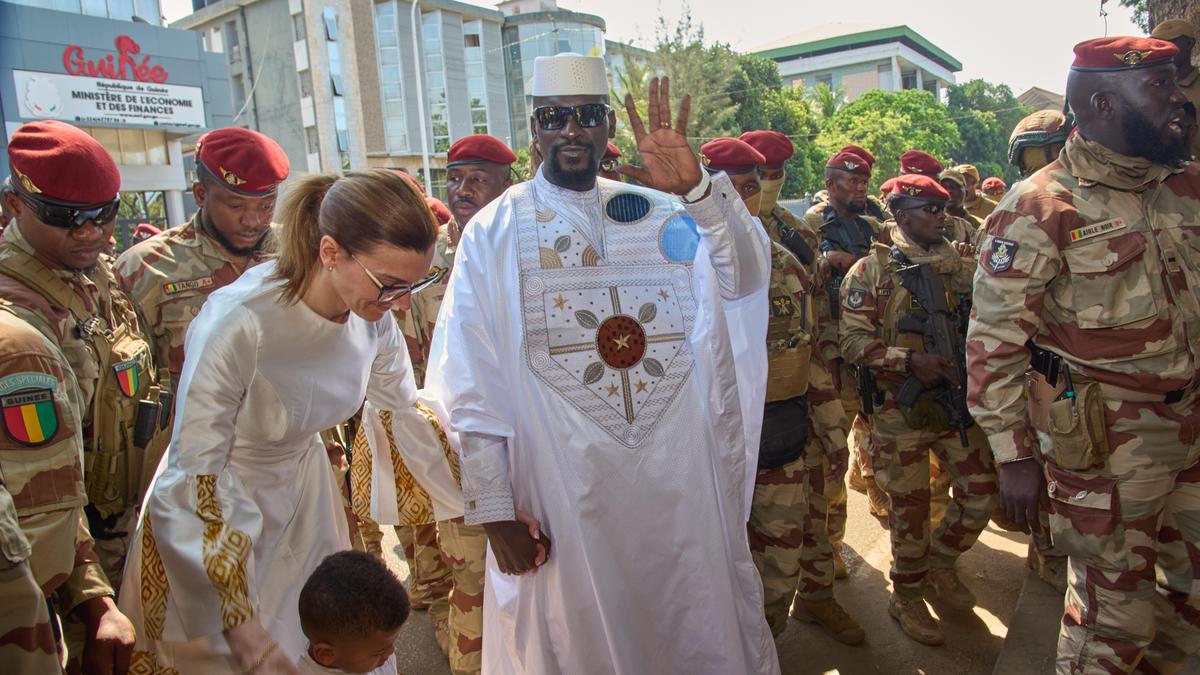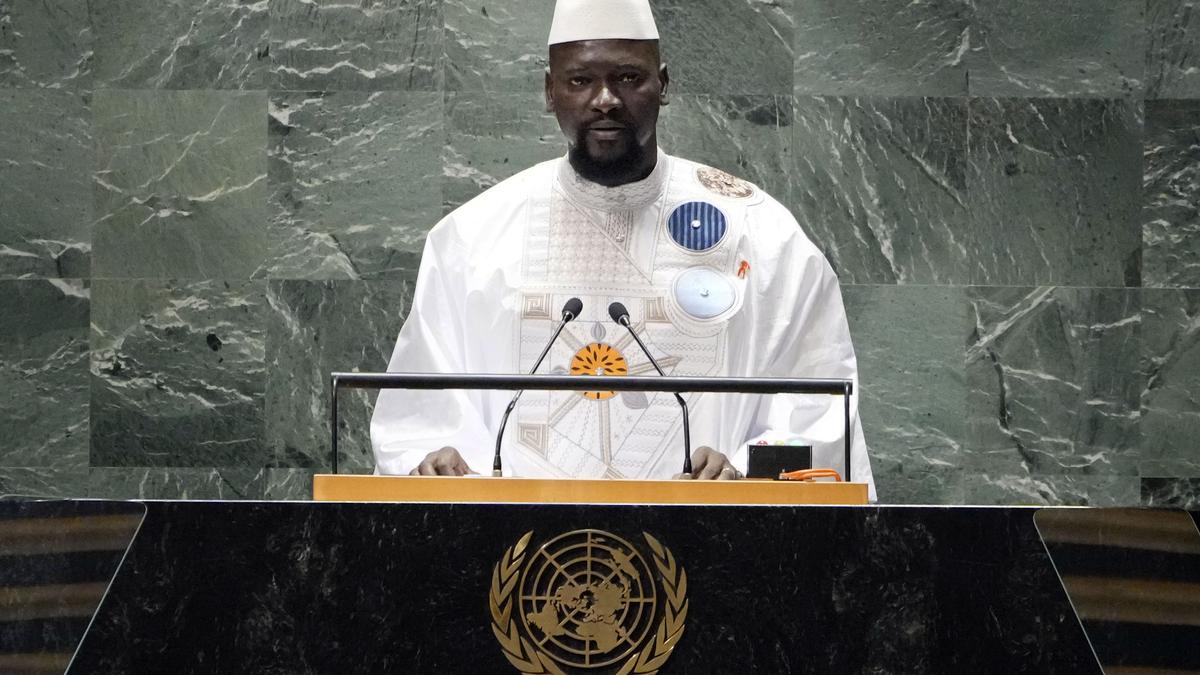
On 31 May, 6.8 million citizens will choose their Members of Parliament (MPs) and municipal councillors in Guinea’s legislative and local elections. The polls are part of the ongoing process of returning to constitutional order, following the December 2025 presidential election won by President Mamady Doumbouya with 86.72% of the vote.
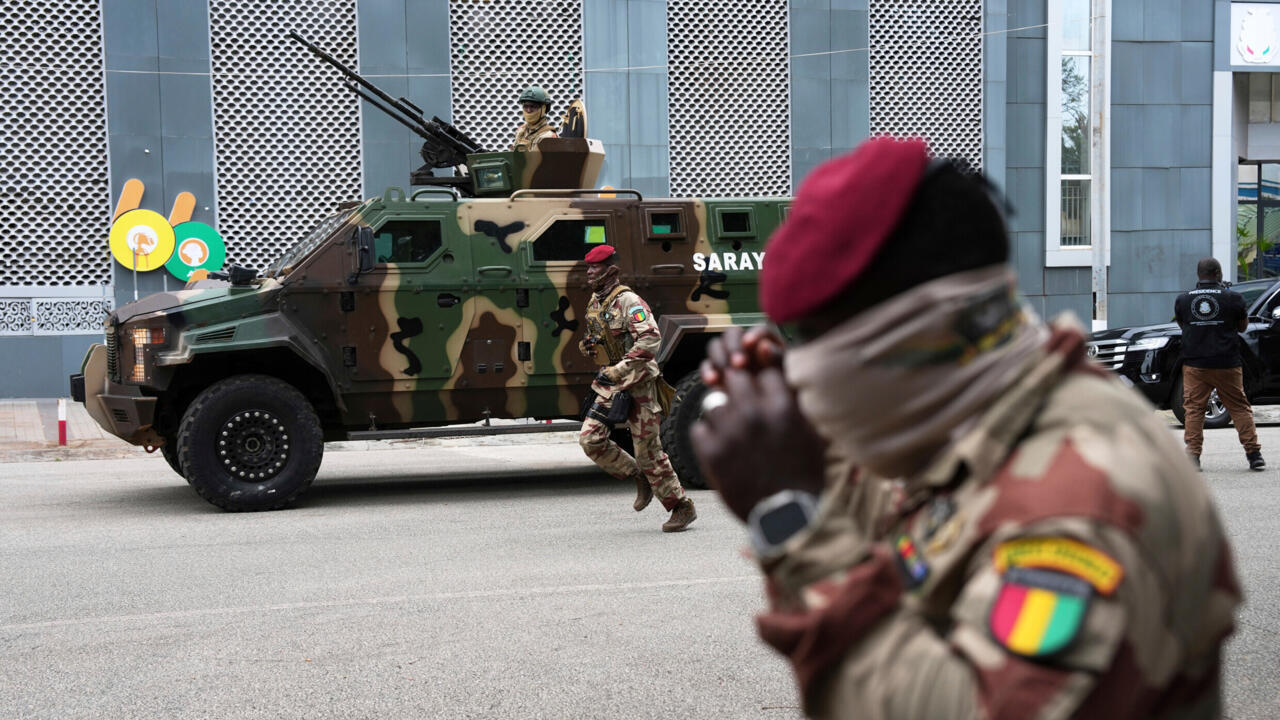
After Guinea’s 2021 coup, a transition timetable was agreed with the Economic Community of West African States (ECOWAS) in 2022. But although the country has made institutional and political progress in a region facing a crisis of democracy, the elections remain controversial.
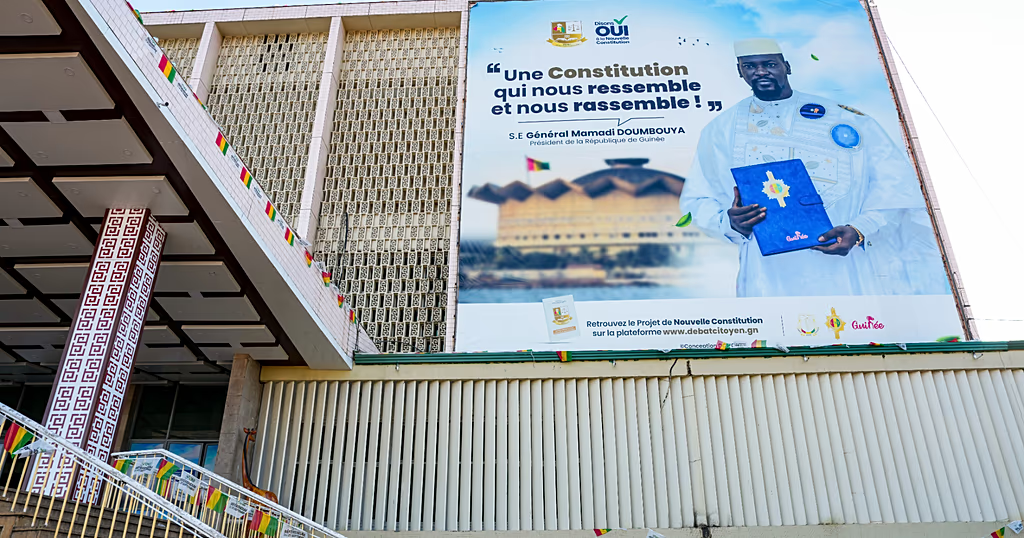
On the positive side, this month’s polls mark the implementation of the bicameral system introduced following the 2025 constitutional referendum. The new 87-member Senate, together with the National Assembly, aims to better represent Guinea’s regions and promote dialogue, national unity and the preservation of Guinean customs and traditions.
Two-thirds of senators will be elected by regional and municipal councillors, and the remaining third by the president. The creation of a Senate has been criticised as a way of maintaining political patronage. It could also lead to longer administrative delays, increased financial costs associated with running two chambers, and risks of institutional deadlock.