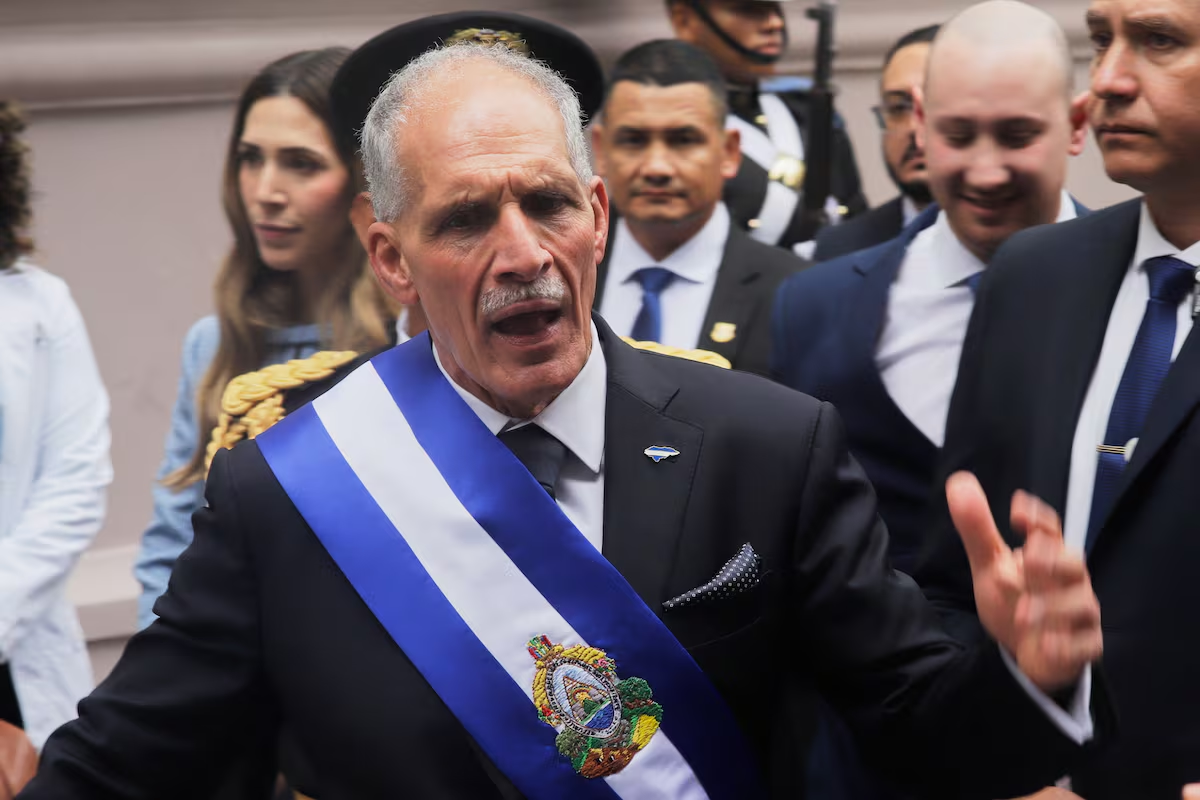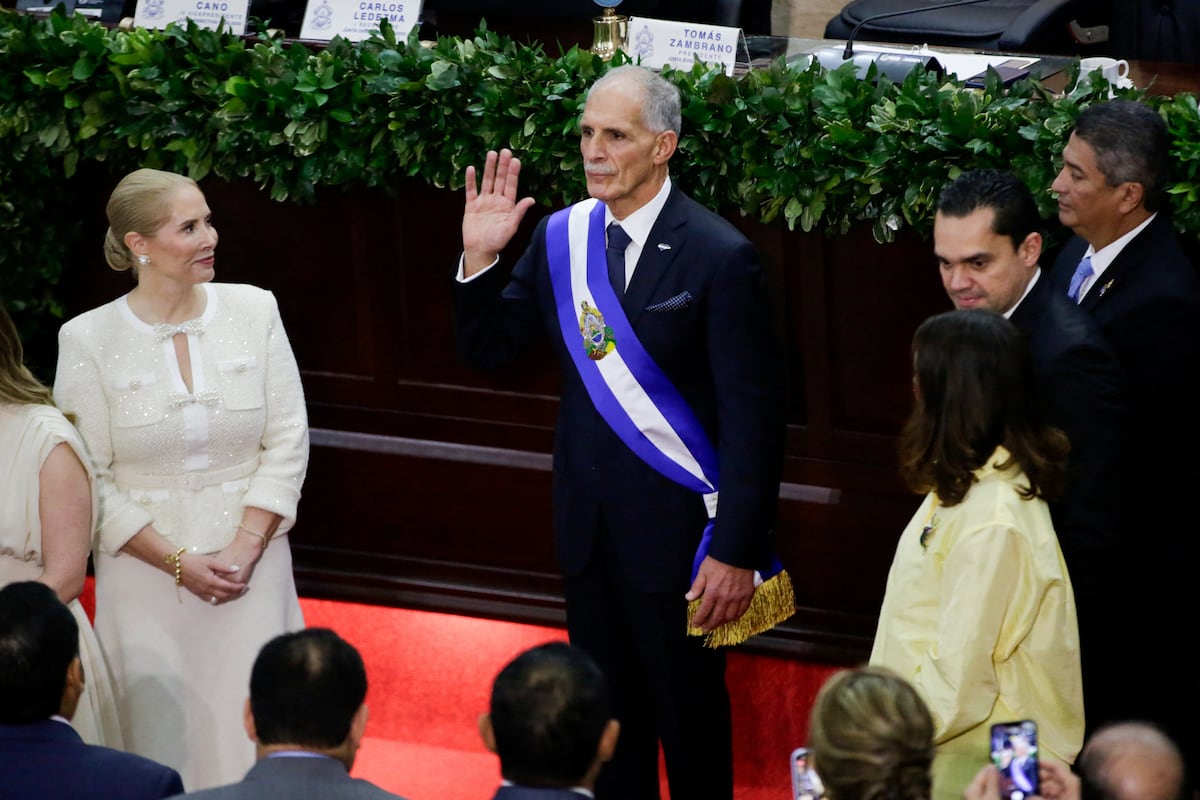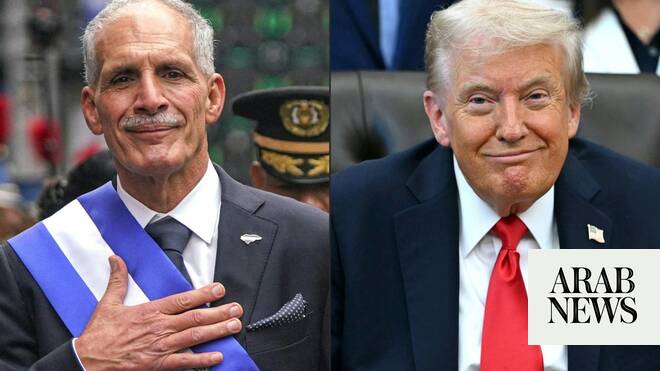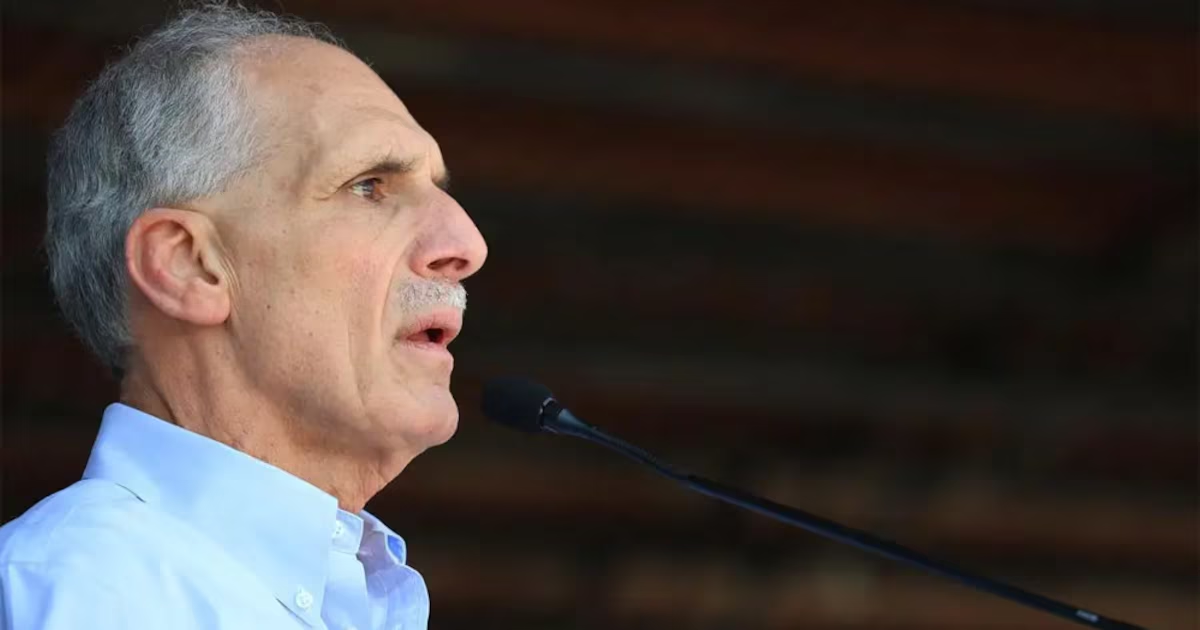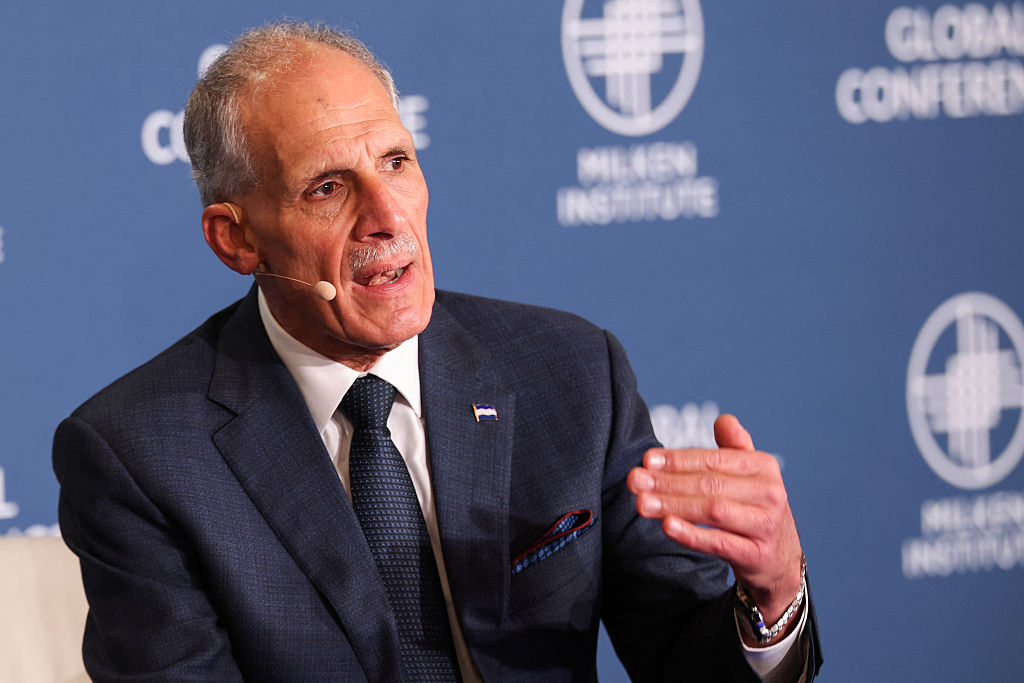
Reading Time: 5 minutesTEGUCIGALPA—When Nasry Asfura signed a decree to sell Honduras’ $14.8 million presidential plane on his first day in office, the gesture seemed to encapsulate the message that brought him to power: fewer symbols of privilege and a government focused on work and austerity. More than 100 days into his presidency, the promise coexists with a critical question: whether his administration marks a new beginning or the return of the National Party under the shadow of former President Juan Orlando Hernández.
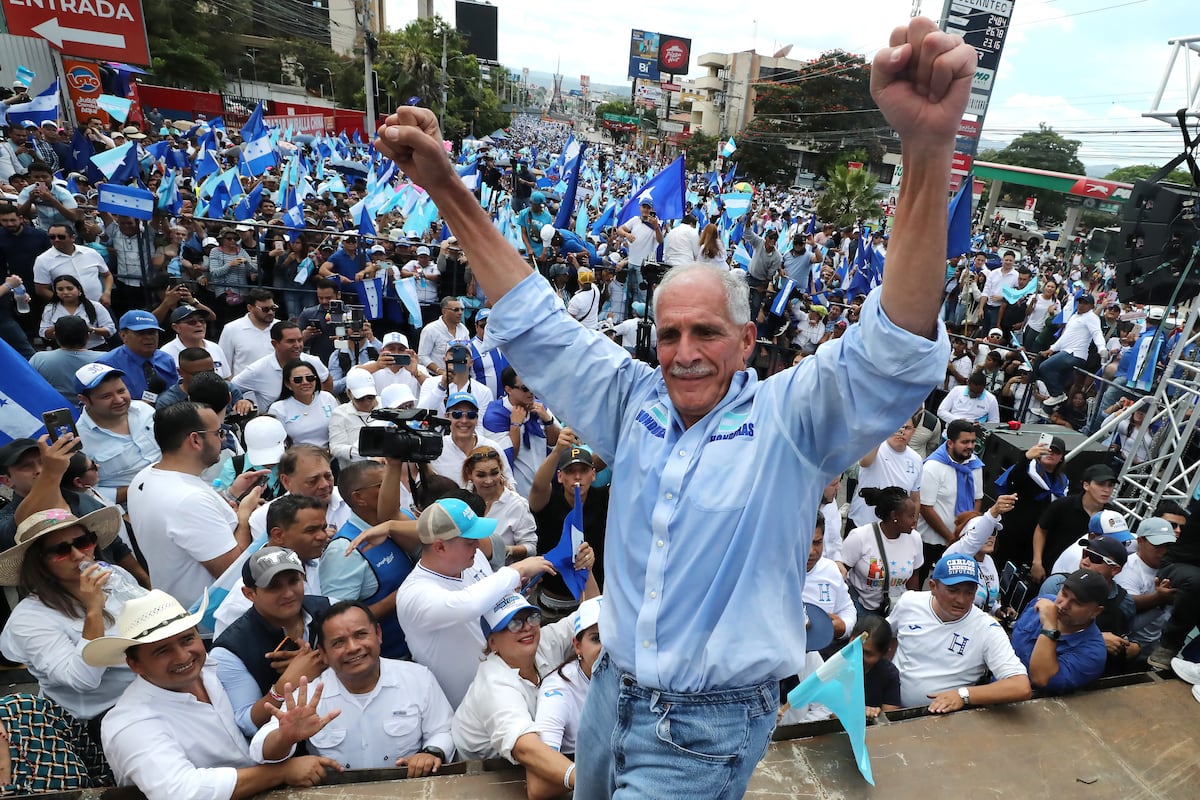
After winning the November 30 election by only a 0.74% margin over Salvador Nasralla, Asfura has sought to move away from the legacy of his predecessor, Xiomara Castro. Castro’s presidency expanded public investment and improved some social indicators, but failed to build a durable governing coalition in Congress, left its anti-corruption promise unfulfilled, and ended in confrontation with Washington.
Asfura is betting on a friendly Congress—where his National Party controls 49 of 128 seats, the largest bloc in the legislature—a close relationship with Washington, and initial backing from the private sector to navigate his first year in office. But he has yet to turn that advantage into a clear roadmap to address the country’s structural problems.