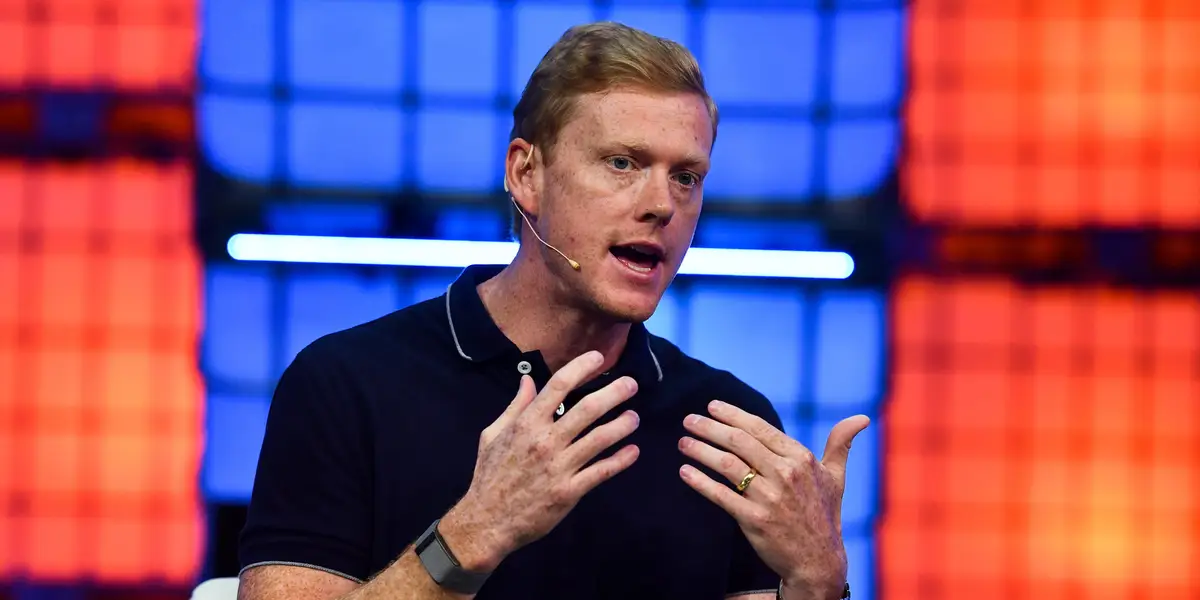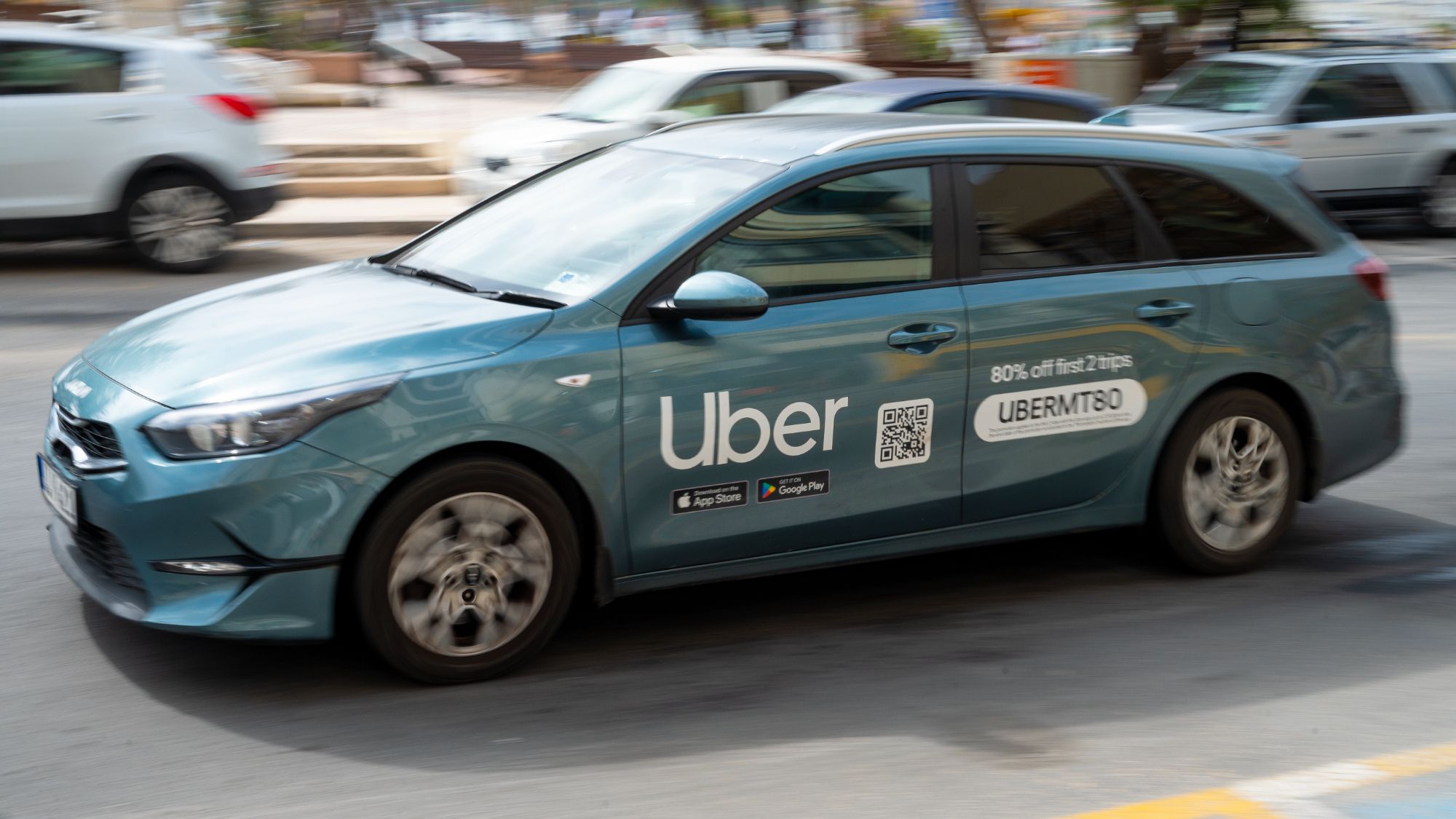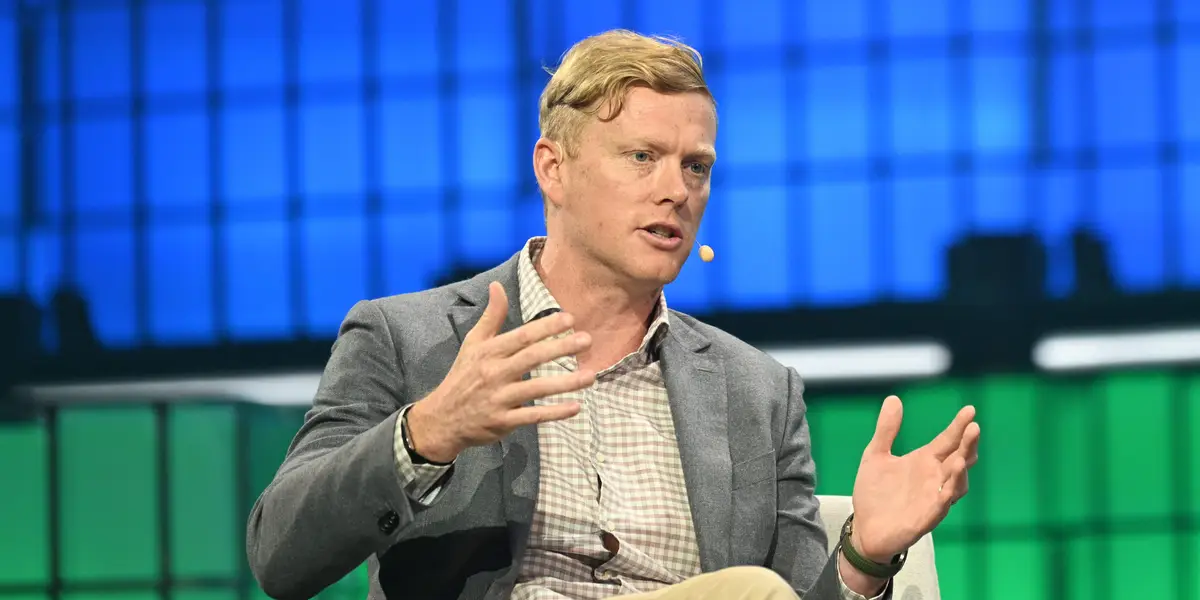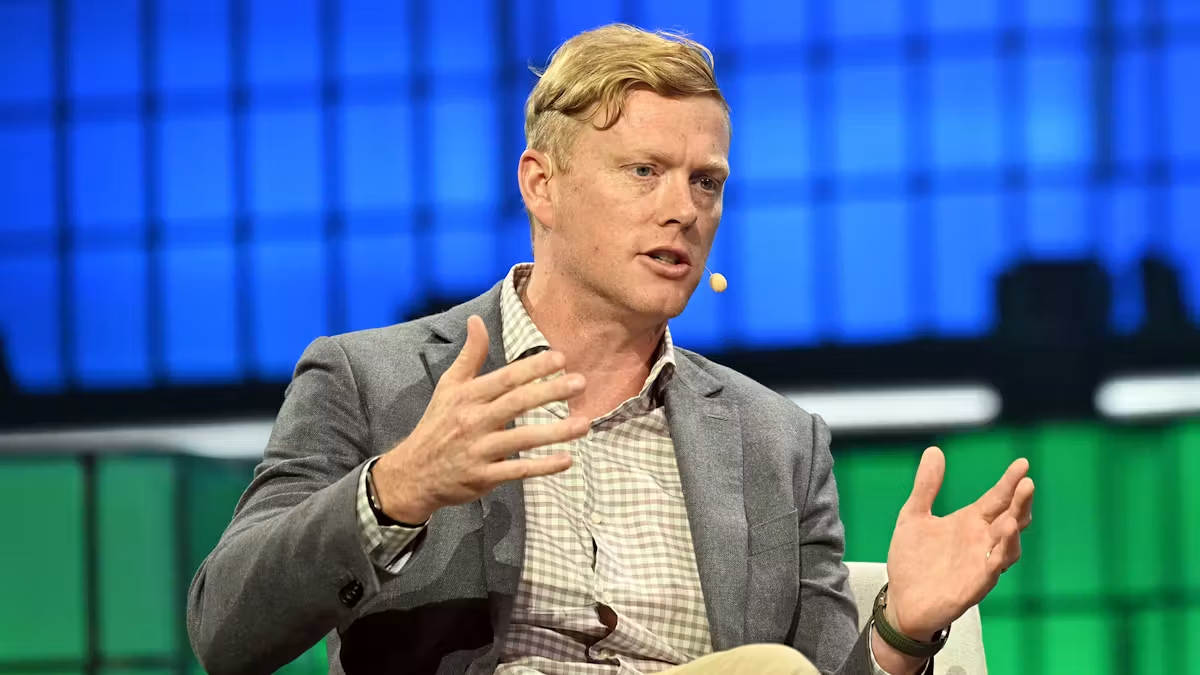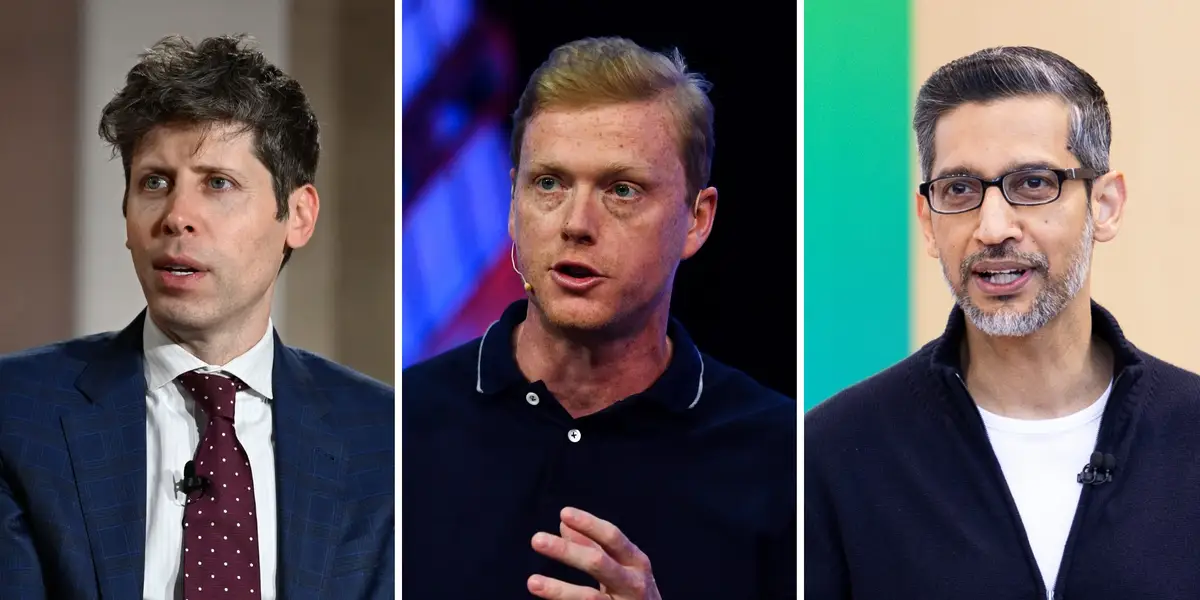
Image of Andrew MacDonald| Image Credit: ETtechThe race to integrate artificial intelligence into the workplace has become one of the most significant trends in the technology industry. The incorporation of AI technology has forced companies to use these tools excessively, invest vast amounts of money in them, and frame workplace productivity around AI-driven solutionsHowever, some businesses are now considering whether such increased levels of AI use are indeed helping them achieve the desired outcomes.That debate has come into sharper focus after senior executives at Uber publicly acknowledged concerns over the growing costs of AI tools and the difficulty of measuring their real-world impact.As stated by Business Insider, the company's chief operating officer, Andrew Macdonald, mentioned in a recently conducted interview on Rapid Response that it was becoming increasingly difficult for the company to justify their level of investment in AI technologies, especially when it came to something known as “tokenmaxxing” in the AI industry.Uber’s concerns over AI costsThis statement was made after Uber CTO Praveen Neppalli Naga's comment in an interview with The Information, where he mentioned that Uber had spent its entire planned budget allocated to the Claude Code by midyear 2026.The revelation sparked discussions in the company about how much the adoption of large language models costs and whether higher levels of token consumption have contributed to better experiences of clients. Speaking in the interview with Business Insider, Macdonald said discussions with senior engineering leaders made him realise there was no clear connection yet between increased AI usage and a proportional increase in useful consumer-facing features.Despite the fact that it seems cheap to try AI solutions at the staff level, it can become a major cost over time. As the article states, Uber had been considering the balance between AI spending and hiring new workers.Hiring slowdown linked to AI investmentsReportedly, Dara Khosrowshahi, the CEO of Uber, has also publicly spoken about the financial balance of implementing an expansion of AI services. Khosrowshahi stated in the Uber quarterly earnings report for Q1 2026 that the firm was reducing its hiring growth and diverting funds into AI investments.Additionally, it has been reported that Uber has implemented AI software across various divisions, including the engineering, marketing, and legal departments, with up to 10 per cent of the code changes produced by autonomous AI systems. Nevertheless, Uber's management seems to be wary of making any assumptions regarding the correlation between enhanced use of AI services and improved business value.This concern is spreading rapidly among technology companies.Image of Andrew MacDonald| Image Credit: ETtechDuolingo steps back from AI performance metricsOne such firm re-evaluating its stance on how much employees should be driven to use AI is language learning platform Duolingo. As per reports, CEO Luis von Ahn of Duolingo told his team he had decided to abandon the firm’s previous policy of including AI usage in performance appraisals following internal confusion and complaints from the staff.In a podcast interview, Ahn said employees had raised concerns about whether they were being encouraged to use AI tools simply for the sake of using them rather than because they improved outcomes. Ahn conceded at a later point that the firm had, in effect, “backed off” on the plan and did not want the use of AI to be a forced metric in employee evaluations anymore.This development is symptomatic of a trend emerging throughout the tech world as organisations market their adoption of AI as an efficiency boost but simultaneously find themselves under mounting pressure to prove whether such measures are paying off.Research questions whether more tokens improve resultsRecent academic research also called into question the correlation between increased token usage and performance improvements. Specifically, a study posted analysing AI coding agents revealed that more tokens did not correlate with higher accuracy and better results. According to reports, the highest efficiency was achieved in terms of performance at medium costs and would eventually level off even with an increase in token usage.Also, the study revealed significant variance in token usage while working on agentic coding assignments, which demonstrated the volatility of AI spending in such tasks.For businesses heavily utilising generative AI technology, the findings point to a clear challenge: increased use of AI will not automatically lead to proportionate increases in profit. With further experimentation and utilisation of AI tools, companies are now concerned more with efficiency and ROI rather than just token usage numbers.
Uber COO Andrew Macdonald says AI 'tokenmaxxing' is becoming harder to justify
The race to integrate artificial intelligence into the workplace has become one of the most significant trends in the technology industry. The incorporation of AI technology has forced companies to use these tools excessively, invest vast amounts of money in them, and frame workplace productivity around AI-driven solutions
727 words~3 min read