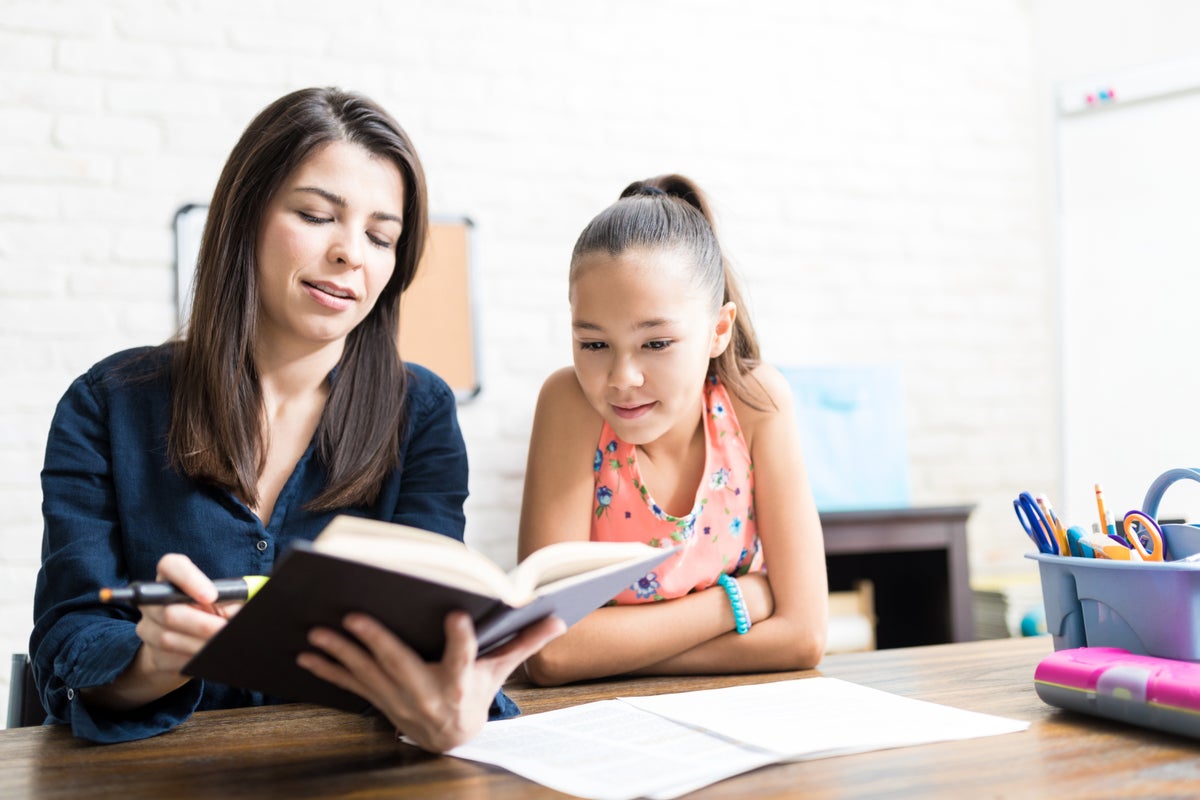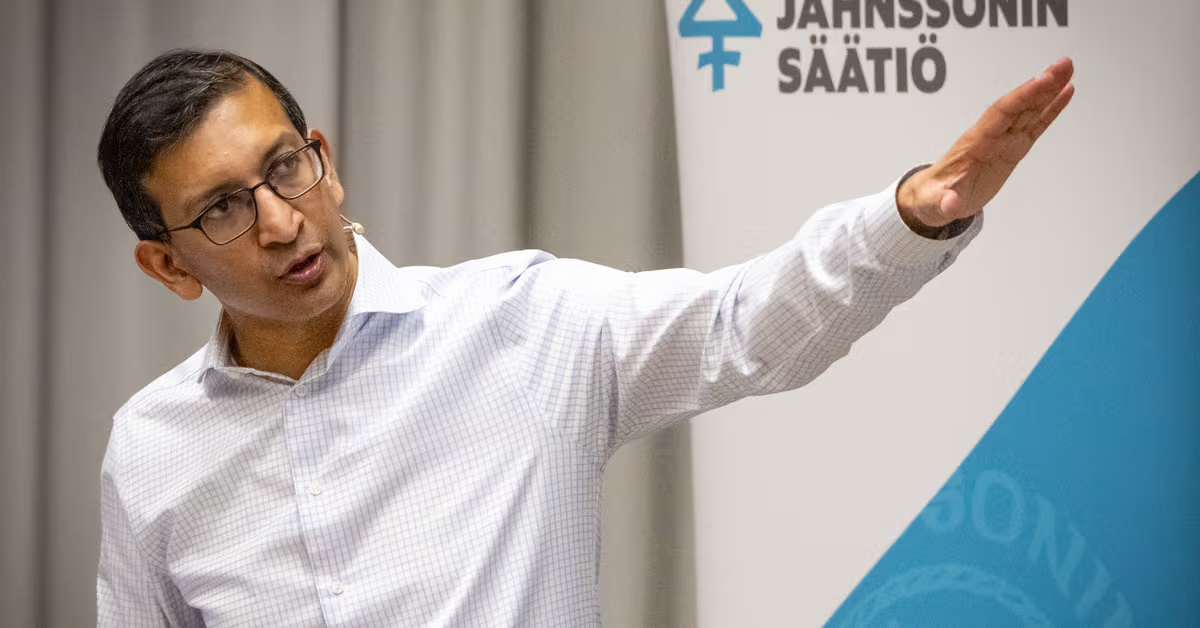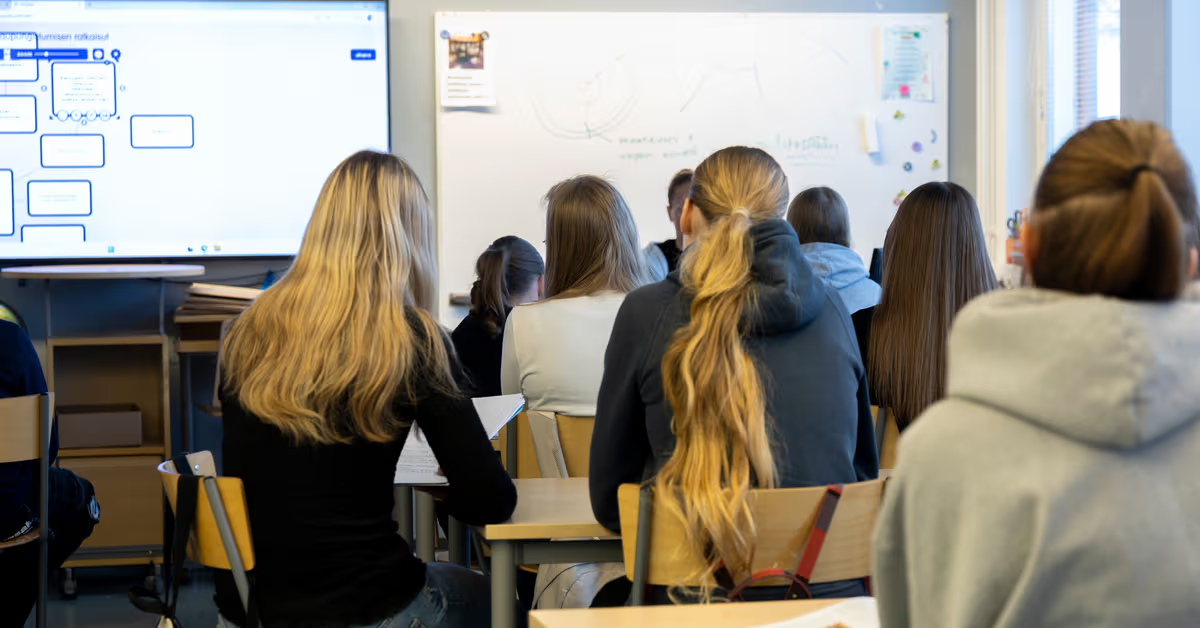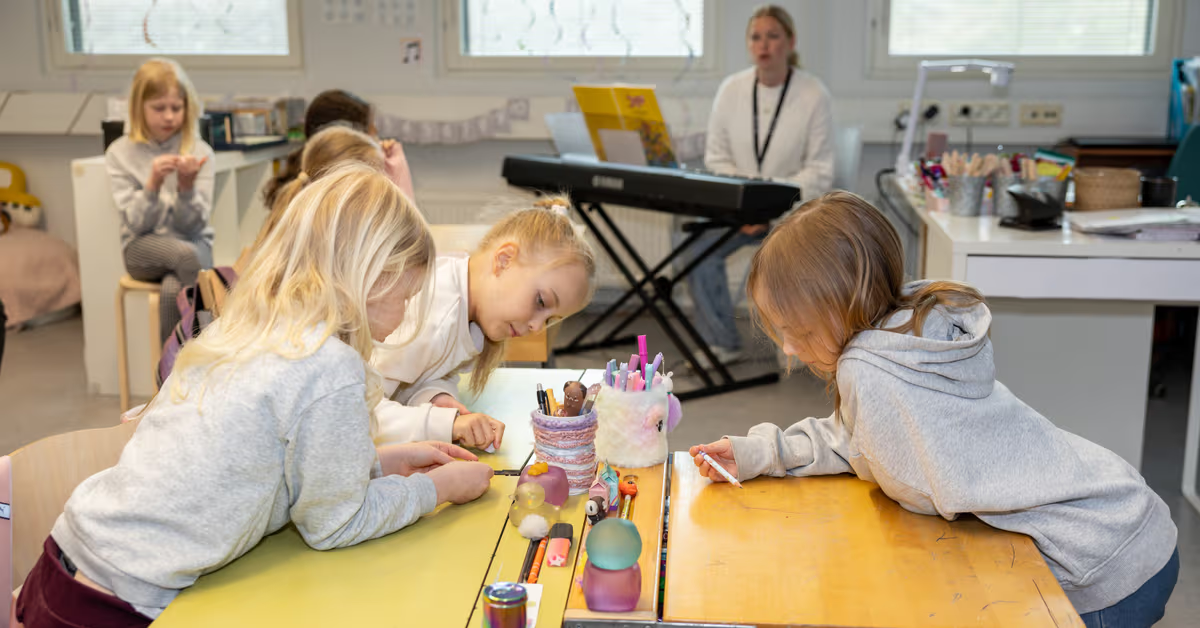
Finland's Security and Intelligence Service (Supo) has expressed concern about the rise of homeschooling in Finland.The practice has increased rapidly in Finland in recent years, but the phenomenon remains relatively small. Last year, some 0.18 percent of Finnish pupils — or just under a thousand children — were educated at home.What's significant is that the number has tripled over the past seven years.Anna Santaholma, a senior researcher at Supo, said the agency is worried about segregation. According to her, homeschooling environments can become social bubbles in which children have little contact with people outside their immediate community.Supo is concerned about extremist ideological teaching, including far-right and radical Islamist influences, according to Anna Santaholma. Image: Antti Haanpää / YleYle visited two homeschools — institutions operating outside Finland's official education system.While their activities may resemble those of ordinary comprehensive schools, they lack formal accreditation and cannot issue official school-leaving certificates in grade nine, when lower secondary school ends."School segregation is linked to residential segregation. It can involve people moving away from areas where they perceive a lack of safety. In that sense, opting for home schooling is an extreme form of educational segregation," Santaholma said.She added that children becoming excluded from society and the polarisation of social groups can lead to serious developments, particularly if they become more widespread."Schools can potentially be used for activities that threaten security, especially over the longer term," Santaholma added.In Lappeenranta, Hanne Huoso, whose two kids go to a homeschool called Omenapuu ('Apple tree'), said she is puzzled by Supo's concerns. She told Yle she chose homeschooling primarily for safety reasons.Mother Hanne Huoso says safety concerns drove her to homeschool. Image: Jari Kovalainen / YleHuoso said their 15-pupil primary-school group is tight-knit, and the strong sense of community creates a feeling of security.Omenapuu uses the same books as regular Finnish schools. Pupils study standard subjects such as math, Finnish and religion. Christianity is present in the school's daily life with Bible quotations visible on the walls.Pauliina Korhonen, chair of the board of the association running the school, Kristillinen kasvatus Omenapuu ry, said that despite this, religious beliefs do not influence the teaching.The association has applied for an official licence from the government, but without success.Children at Omenapuu spend their recess in the same yard as pupils from the neighbouring school. Image: Jari Kovalainen / YleIn Finland, a decision to move to homeschooling requires only a notification to the child's local school. Each homeschooled pupil is assigned a supervising teacher, but that teacher is not necessarily required to meet the child in person.Santaholma draws attention to the issue of supervision. Oversight issues have also been highlighted in the case of the missing Karf family.She warned that gaps in supervision may mean homeschooling is not always a safe environment."Anyone can act as a teacher. Instruction can be of any kind, and the 'school' itself can be anything," she explained.Authorities also do not have precise data on how many homeschooling arrangements exist in Finland.Supo's concerns currently extend to a few dozen homeschooled pupils. Santaholma said some actors may seek to transmit extremist ideology through homeschooling.At the same time, she emphasised that neither homeschooling in general nor specific ideologies typically constitute a national security threat.Hanne Huoso, whose children attend Omenapuu, questioned concerns that homeschooled children become detached from the world.She said her kids meet neighbours, friends through hobbies, and other people daily.Huoso compared homeschooling to the village schools that were once typical in Finland."People grew up in them perfectly normal," noted Pauliina Korhonen, who chairs the association running Omenapuu.Omenapuu's classrooms resemble regular classrooms. Image: Jari Kovalainen / YleYle also contacted another homeschooling provider.Mariam Guled, a teacher at Taatelipuu ('Date palm') operating in Helsinki, was initially hesitant to give an interview.Despite their similar names, Omenapuu and Taatelipuu are unrelated.At Taatelipuu, the teaching reflects Islam rather than Christianity. Guled said she has faced considerable prejudice because she works in homeschooling and is Muslim."I am a qualified classroom teacher. I do the same things as I would in a public school. I just happen to be a Muslim and wear a headscarf," Guled told Yle.She added that she is soon graduating with a master’s in education. According to her, pupils use materials from publisher Sanoma Pro and study subjects in line with the national curriculum.Taatelipuu is smaller than Omenapuu and resembles an informal, club-like home-schooling environment."We are not the kind of place where we constantly sit and study religion," Guled said, referring to common misconceptions.
Homeschooling worries Finnish security agency, but not homeschoolers
Yle visited two homeschools operating outside Finland's official education system.
741 words~3 min read