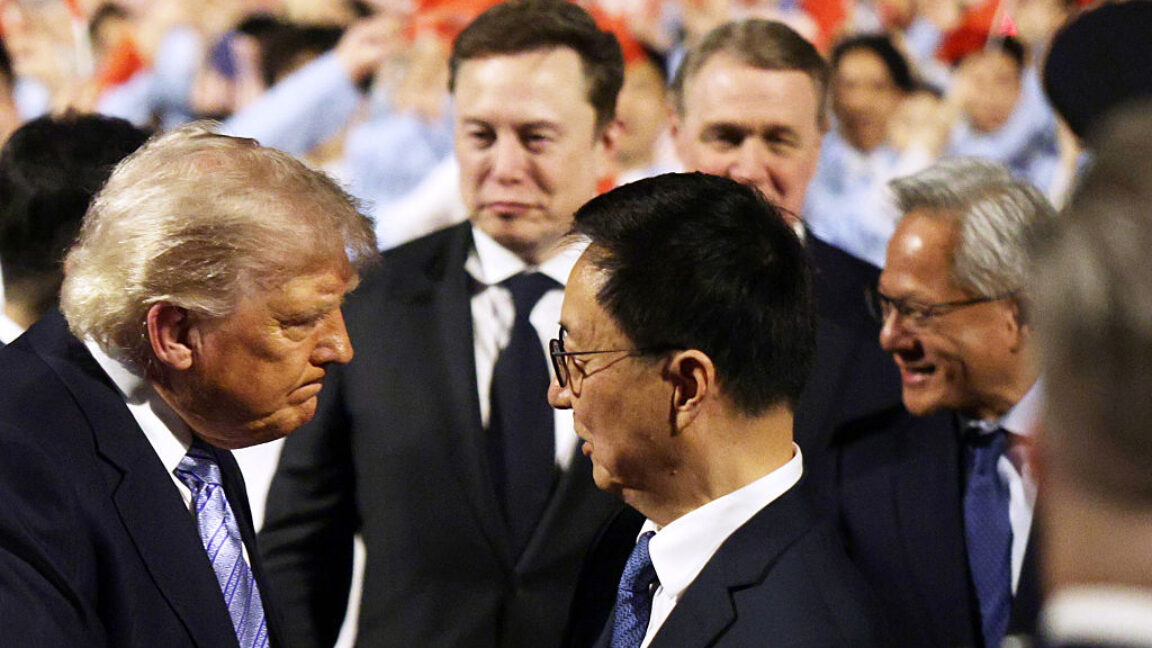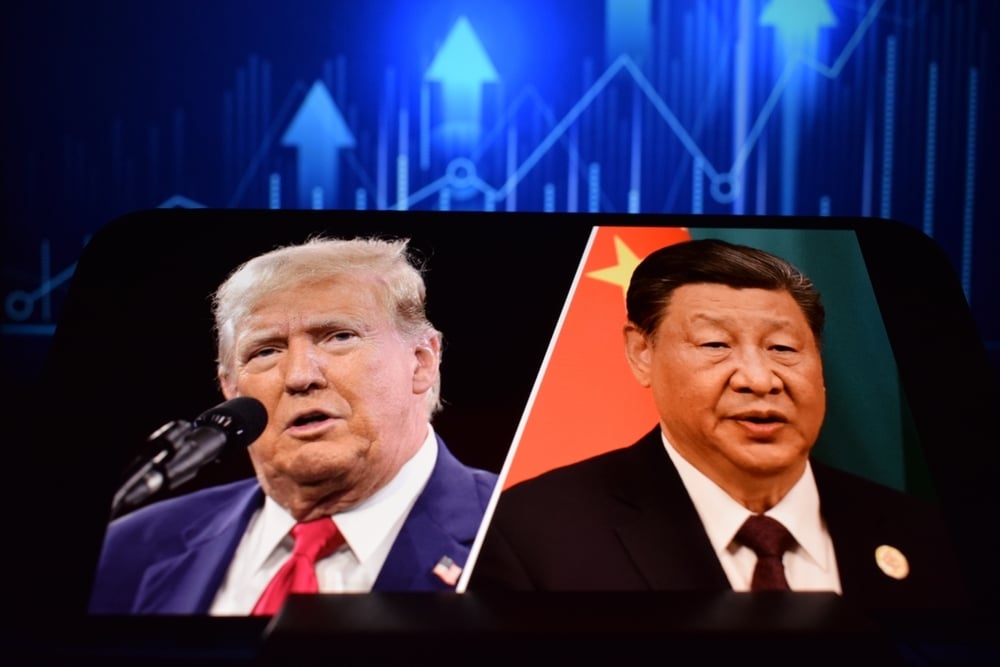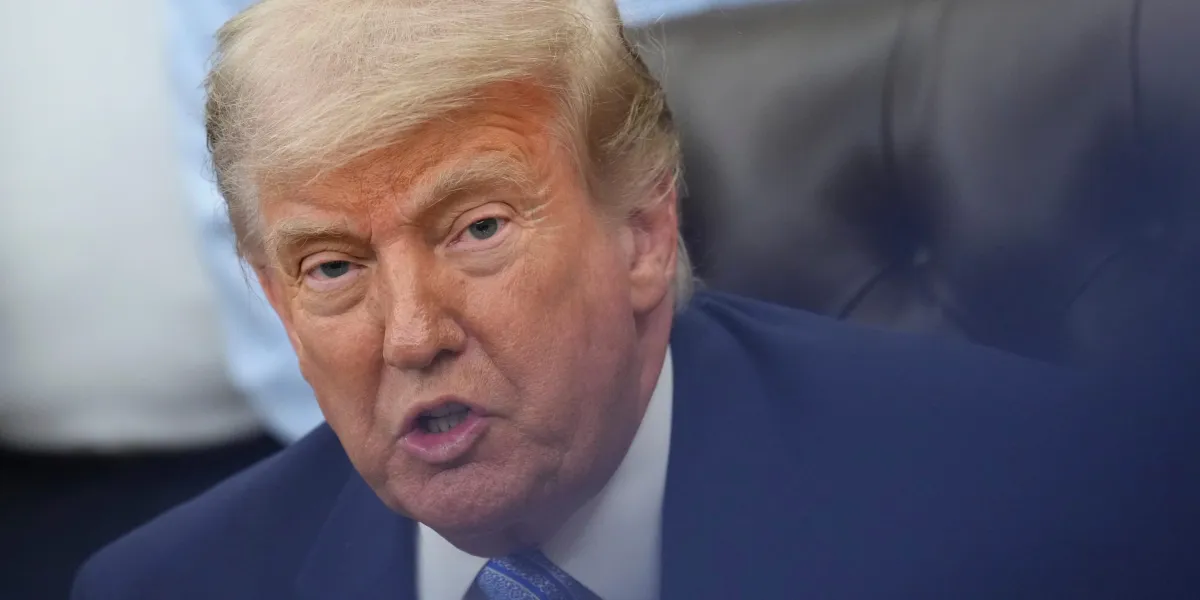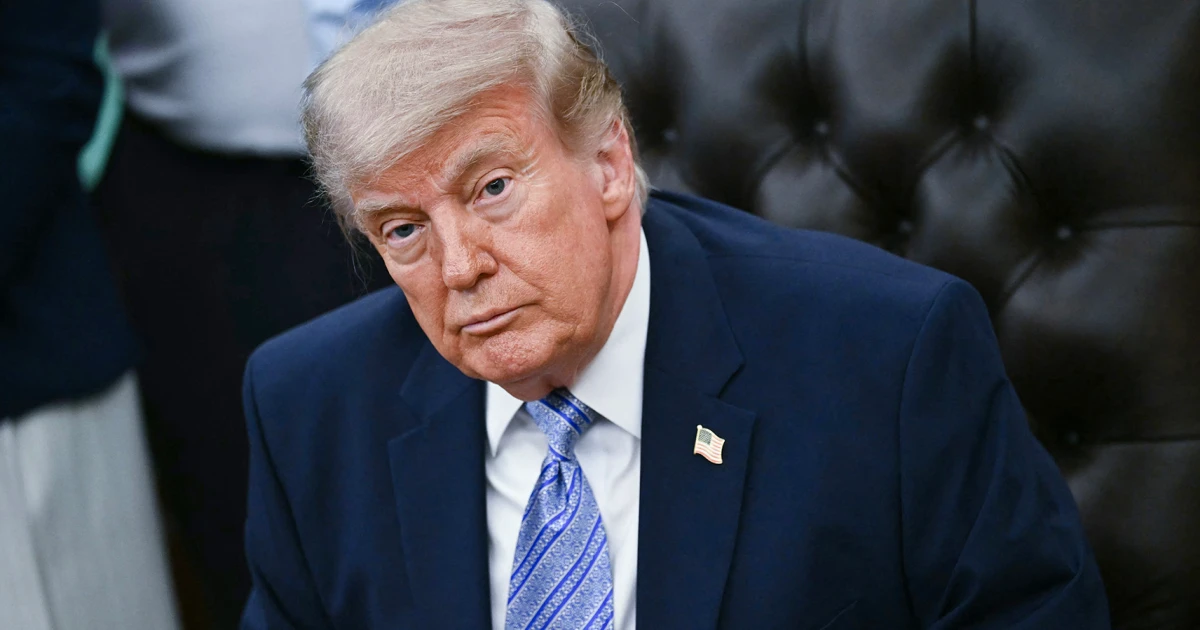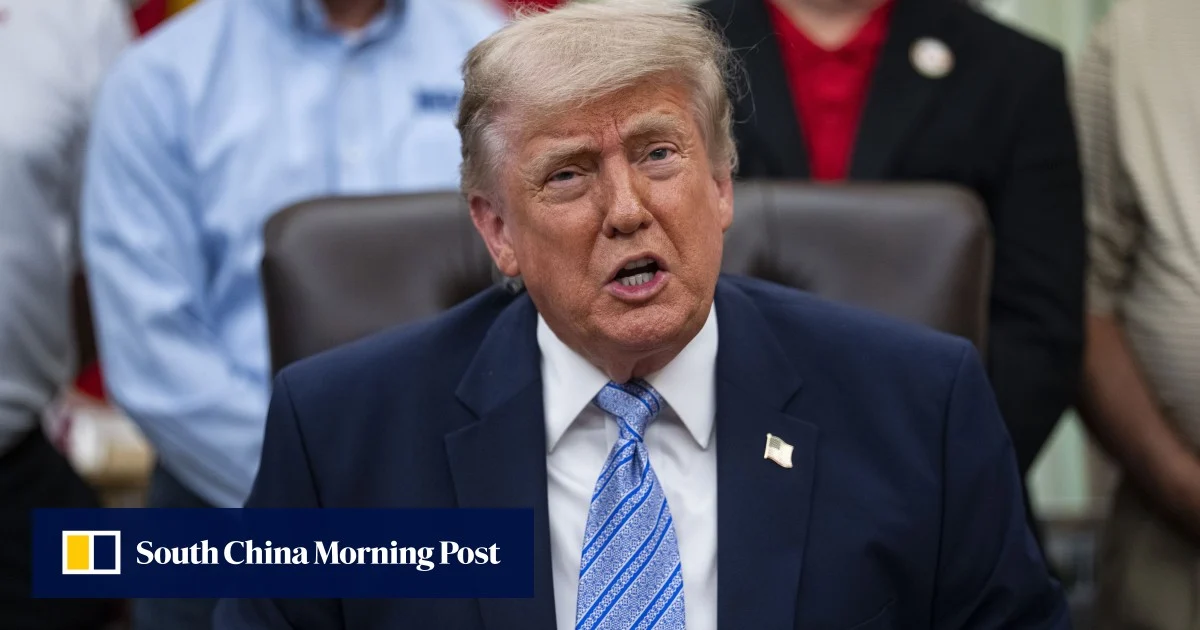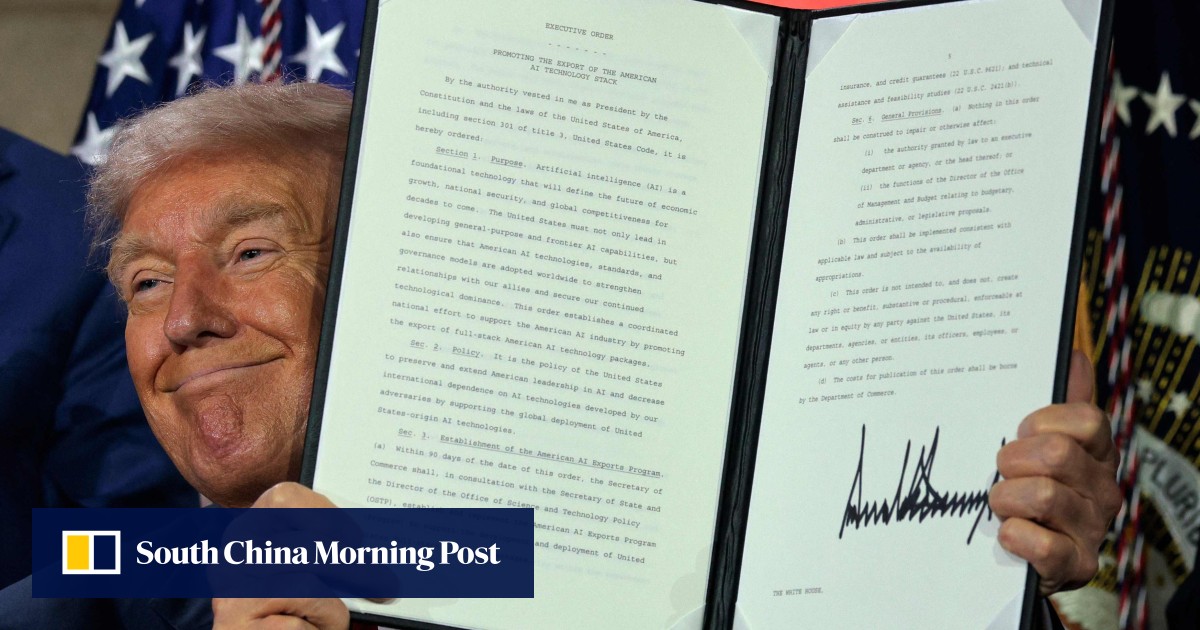
“We’re leading China, we’re leading everybody, and I don’t want to do anything that is going to get in the way of that lead,” Trump told reporters last week, according to CNBC. “I really thought [the order] could have been a blocker.”While the White House walked back its AI model approval plans because of its fierce AI rivalry with China, the latter had already implemented a registry system since 2023. Here’s how China regulates its growing number of large language models and AI services as the two countries consider opening a dialogue on the rapidly advancing technology.What are Chinese firms required to do before releasing their AI products?AI model and application developers in China need to report their products ahead of release to the Cyberspace Administration of China (CAC), China’s top internet regulator, under a complex, layered registration framework.In a process known as generative AI services filing, large language model developers such as DeepSeek, Zhipu AI, Alibaba Group Holding and Tencent Holdings are required to submit a comprehensive set of documents to the authorities. Alibaba is the owner of the South China Morning Post.Filing documents include a security self-assessment report, a keyword interception list and testing questions. The company must first send them to the provincial level CAC for review, followed by the central CAC. The generative AI services filing procedure usually takes three to six months, according to a blog post by AllBright Law Offices in March.Firms offering AI applications such as AI agents that use the application programming interface of approved third-party models, on the other hand, follow a simpler framework known as generative AI services registration. This does not require a security self-assessment report and is only reviewed by the provincial-level CAC.As of April this year, there were 868 filed generative AI services and 530 registered ones in China, according to updates the CAC publishes every few months.
How does China regulate AI while the US pulls back on oversight under Trump?
As the US walks back its AI model approval plans due to fears of losing its competitive edge, China has already set up a registry system.
311 words~1 min read