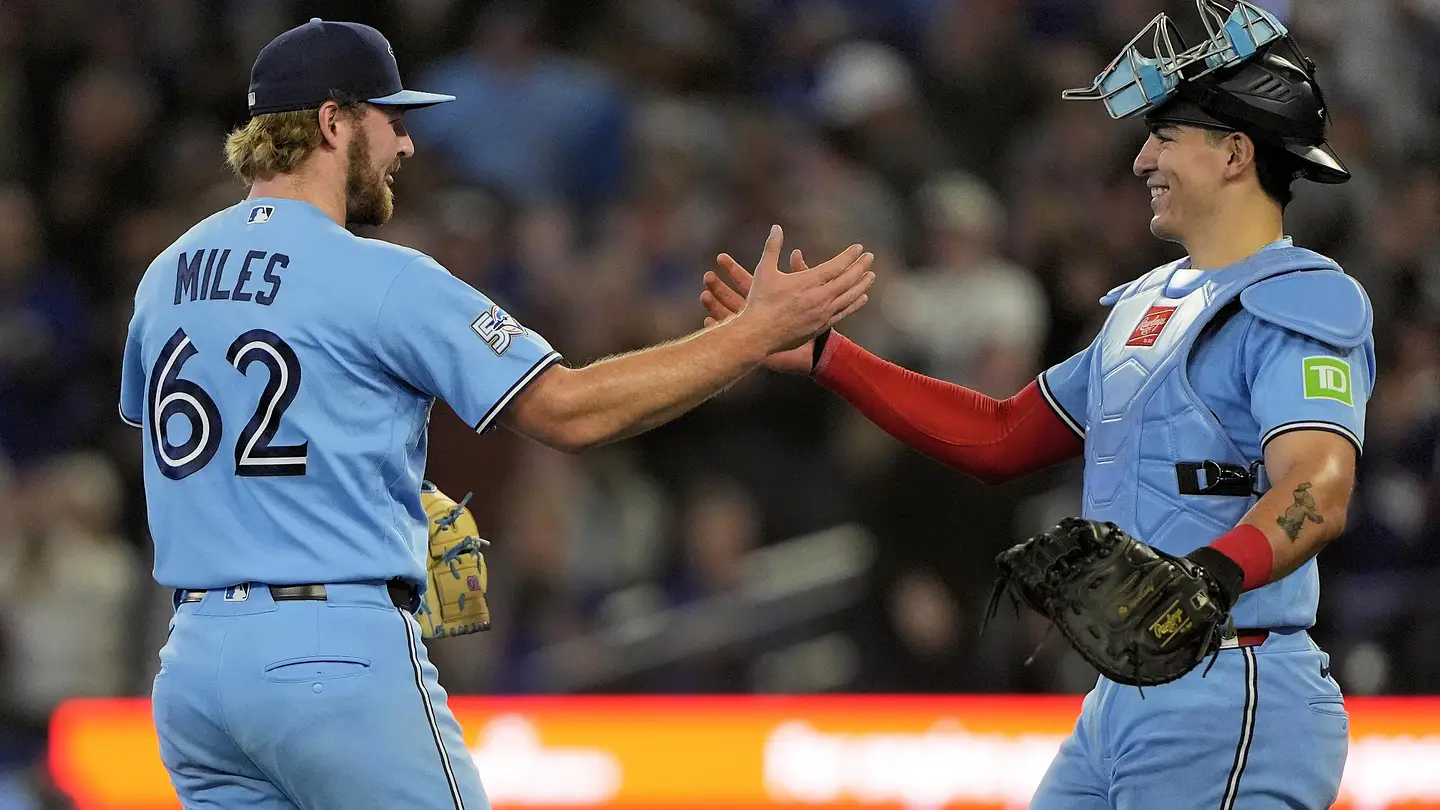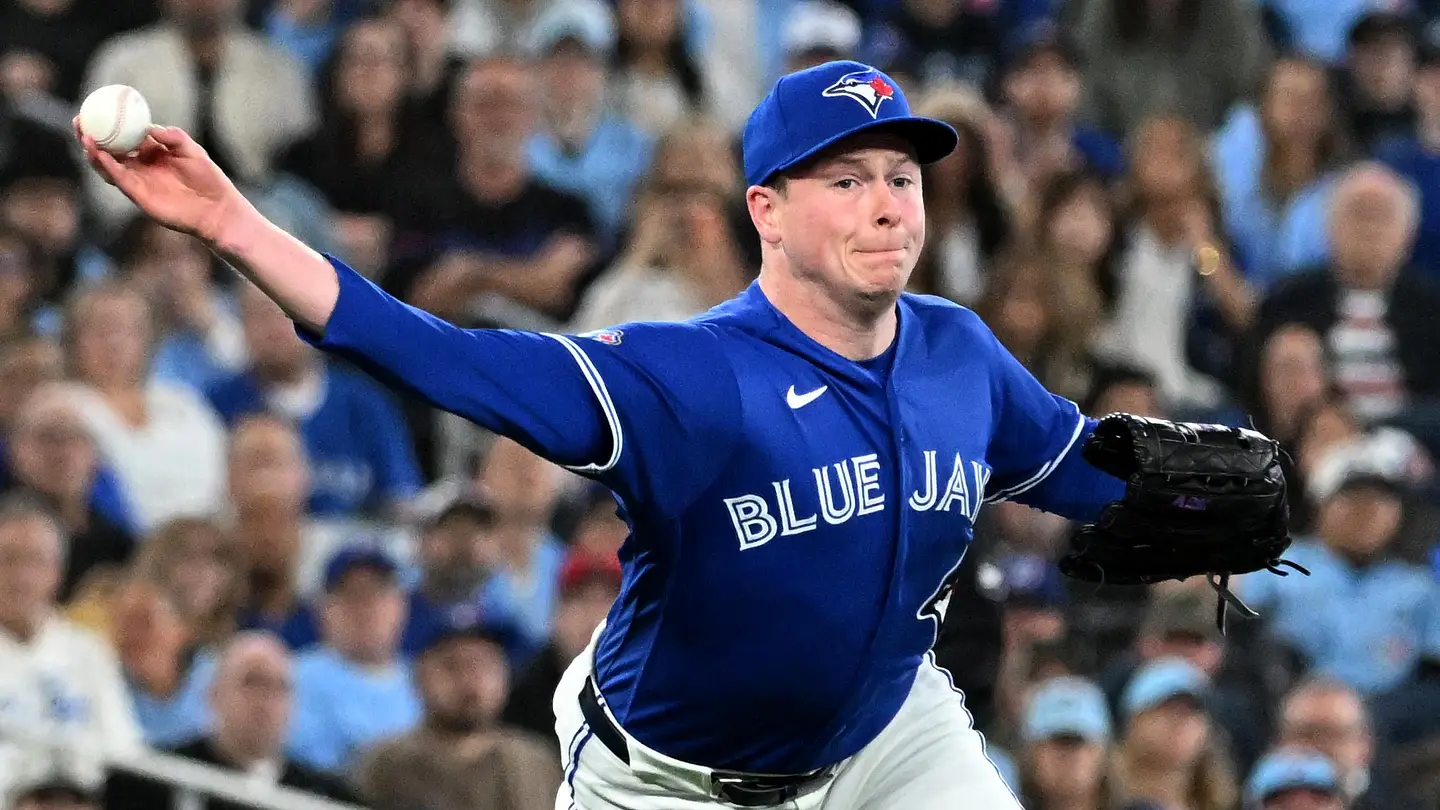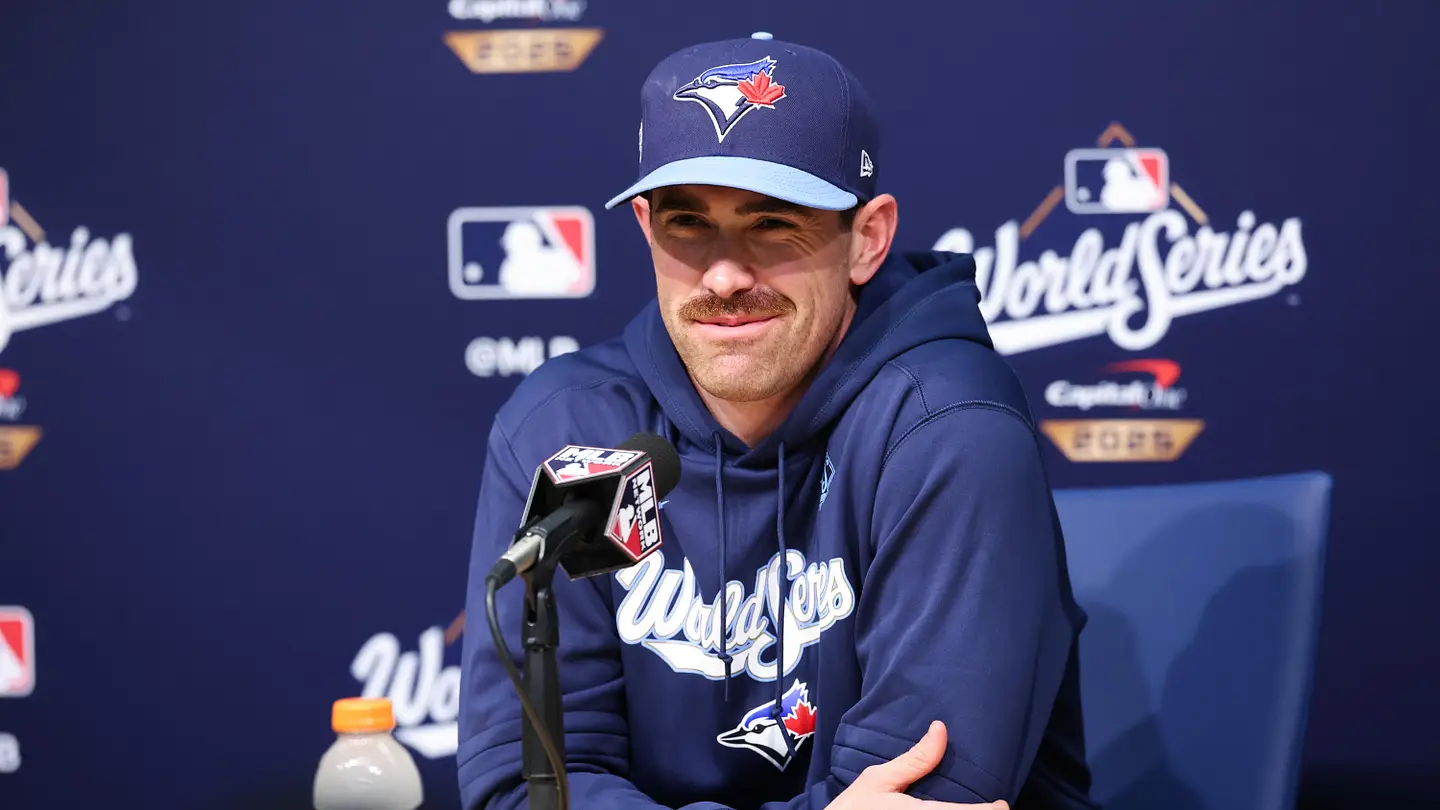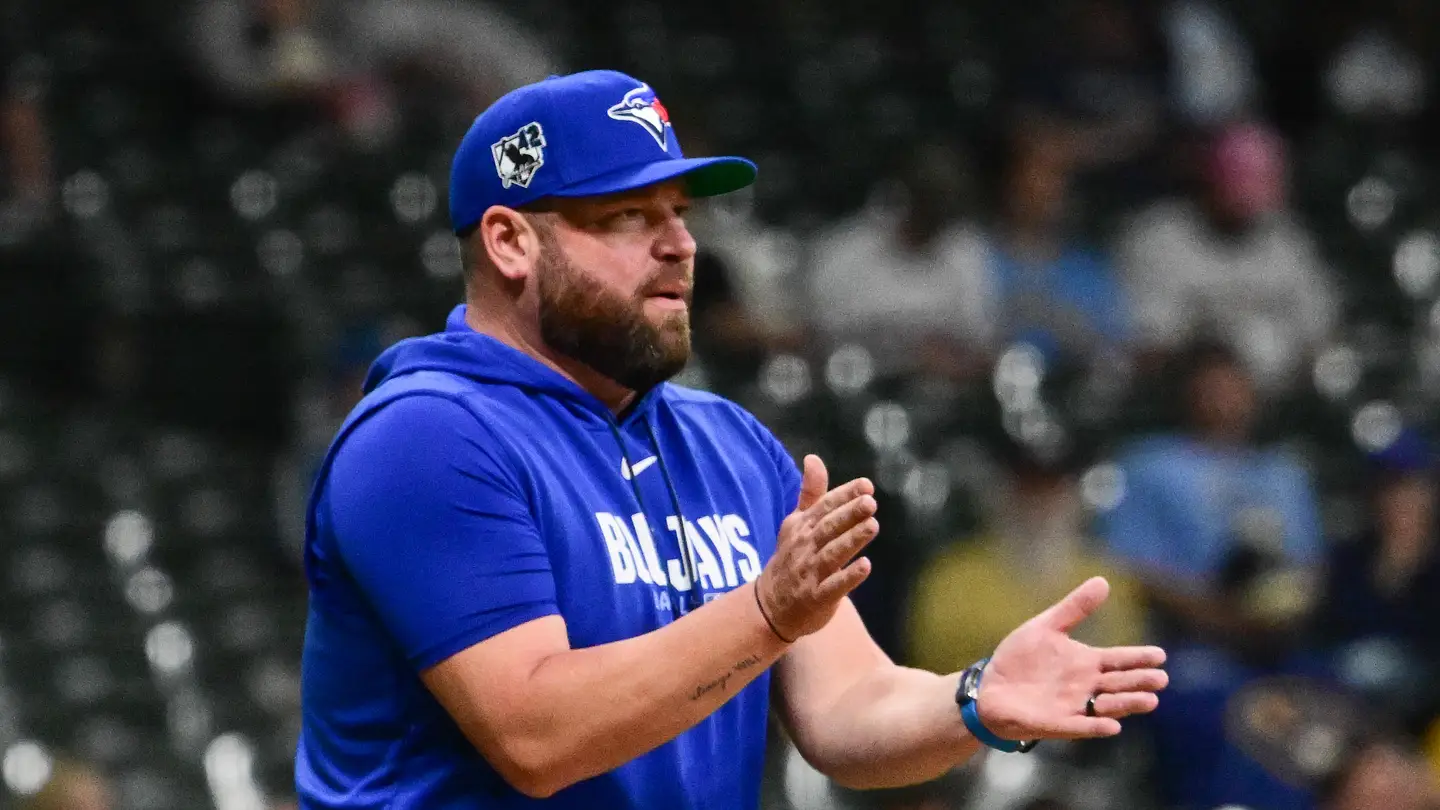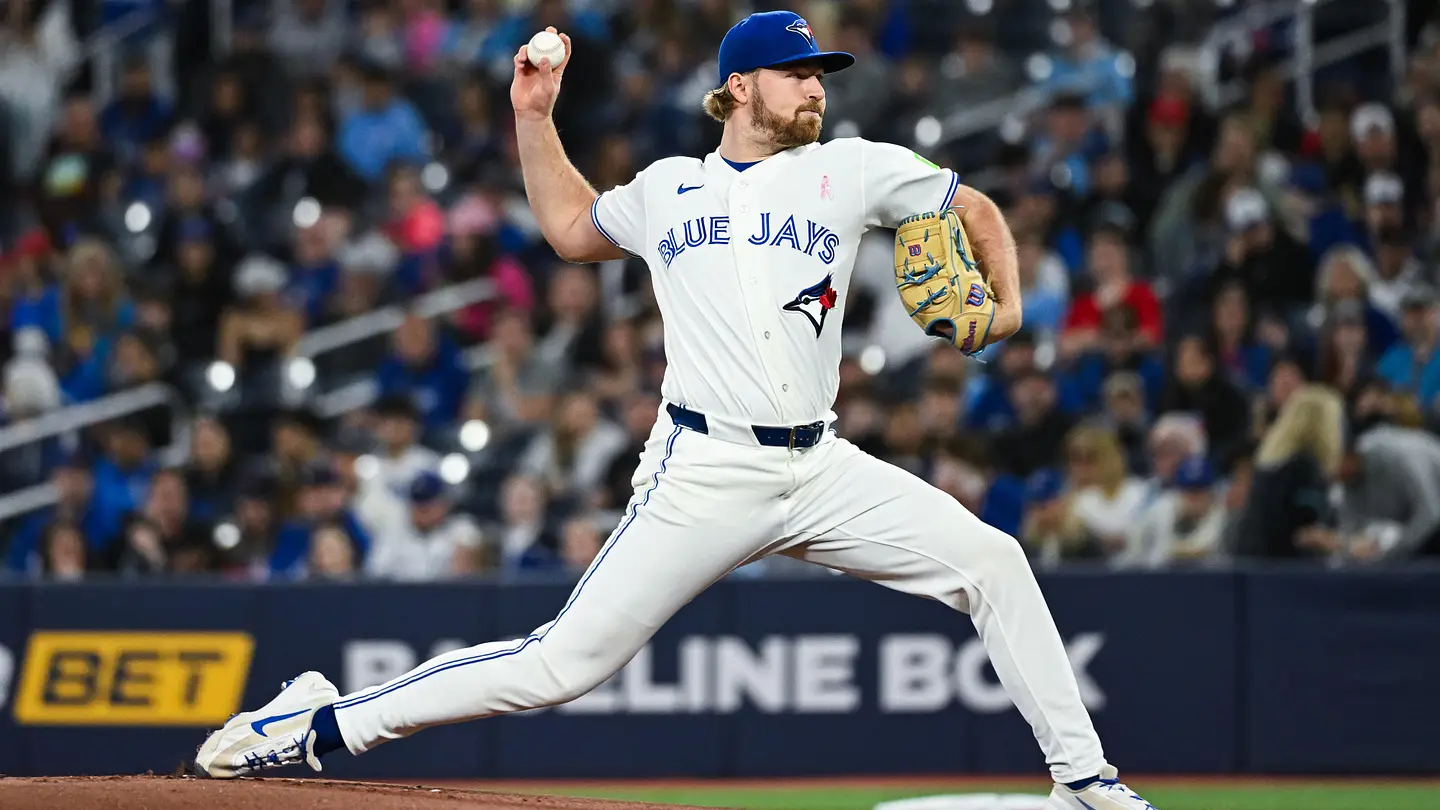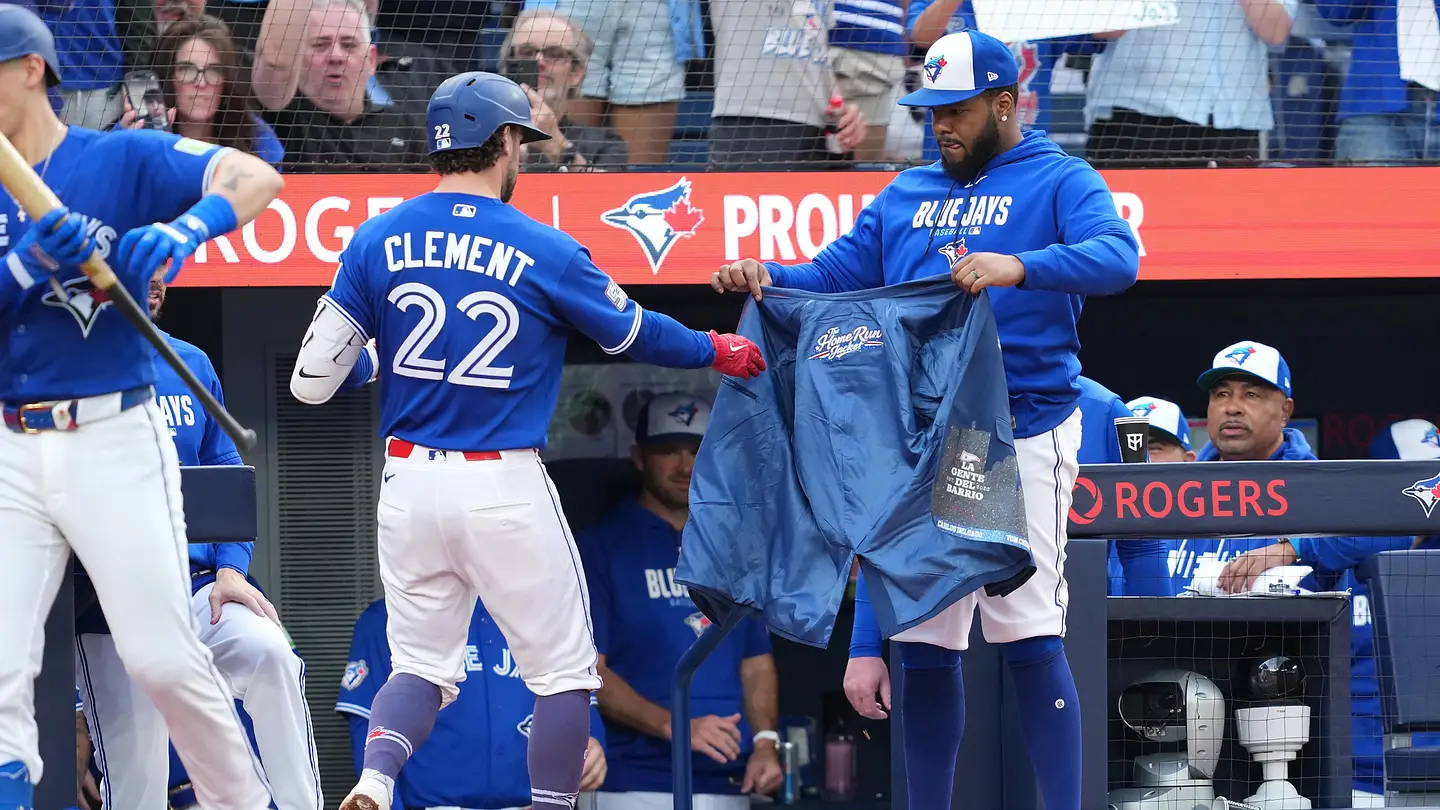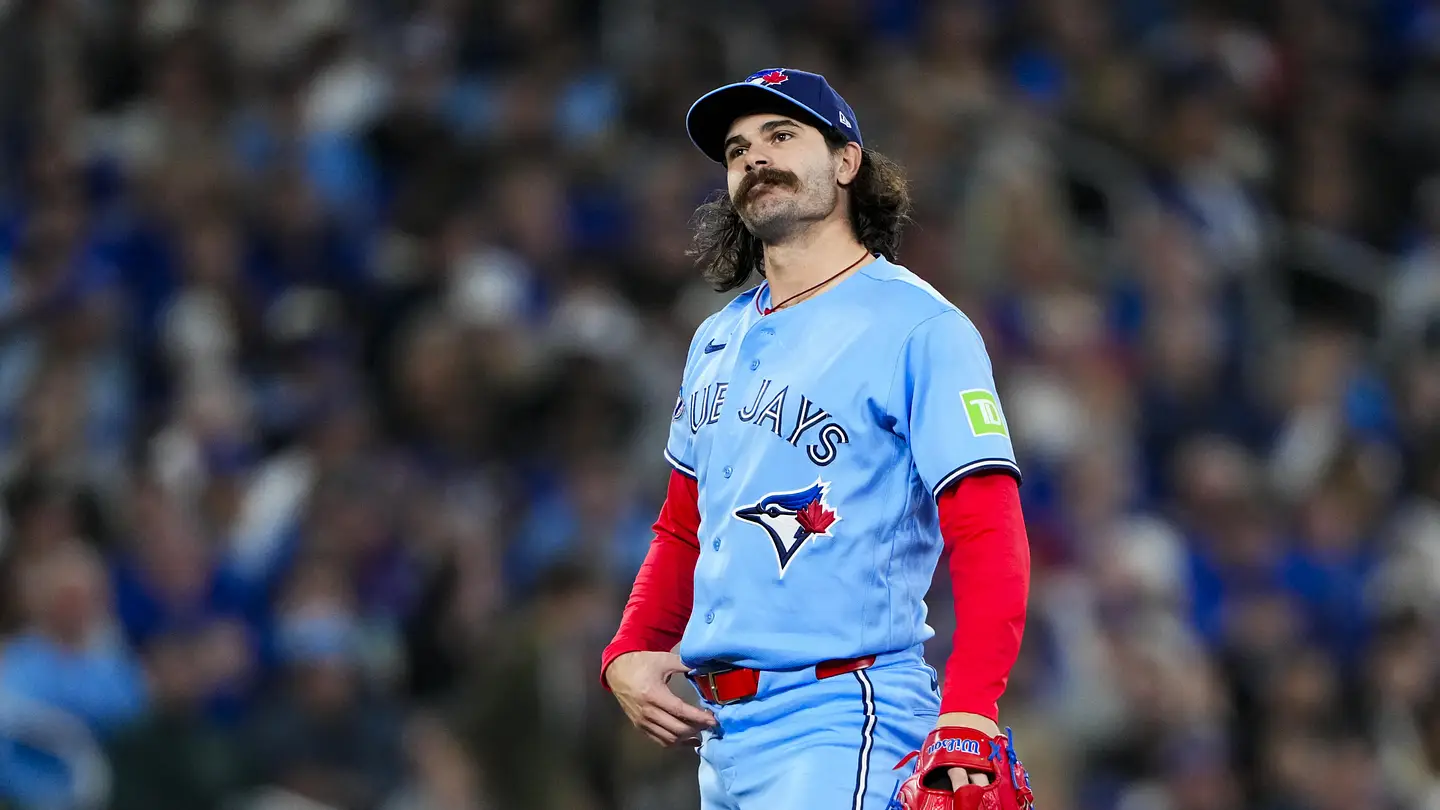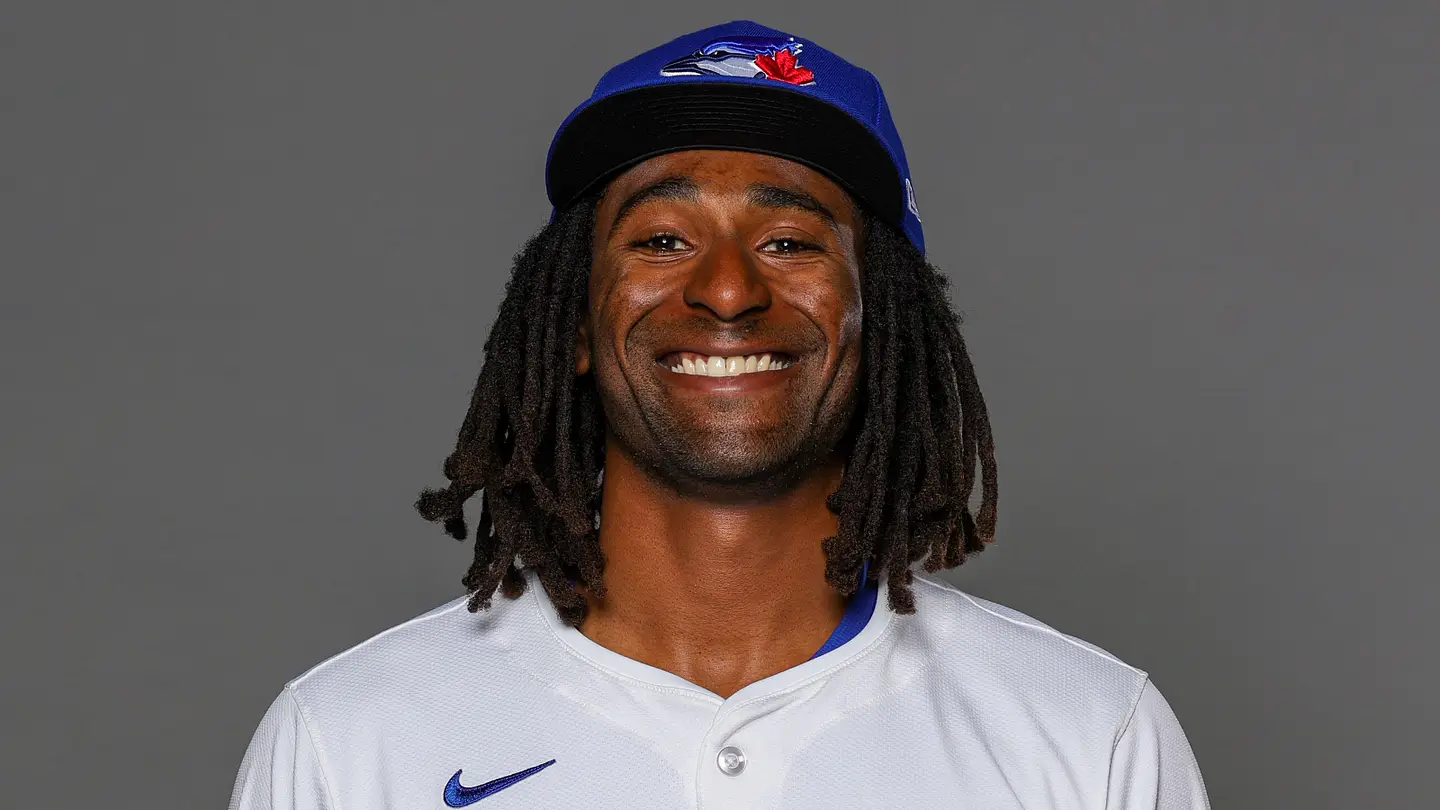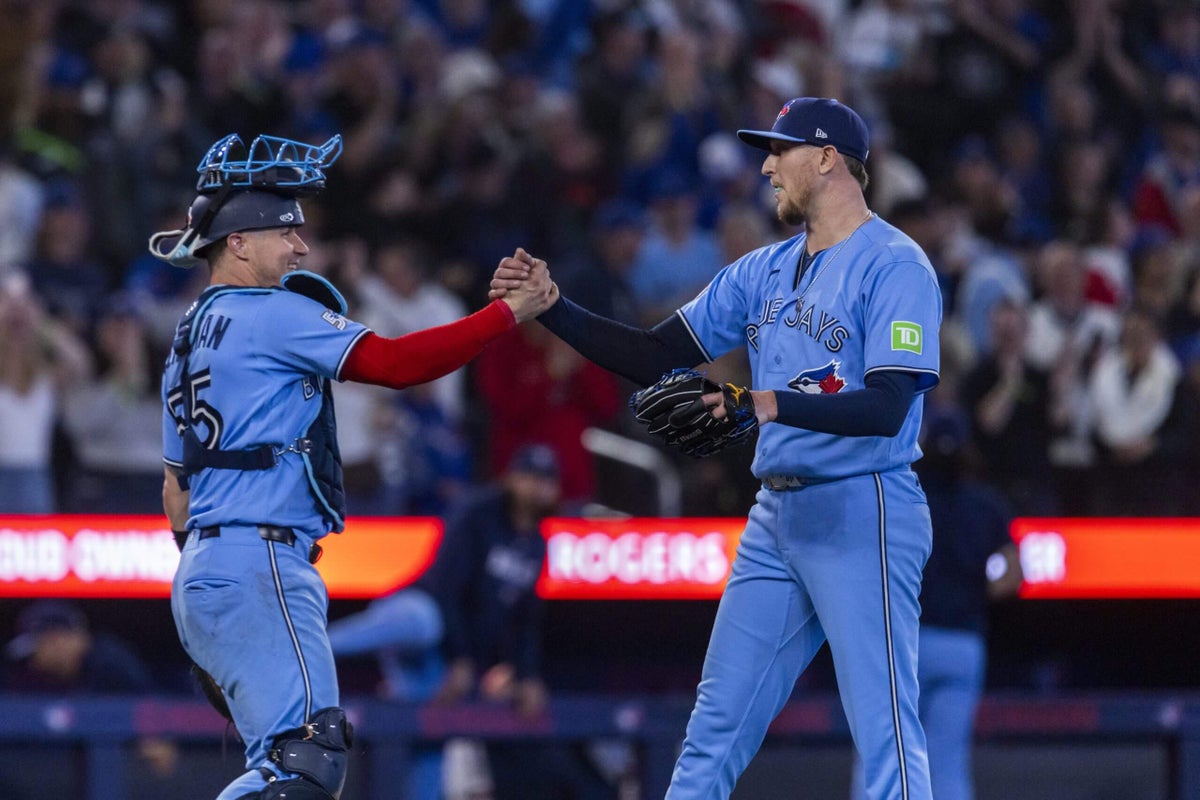
TORONTO — The Miami Marlins’ hits kept finding turf on Monday — down the foul line, over some defenders and in front of others. So the Toronto Blue Jays (25-29) followed a four-game win streak with consecutive losses, falling 8-2 on Monday.Aside from Nathan Lukes’ return and Tanner Andrews’ debut, there isn’t much the Jays will want to carry forward from Monday’s loss. So here are four Blue Jays notes on players and news that’ll have a real impact on Toronto’s long-term hopes.Jeff Hoffman’s throwback adjustmentIt was the sort of swing Jeff Hoffman was waiting for. With two strikes and two outs in the ninth inning of last Thursday’s finale against the New York Yankees, Paul Goldschmidt chased a bad pitch. The slider started near the bottom of the zone, fell off the table and bounced at home plate. Goldschmidt, lashing through the unhittable delivery, just stood in dismay.The swinging strike sealed Hoffman’s first save in a month — a 12-pitch, two-strikeout inning to cap a 2-0 Jays win. But it also told Hoffman his latest adjustment — a return to previous pitch patterns — might be working.“I’m used to getting those reactions,” Hoffman told The Athletic. “That all comes from throwing my best pitch and protecting it with my other two pitches.”Since Hoffman joined the Jays on a three-year deal ahead of the 2025 season, he’s been a well-balanced, three-pitch pitcher. His fastball, slider and splitter have been used fairly evenly. His effectiveness, though, has been sporadic.But in his past four outings, Hoffman’s slider has become his primary pitch. It’s been his most-used offering in each of those outings and represented 65 percent of his total pitches. It’s a lot closer to the usage Hoffman deployed with the Philadelphia Phillies in 2023 and 2024, when he broke out to become one of the game’s best back-end relievers.The idea, Hoffman said, arrived after one of his recent bad outings. He brought it to Toronto’s pitching coaches, and they agreed it was worth a shot. As a group, they looked at some “analytic sites,” Hoffman said, to check if higher slider usage would work, then brought it into games.“It was kind of glaring that I was definitely different from what I did to get me to this point,” Hoffman said.The success, albeit in a four-game sample, has justified the tweak. Even with Hoffman’s struggles early this year, his expected ERA and batting average on balls in play suggested he was due for some positive regression. But he was still walking too many batters and allowing the contact that turned into those hits. He couldn’t just sit around and wait for his ERA to drop (it was 7.59 on April 21). In the righty’s past four outings, he’s allowed just one hit, striking out six batters and walking none. He hasn’t allowed a run either.The right-hander knows it’s now the league’s turn to adjust. Upping slider usage may not be a silver bullet that’ll save his season. But so far, it’s working. Hoffman looks like the back-end reliever he was brought to Toronto to be.“The past couple outings, I’ve felt as close to normal as I’ve felt probably since I’ve been here,’’ Hoffman said.Spencer Miles wasn’t a slam-dunk pick, but he has become a stabilizing force, with a 2.17 ERA in his first 29 big league innings. (Duane Burleson / Getty Images)How the Blue Jays landed on Spencer MilesJustin Lehr, Toronto’s pitching director, was the first member of the Blue Jays to text Spencer Miles after the Rule 5 draft. He knew the young righty a bit from his time working as pitching development coordinator with the San Francisco Giants, Miles’ former team, and reached out soon after the draft.Lehr’s connection was just one piece of the extensive process that led Toronto to select Miles last winter, though. More than seven individuals across multiple departments weighed in, a team source said, leading the Jays to take a risk on a pitcher who has become a stabilizing force.“When you’re coming off the year we had and you’re taking a guy in the Rule 5,” manager John Schneider said, “my initial thought was that this guy must be pretty f—ing good.”A scouting model overseen by assistant baseball research director Dan Goldberg initially flagged Miles as a player to further examine. Miles was a 6-foot-3 righty with an elite, upper-90s sinker. Pro evaluation specialist Meg Evans filed a scouting report on Miles, and Toronto’s Rule 5 group, led by John Babocsi and Nick Manno, decided to dig in further. Two more pro evaluators, Matt Anderson and Kevin Briand, liked what they saw on video, while Sanjay Choudhury, part of the Rule 5 group, was vocal about considering Miles despite his limited track record.Selecting Miles was the sort of collaborative decision often lauded in modern front offices. General managers and presidents of baseball operations are the ones who stand in front of cameras and answer questions about transactions, but even the smallest moves often require input from a dozen people.The Jays knew Miles, with just 14 2/3 innings in his professional career, was by no means a slam-dunk pick. There’s a reason he was available to begin with, as the righty’s first few minor-league seasons were sabotaged by elbow and back injuries. But with the cost of making a pick in the Rule 5 being merely $100,000, it was a low-risk, high-reward move. With Miles owning a 2.17 ERA in his first 29 big league innings, the Jays are now reaping those rewards.Why Davis Schneider was sent to Triple AWith Nathan Lukes activated off the injured list on Monday, the Jays optioned Davis Schneider to Triple A, removing a needed right-handed bench bat from the roster. When the Jays faced a similar decision a couple of weeks ago, with Addison Barger coming back from injury, they instead chose to option Yohendrick Piñango. So, what changed?The main consideration is performance. Piñango was playing well during his initial MLB stint, but at this point, his production is undeniable. The 24-year-old hit .313 with a .770 OPS in his first 23 games. While defensive issues have reared, he’s arguably been the team’s best hitter over the past few weeks. Schneider’s struggles have also continued. The 27-year-old owns a .507 OPS on the season and a .317 mark in his past 12 games.In an ideal world, the Jays would love to keep the right-handed Schneider to face lefty starters and come off the bench against southpaw bullpen arms. But handedness doesn’t really matter much if that right-handed hitter is hitting .127.“We want to stay balanced, and we want to stay versatile and flexible,” John Schneider said before the move, “but I think you kind of look at what everyone’s doing. Performance is performance in real time.”“So, little bit different now than, I think, last time,” the manager added.But there is also a scheduling element to this. The way things line up, the Jays are set to face just one lefty in their next seven games. The Marlins and Baltimore Orioles, too, don’t roster many high-leverage lefty relievers. If there was a time when it made sense for the Jays to load up on left-handed bats, this is it.Dylan Cease placed on injured list, will miss first start in seven yearsSince Dylan Cease’s 2019 rookie season, the right-hander hasn’t missed an outing. His streak of 185 consecutive starts without a cranky back or an injured list stint is now over, as the right-hander was placed on the IL Monday with a mild left hamstring strain.The Jays, Schneider told reporters in Toronto, hope it’s a minimal stay on the IL. But Toronto will still need to cover at least two starts without Cease. The Jays selected right-handed reliever Tanner Andrews in place of Cease on Monday, but he’s likely a bullpen replacement before a longer appearance is needed on Friday against Baltimore.Because of a Buffalo Bisons doubleheader on Monday, starters Grant Rogers and Austin Voth (who appeared with the Jays earlier this season), are both in line to start on Friday. Either could join the Jays to help cover innings. Prospects CJ Van Eyk and Chad Dallas have both impressed in Triple A, but they would need to shift their starting schedule to pitch in Cease’s spot.
Blue Jays notes: Jeff Hoffman’s adjustment, discovering Spencer Miles and more
Here are four Blue Jays notes on players and news that’ll have a real impact on Toronto's long-term hopes.
1,375 words~6 min read