Tuesday 26 May 2026 12:03 pm
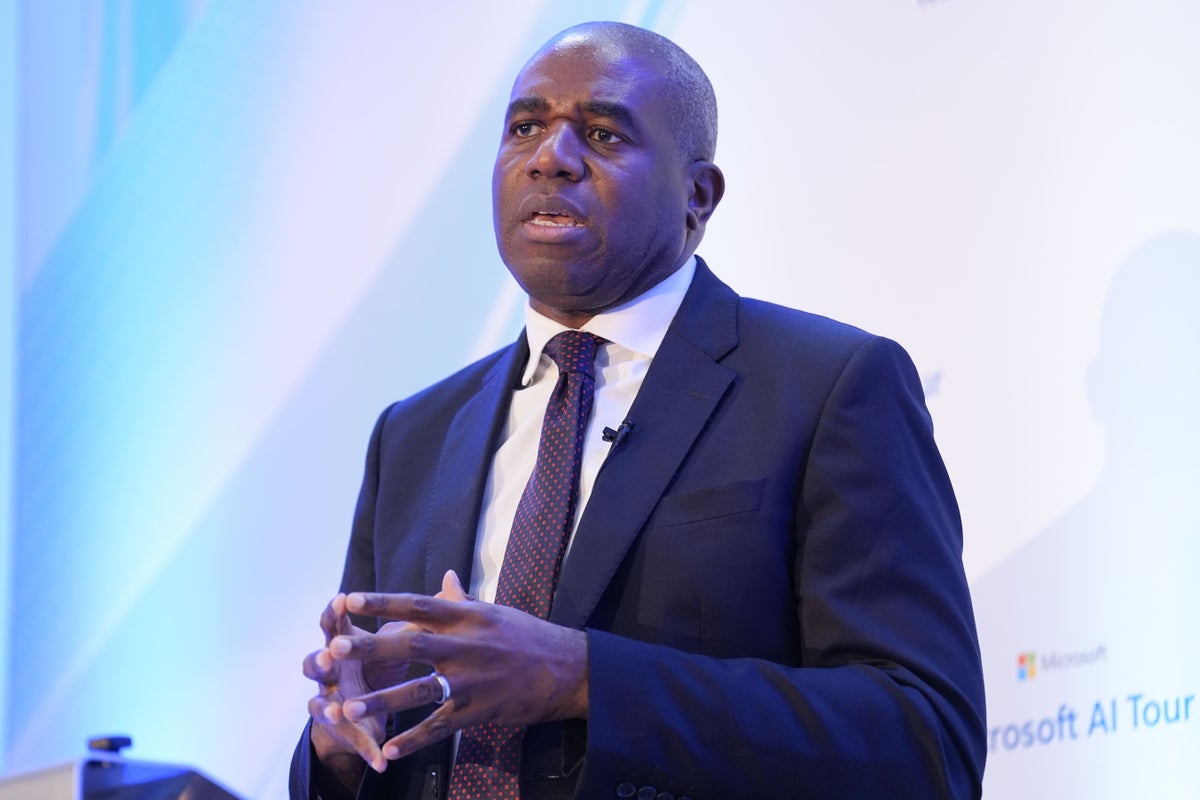
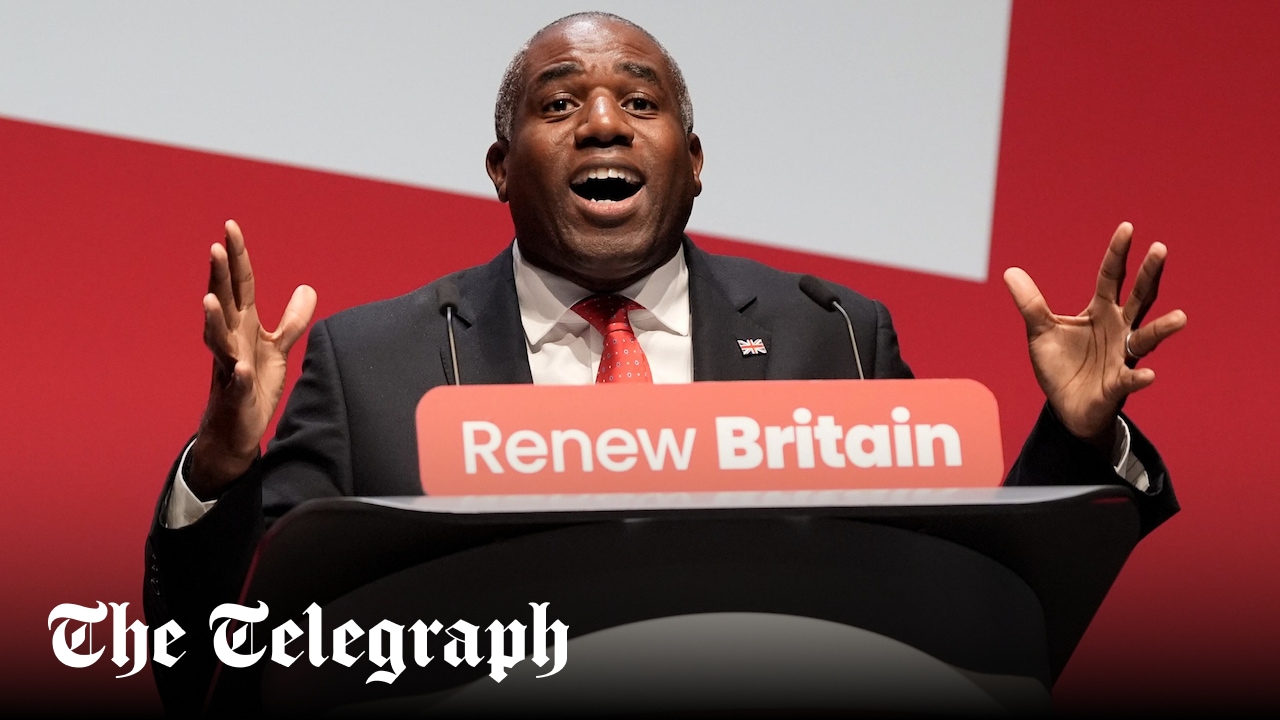
David Lammy rejects recommended pay rise for judiciary
David Lammy turned down an independent recommendation for a higher judicial pay increase, instead approving a 3.5 per cent rise amid government efforts to tackle recruitment challenges for senior judges.The Senior Salaries Review Body (SSRB) report, published last week, recommended a 3.8 per cent pay increase across the judiciary, estimated to cost taxpayers around £35m. The SSRB’s proposal follows the Ministry of Justice (MoJ) ‘s written evidence stating that its funding was constrained to a 2 per cent pay award for 2026–27, the lowest starting allocation among all SSRB remit groups.Lammy, the Secretary of State for Justice, told Parliament last week that responding to the SSRB report “has required tough choices within the department’s spending plans”. Due to fiscal constraints, he opted for a 3.5 per cent pay award instead.With this 3.5 per cent increase, the 2025–26 base salary for High Court judges (Grade 4) will exceed £234,000, and district and employment judges (Grade 7) will earn over £139,000, and appeal judges will take home over £266,000. Struggle to hire senior talent The SSRB’s report highlighted systemic shortfalls, particularly in Group 7, the most senior management grade in the civil services, where the government struggled to recruit. The 2024–25 campaign for District Judges filled only 51 of 100 vacancies, a staggering 49 per cent shortfall. Recruitment drives for First-tier Tribunal judges and Employment judges left 30 per cent and 60 per cent of targeted vacancies unfilled, respectively.This comes at a time when the backlog at the Employment Tribunal is at a record level and is expected to worsen following the implementation of the Employment Rights Act. In addition to struggling to recruit at the top level, the report highlighted a drop in candidate quality.The Judicial Appointments Commission (JAC) internally grades successful candidates into three tiers: A (outstanding), B (strong), and C (appointable). But candidates achieving either an A or B grade have dropped to 54 per cent across 2024–25, down from 64 per cent in the previous two reporting periods.The government is struggling to remain competitive on salaries compared to the private sector, where lawyers and some barristers are seeing record-high pay in the civil sector. The report stated, “It is a warning sign that the talent pipeline to the senior judicial office is at risk of erosion”. Lammy’s jury overhaul Last year, the then Lord Chancellor, Shabana Mahmood, rejected the 4.75 per cent increase recommended by the SSRB, and instead offered 4 per cent.Mahmood also tasked the SSRB with conducting a major review of the judicial salary structure to address deeper structural issues, which has not yet been concluded. The SSRB said it will make targeted recommendations following the conclusion of its review.The issues in attracting talent and high-quality candidates arise as Lammy overhauls the jury trial system in an effort to address the astronomical issues in the criminal justice system. The deputy Prime Minister wants to extend sentencing powers for magistrates’ courts and to create a new tier of the Crown Court, known as the ‘Bench Division’, to hear triable-either-way cases likely to result in a custodial sentence of three years or less, to be heard by a judge alone.