Achim Thomae / Getty Images
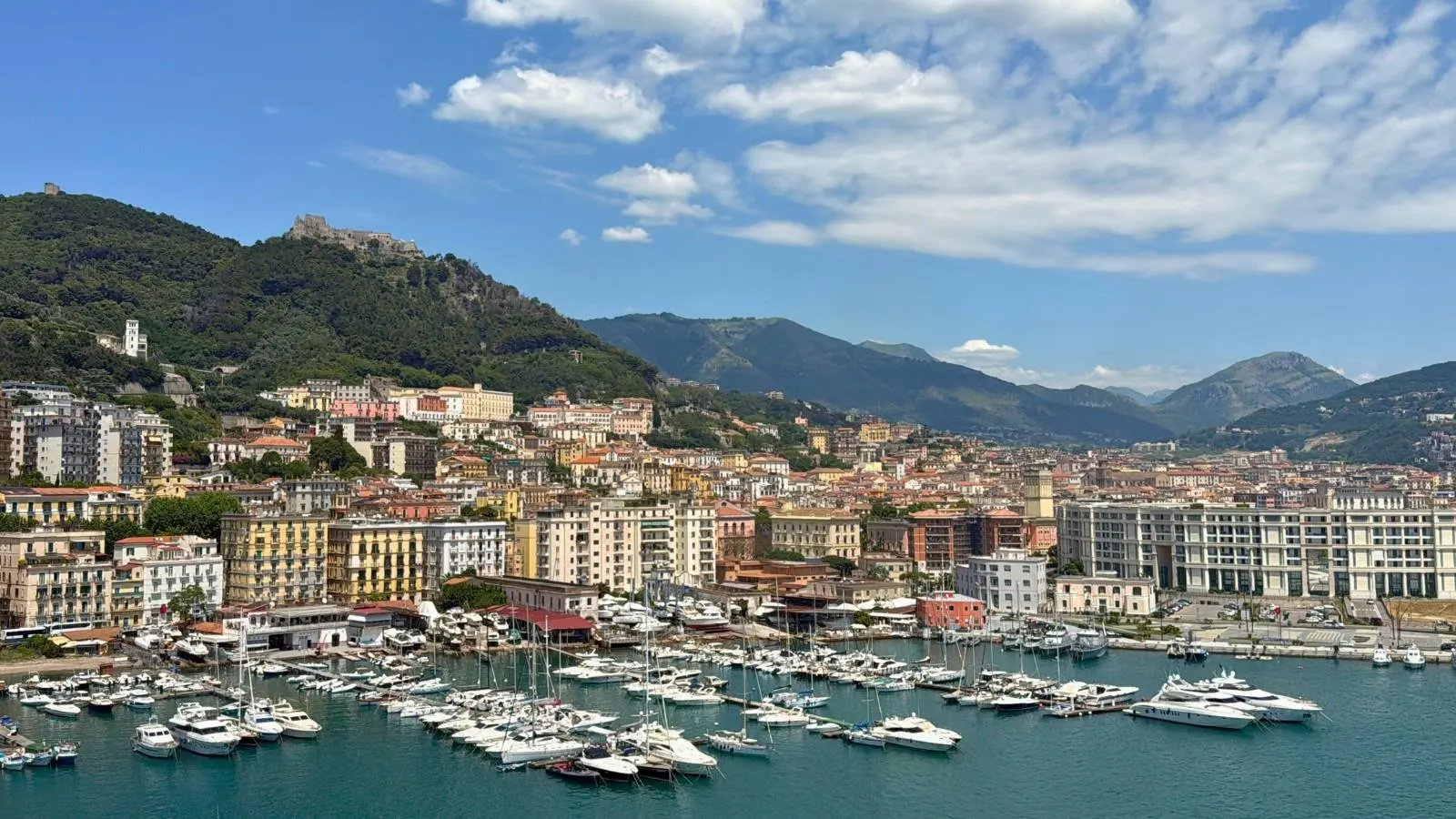
Timing a cruise is one of the more consequential decisions in the planning process. The same itinerary can feel completely different depending on the month: a Mediterranean sailing in July delivers blazing heat and packed port cities, while the same route in May offers open museums, mild temperatures, and manageable crowds. A Caribbean cruise in February means reliably sunny skies and peak pricing, while the same ship in September sails at a discount but under hurricane season conditions. The calendar affects weather, crowd levels, wildlife viewing windows, and cost, all at once, often pulling in competing directions.
Most cruise regions have a peak season, a shoulder season, and an offseason, each with a distinct set of trade-offs. Peak season typically delivers the most reliable weather and the widest range of activities, but it also brings the highest fares and the largest crowds both on board and ashore. Shoulder seasons offer a middle path: conditions are imperfect but tolerable, prices drop, and the experience in port becomes more relaxed. Offseason sailings provide the deepest discounts and the emptiest ships, but travelers accept the possibility of rain, cold, or, in hurricane-prone regions, the risk of itinerary disruption. The right time to cruise depends on a traveler’s priorities, not just the regional weather calendar.