Rebecca Nelson / Getty Images
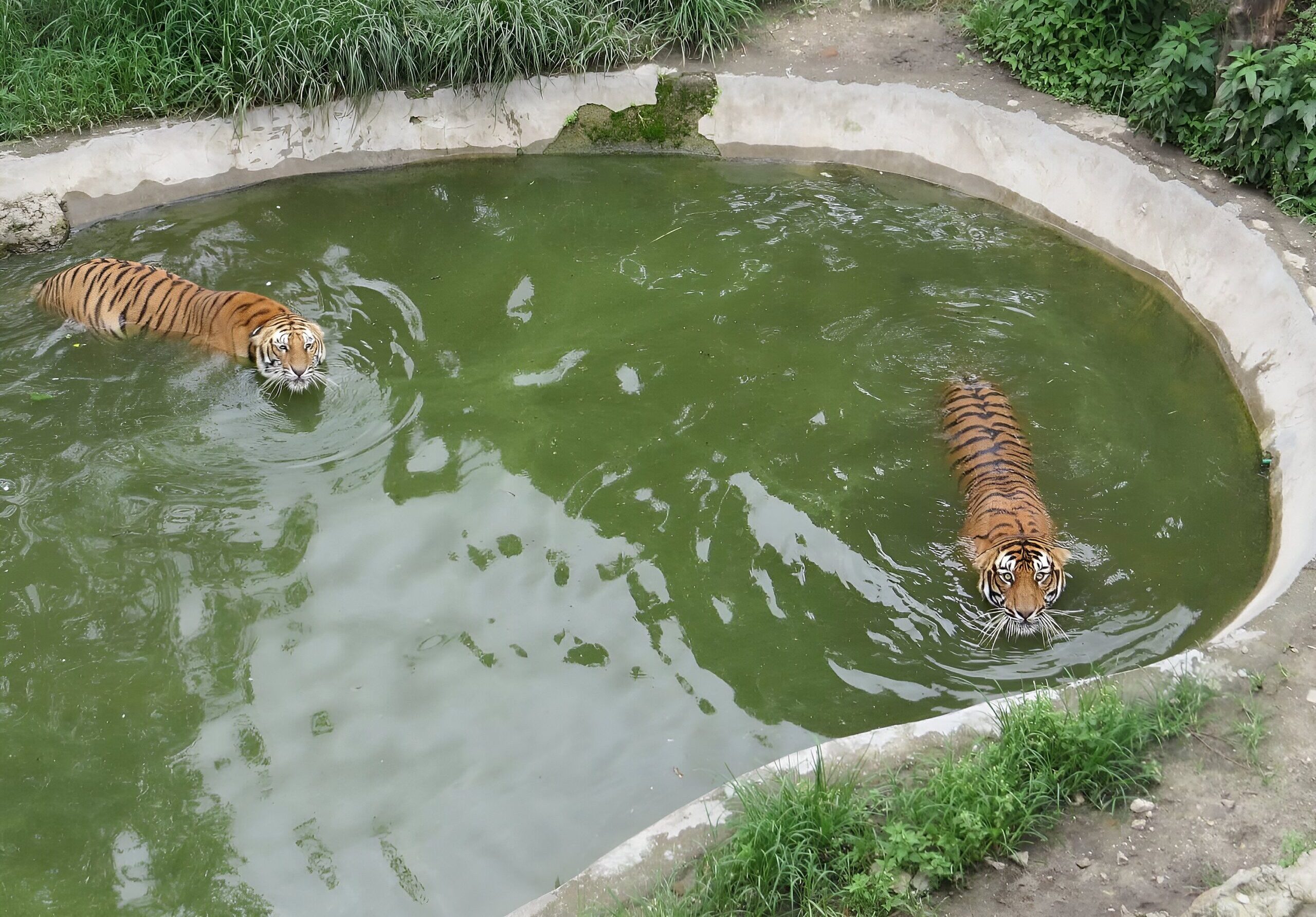
A great zoo does something that no nature documentary can fully replicate: it positions a living animal within viewing distance of a human being who has never seen one before, and it allows that encounter to produce whatever effect it produces. For a child, that effect is often wonder. For an adult, it can be a recalibration of perspective — a reminder that the world contains organisms of extraordinary variety and that many of them are in serious trouble. The best zoos leverage that encounter. They educate visitors about the species they are watching, the habitats those species depend on, and the conservation programs the institution maintains to protect animals in the wild and in captivity.
The zoo industry has moved substantially toward this model over the past several decades, but not uniformly. Some institutions still maintain enclosures that prioritize visibility over animal welfare, and the gap between the best and worst facilities can be wide. The Association of Zoos & Aquariums (AZA) accredits institutions that meet rigorous standards for animal care and conservation programming. Dan Ashe, the AZA’s president and CEO, describes accreditation as one of the strongest signals an informed zoo visitor can use when choosing where to go — it means a facility’s animal care practices, conservation commitments, and educational programs have been reviewed and approved by experts whose primary concern is the animals, not the gate revenue.