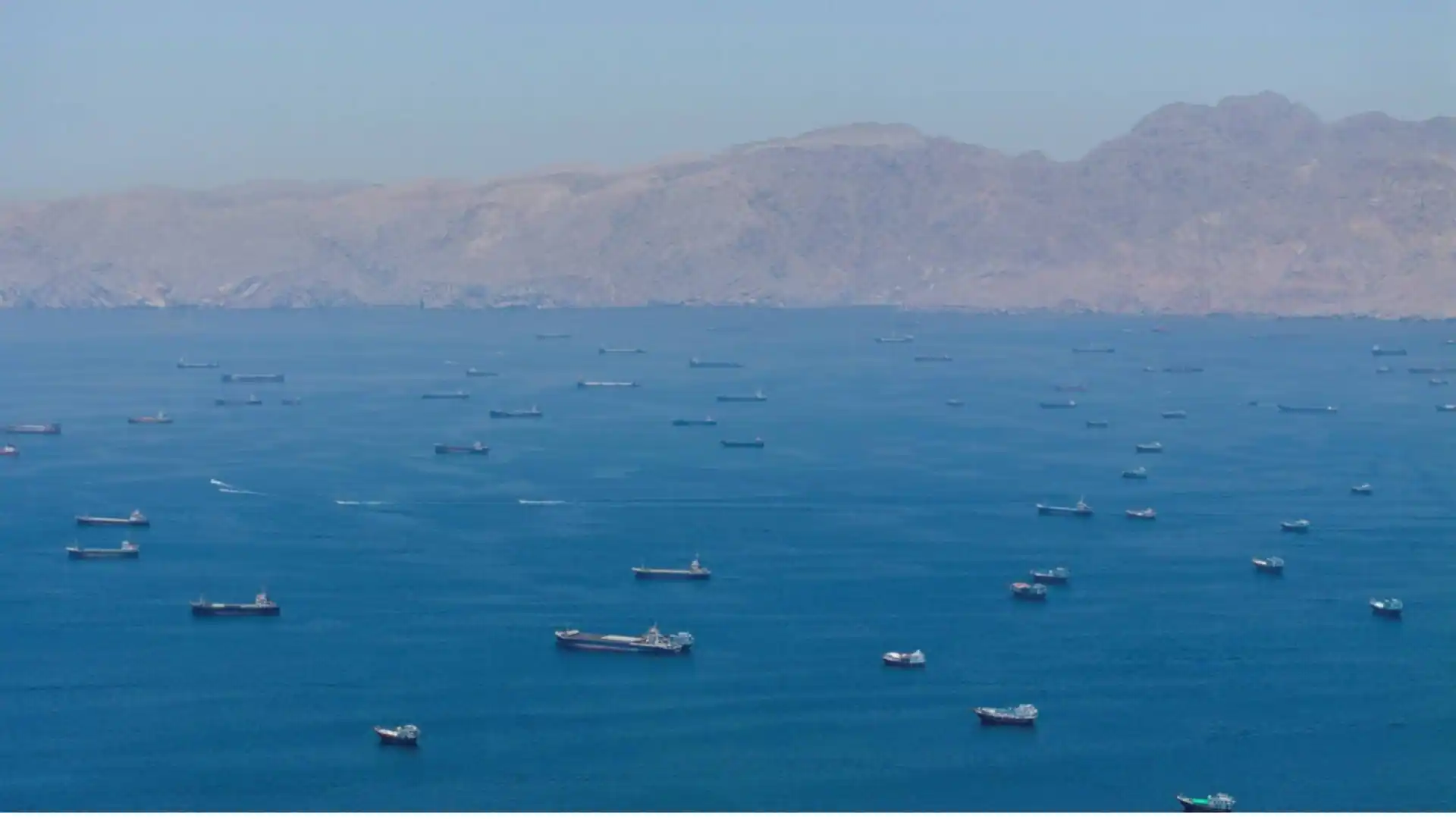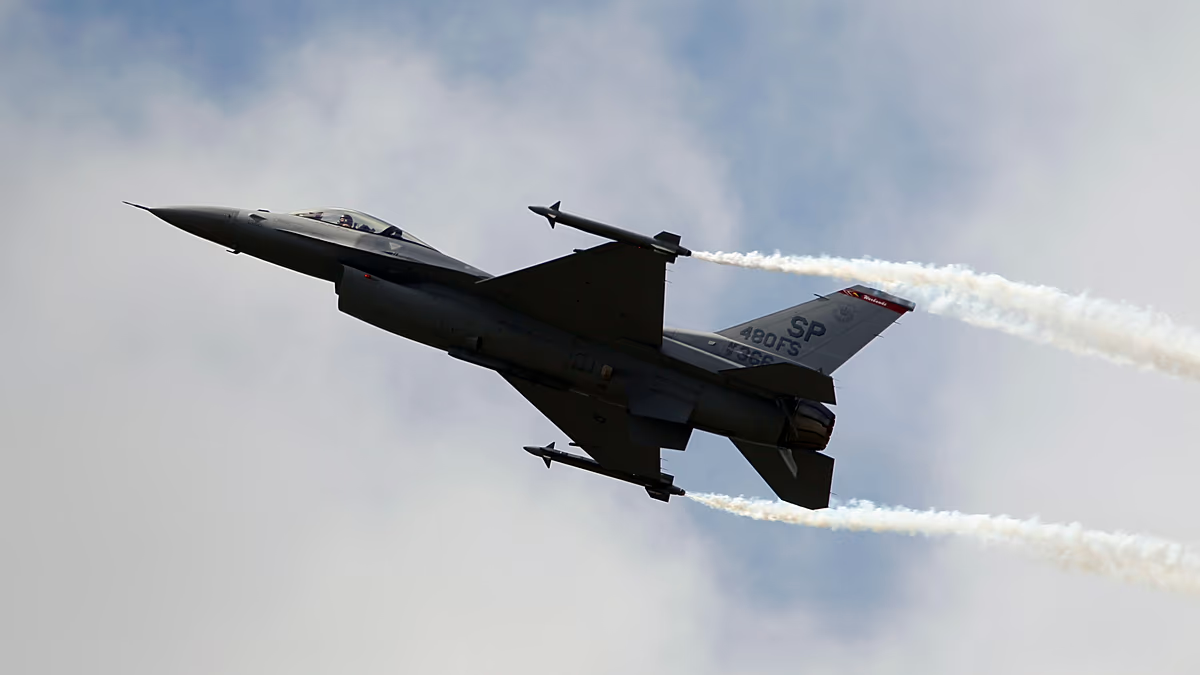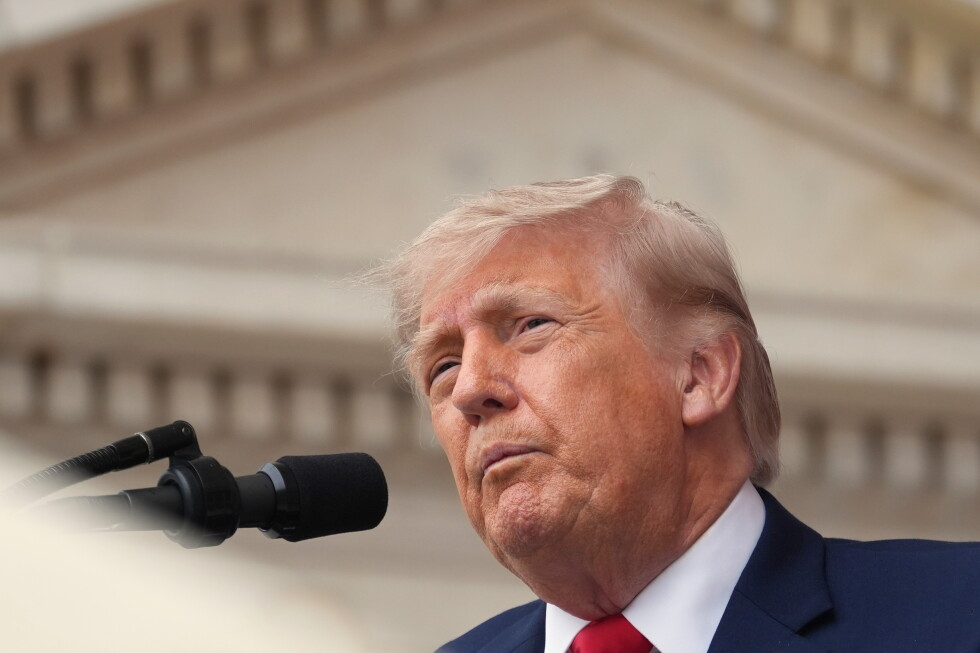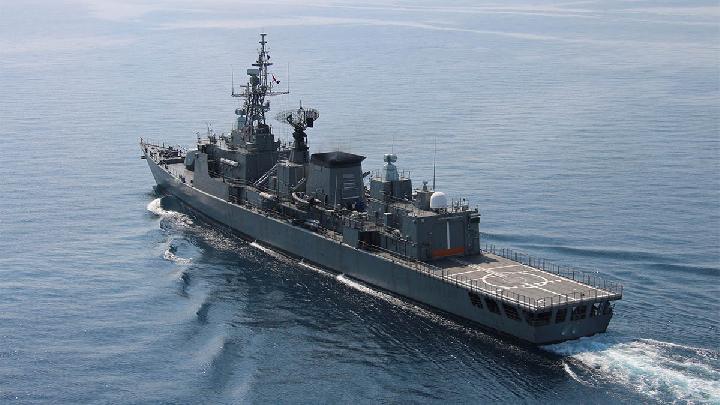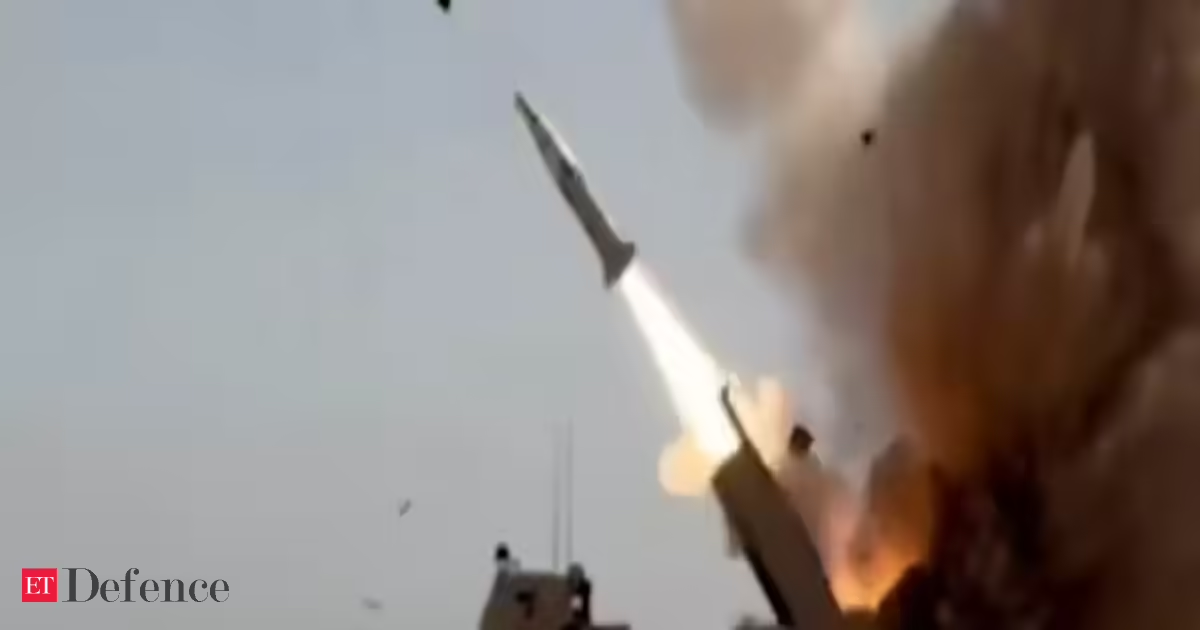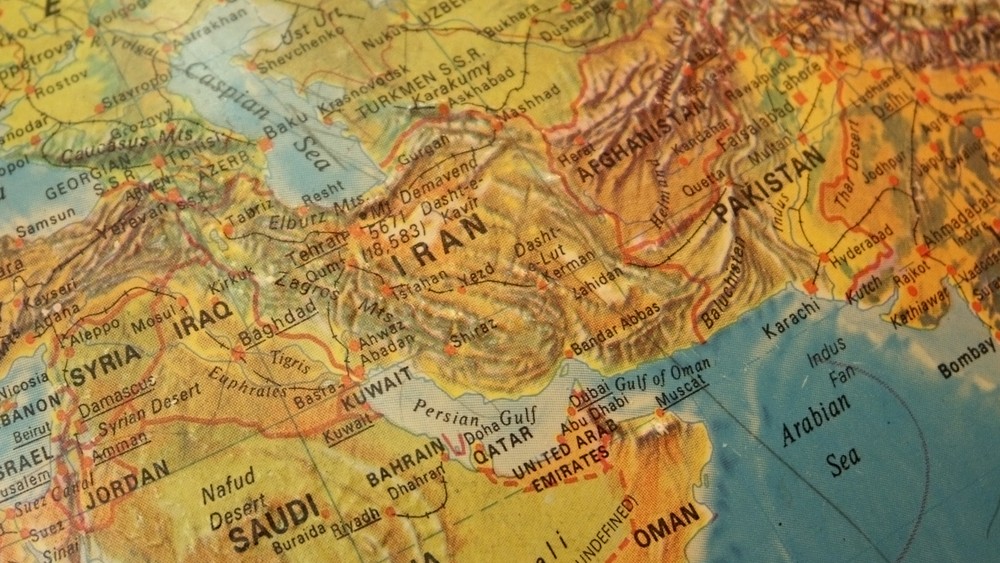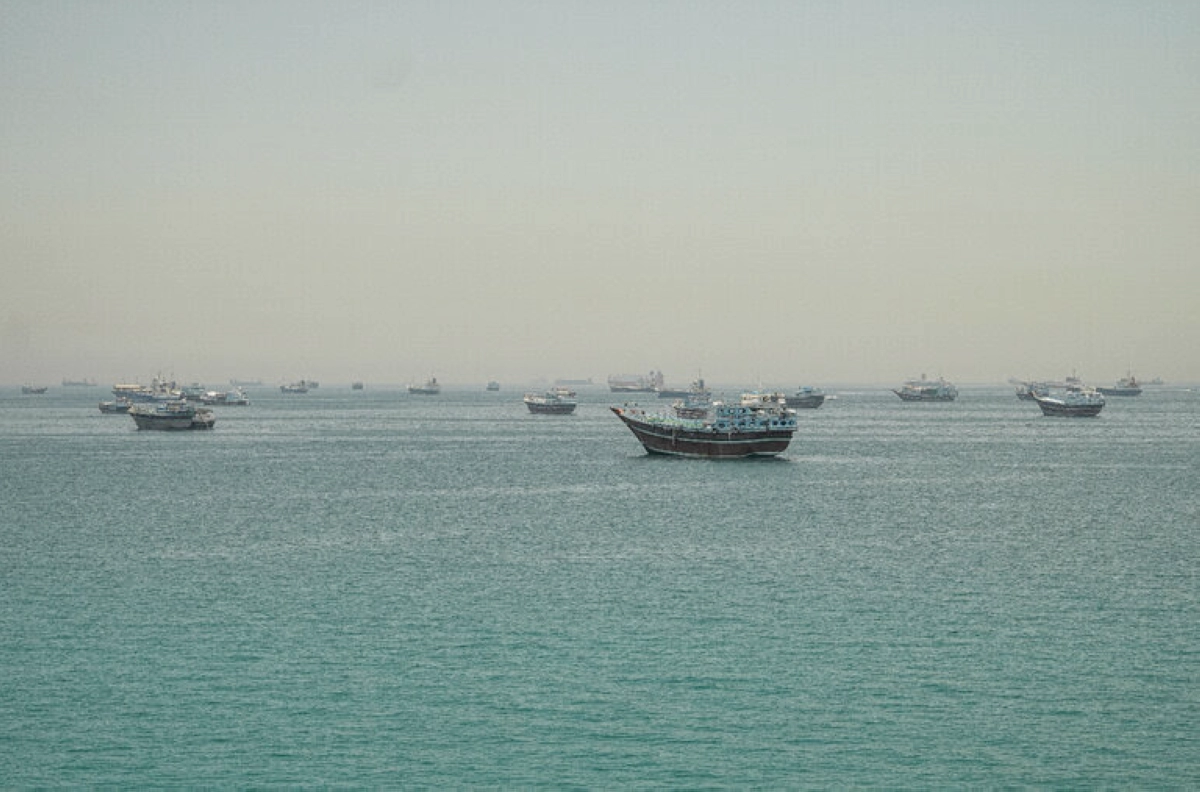
DUBAI — The United States carried out what it called “self-defense strikes” targeting Iranian missile launch sites and boats around the Strait of Hormuz on Monday amid a ceasefire between the two countries and potentially complicating negotiations to end the war that President Donald Trump started in February.The US military acknowledged the strikes on Monday evening, hours after Trump said on social media that Iran’s enriched uranium “will either be immediately turned over to the United States to be brought home and destroyed” or disposed of elsewhere, according to the Washington Post.Navy Capt. Tim Hawkins, a military spokesman, said in a statement on Monday night that the strikes occurred in southern Iran “to protect our troops from threats posed by Iranian forces.” Targets included missile-launch sites and Iranian boats attempting to set mines, the statement said.Hawkins said US Central Command, which oversees operations in the region, “continues to defend our forces while using restraint during the ongoing ceasefire.”Iranian state media had earlier reported that local officials in Bandar Abbas were investigating after explosions were heard.Iran is yet to respond to the latest US strikes. It is unclear what impact they will have on any potential peace agreement between the US and Iran.The strikes occurred after a weekend of negotiations between the Trump administration and the Iranian regime to bring the war to a close.The conflict began Feb. 28 with massive US strikes on Iran after months of pressure by Trump to end Tehran’s nuclear program. A tense ceasefire began April 8, though it has been interrupted by sporadic exchanges of fire.Following the strikes, US Secretary of State Marco Rubio said a deal was still possible and pointed to talks on Tuesday between Iran's top negotiator and foreign minister and Qatar's prime minister."We'll see if we can make progress. I think it's a lot of talking back and forth going on about specific language in the initial document, so it'll take a few days," Rubio told reporters during an official visit to India.He said President Donald Trump had "expressed his desire to make it"."He's either going to make a good deal or no deal," Rubio said.At the weekend, Trump had suggested the sides were close to a deal, but later said he had instructed negotiators "not to rush into" one, while Rubio had said an agreement could possibly be reached on Monday.Iranian foreign ministry spokesman Esmail Baghaei responded: "It is correct to say that we have reached a conclusion on a large portion of the issues under discussion... But to say that this means the signing of an agreement is imminent - no-one can make such a claim."The memorandum of understanding being discussed reportedly involves a 60-day ceasefire extension, the reopening of the Strait of Hormuz and a plan for further negotiations over Iran's nuclear programme.CBS News has reported that US intelligence believes Iran's Supreme Leader Mojtaba Khamenei, who was injured in an Israeli strike on the first day of the war which killed his father and predecessor, is holed up in an undisclosed location, making communication with his envoys difficult and therefore delaying pace of talks with the US.According to US media, the discussions will not immediately lead to a final settlement. Contentious issues will likely be negotiated later, including details of Iranian sanctions relief, the release of frozen Iranian funds, and US demands for Iran to curb its nuclear ambitions.At the start of the war, Iran is thought to have had about 440kg (970 lbs) of uranium that was enriched up to 60% purity, a short process away from being enriched further to the weapons-grade 90%, which theoretically could allow it to create a nuclear bomb.
US targets Iranian missile launch sites and boats in 'self-defense' strikes
DUBAI — The United States carried out what it called “self-defense strikes” targeting Iranian missile launch sites and boats around the Strait of Hormuz...
607 words~3 min read