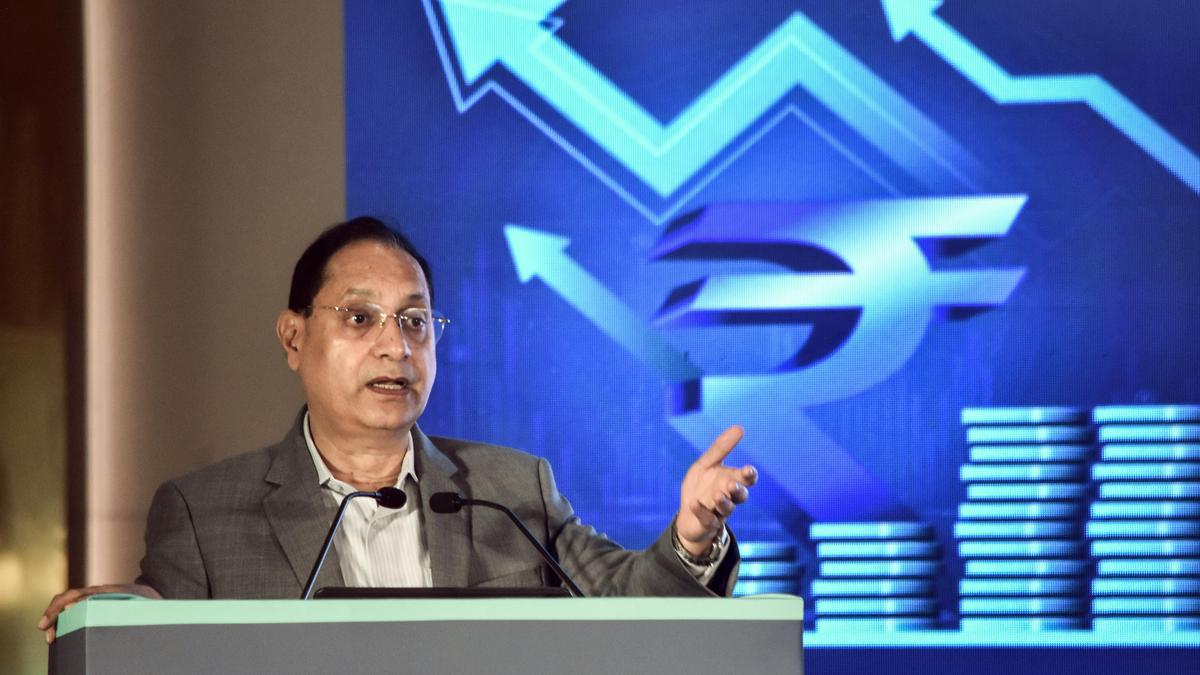
The Securities and Exchange Board of India (SEBI) is planning a pilot project for tokenisation of corporate bonds using distributed ledger technology (DLT) as part of a broader push to deepen India’s corporate debt market.Speaking at the CareEdge Debt Summit on Tuesday, SEBI Chairman Tuhin Kanta Pandey said the regulator is exploring whether tokenisation can help deliver “faster settlement, better traceability, automated servicing, and greater transparency” in the bond market.DLT is already in use by depositories for governance, management and monitoring purposes. SEBI is now examining whether the technology can be used to make corporate bond settlements more efficient. The pilot project could be implemented over the next six to nine months, he said.“This is basically instantaneous settlement with all the benefits of tokenisation,” he said, adding that the regulator will also examine the risks associated with tokenisation before finalising the operational framework.The market regulator is also working with market participants, the Reserve Bank of India and the Finance Ministry to operationalise the market-making framework announced in the Union Budget. SEBI is additionally looking at developing bond exchange traded funds (ETFs) and derivatives on corporate bond indices to improve liquidity and allow retail investors to access debt markets with smaller ticket sizes.Pandey said corporate bond index derivatives could be launched after the Reserve Bank of India approves draft guidelines issued earlier this year.SEBI is also examining a separate regulatory classification for debt brokers to lower costs and reduce entry barriers for intermediaries focused only on debt markets. “There is also a need to review whether debt-only listed entities need the same rigour under LODR regulations as equity-listed companies,” he said.The corporate bond market has expanded significantly over the years, but several structural gaps remain, he said. Outstanding corporate bonds have risen from about ₹17.5 trillion at the end of FY15 to over ₹59 trillion currently, while debt issuances in FY26 mobilised ₹9.1 trillion, nearly double the amount raised through equity markets.However, the market remains concentrated, with nearly 85-90 per cent of issuances rated AA or AAA and around 70 per cent of outstanding bonds belonging to financial sector entities. “The issuer base is narrow. Around 6,000 companies are listed on NSE and BSE, but only 776 have listed debt,” Pandey said, adding that more companies need to view the bond market as a regular source of capital.Low retail participation is a key concern, he said. Awareness of corporate bonds stands at only 10 per cent, while household penetration remains below 1 per cent, according to a SEBI survey. “Retail participation will not grow merely because products are available. It will grow when products are understood,” he said, adding that SEBI will conduct bond-focused investor awareness campaigns under Project Jagrook.Pandey said SEBI will also undertake issuer outreach programmes focused on SMEs and companies that are ready for listed debt markets but have not yet entered them. The regulator is also reviewing the municipal debt securities framework to help civic bodies raise funds for urban infrastructure projects and enable pooled financing structures for municipalities.Published on May 26, 2026
SEBI to test tokenisation of corporate bonds in pilot project
SEBI is planning a pilot project for tokenisation of corporate bonds using DLT as part of a broader push to deepen India’s corporate debt market.
506 words~2 min read