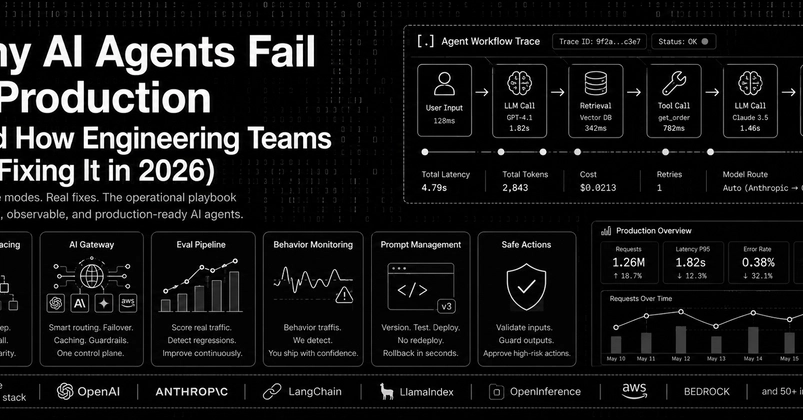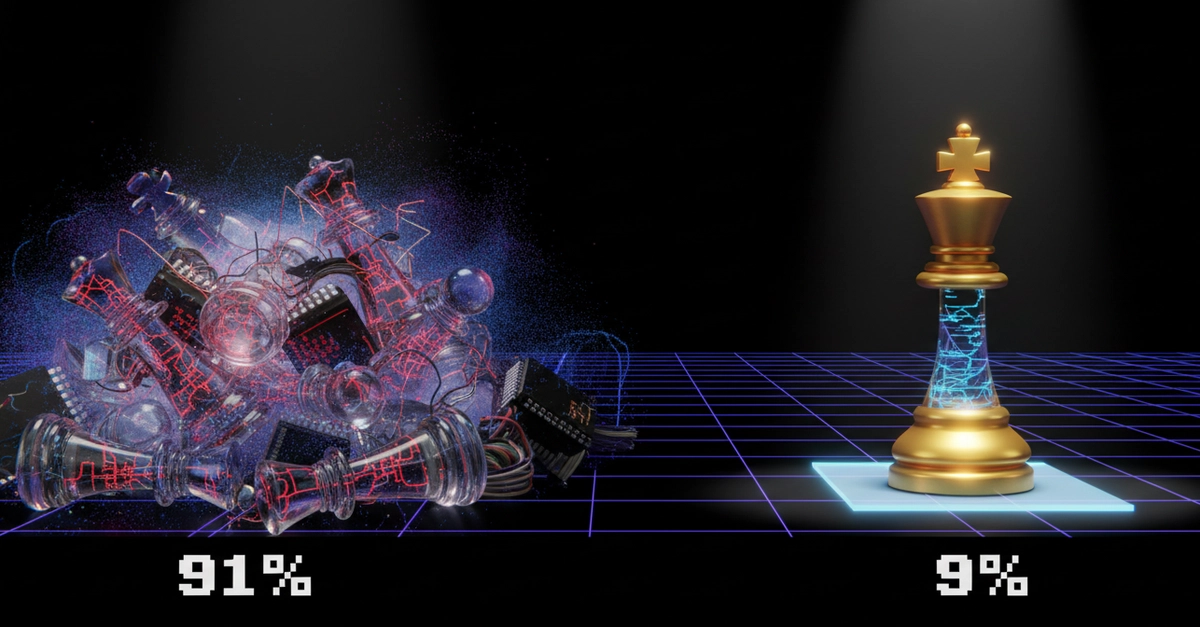
AI agents look brilliant in a demo because demos are friendly worlds. The data is curated, the tools behave, and nothing important changes while the agent is in mid-thought. Production is the opposite: data arrives late, facts conflict, permissions bite, APIs time out, and the underlying state changes constantly.
That gap is why early “agents in production” often get scoped down to something safer: read-only assistants, human-in-the-loop workflows, or narrow domains with heavily curated data. Several high-profile deployments have also been scaled back after meeting messy real-world constraints. Rather than being a verdict on autonomy, these stumbles are a reminder that autonomy is unforgiving. Small cracks in your data stack become large cracks in agent behavior.
The same pattern shows up whenever agents move from toy workflows to systems with real state. As scope increases, weak guarantees create predictable symptoms: overconfident actions on stale data, brittle reasoning when meaning drifts, and compounding errors once the agent can write back.
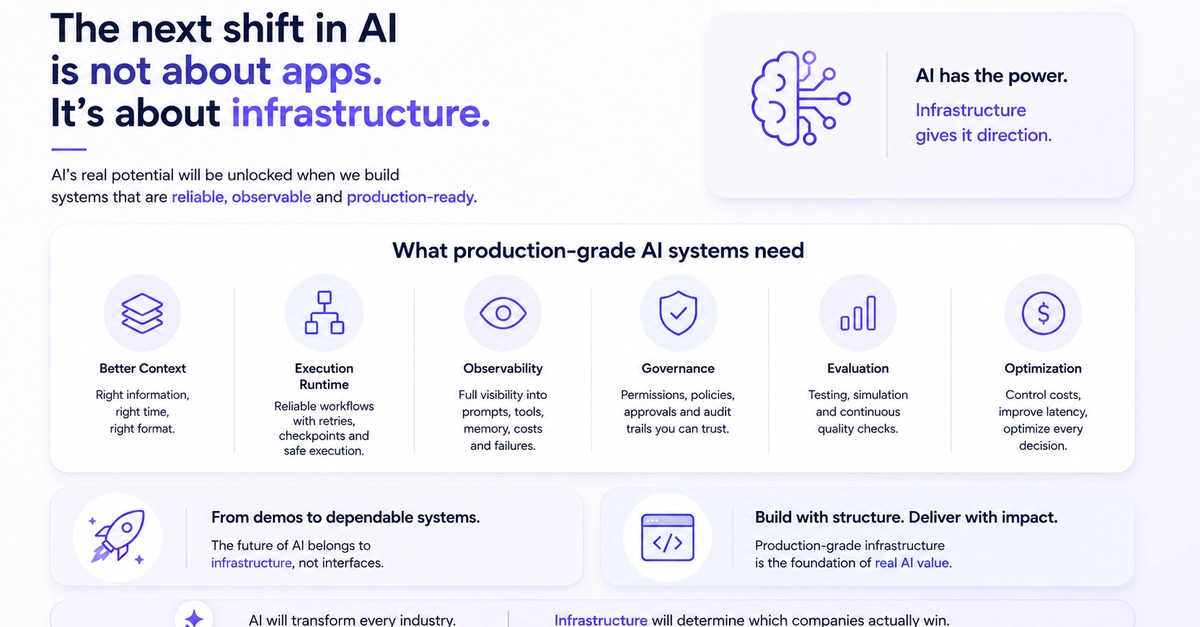
The fix is to treat agents as what they are: systems that read, reason, and write against live operational data. That pushes you into establishing guarantees that most enterprise stacks provide only implicitly. Four matter more than the rest: freshness, semantics, safe write paths and lineage.