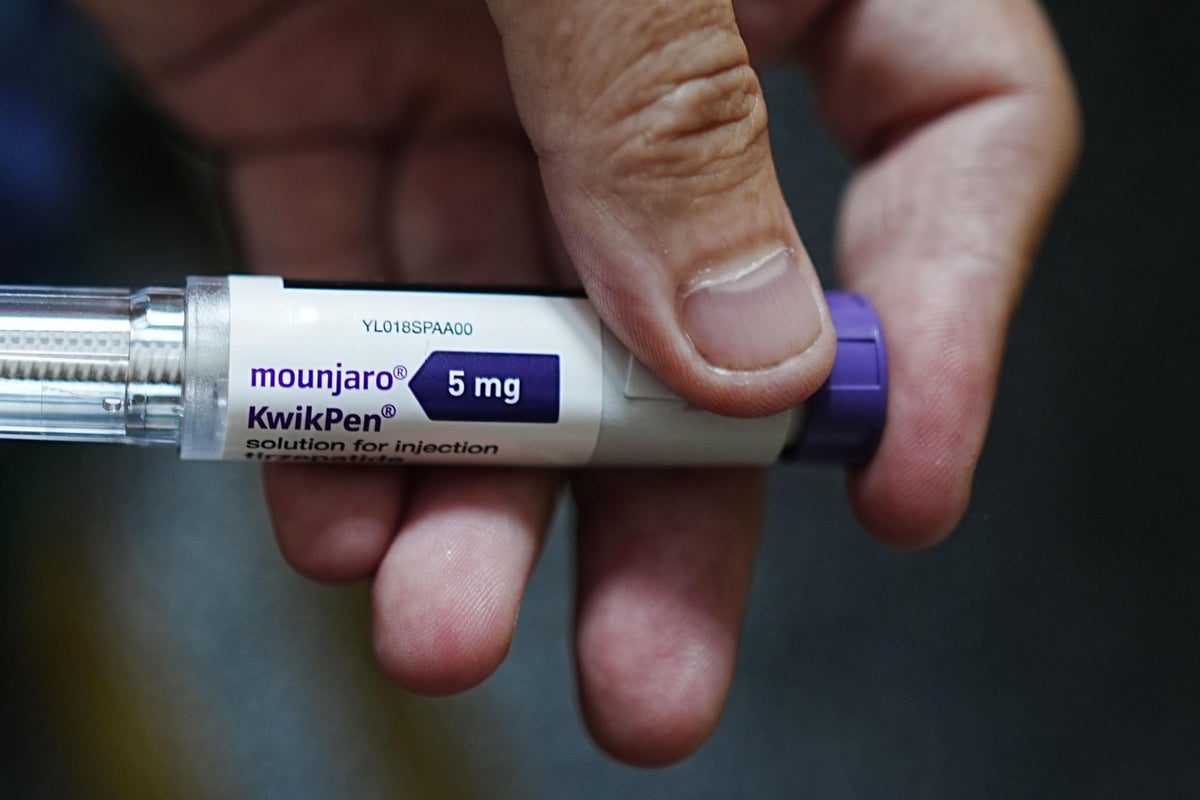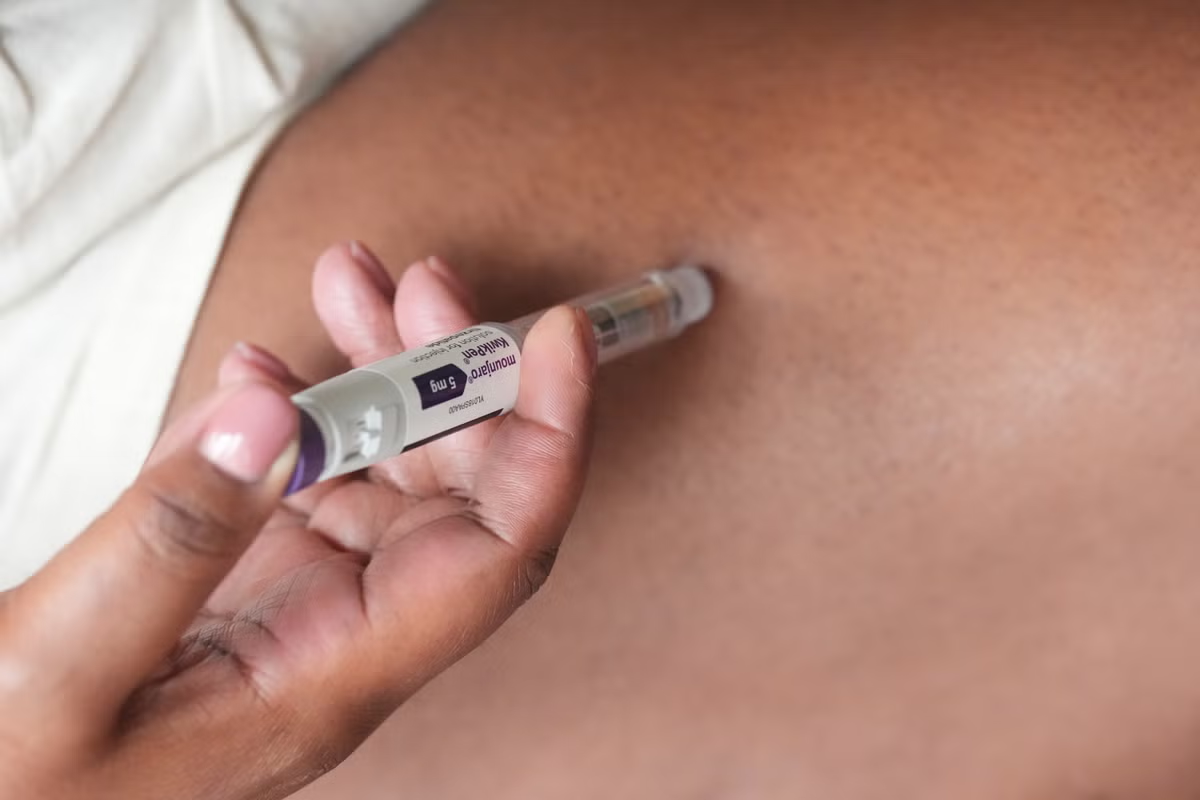
Not everyone is allowed to use the new medication - even people with high BMI or diabetesNeil Shaw Assistant Editor (Money and Lifestyle)09:38, 26 May 2026Thousands of people hoping to access weight loss jabs are being rejected as clinics tighten screening rules. Health experts say there are now common, and often surprising, reasons patients may be denied treatment, from 'hidden' disorders to existing medication and a history of mental health problems.Experts at ZAVA have listed the reasons you could be rejectedPregnancy and breastfeeding are automatic red flagsPatients who are pregnant, trying to conceive, may be pregnant, or breastfeeding are usually not offered these treatments due to limited safety data. It is not yet known whether GLP-1 receptor agonists pass into breast milk or what effect they may have on an infant. Because of this uncertainty and the potential risk to growth and digestive development, these treatments are not recommended during breastfeeding.Prescribers are also cautious around women of childbearing age following growing discussions around accidental pregnancies linked to rapid weight loss.Mental health screenings are becoming more commonOne of the biggest surprises for many applicants is that a history of eating disorders can automatically exclude them from treatment. Dr Crystal Wyllie warns that appetite-suppressing injections may worsen harmful behaviours or create psychological dependency in vulnerable patients.Medical providers are screening for:AnorexiaBulimiaBinge eating disorderOther disordered eating behavioursExisting medications can block accessMany patients are unaware that taking certain medications can make them ineligible altogether. This includes:Other GLP-1 medicationsAnti-obesity drugsSome diabetes treatmentsMedications that could dangerously interact with treatmentHealthcare providers say the rise in patients attempting to “stack” multiple weight loss drugs has become a growing concern.Hidden digestive conditions are leading to refusalsPeople with severe gastrointestinal conditions, especially gastroparesis, are often declined because the medication slows digestion further. Doctors say some applicants only discover they have underlying digestive problems during the screening process itself.Type 1 and some Type 2 diabetics may still be rejectedDespite common misconceptions online, not all diabetic patients automatically qualify. People with:Type 1 diabetesMedication-controlled Type 2 diabetesmay be considered unsuitable depending on their wider medical history and treatment plans.Patients with kidney, liver or pancreatic issues face increased scrutinyThose with:Severe renal impairmentEnd-stage kidney diseaseSevere liver problemsA history of pancreatitisare among the groups most likely to be refused due to heightened safety risks.The BMI loophole many people don’t realise existsAnother major source of confusion is the BMI criteria itself.Many providers will refuse treatment if a patient has:A BMI below 27 kg/m²A BMI below 30 kg/m² without additional weight-related health conditionsMeaning patients can still medically fall into the “overweight” category while remaining ineligible for prescriptions.Article continues belowDr Crystal Wyllie, clinical lead at ZAVA, said: “A lot of patients are coming to us expecting a fairly straightforward yes or no based on BMI alone, largely because that’s how weight loss jabs are often discussed online. But in reality, eligibility has never been that simple.What’s changed is the scale of demand, which has made the assessment process far more visible and, for patients, more noticeable when extra checks are applied. That’s why some people are surprised to find they’re being asked about conditions or medications they didn’t think were relevant.We’re seeing a clear expectation gap: patients often assume access is easier than it actually is, while clinicians are having to take a much wider view of safety and suitability before prescribing. That mismatch is what’s driving a lot of frustration, not necessarily stricter rules, but a better understanding of what safe prescribing actually involves when demand is this high.”
Medical conditions can see you banned from weight loss drugs - full list
Not everyone is allowed to use the new medication - even people with high BMI or diabetes
580 words~3 min read