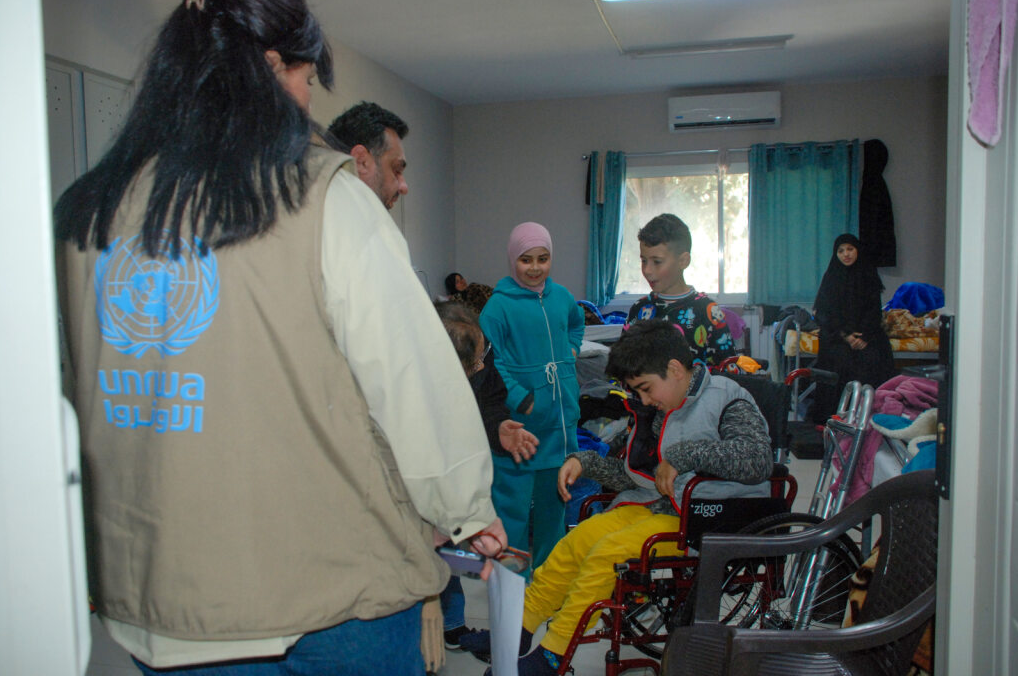
Delivering UN help to Palestinian refugees is harder than ever due to fragile relations with Israel, a volatile conflict, and funding cuts, said veteran German humanitarian Dorothée Klaus, who is director of the UN Relief and Works Agency (UNRWA) for Palestinian Refugees Affairs in Lebanon, on a visit to Brussels.
What brings you to Brussels? What are you expecting from the European Commission?
The main purpose of my visit is to brief the EU Council’s working group on humanitarian aid and food security on the humanitarian situation in Lebanon with colleagues from UNFPA [a UN food programme] and WHO [the World Health Organsation], specifically about the humanitarian situation affecting Palestinian refugees in Lebanon, further compounded by the impact of decades of social and economic segregation and a situation of disadvantage that Palestine refugees have been living in Lebanon. While highlighting the need for sustained humanitarian aid, it was also an opportunity to look forward to what can be done to improve the situation of Palestinian refugees in Lebanon in a way that is also acceptable and benefiting to the Lebanese host country.
What are the dangers faced by those seeking refuge in Lebanon? Have you witnessed violence in refugee centres, or dangers to UNRWA staff?