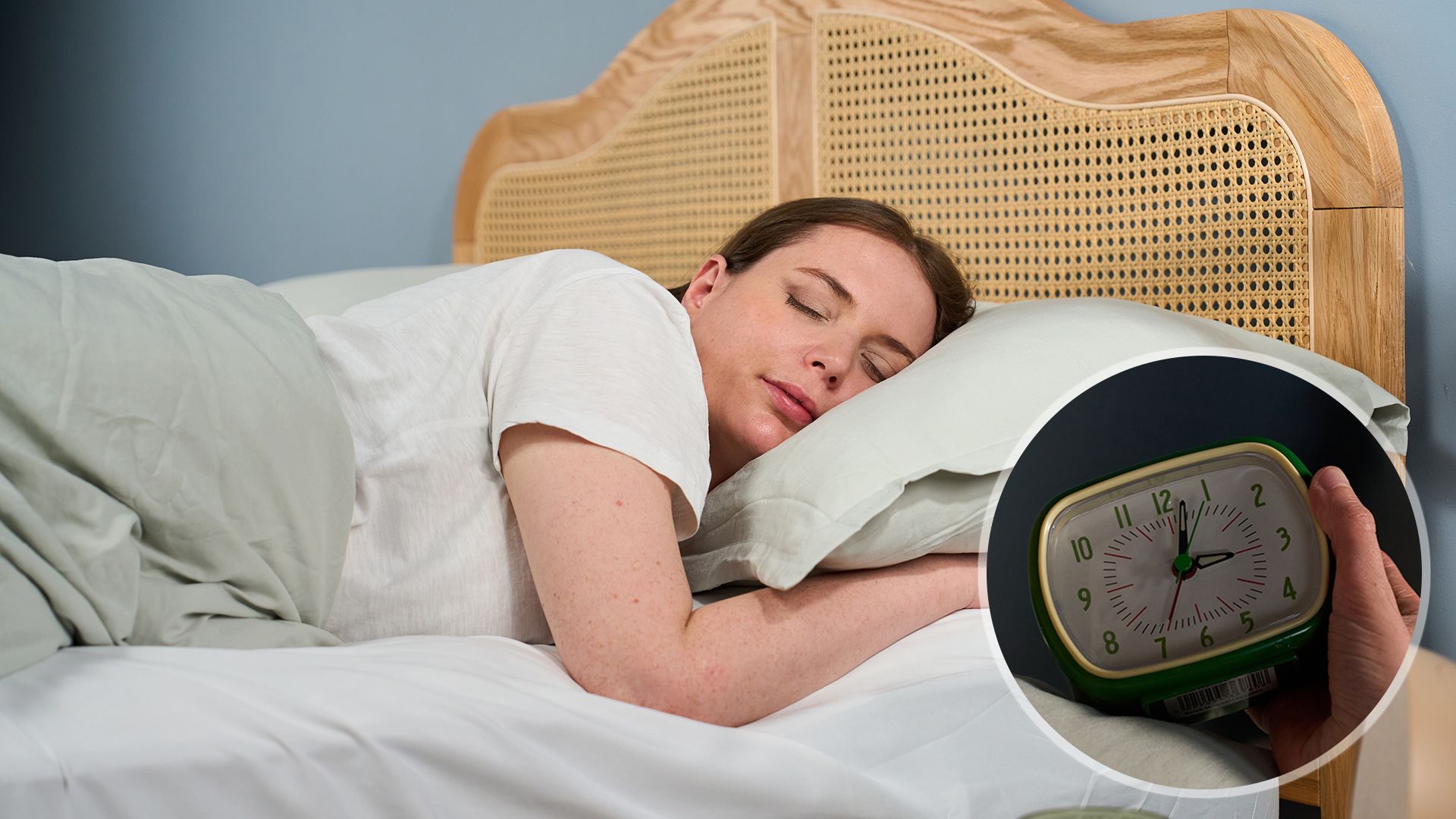
NewsHealthSleepA sleep psychologist has shared how to fall asleep more easily08:52, 26 May 2026Updated 08:53, 26 May 2026We all know just how maddening it can be to lie in bed desperately trying to nod off but simply being unable to.Many of us find it difficult to drift off due to a variety of factors, including our surroundings, everyday pressures, and being either too warm or too cold. And beyond being frustrating, prolonged sleep deprivation can result in serious health issues over time. Fortunately, there are numerous methods that can make falling asleep considerably easier.A sleep psychologist has shared seven unconventional sleep tips to assist those who may be having difficulties. Katherine Hall previously partnered with Happy Beds to offer a range of techniques to help you prepare for bedtime. One of them is even said to take just two minutes.Although slightly out of the ordinary, Katherine's first tip costs nothing and is readily available to those physically capable of attempting it. Dr Hall recommends performing a straightforward two-minute headstand before bed to encourage fresh blood circulation to the brain, specifically targeting the master glands: the pituitary and hypothalamus, as reported by the Liverpool Echo.She added: "It also helps detoxify the adrenal glands to help expel negative thoughts and promote more positive thinking. Practice by supporting yourself against the wall until you gain enough balance and core strength to try a freestanding headstand."Another technique she recommends is reading a bedtime story. Dr Hall explained: "Bedtime stories aren't just for children. Reading a book or telling yourself a fantasy story in your mind helps reduce stress."Choose a niche like mystery, romance, or sci-fi. Avoid non-fiction books that shift your brain into problem-solving mode. Fictional stories mimic dreams, helping your mind prepare for sleep."However, she cautions against reading on a digital device, as the blue light emitted from screens will prevent you from drifting off. Blue light can delay the release of the sleep hormone melatonin, and reset the internal clock to an even later schedule.She added: "Just one hour of screen exposure can delay your melatonin release by 3 hours." Further advice includes reducing your body temperature by wearing lightweight pyjamas and using a light blanket, and, surprisingly, attempting to stay awake.Article continues belowDr Hall said: "It may sound counterintuitive but to fall asleep faster, you may want to try and stay awake for as long as possible! It's a technique called paradoxical intention. Paradoxical intention encourages you to lie in bed without doing anything to try to fall asleep. You might even want to try to stay awake in bed as long as possible."The idea is to tackle the worry that comes with lying in bed awake and to normalise it in your mind. Once you've faced this fear, anxiety reduces and you'll soon find that you are drifting off to sleep. This is also referred to as remaining passively awake."It's all about being aware and accepting any negative thoughts or worries that usually keep you awake, instead of fighting or blocking them. With paradoxical intention, you learn to stop spending energy on getting rid of what you don't want, and start putting energy into what you do want...sleep!"Choose Daily Mirror as a 'Preferred Source' on Google News for quick access to the news you value.SleepHealthy LifestyleHealth
Sleep expert's 'counterintuitive' trick to fall asleep quickly
A sleep psychologist has shared how to fall asleep more easily
546 words~2 min read