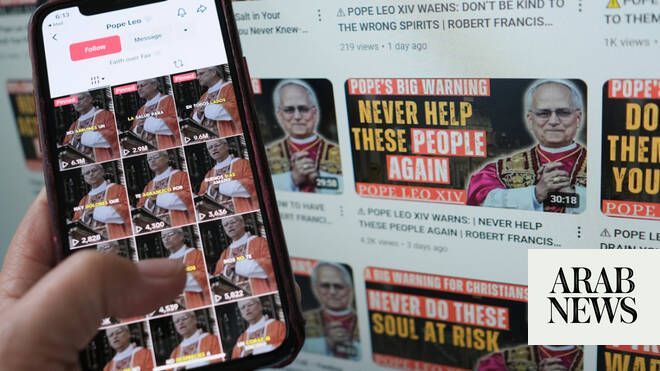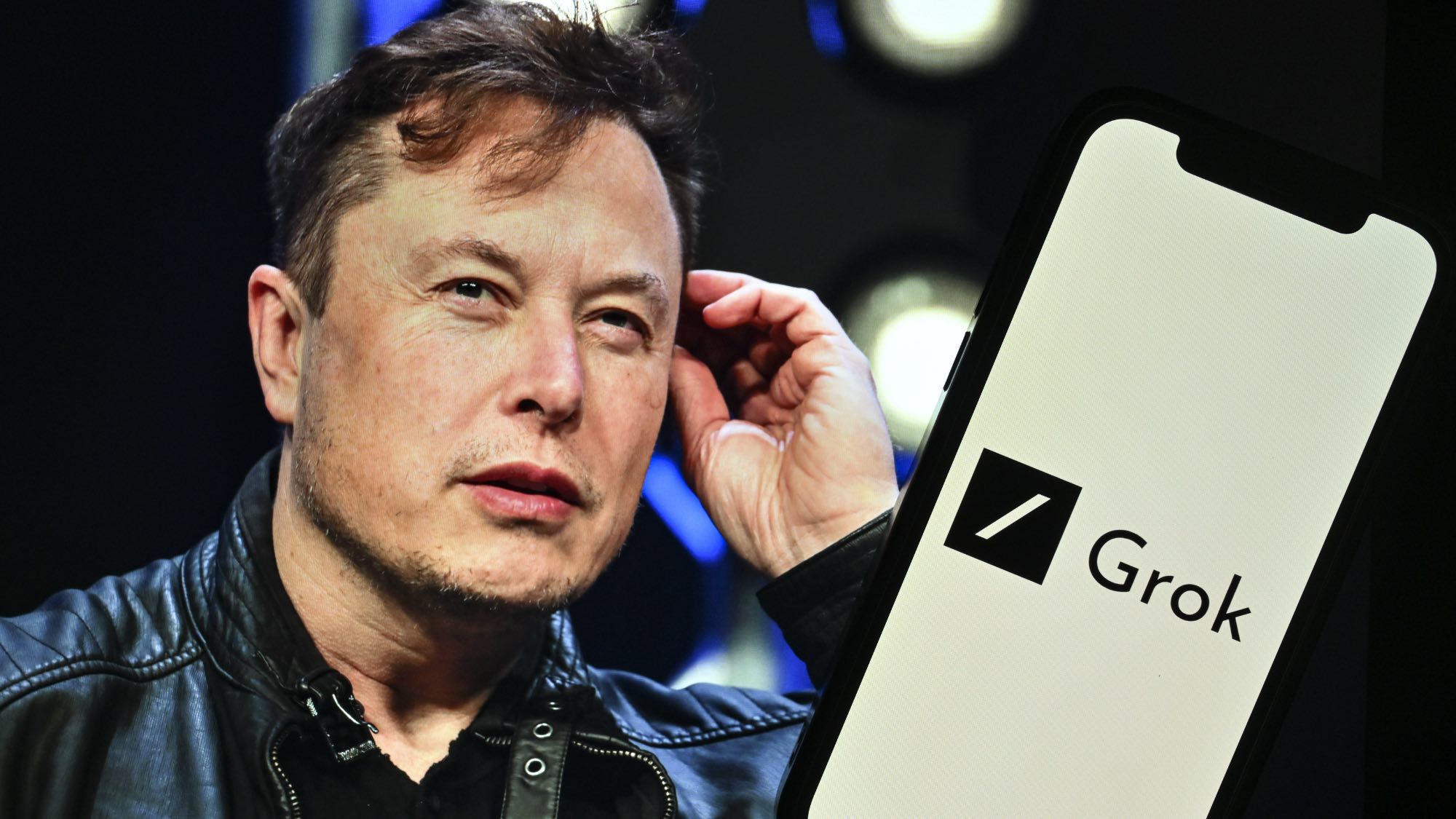
tech What made the Elon Musk deepfake videos so disturbing was not merely their sophistication, but how believable they appeared in an age already drowning in information overload.
An SABC News video that carries a video message from Elon Musk may be easy to believe, which happened to many recently. What made the Elon Musk deepfake videos so disturbing was not merely their sophistication, but how believable they appeared in an age already drowning in information overload. In November 2023, a wave of fabricated videos began circulating across social media platforms. Edited to resemble legitimate television news broadcasts, they featured well-known news anchors appearing to endorse what was described as Elon Musk’s “secret investment project.” The production quality was convincing enough that many unsuspecting people reportedly invested money into the fraudulent scheme.
The incident revealed something profound about the AI era now unfolding before us: society is entering a period in which seeing is no longer believing.
That is why, when the South African government later proposed requiring publishers to label AI-generated content, I immediately thought about the Musk deepfake saga. The proposal was clearly driven by legitimate concern. Governments across the world are struggling to understand how societies can protect themselves from synthetic misinformation, manipulated media, and AI-generated deception. But the more I reflected on it, the more I questioned whether labeling alone could meaningfully solve the problem.