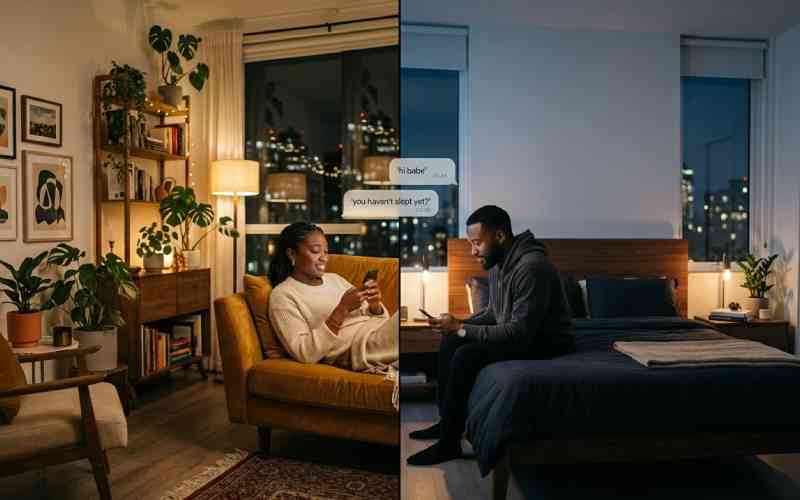
I am very selective in who I spend my time with and will only engage when it is mutually beneficial (Photo: Gemini)
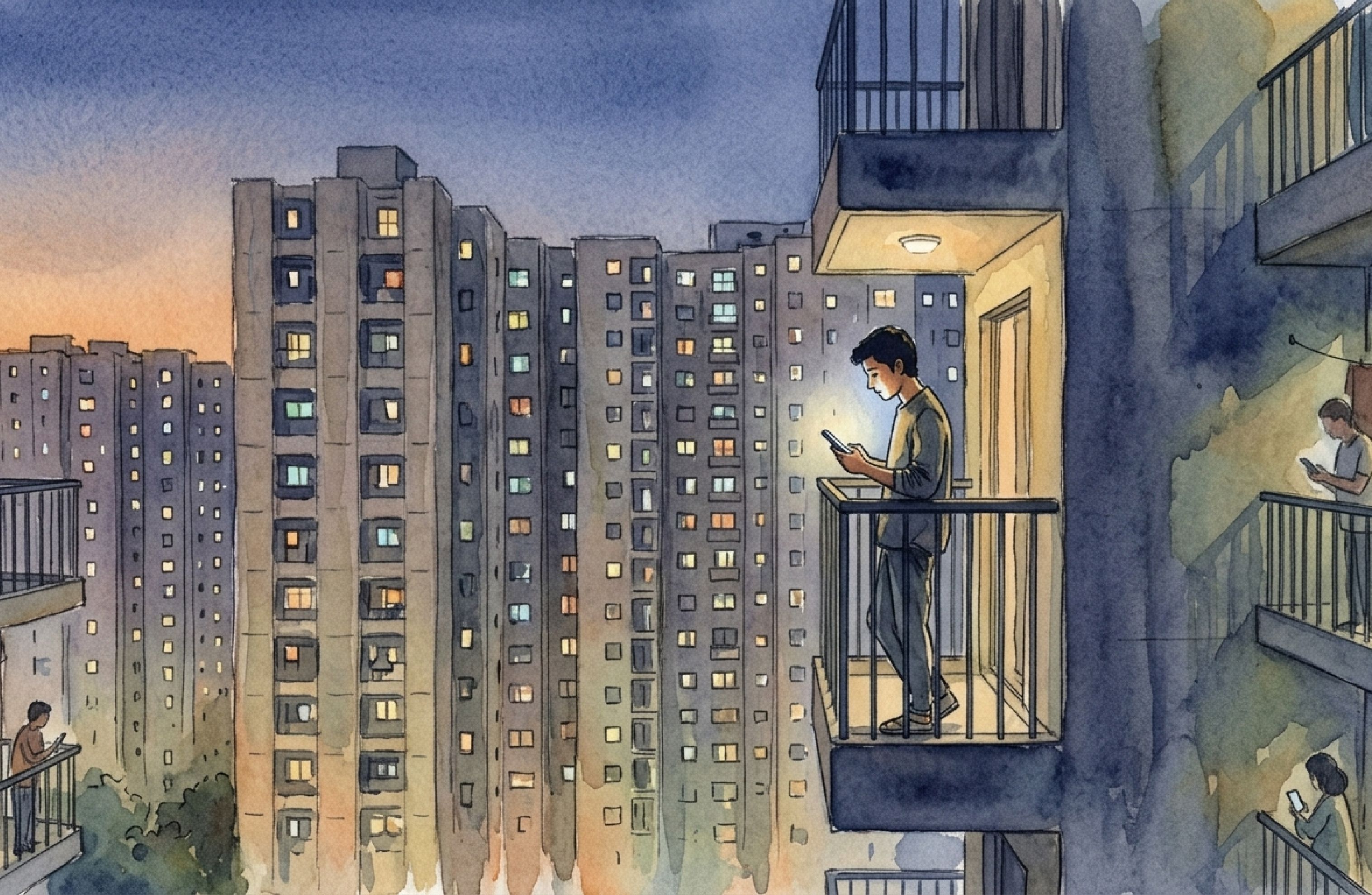
We are living in the most connected era in history. Take an imaginary look at our cities. From above, the evening skyline pulses with light as messages, notifications, and streams of data race between cell towers. Every apartment has a window lit up as antennas buzz with signals.
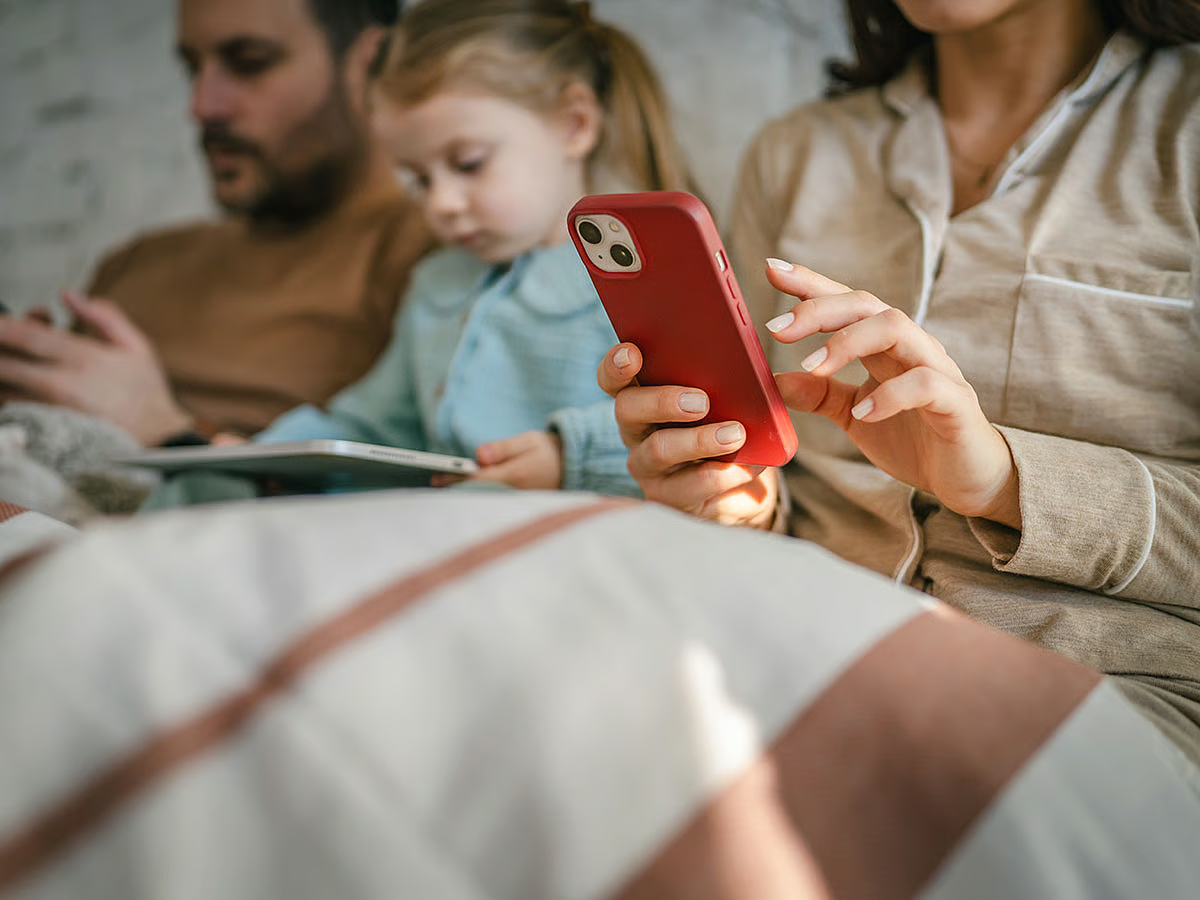
Now imagine the streets below. They are quiet. No socialising. No human networking. Everyone is inside, buried in the blue light of their small screens for hours on end. And not just the streets. Inside the same apartment, an entire family clutches their phones with fingers tapping occasionally and scrolling the seamless flow of short videos. A member lets out a chuckle, but nobody bothers to check out what could be funny.
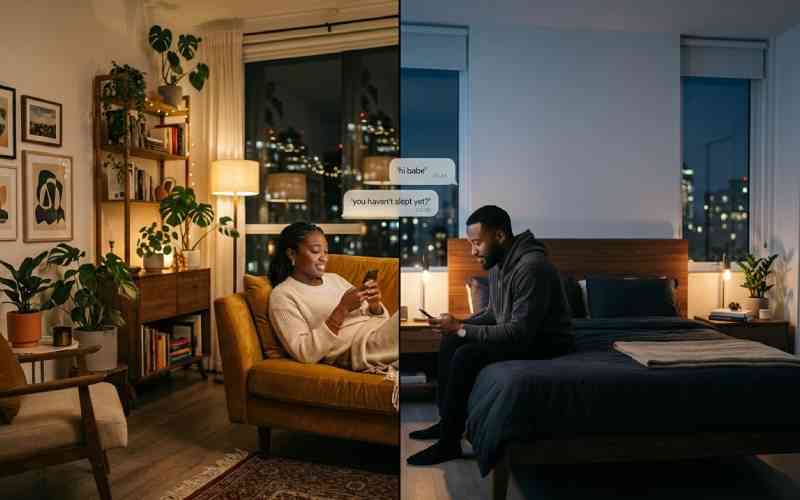
Welcome to the era of “megaconnections”, where one can acquire thousands of “friends” at the touch of a button and yet feel unconnected to them all, where people “like” one’s online posts, comments or photos and still feel alone and unloved.
Writing in Psychology Today, Darren J. Edwards, an Associate Professor at Swansea University, says social media can artificially boost people’s sense of self-esteem, though this cannot be sustained in the long run. On the other hand, he says those who constantly follow other people’s lives online may soon develop feelings of envy, inadequacy and get disconnected from the real world.