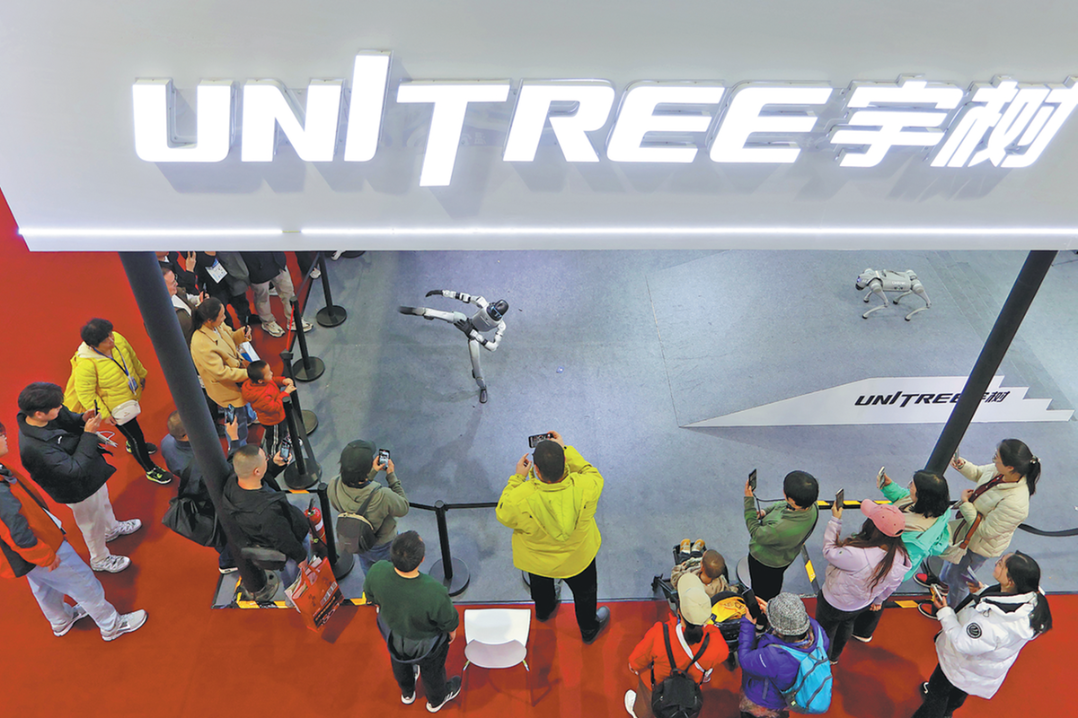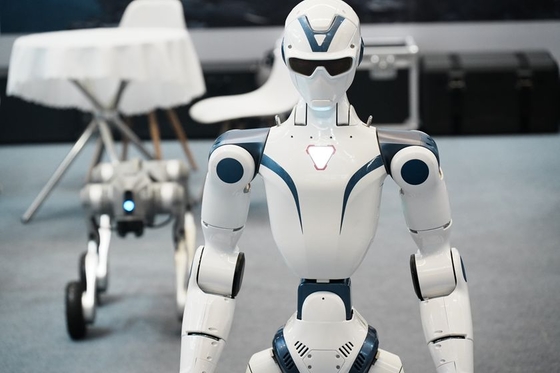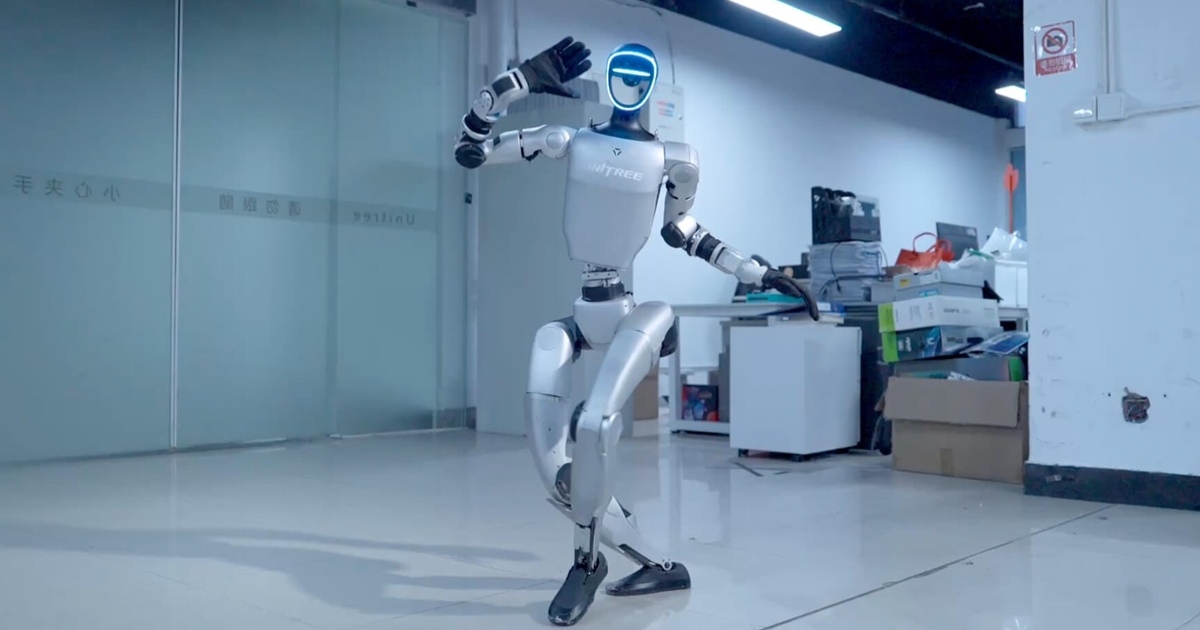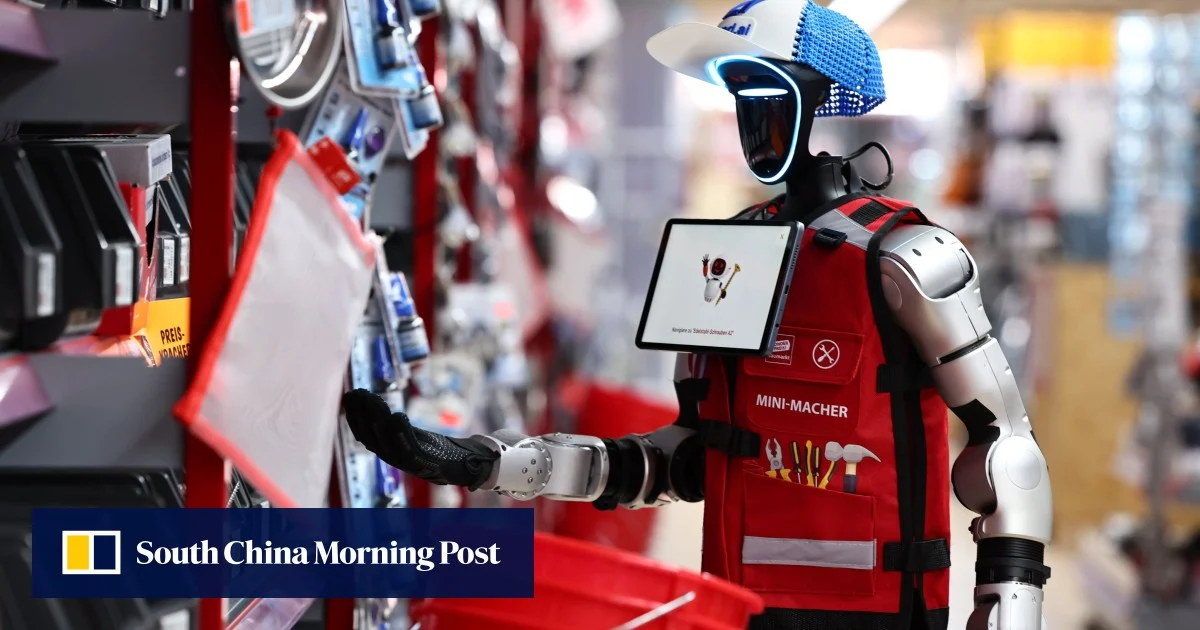
Unitree Robotics’ progress on its domestic initial public offering (IPO) has sparked a buying frenzy of stocks with exposure to the humanoid robot juggernaut, as traders snapped up shares of its pre-IPO investors and business partners.Investors were navigating one of the most important thematic investments this year after Unitree took a step closer to a listing on Shanghai’s tech-heavy Star Market. Unitree said Monday that the exchange authority would vet its application next week.Shares of Shanghai Dazhong Public Utilities, a supplier of power and gas, jumped to 6.03 yuan on Tuesday, a 10 per cent increase, the maximum daily swing allowed by the Shanghai stock exchange for companies listed on its main board. Property developer Beijing Capital Development surged 5.2 per cent to 5.02 yuan, while chemical firm Kingfa Science & Technology climbed 5.5 per cent to 18.57 yuan. All three companies earlier disclosed they had invested in Unitree through either subsidiaries or venture funds.Jiangsu Azure Corp and Hunan Meihu Intelligent Manufacturing, two companies involved in Unitree’s supply chain, also surged. In sharp contrast, China’s benchmark CSI 300 Index ended the day 0.5 per cent higher.The buying sentiment underscores investors’ enthusiasm for Unitree, which has grown in visibility after its robots danced and performed martial arts at the annual state-sponsored Spring Festival Gala celebrating the Chinese New Year. Investors see China as holding a technological edge in the humanoid robot market compared to Western countries, as the world’s largest economies compete to develop cutting-edge technologies.Unitree humanoid robots perform ballet dance moves at AsiaWorld-Expo in Hong Kong on April 18. Photo: Eugene Lee“The humanoid robotic industry is now at a new moment of moving from technological breakthroughs to scaled commercialisation,” said Cai Zilin, an analyst at Wanlian Securities, a Chinese brokerage. “With policy support and the AI large models, humanoid robots are expected to become an emerging industry with huge potential. The year of 2026 is a critical window to corroborate mass production and adoption.”
Unitree’s IPO progress spurs stock buying of firms with exposure to robot maker
As the robot manufacturer moves a step closer to its IPO, stocks of its investors and supply chain makers have shot up.
324 words~1 min read