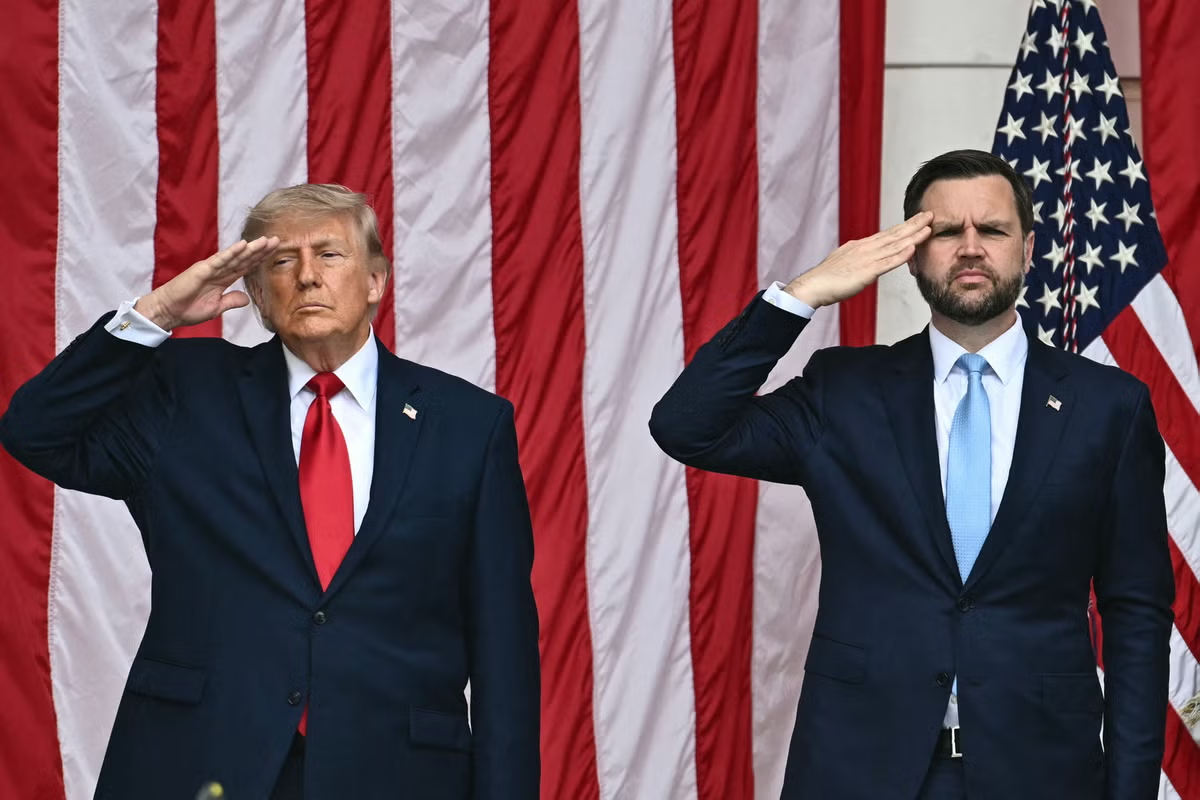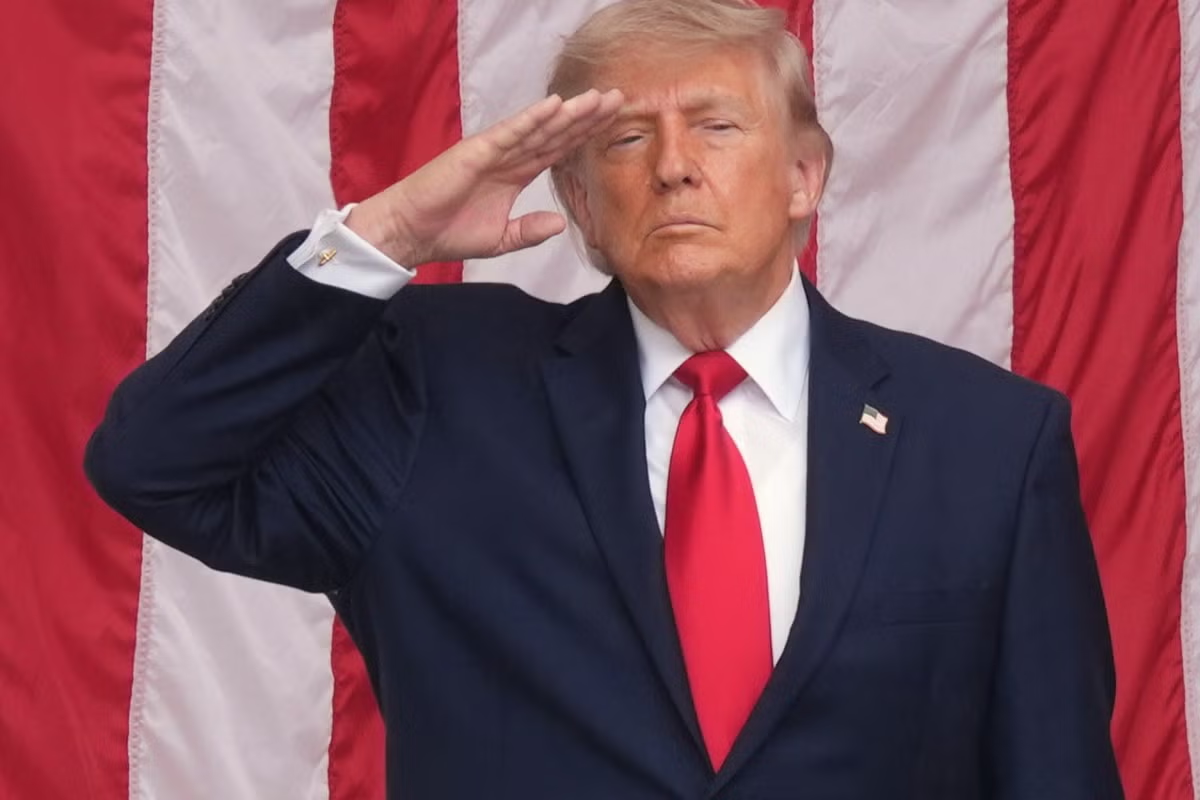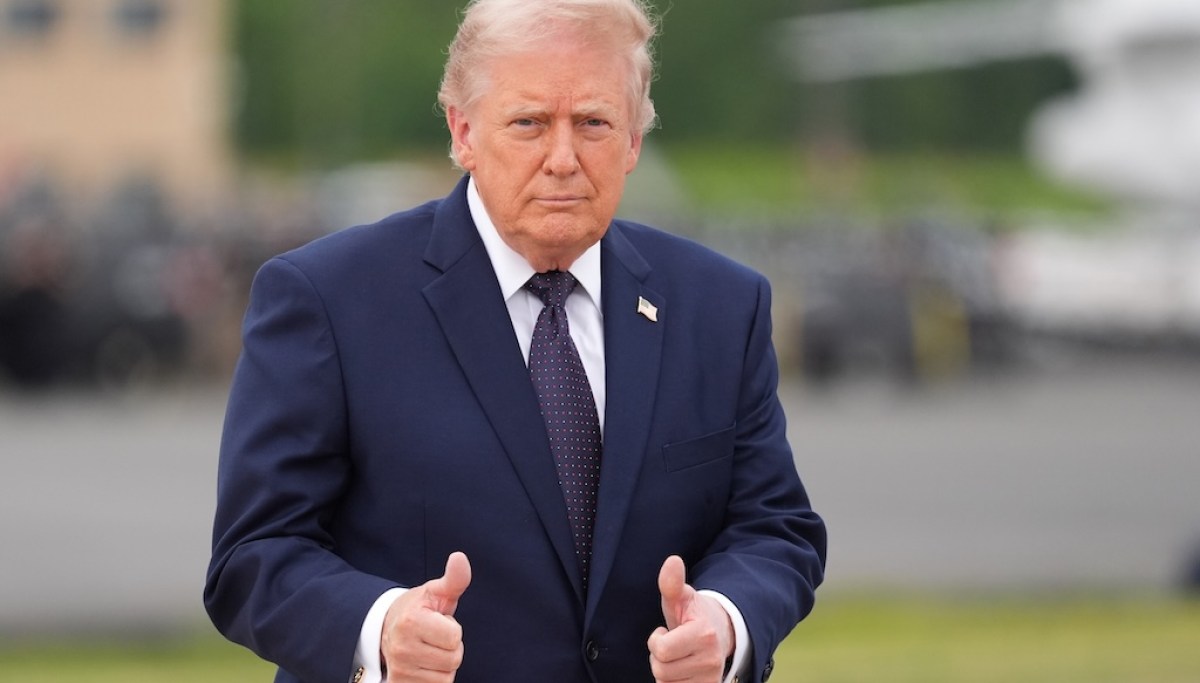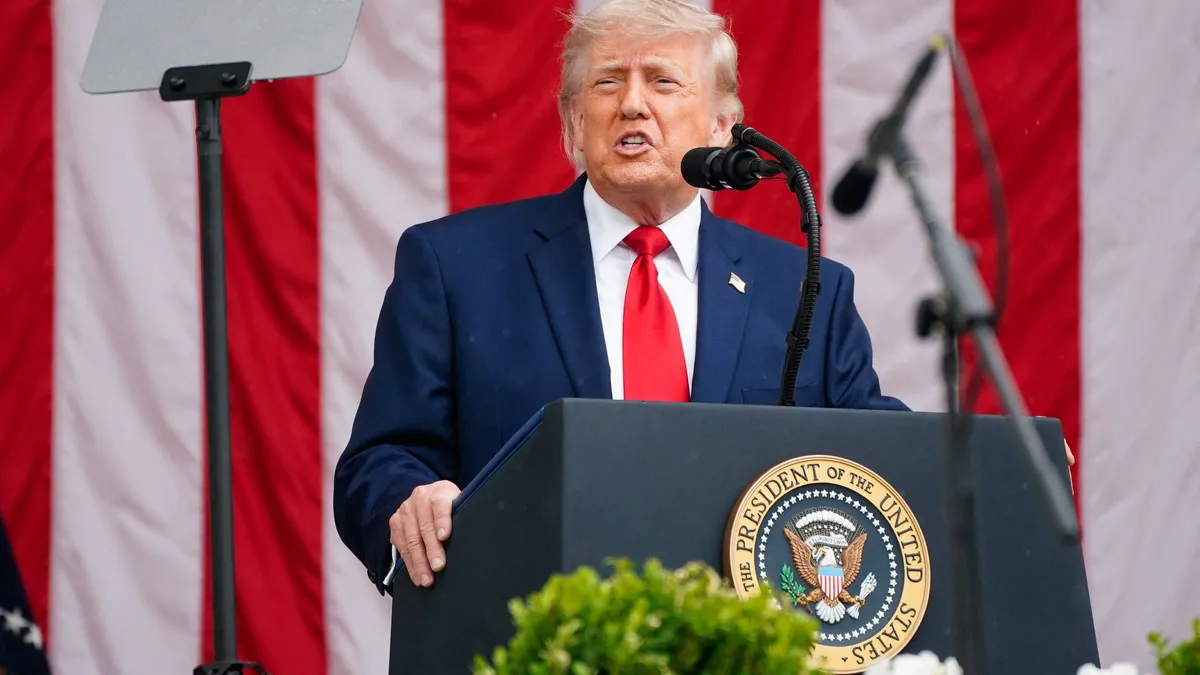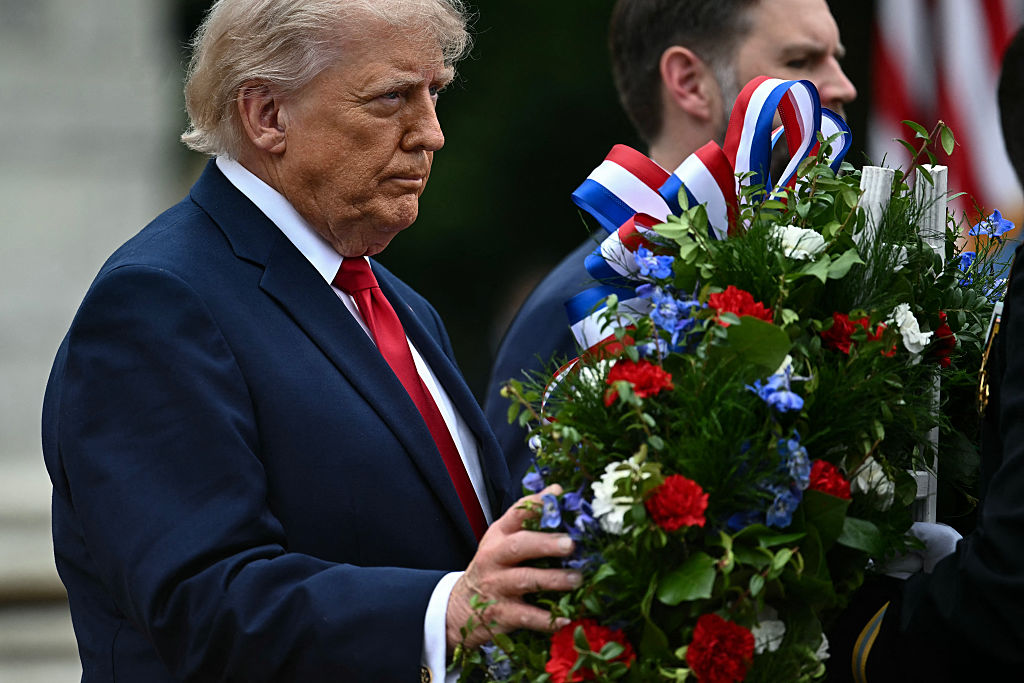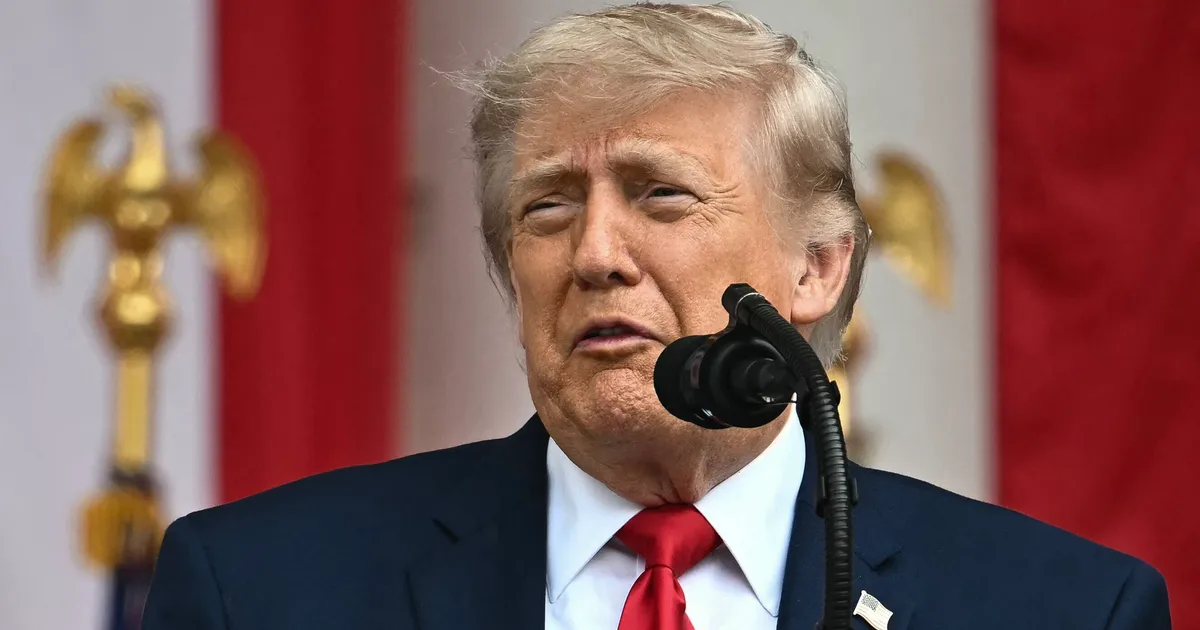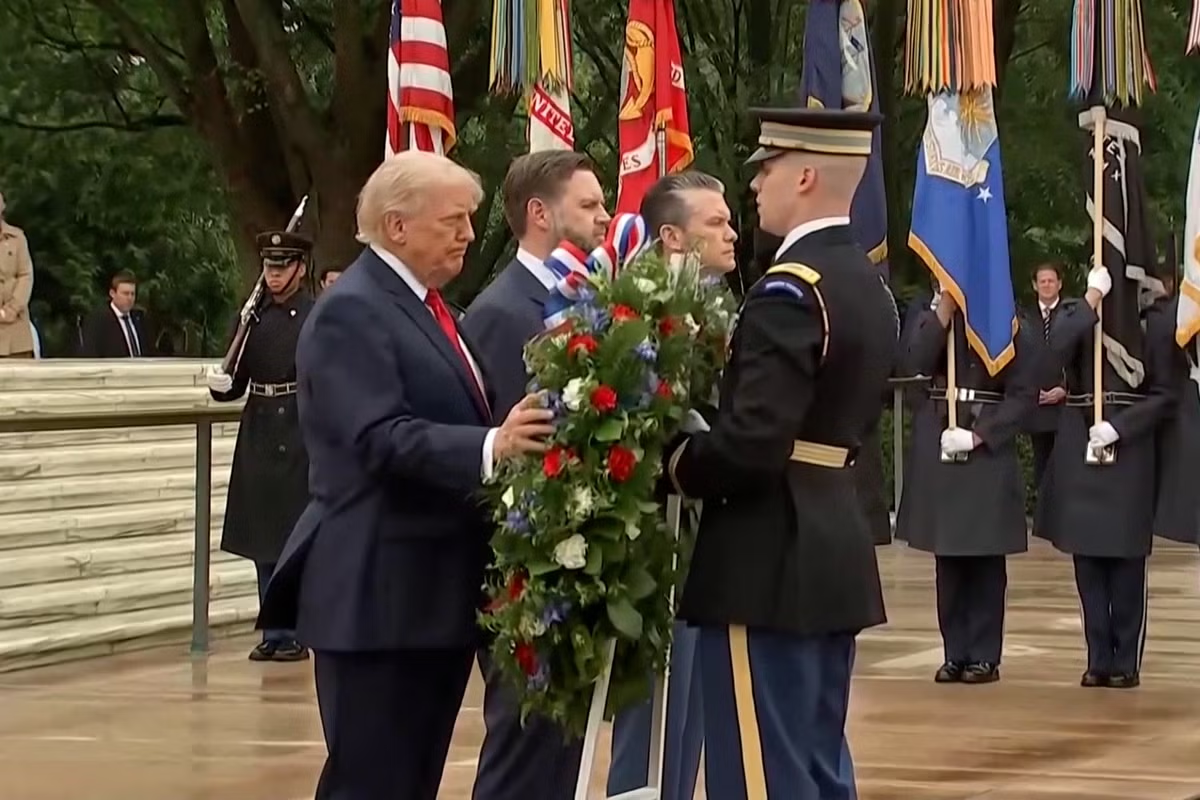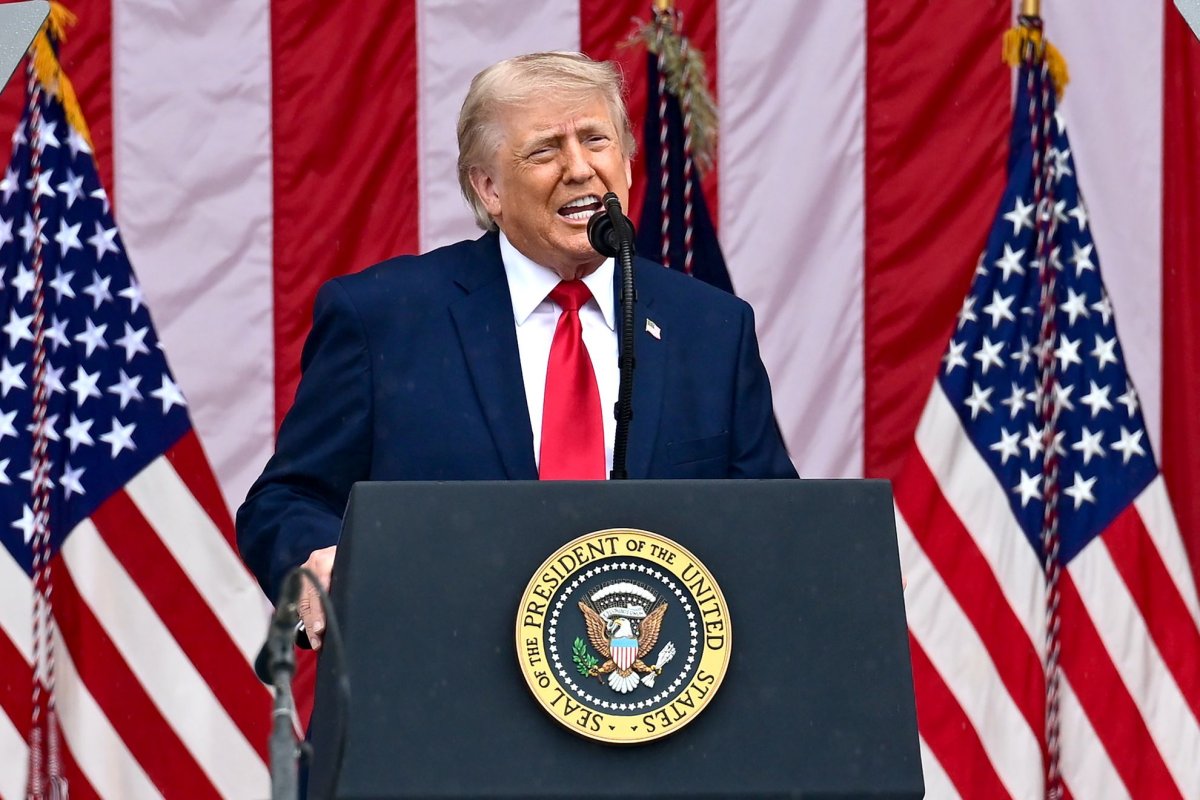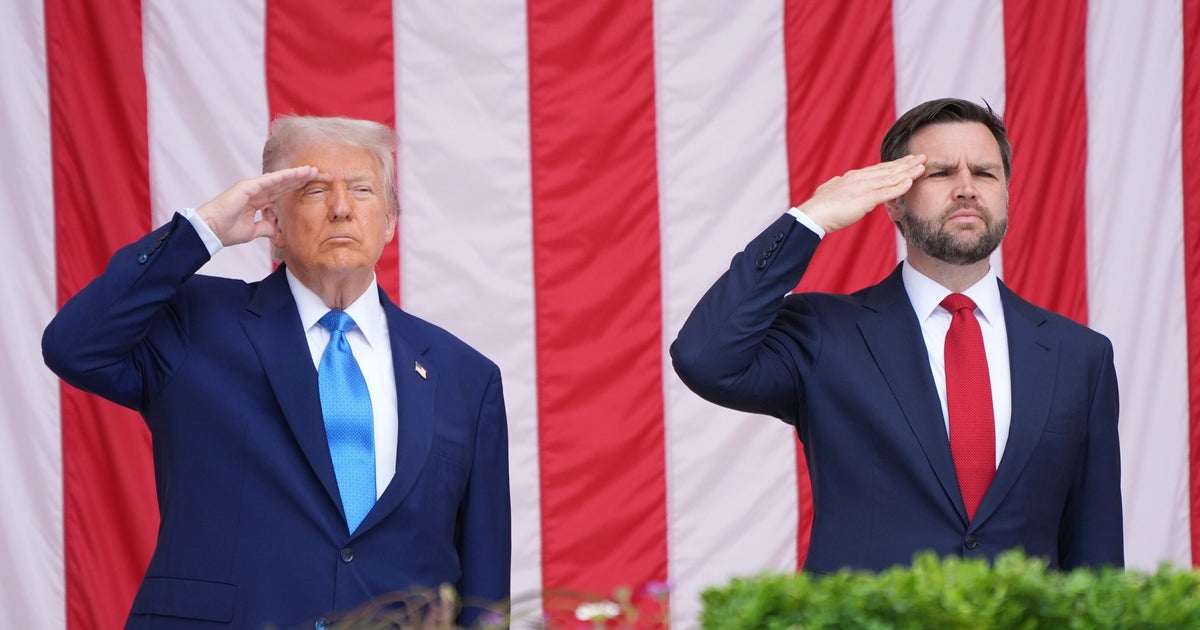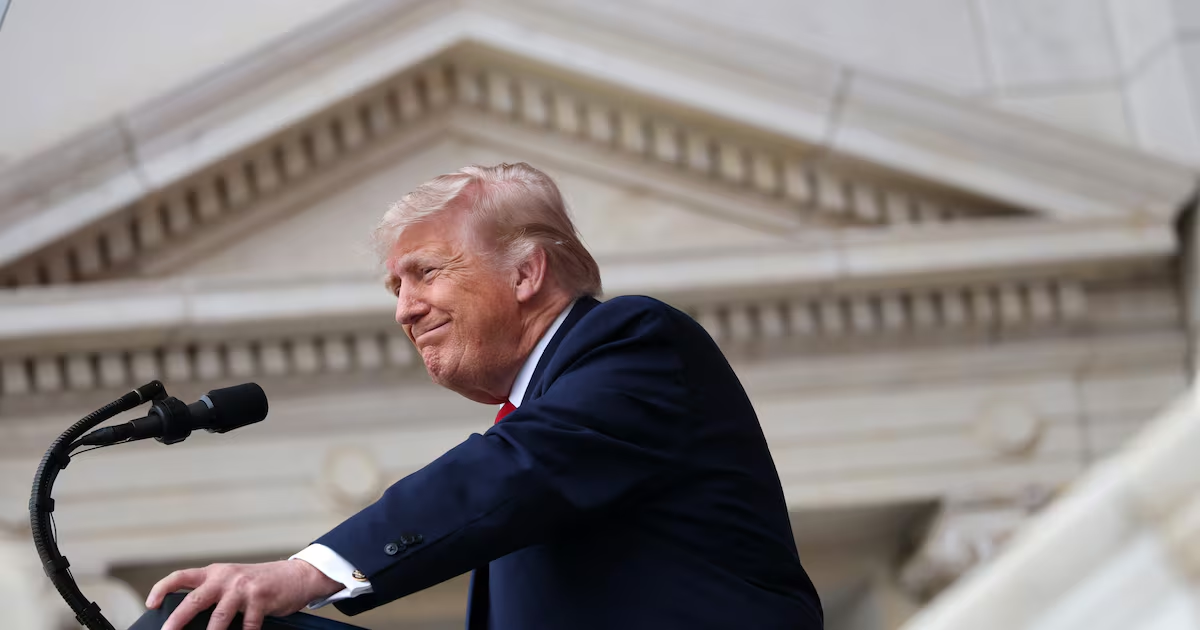
It has been a year of shades in Washington, DC, with the founding fathers and other heroes of 1776 regularly name-checked and invoked in the speeches of today’s leaders and lawmakers. On a rainy, dank Memorial Day noontime at Arlington cemetery, president Donald Trump plucked from the immaculate military histories the story of Caleb Harrington, who was 23 years old when he was killed during the early stages of the revolution in Lexington, Massachusetts, in April of 1775. He was among the first of eight Americans to die when, as Trump said, they were “cut down by the Redcoats”. Caleb Harrington’s father was also present that day and the younger man was trying to rejoin the main militia group. “He wanted to get back to Dad,” Trump suggested with one of his customary lapses into informality.“Less than six weeks from now our nation will reach an historic milestone – 250 years of majestic American freedom ... it’s something. But it is only right that first we remember the immense sacrifice that has been brought to us in this momentous anniversary year. That’s what it is: it’s a momentous year,” the president told the gathering. It is that. As Memorial Day speeches go, Trump’s struck a familiar note in that it was, necessarily, sombre and reflective and recognised the sacrosanct role of the military contribution to American life and heritage, from those revolutionaries 250 years ago through to the 13 service members killed in the early stages of the war, or excursion, in Iran. But set against the truly bleak canvas which the Trump administration has painted for itself as it enters the summer term, the message seemed like a subdued attempt to deny reality.“Our nation is doing better today than it’s ever done before,” he continued.“That’s right. The cause of independence exploded from that part of the American soul that will not be tamed, that will never be conquered, that would rather face death than to live as slaves to the arbitrary will of another.”Members of the US military salute the arrival of president Donald Trump's motorcade to a Memorial Day wreath-laying ceremony at the Tomb of the Unknown Soldier at Arlington National Cemetery in Virginia, on May 25th, 2026. Photograph: Kevin Dietsch/Getty Images But beyond the resounding, respectful silence within Arlington cemetery, Trump knows that the discontent is general. Last week’s Fox News poll – not as easily dismissed by the administration as those commissioned by liberal outlets – presented a series of damning statistics for the administration. A 61 per cent disapproval rate with his overall performance climbed to a staggering 71 per cent dissatisfaction with the White House handling of the economy and 76 per cent unhappiness at the rate of inflation. Even border security – the uncomplicated, conspicuous success by this administration – returned a 51 per cent dissatisfaction, attributable to the heavy-handed Ice-related tactics that dominated the long winter. The message from the public was one of misery at the fact that seldom in the two-and-a-half centuries of the republic has it been more brutally expensive and challenging to simply exist as an American as measured in the key metrics of housing, food and fuel. The eye-watering prices at US petrol pumps sharpen general awareness of the peculiar, stagnant war with Iran, and the increasingly desperate attempts to engineer a plausible exit strategy. Criticism of Trump’s lightning war has been unyielding from the left but the emergence of grumblings from within the hawkish wing of the GOP is more concerning for the White House. A series of released statements by prominent Iran-war proponents, from Texas senator Tex Cruz to Lindsey Graham of South Carolina, voiced fears that the administration was moving towards a peace agreement that would mean, as Mississippi senator Roger Wicker put it, “everything accomplished by Operation Epic Fury would be for naught”.A vivid online weekend contretemps between Mike Pompeo, Trump’s former secretary of state, and Steven Cheung, the White House communications director, offered a snapshot of the tetchy mood. Pompeo summarised the likely deal under negotiation as “pay the IRGC to build a WMD program and terrorise the world.” Cheung replied that Pompeo “has no idea what the f**k he’s talking about”.“He should shut his stupid mouth and leave the real work to the professionals,” Cheung suggested.Elsewhere, Trump is facing Republican pushback against the revolutionary-themed $1.776bn ‘weaponisation fund’ partly designed to compensate participants in the notorious January 6th, 2021, riot at the Capitol. Pennsylvania Republican representative Brian Fitzpatrick has joined his Democratic counterpart Tom Suozzi in drafting legislation with one explicit aim. “We’re going to try and kill it,” Fitzpatrick said of the intention. On Friday of last week, Trump celebrated the demise of Thomas Massie, the Republican congressman who lost his primary election to a Trump-backed opponent in Kentucky’s 4th district, which Massie had dominated since first winning his seat in 2012. It became the most expensive election campaign in primary congressional history, with $32 million spent on advertisements, the vast majority of which came from donations outside the state. Speaking on Sunday morning, Massie reasoned that he paid the price for persistently demanding the release of the Epstein files, a cause that saw him form an unlikely alliance with Democratic congressman Ro Khanna, despite Trump’s repeated wish for the saga to disappear. “It was absolutely for me,” Massie said on Meet The Press when asked if that cause had been worth the loss of his seat, before offering this forecast for how the midterm year is shaping up for his Republican colleagues.“Now, I don’t think it is going to be worth it for the party. Look, some people on the left have Trump derangement syndrome – it’s called TDS. But there’s a growing number of people on the right who have a form of TDS, called Trump disappointment syndrome. And I think what’s going to happen to the party this fall is that they have disenfranchised a large portion of that constituency that Trump assembled to get us in the White House, in the Senate and House majority. A cutout of US president Donald Trump is displayed as people attend the National Memorial Day Parade on Constitution Avenue in Washington, DC. Photograph: Brendan SMIALOWSKI /AFP via Getty Images “They have alienated the Maha [the Make America Healthy Again movement] by kowtowing to the pesticide manufacturers and the pharmaceutical manufacturers; they’ve alienated the fiscal hawks by running Doge [Department of Government Efficiency] out of town; they’ve alienated people who don’t want to fight another war for other countries. And so I am worried that in November this is going to cost the party a lot.”Massie has the remainder of the year to call out Trump’s shortcomings and failures as he sees fit. Like other Republicans without seats to defend, his criticism is likely to become more acerbic. In Texas on Tuesday night, all eyes will turn to the Republican Senate primary between John Cornyn, the two-decade incumbent, and his Trump-backed Maga challenger Ken Paxton, who is now expected to win.As Washington prepares for a muggy summer and a turbulent midterm build-up, one thing is clear. Donald Trump has no more elections to win for himself. The mischievous hints at a third term run for the 47th president, touted as an inevitability by Maga activist and former Trump staffer Steve Bannon, have dried up. Trump turns 80 in a few weeks. Even if it could be engineered, the thought of another six years in office may no longer appeal to him. So the pyrotechnic foreign adventurism that has marked this year seems motivated by the desire of a second-term president to leave a legacy beyond the various physical monuments and dance-halls taking shape around the city. Whether he has considered, or even cares about, the implications for the next Republican candidate is impossible to decipher.But the messy, expensive war with Iran and the sticky inflation crisis that proved decisive in 2024 is now turning the ground beneath Trump’s feet into quicksand. So in Arlington, president Trump laid the traditional wreath at the Tomb of the Unknown Soldier and delivered the words with appropriate intonation and gesture. But the familiar fire and energy were absent. Standing behind that lectern, he looked and sounded like the one thing he has prided himself on never being: a politician, reading a speech.
No fire, no energy: Memorial Day speech finds Trump still seeking to deny reality
The war with Iran and an inflation crisis is turning the ground beneath the US president into quicksand
1,386 words~6 min read