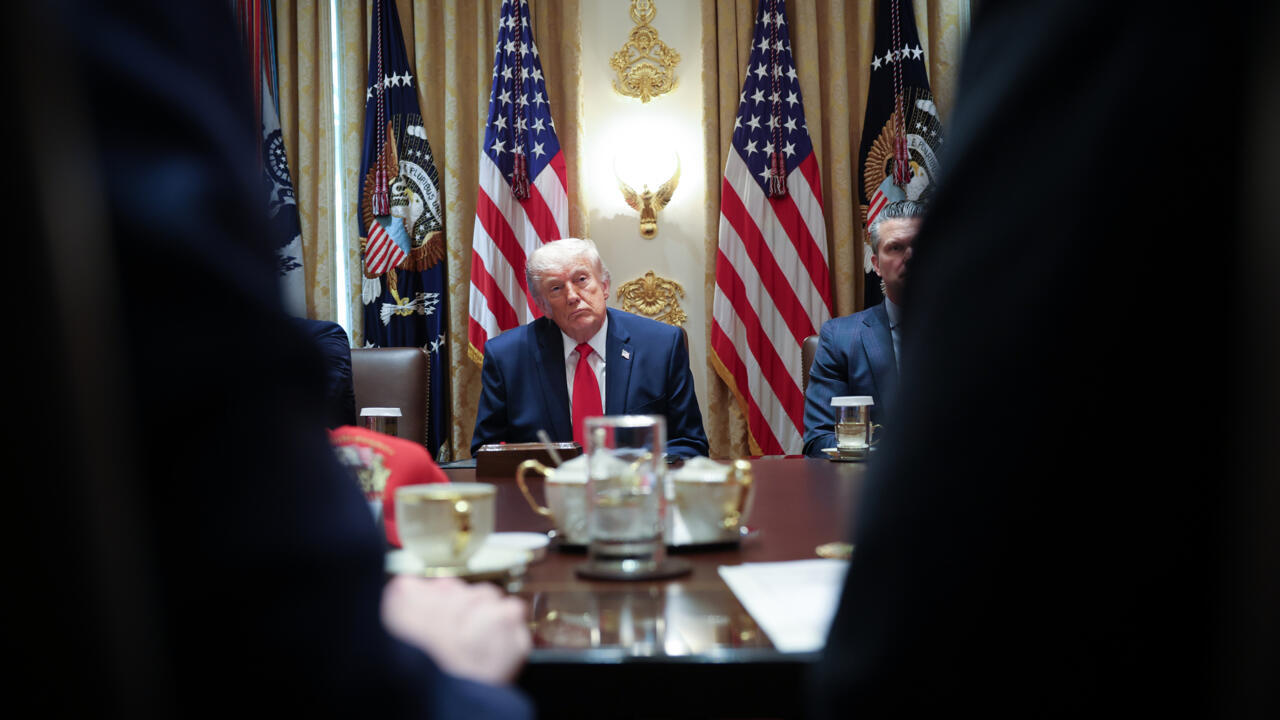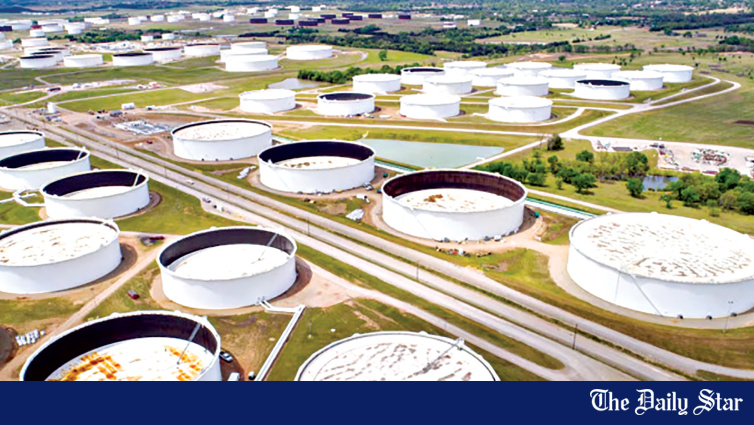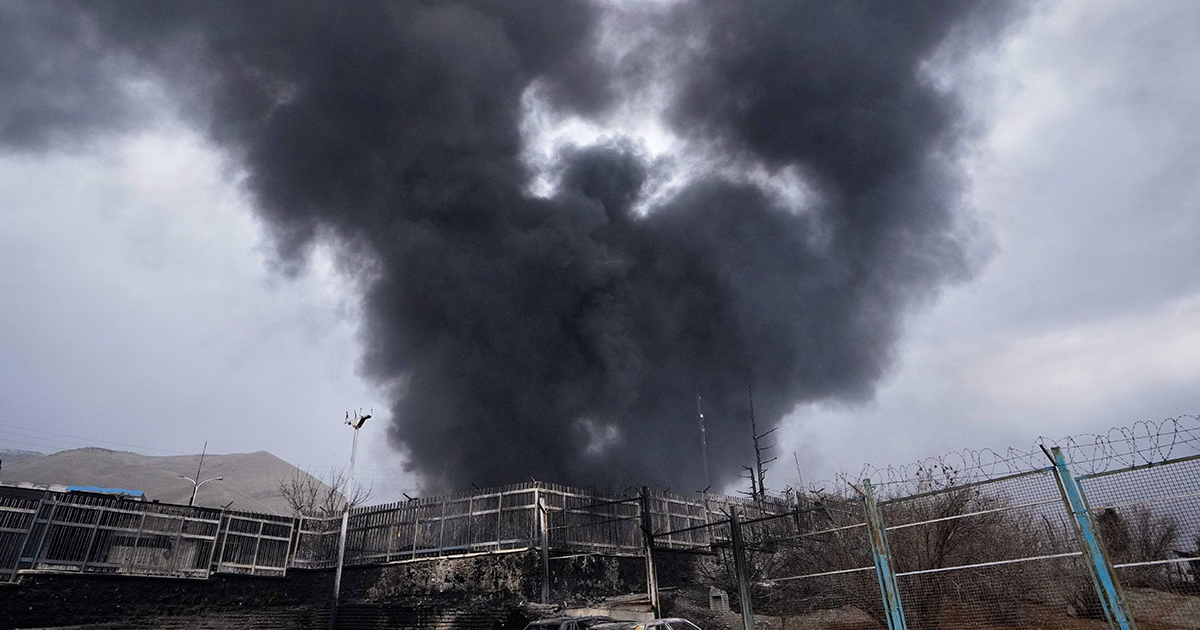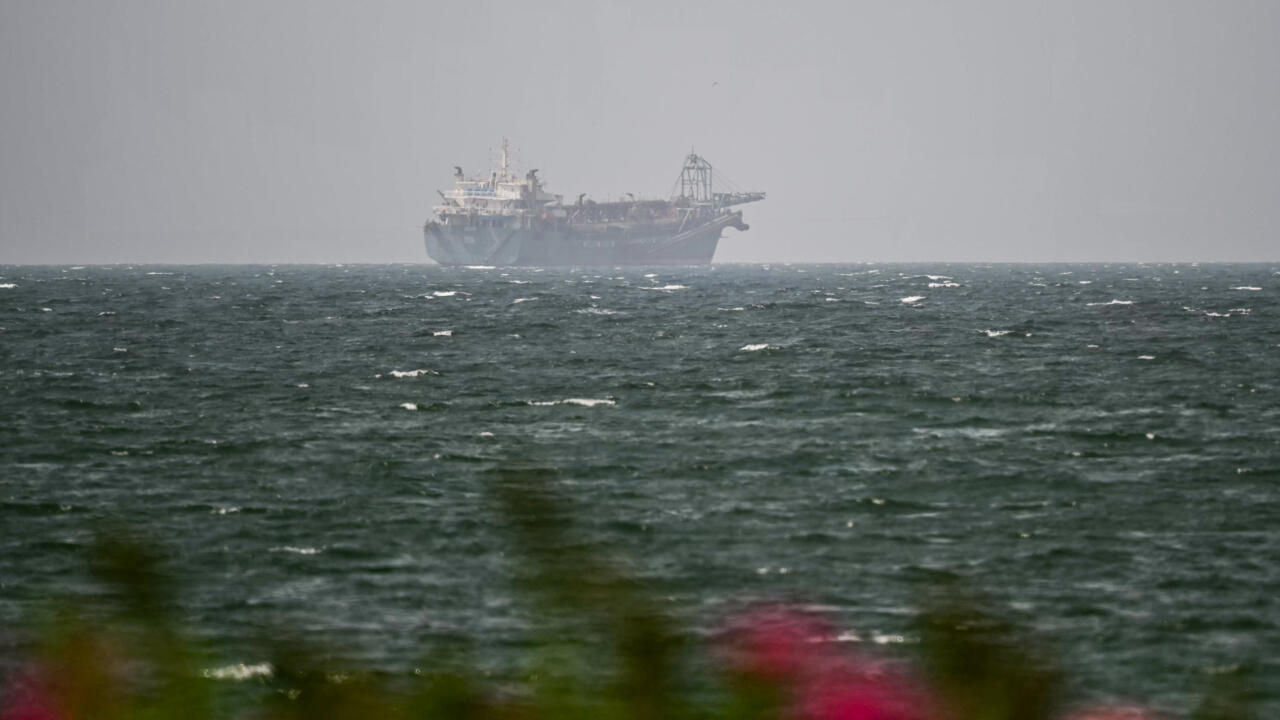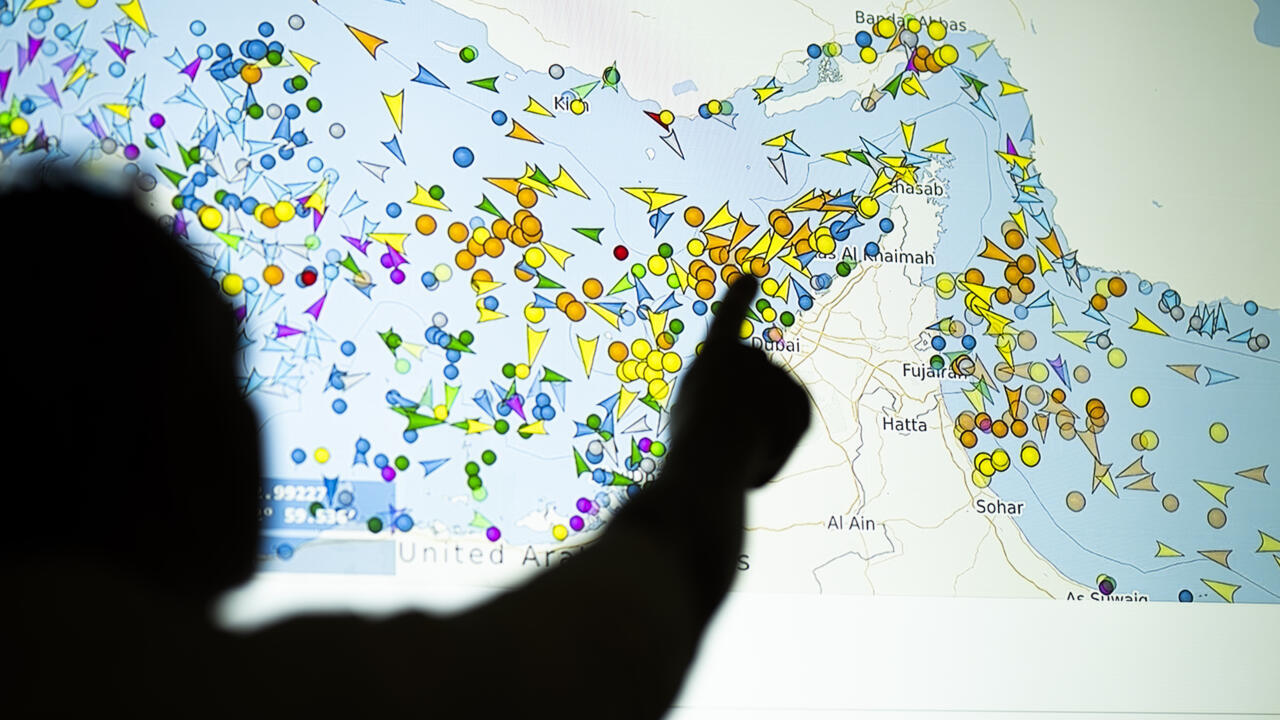
Oil prices rose on Tuesday and stocks dithered as investor optimism over an imminent US-Iran peace deal was tempered by new US strikes in the Middle East.US forces conducted strikes in southern Iran in what was described as defensive action, as Tehran’s top negotiator and its foreign minister were in Doha for talks with Qatar’s prime minister on a potential deal with Washington to end the three-month-old war.Also, US Secretary of State Marco Rubio said negotiating a deal with Iran could “take a few days”, quashing hopes of an imminent end to the conflict.The developments sent Brent futures rising more than 2 per cent in Asian trade to $98.21 a barrel.US West Texas Intermediate crude was up slightly from Monday’s last traded price but down 4.9 per cent from Friday’s close. There was no settlement on Monday due to the US Memorial Day holiday.“I’m a bit sceptical... We keep being told there’s a deal that’s near, but what does the deal look like? That’s what’s really important. When’s the Strait of Hormuz going to open... There’s a lot we don’t know,” said Joseph Capurso, a strategist at Commonwealth Bank of Australia.Stock markets were mixed, with MSCI’s broadest index of Asia-Pacific shares outside Japan advancing 0.67 per cent, while Japan’s Nikkei shed 0.14 per cent.Nasdaq futures trimmed earlier gains to trade 0.86 per cent higher, while S&P 500 futures rose 0.66 per cent.EUROSTOXX 50 futures eased 0.16 per cent, while FTSE futures added 0.2 per cent and DAX futures lost 0.26 per cent.“The market wants to believe that it’s all going to end soon, because the war not ending is quite bad for the world economy. The world economy’s had these buffers of running down inventories, but you can’t keep running down inventories,” said Capurso.In Hong Kong, stocks rose as the chipmaking sector’s gains helped overcome jitters around Beijing’s crackdown on illegal cross-border trading.The Hang Seng Index was up 0.5 per cent, while on the mainland, China’s CSI300 blue-chip index dipped 0.3 per cent.In currencies, the dollar steadied on Tuesday on renewed safe-haven demand, though it remained some distance away from a six-week peak hit last week.The euro fell 0.1 per cent to $1.1633, while the sterling eased 0.13 per cent to $1.3488.Against the yen, the dollar was flat at 158.94.Bonds were largely steady after a rout last week on worries that higher energy prices for longer would stoke a resurgence in inflation and prompt rate hikes across both developed and emerging markets.The yield on the two-year U.S. Treasury note fell nearly 7 basis points to 4.0573 per cent, while the 10-year yield fell more than 6 bps to 4.5083 per cent.“We are likely to see periodic yield retracements on occasions when geopolitical risks subside, but inflation and fiscal risks are likely to be more sustained,” said Eric Robertsen, Standard Chartered’s head of global research and chief strategist.“Commodity supply dislocations will take months to resolve, and fiscal support measures are likely to drive a sustained deterioration in sovereign balance sheets - which will also require increased borrowing in an environment of higher funding costs.”Elsewhere, spot gold was down 1 per cent at $4,525.18 an ounce. - Reuters
Oil rises, stocks waver as new US strikes dampen peace deal hopes
Iran’s top negotiator and foreign minister in Doha for talks on potential deal
526 words~2 min read