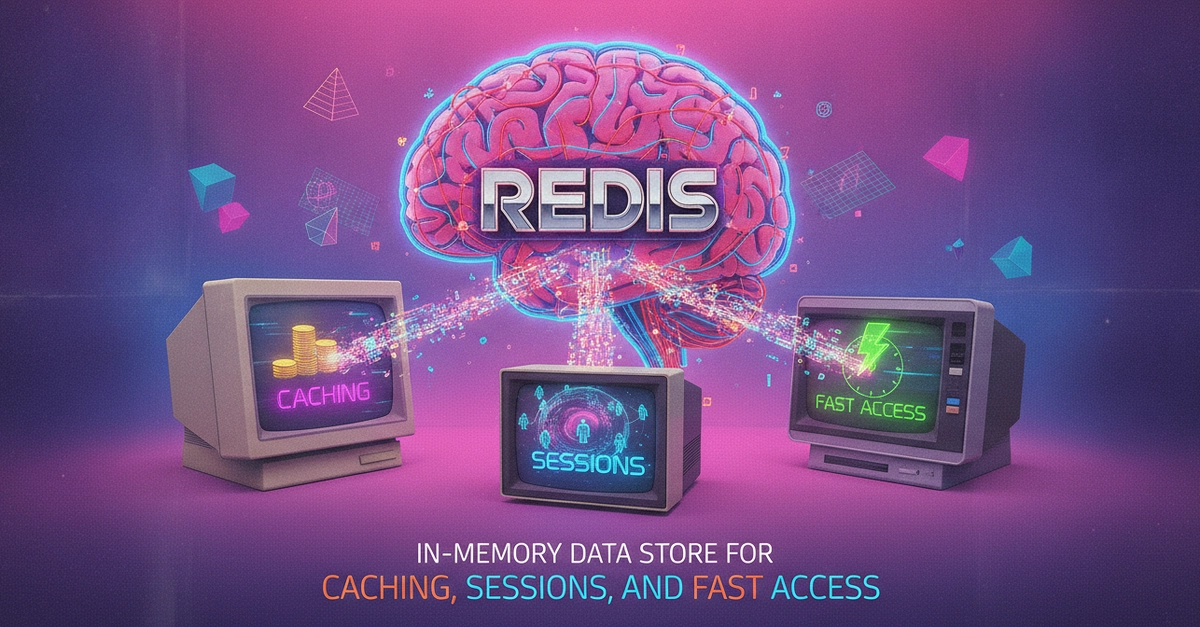
Redis is often a misunderstood tool in the backend developer's arsenal. While many view it simply as a "topic" to be covered in an hour, its role in modern system design is pivotal for building high-performance, scalable applications. This article explores what Redis is, why it is used, and how to set it up locally for development.
Understanding Redis: The In-Memory Powerhouse
At its core, Redis is an in-memory data store, often referred to as a "lightning-fast" hash map or key-value store. Unlike traditional databases like MongoDB or PostgreSQL that primarily store data on a hard disk (SSD or HDD), Redis keeps its state in the RAM (Random Access Memory).
Core Concept: The In-Memory Advantage
The fundamental difference between Redis and traditional databases (like MongoDB or PostgreSQL) is where they store data. While standard databases primarily use disk storage (SSDs/HDDs), Redis keeps its state in RAM (Random Access Memory).