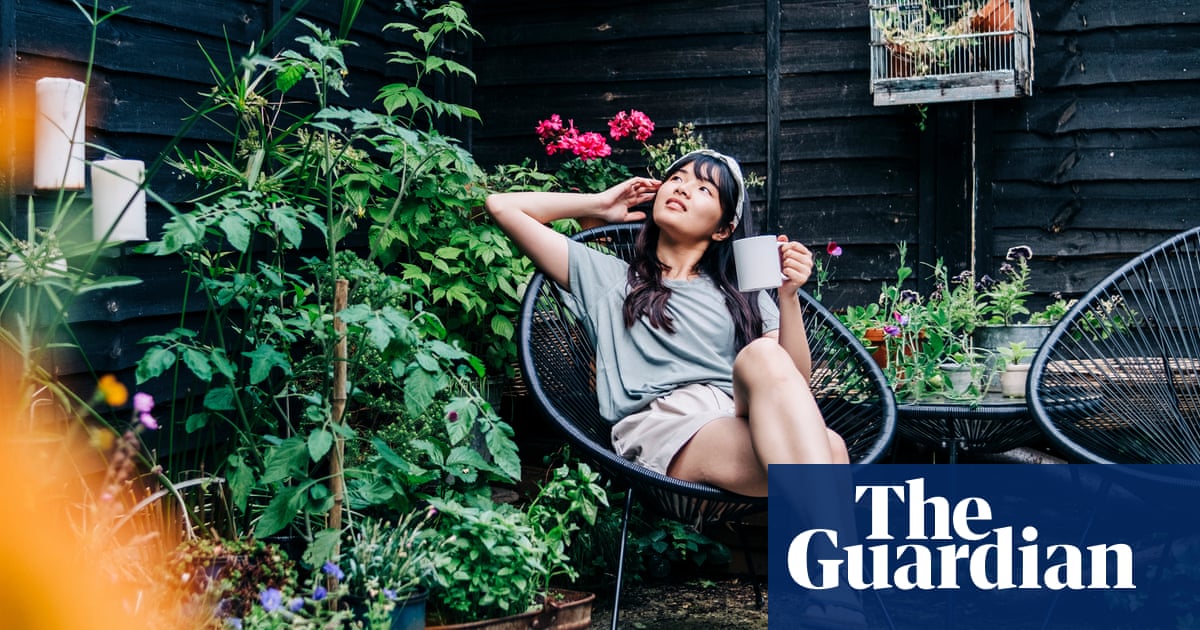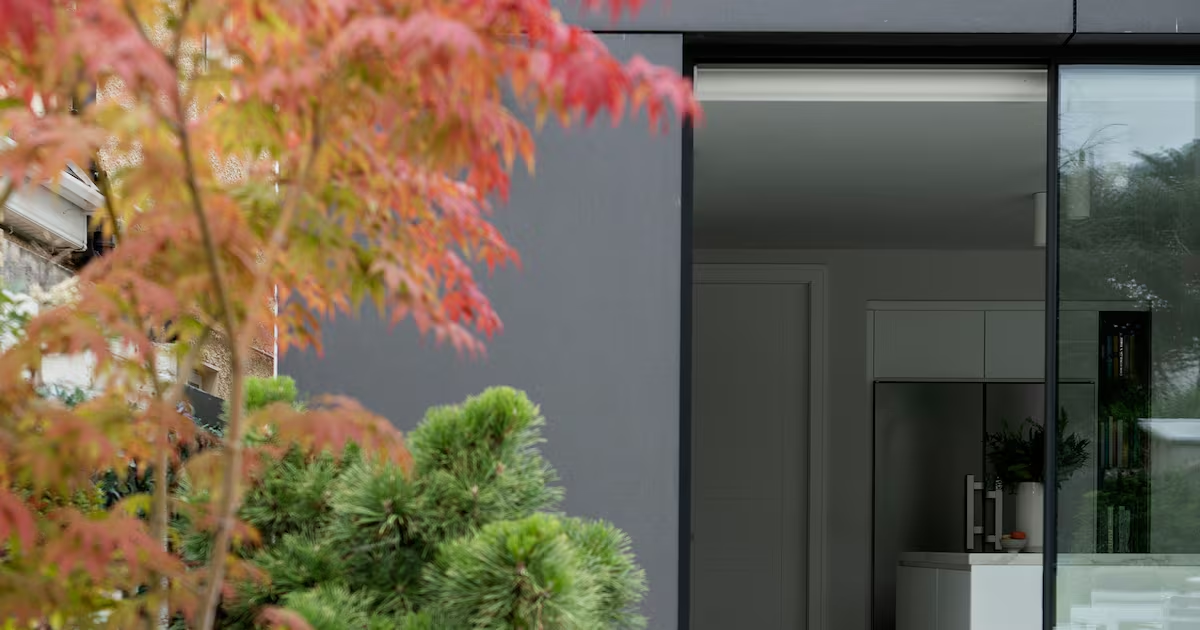
With longer evenings and better weather, we tend to start thinking about spending more time in the garden. And if your garden is on the smaller side, you might feel like a little more space would make a big difference, particularly if you’re trying to fit in a few different uses. The good news is that, with a bit of creative thinking, it’s possible to get more from the space you have. You don’t need more space, just a more considered approach. Here are a few ways to make even the most compact garden feel open, comfortable and enjoyable to spend time in over the summer.Think verticallyWhen space is tight, the instinct is often to keep everything low and open. But that can draw attention to the boundaries, making the garden feel smaller than it is.One of the simplest ways to make your garden feel more spacious is by introducing height. Climbers, taller plants, green walls or even a few vertical features draw the eye upward and take the focus away from the boundaries. It adds depth and helps the space feel more layered.It also creates a sense of enclosure, which is often what’s missing in smaller gardens, making the space feel more sheltered and more private. Height gives you more impact without taking up valuable ground space, which is what makes it so effective in a compact garden.Soften boundariesHow you treat your boundaries can have a big impact on how spacious a garden feels.If there are trees or greenery beyond your garden, you can use that to your advantage. Planting hedging or climbers along your boundary helps link your garden to what’s beyond it, so the eye doesn’t stop at the fence. Instead, the space feels more open and less contained.At the same time, the boundary itself plays a key role. Light-coloured walls and fences can make the edges feel quite defined, which tends to shrink the space. Darker tones, such as deep greens, charcoals or soft blacks, help them recede into the background so planting comes forward and the space feels more open. It’s a simple shift, but it can make a noticeable difference to how the garden feels overall.[ How to create a garden room of your own: ‘It’s somewhere to go without going anywhere’Opens in new window ]Layer the spaceIn smaller gardens, it’s common to keep everything pushed out to the edges, leaving a clear, open space in the middle. It can feel tidy, but it often makes the garden feel smaller because you can see everything at once.Bringing elements into the space helps to break that up. A cluster of planting, a small tree or a seating area set slightly off-centre adds depth and makes the garden feel more layered.A good rule of thumb is that you shouldn’t see the whole garden in one go. Even in a compact space, it’s worth creating a sense of movement that draws the eye from one area to another. That might be as simple to achieve as considering how planting is arranged or how a path leads you through the space. Working on such elements can make the garden feel larger, and also make it more interesting to move through and spend time in.One of the most effective ways to make a garden feel bigger is to create a stronger connection between inside and outside. Photograph: Ruth Maria Murphy Connect to the insideOne of the most effective ways to make a garden feel bigger is to create a stronger connection between inside and outside. Using similar tones or materials helps create a more continuous flow. That might mean carrying the same flooring out from the house, or choosing an external finish that closely matches what you have inside.When the change between the two is subtle, the spaces start to read as one. It doesn’t have to be an exact match. Even using similar tones or finishes can help tie the two spaces together, whether that’s continuing a wall colour outside or using cladding that picks up on materials from inside. It creates a more connected, considered feel. Done well, it stops the garden feeling like a separate space and makes it feel like a natural extension of the home.If you are continuing flooring outside, it’s important to choose a material that’s designed for outdoor use. Many tiles come in both interior and exterior versions, so you can achieve a consistent look without compromising on durability or slip resistance. Have funYour outdoor space doesn’t have to follow a particular style or trend. In fact, it’s often more interesting when it doesn’t.We’ve had clients create a lush, tropical-style garden through filling their space with ferns, large-leaved plants and bold colours to create a real sense of escape – like stepping into a little oasis right outside their back door. At the other end of the spectrum, we’ve worked with clients who’ve turned their garden into a small putting green, a space shaped entirely around how they want to spend time there.Size doesn’t have to limit what you create. Even a small garden can accommodate space for entertaining, a sense of escape, or something that feels genuinely special. It’s not about how much space you have, it’s about how you choose to use it.
A designer’s top tips on how to make the most of small gardens in summer
Designer Denise O’Connor: With a bit of creative thinking, it’s possible to get more from the space you have
873 words~4 min read