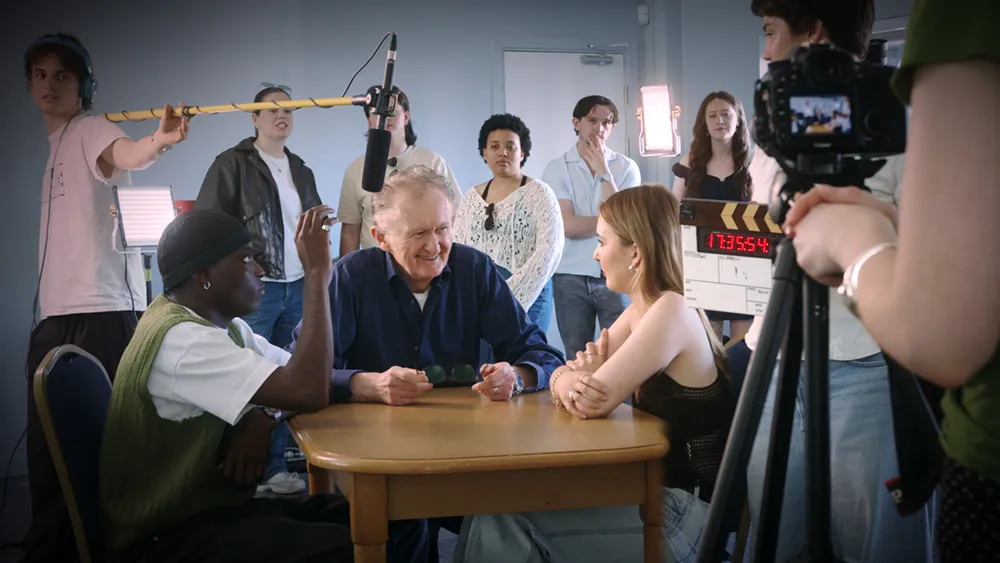
There is no denying that Irish actors are having something of a moment. From the multi-award-winning Jessie Buckley to Paul Mescal, Cillian Murphy, Barry Keoghan, Nicola Coughlan, Saoirse Ronan, Brendan Gleeson, Colin Farrell and so many more, they are doing our small nation proud.Being recognised for their worth, while also enjoying the creative outlet, is no doubt important for the stars of screen and stage, but it is also something which resonates with every one of us, particularly children who are finding their way in the world.Adrienne Lee, a specialist drama educator with more than 20 years’ experience, says the creative arts are hugely beneficial for young people, even if they never decide to make a career in a related area. “Drama can offer every child an opportunity to explore their imagination, to put language on their thoughts, to express themselves, discover their voices, and develop their personalities in a fun, safe space,” she says.“This can lead to a deeper understanding of self and others. We believe that every child and young person should do drama. But it is not about winning the Oscar. It is about giving them a voice to speak up. “Through drama classes, students learn empathy, communication, and problem-solving skills. When children are playing pretend or acting through story, song, or dances, they are learning to trust themselves – and that builds confidence and self-esteem which lasts far longer than any stage.”The founder and director of PlayAct Drama School in Dublin says the confidence children can gain through performing will stand to them throughout their lives, even if they are not outgoing to start with. “Over the years we have found once the child gets in the door and sees what drama is all about, they are curious and want to come back to play and pretend even more,” says the mother of two. “It might take a few weeks for a shy child to really settle in, and you don’t want to rush that process. Once they are willing to turn up for the class the rest will follow in time, and they will blossom in ways which will surprise themselves and their parents. “We will never put a student on the spot – all our classes and camps have elements of self-directed activities, but we provide gentle guidance to help their existing talents. Nurturing your child’s abilities allows them to naturally enhance their skills and learn, so even if they are reserved or lack confidence, they will soon feel comfortable and at ease, which will allow them to flourish.” [ Summer camps for children: The best and most popular non-sports camps in IrelandOpens in new window ]Psychologist Dr Malie Coyne says that performing is wonderful for helping children “to come out of their shell”. Adrienne Lee of PlayAct Drama School with students Elodie and Daisy. “For kids who are naturally shy, it can be transformative, because it gives them a structured way to come out of themselves, to have a voice, often through character, which can feel safer than being fully seen as themselves,” she says. “Sometimes, you can see them being extremely demonstrative while performing, and then shyer off stage. But over time, the experience builds their confidence, social skills, sense of mastery and friendships across different ages and backgrounds, as it widens their social world beyond school.“And it’s also so joyful to be in a show. It brings out that playful and creative side of ourselves which, particularly for children, is essential for development. It is such a positive activity for people of all ages to participate in.”Eileen Keane can attest to this as, two years ago she enrolled her son in a drama camp organised by his school. He had been reluctant to participate at the beginning, but over the course of two weeks, he “completely came out of himself” and has “been a different child ever since”.“My son was always a shy and anxious child. He never really participated in activities at school and teachers told me that he was reluctant to take part in discussions in class or even answer questions because he didn’t like people looking at him.“When I found out that his friend was going to be attending a creative summer camp, I signed him up for it as well and he was happy to go along. But on the first day, he got cold feet and said that he didn’t want to do it as he ‘would feel silly’. I spoke to the teacher and told her that he was shy and a bit reluctant – but she didn’t seem at all fazed and said she would look after him.ImpActors performers receive certificates after attending classes at Bera Hall, Inchicore, Dublin. “When I picked him up that first afternoon, he seemed a lot less stressed and said that the day had been ‘good’ but I didn’t get much more out of him. Then as the days progressed, he was more and more animated every afternoon, full of talk about what they had done and how much fun it was. By the end of the fortnight, when they put on a small performance for parents, I could hardly recognise him as he was so confident and able.”The Cork woman says that although her son (now 14) is still “somewhat shy”, he has a quiet confidence and he actually really enjoys drama at school. “Being allowed and encouraged to express himself in front of others with no one laughing or making fun of him, helped him to overcome his fear,” she says. “That camp was two years ago and he has attended others since and really enjoys them. He has also participated in school productions, which he would never have done in the past.[ Ireland’s amateur drama groups: ‘I think it is every bit as good as a professional production’Opens in new window ]“Having said that, he can still be a bit shy, as that is just his personality, but the confidence he has gained since having the opportunity to perform has been transformative. I don’t know whether or not he is a budding Oscar-winner, but I do know that he is much happier and sure of himself since taking to the stage – I can’t recommend it highly enough.”Cat Hua, who lives in Dublin, says taking part in drama classes did wonders for her daughter. “My two children have been doing drama for a number of years now and they have learned so much,” she says. “My little girl was so shy when she started and now can stand on stage in front of an audience – and she has completed her speech and drama exams and won medals. But besides all the wonderful benefits of drama – my kids love it and are happy – and that makes me happy.” Coyne, an amateur thespian herself, says that not only does a creative outlet bring happiness to both children and adults, but it is also hugely beneficial for development and mental health.[ Aidan Turner: ‘I’d be sitting in the trailer going, ‘God Almighty. Can you just give me a cop drama?’’Opens in new window ]“It really offers something really unique,” she says. “The space for children to express themselves, step into different roles and explore emotions in a safe and creative way is hugely developmental. The mixing of age groups and mentorships is also amazing. I have experienced it myself, and so have my children, as there is a buddy system of older children looking after the younger ones, and the shared experiences of performing together is fantastic. “It also helps to build a stronger sense of identity – it’s less competitive than other activities, particularly when they’re young – as it is about collaboration and a shared goal. And the sense of belonging and teamwork is hugely protective for mental health, especially for kids who might not fit into some of the more traditional activities or sports teams. Also, for neurodivergent children, it can be a lovely way for them to fit in and to show their kind of individuality.”Riding a wave: actors Jessie Buckley and Paul Mescal at the 83rd Annual Golden Globes. Photograph: Christopher Polk/Penske Media/Getty With so many youngsters awed by the success of Jessie Buckley’s success during the recent awards season, Adrienne Lee, who has taught hundreds of children over the years, says that if seeing your name in lights is the end goal, then hard work and a few pointers should see you on the right road.“I think it is a mixture of practice, curiosity and hard work,” she says. “When you get booked for a job, turn up on time, know your lines and be ready to go. Also, whether it is classes or workshops, developing your craft through training is essential, and this will sharpen your skills and deepen your ability in understanding a character, their voice and their movement.“I would also encourage [would-be stars] to people watch and observe life, because to become a great actor you will need to be able to study people, emotions and the world around you – empathy is your superpower.“But, find your own spark and be you. Your unique voice and perspective are your greatest assets, so take risks – don’t be hanging around waiting for the perfect role. Theatre, short films, improv – these are all wonderful opportunities to perform, so take every opportunity you can and develop and build your resilience. Think of it as a marathon, and not a sprint.”
‘Drama can offer every child an opportunity to explore their imagination’
One expert says when children are playing pretend or acting, they are learning to trust themselves – ‘and that builds confidence and self-esteem’
1,581 words~7 min read