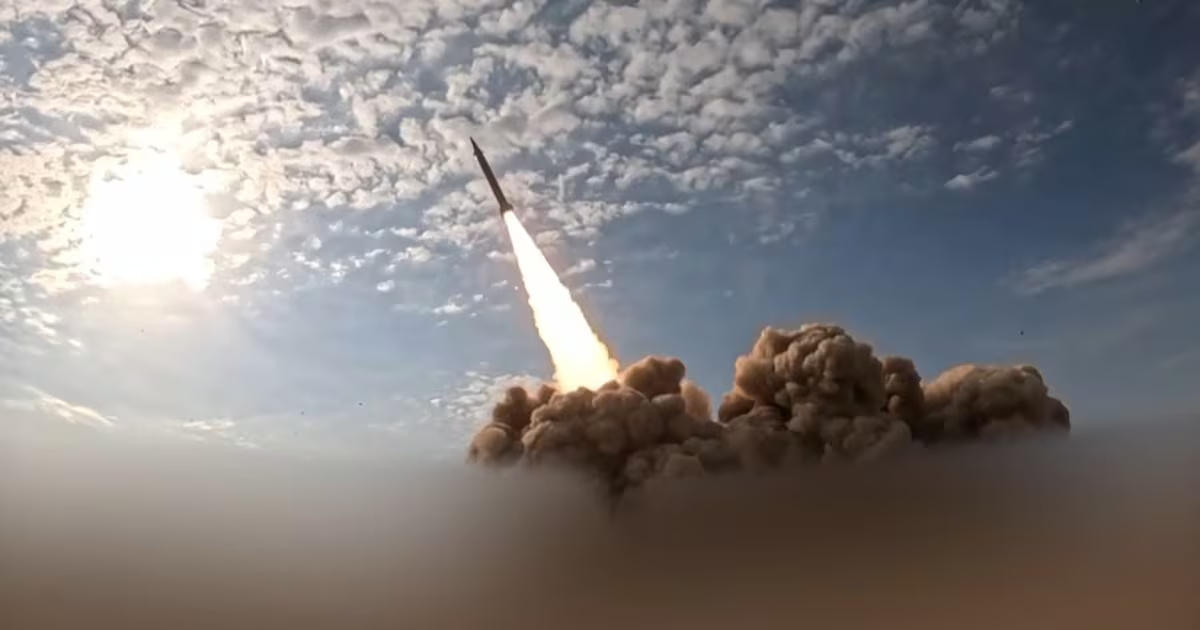
Stocks trimmed gains and crude oil climbed after US strikes on sites in Iran curbed optimism over a potential deal with Tehran.US equity-index futures rose 0.6 per cent, though gains were more subdued than Monday’s holiday-thinned advance, when markets in the US were closed.Asian shares edged up 0.3 per cent, off session highs, as American forces hit missile launch sites in Iran and boats trying to place mines, US Central Command said. The authorities described the attacks as defensive in nature.Weighing on risk appetite was a rebound in oil prices after the strikes clouded the outlook for an interim deal to reopen the vital Strait of Hormuz. Brent rose 2.3 per cent to about $98.30 a barrel, bouncing back from Monday’s slump of more than 7 per cent.The dollar strengthened against all its Group-of-10 peers, while gold erased earlier gains to fall 0.5 per cent to about $4,545 an ounce. Treasuries rallied across the curve in a catch-up move as cash trading resumed after a break. “The market is going to be cautious, given how previous hopes for a deal were dashed,” said Abbas Keshvani, director of Asia macro strategy at RBC Capital Markets in Singapore. “But progress in the talks could lead to a further reduction in energy prices, inflation expectations, and therefore yields.”Earlier, US President Donald Trump said that negotiations with Iran over an interim deal to extend their ceasefire and reopen the strait were “proceeding nicely.” Pakistan’s military chief, Asim Munir, the main interlocutor between the warring sides, told China an agreement was “close to being reached.”Global stocks hit a record Monday as traders bet the worst of the Middle East energy shock may be over after months of conflict disrupted oil supplies, stoked inflation fears and drove bond yields higher. A deal to reopen the Strait of Hormuz and extend the US-Iran ceasefire could further ease pressure in the oil markets and spur the AI-led rally in equities.“As the US and Iran make progress toward an agreement, the attack is not viewed as an attempt to re-escalate the war, and the overall scenario towards the deal is unlikely to change,” said Yugo Tsuboi, chief strategist at Daiwa Securities.Key sticking points remain unresolved, however, including the future of Iran’s nuclear program. Iran’s Tasnim news agency reported the draft agreement could still collapse because of US objections to several provisions, including Tehran’s demand that frozen assets be released.In other geopolitical news, Russian Foreign Minister Sergei Lavrov urged US Secretary of State Marco Rubio to evacuate American citizens and diplomats from Kyiv ahead of what Moscow said would be an escalation of strikes on the Ukrainian capital, according to a statement from Russia’s Foreign Ministry on Monday.Meanwhile, shares in Hong Kong fell 0.3 per cent as they returned from their holiday. Chinese investors are rushing to find alternative ways to buy and sell overseas equities after Beijing launched its most forceful crackdown on illicit cross-border stock trading to stem capital outflows.Corporate News
Stocks pare gain, oil climbs as US strikes Iran: Markets Wrap
The dollar strengthened against all its Group-of-10 peers, while gold erased earlier gains to fall 0.5% to about $4,545 an ounce
735 words~3 min read