Audio By Vocalize
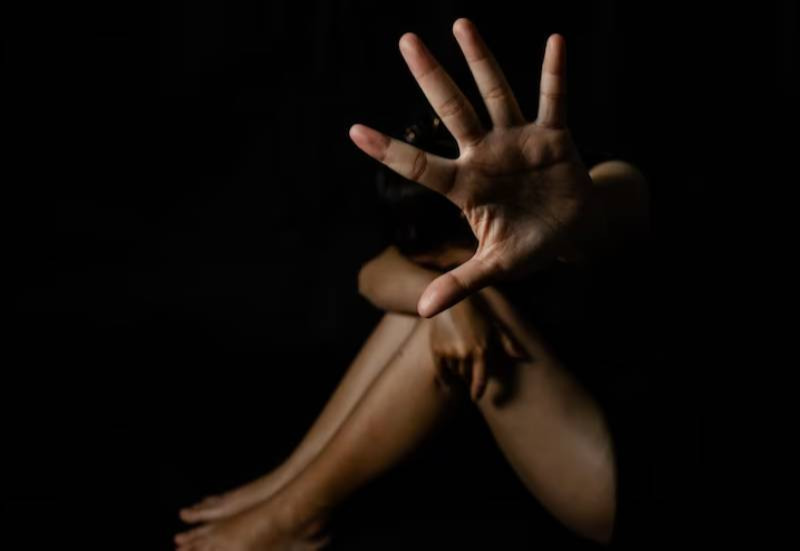
Fight against femicide.[Courtesy, Freepik]
Social media and public discussion trends over the past few years have shown that the murder of women is rarely allowed to stand on its own terms. Every femicide is immediately subjected to a trial in absentia, where the victim must prove she deserved to live. Was she faithful? Was she “respectable”? Did she reject him? Did she drink? Did she post certain photos online? Was she out late? Was she dating multiple men? Even in death, women are forced to account for themselves in ways their killers never are. The question ceases to be why a man killed, and instead becomes what kind of woman was killed.
This instinct is not unique to femicide as it mirrors the language historically used to justify racial violence against Black people. Across centuries, systems of power have survived through narratives that frame the victims of violence as deserving targets. Murder requires justification when society recognises the humanity of the dead. The work of patriarchy and white supremacy has therefore always involved reducing that humanity enough to make brutality appear understandable.
When Black men were lynched by white mobs in the US, accusations often preceded the killings. They were accused of theft, insolence, sexual impropriety, or threatening white womanhood. The accusation itself became enough to legitimise violence. During colonial rule across Africa, white settlers routinely justified the killing of Black men resisting land theft by painting them as savages. Resistance was framed as disorder to justify subjugation. The same logic persists in modern policing. When police kill Black men, public discourse immediately shifts toward finding evidence that the victim was imperfect. Media outlets release mugshots, criminal histories, rumours, or footage designed to imply dangerousness. The point is not always to prove innocence on the part of the killer. It is to produce enough ambiguity to dull public outrage.