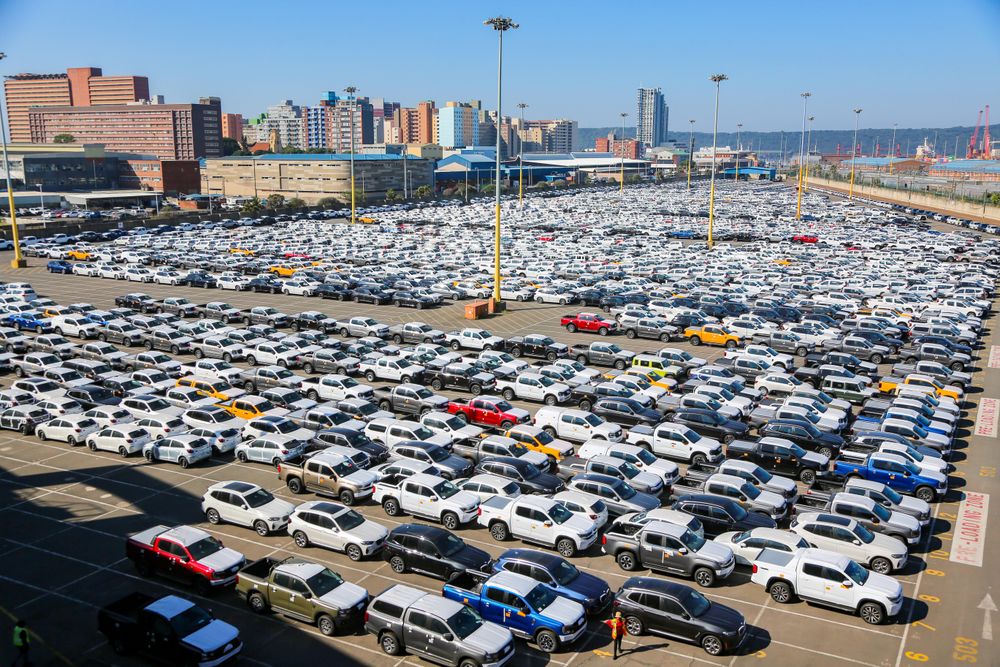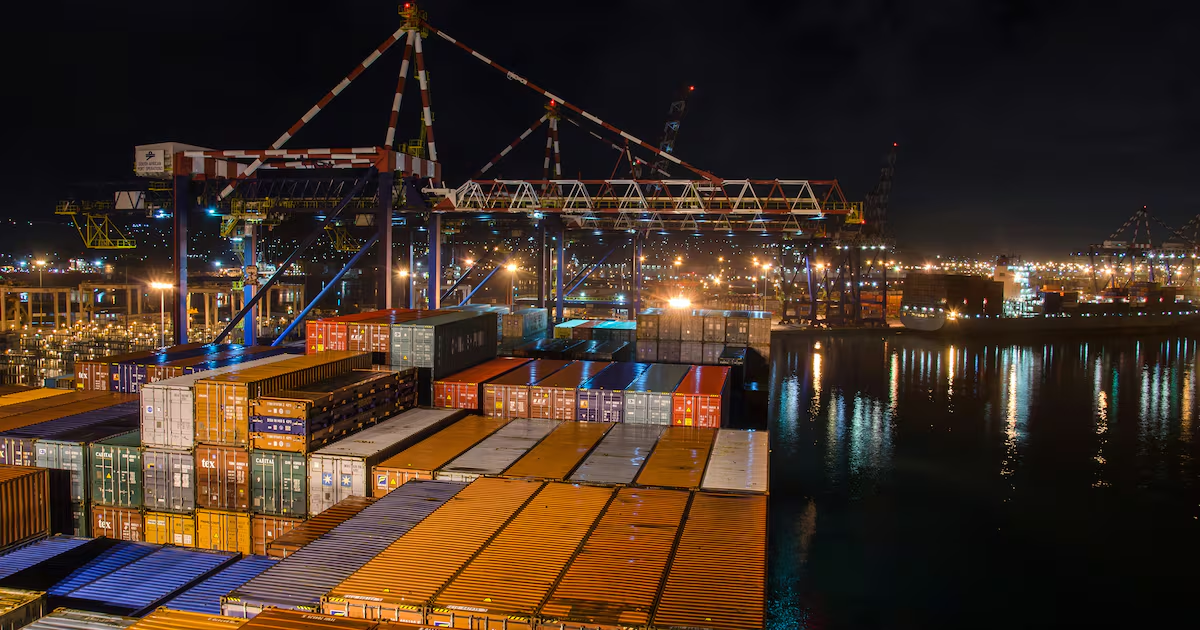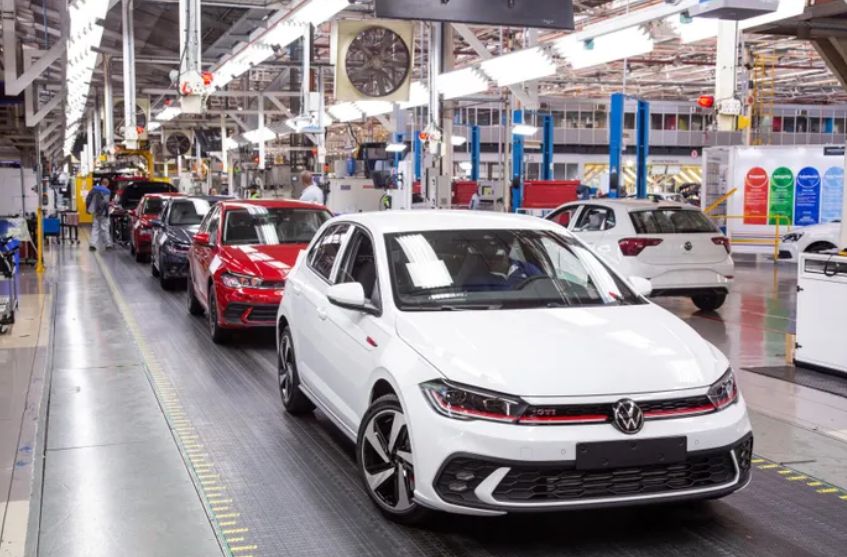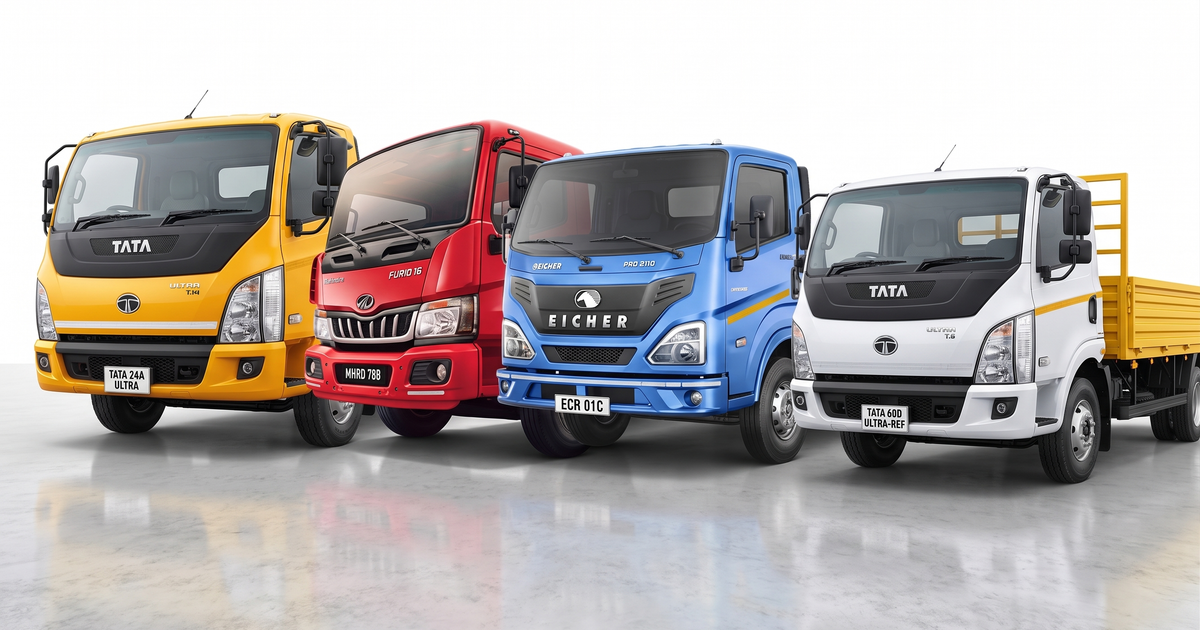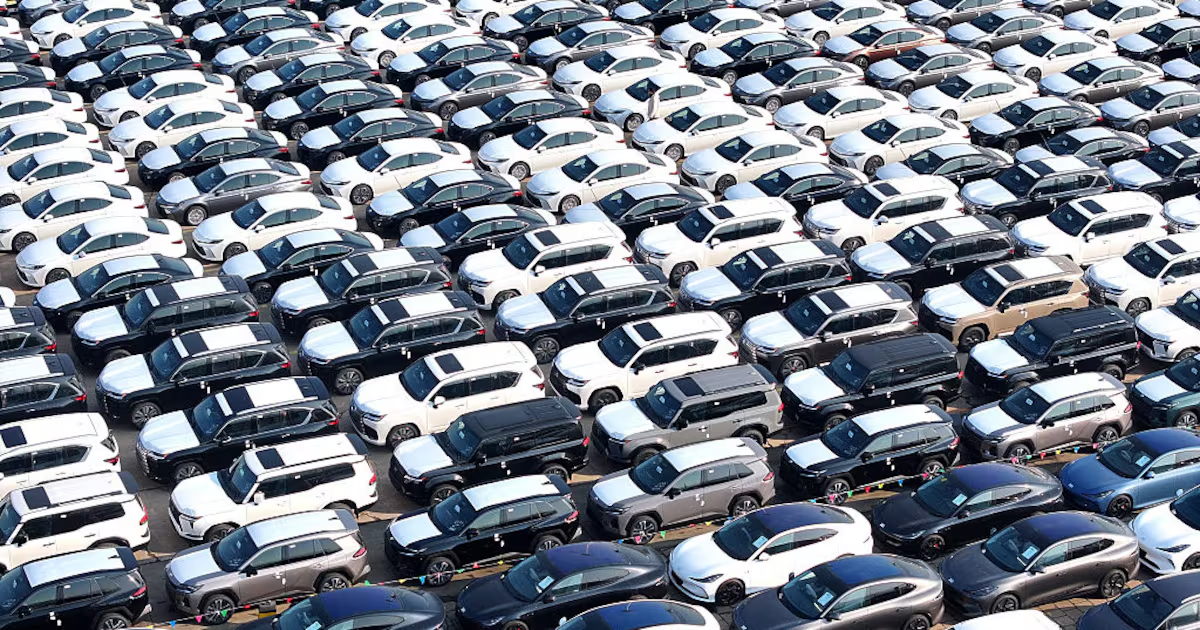
South Africa’s vehicle trade deficit with its key Brics partners China and India reached R90bn last year, exposing the skewed trade between the country and its manufacturing-intensive allies.The vehicle trade deficit, according to data from the Bureau for Economic Research (BER), is more pronounced with China, with which South Africa ran a deficit of R57.7bn last year, putting pressure on the government to seek more favourable trade terms with Beijing.South Africa exports predominantly raw and semiprocessed commodities such as platinum, chromium ore and gold. China, by contrast, is exporting finished, higher-value products, including vehicles, electronics and industrial components — with its trade surplus with South Africa spanning several sectors.India is also widening its vehicle trade gap with South Africa, with the EU remaining the indispensable market for South African-made vehicles.Thailand, a big market for car components, is also increasing its trade deficit with South Africa.According to the BER data, South Africa ran a trade gap of R32.1bn with India, with Asia in total reporting a trade deficit of R143.5bn with Africa’s largest economy.“Thailand is the main source of the original equipment components necessary to sustain local assembly, while China and India are the primary sources of affordable, high-tech passenger vehicles that are now slowly dominating the domestic market,” Rose Murunzi from the BER said in a research note.‘Competitive pressure’“Rising imports, therefore, play a dual role in the sector. On the one hand, imported vehicles and components support domestic demand and local assembly activities. On the other hand, increasing import dependence widens the automotive trade deficit and intensifies competitive pressure on domestic manufacturers, particularly in the local vehicle market.“This rise in import penetration [19.1% increase between 2014 and 2025] suggests that domestic producers have been unable to compete on price or product offerings in key segments, particularly in the entry- and mid-range categories where demand is most elastic.”In contrast, the EU and the UK collectively absorbed 80.3% of total South African vehicle exports, with the country enjoying a healthy surplus with the region. South Africa’s car manufacturing industry accounts for about 22.6% of the country’s manufacturing output and represents about 460,000 highly skilled, direct jobs in its formal sector supply chain.Chinese brands such as Haval, Jetour, Omoda, Chery and BAIC have become a regular sight on South African roads.The surge in Chinese vehicle imports has led to a big market share increase from about 10% in 2021 to more than 20% by 2025.Almost all Chinese car brands available in South Africa are imported directly from China, rather than being built locally. However, this is changing; Chery plans to begin retrofitting a manufacturing plant in Rosslyn to start local vehicle production by end-2027.India’s car manufacturing giant Tata Motors last year re-entered the passenger vehicle segment in South Africa after a six-year absence, backed by South Africa’s largest car showroom owner, Motus, under an exclusive distribution deal.It is not only the new vehicle segment that is feeling pressure from Chinese and Indian cars, but the secondhand car segment as well.The country’s largest second-hand vehicle showroom, WeBuyCars, said the popularity of the Asian brands has significantly influenced consumer behaviour and heightened competition, with these brands capturing notable new vehicle market share through attractive pricing and compelling finance offerings.The domestic market is increasingly driven by affordability rather than brand loyalty. Chinese and Indian OEMs have filled this gap with competitively priced vehicles, keeping overall new‑vehicle sales above 500,000 units in 2024 despite weak household income growth.‘Countervailing opportunity’“The expansion of Chinese automotive brands presents a countervailing opportunity. Though its developmental impact will depend on the depth of localisation achieved, a shift from import-led market entry to localised production could, in principle, support domestic industrial activity. “Recent developments, including Chery’s planned use of the Rosslyn plant, Jetour’s announced local production by 2027, and existing investments by BAIC and Foton, suggest that this shift may already be under way.”One of the mooted suggestions is to impose higher tariffs on car imports from Asia to level the playing field with domestic producers.Trade, industry & competition deputy minister Zuko Godlimpi said in January that antidumping duties were almost inevitable given the industry’s dire straits.However, FNB and WesBank senior economist Thanda Sithole said the government’s proposed tariff on Chinese vehicle imports is a “Band-Aid” solution to a deeper deindustrialisation crisis.Murunzi said imports from China, India and Thailand do not appear to be the root cause of the sector’s challenges.“Rather, they have exposed deeper structural weaknesses in South Africa’s automotive industry, including infrastructure constraints, low production scale and policy incentives geared more toward promoting export competitiveness than building domestic market resilience.”According to data from the Industrial Development Corporation, South Africa exported merchandise to the value of R164bn to China between January and September last year, which was overwhelmed by R302bn in imports, a deficit of R136.6bn.The SA Revenue Service raked in R105bn in import tax from Chinese products in 2024/25, more than the next seven countries combined.
SA’s vehicle trade deficit with China and India hits R90bn
Growing imports widen vehicle trade gap and intensify pressure on local producers
815 words~4 min read