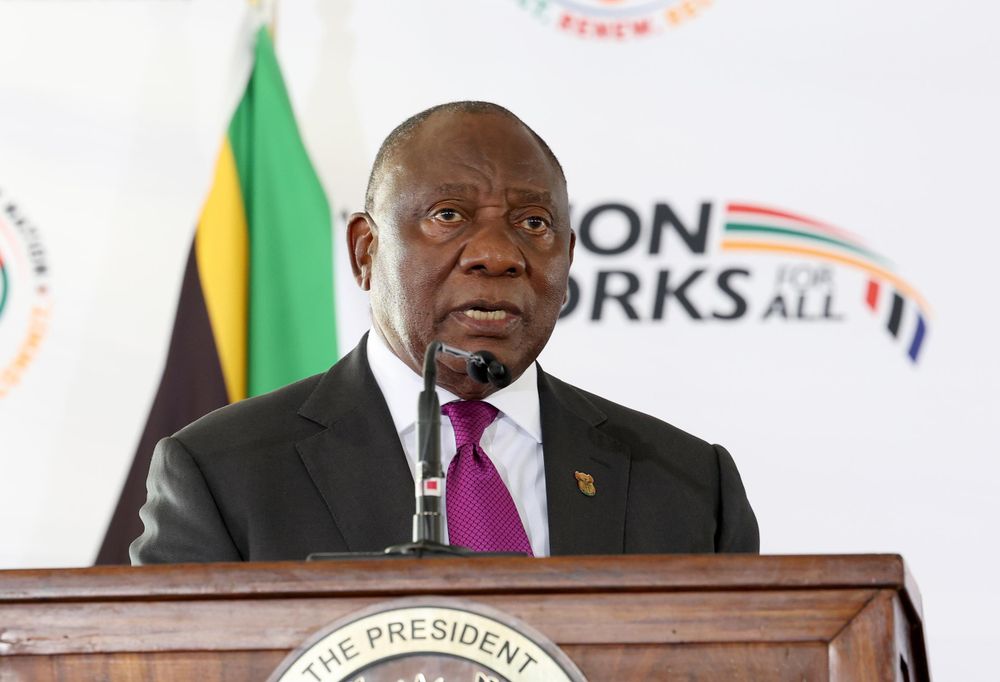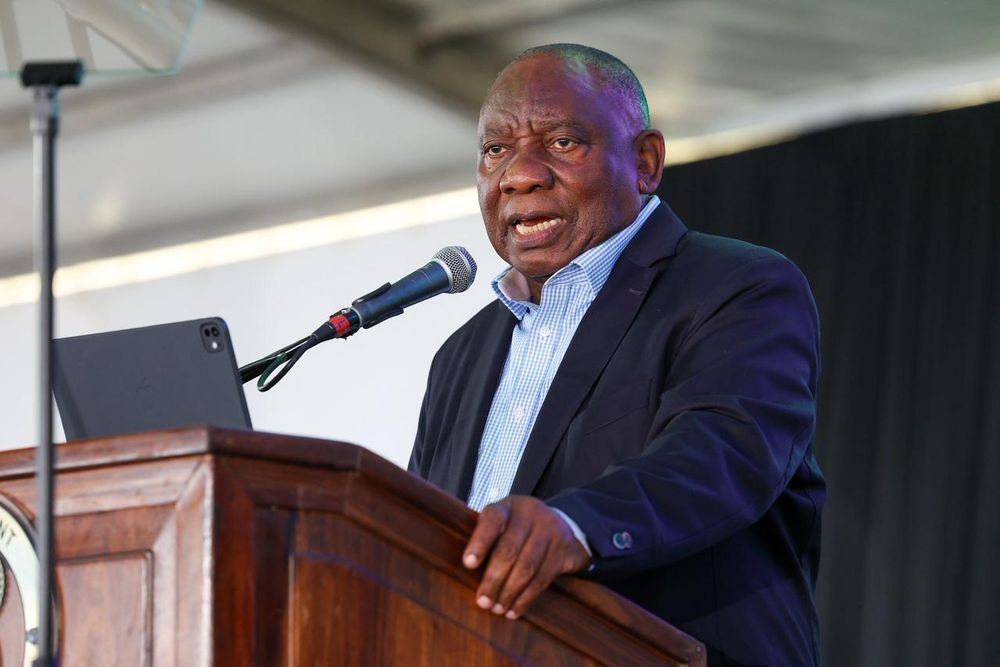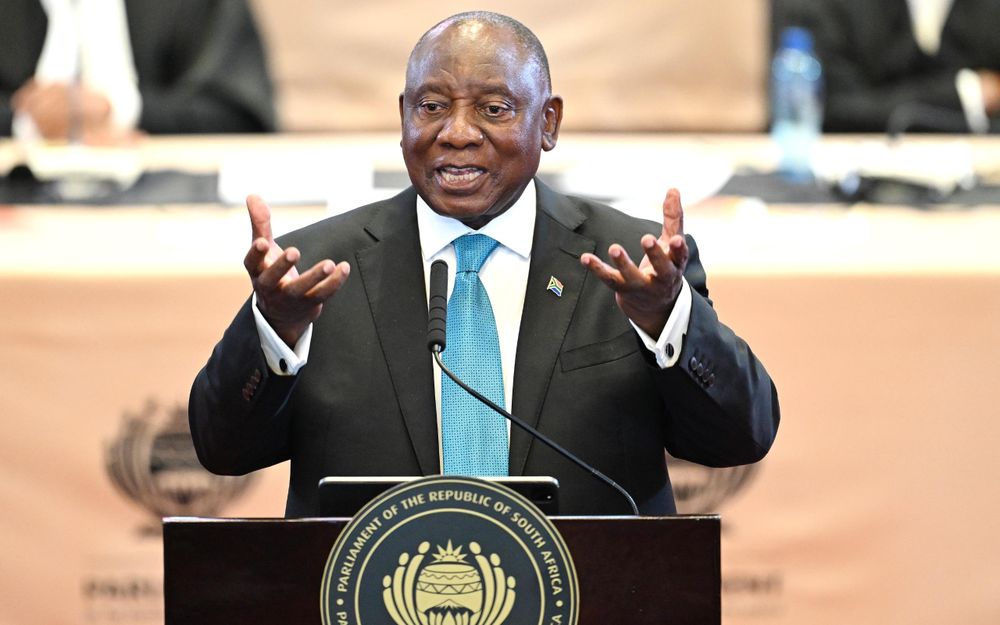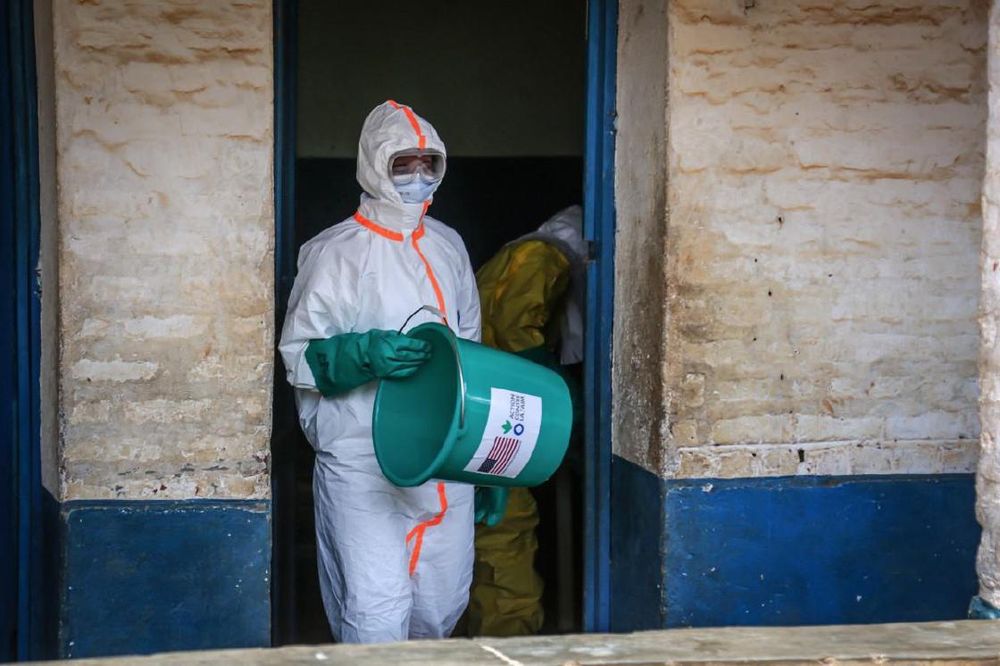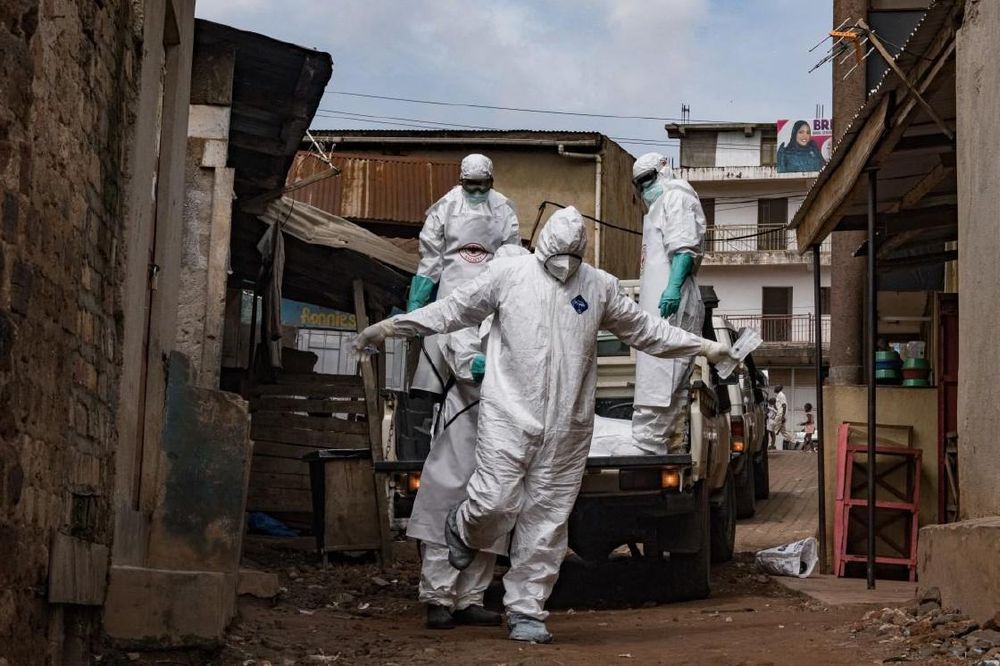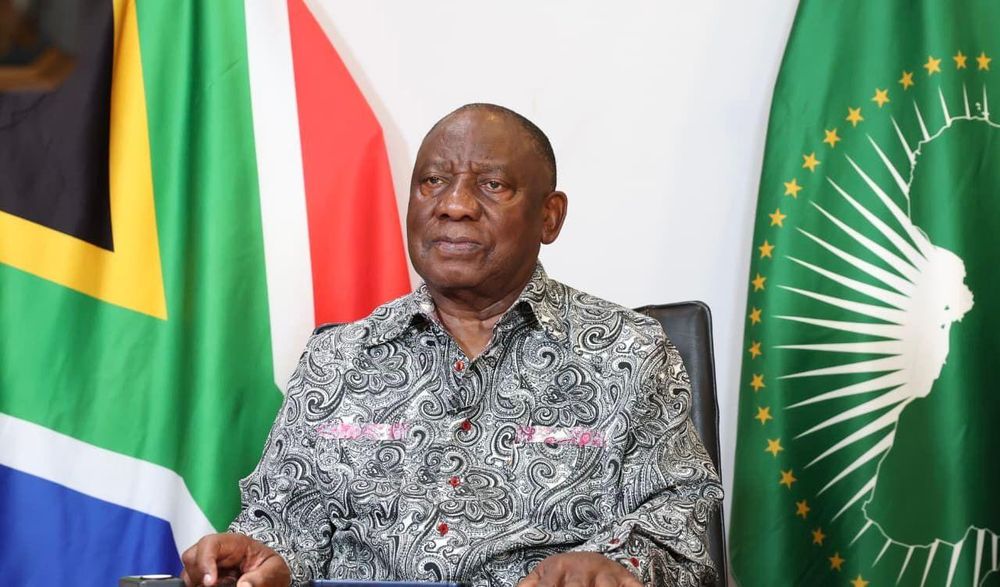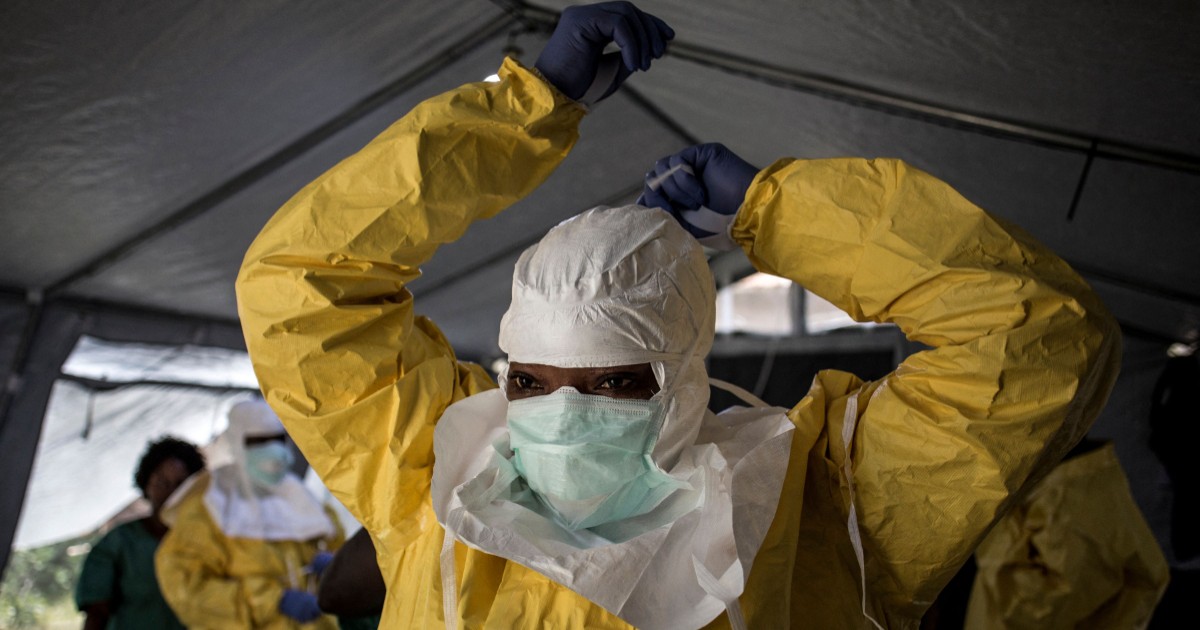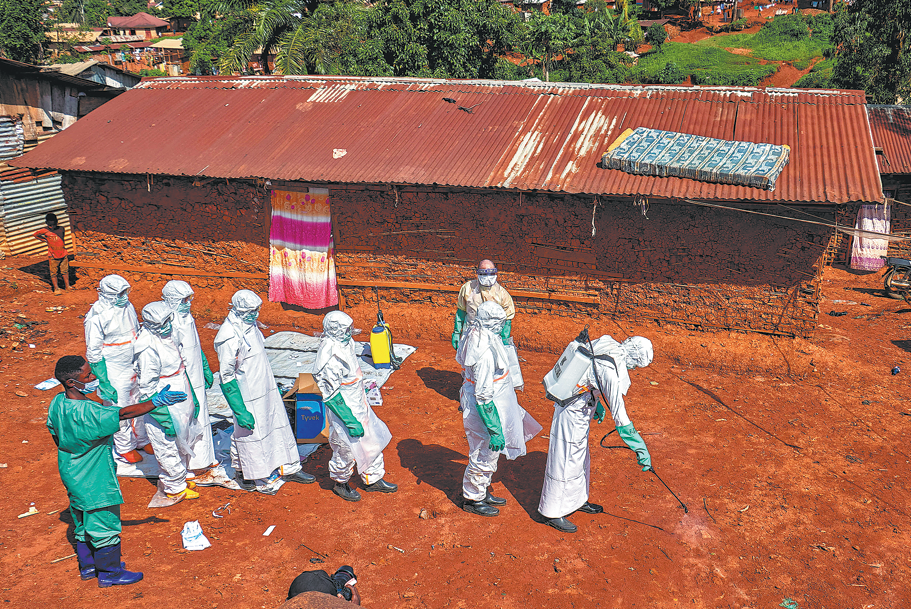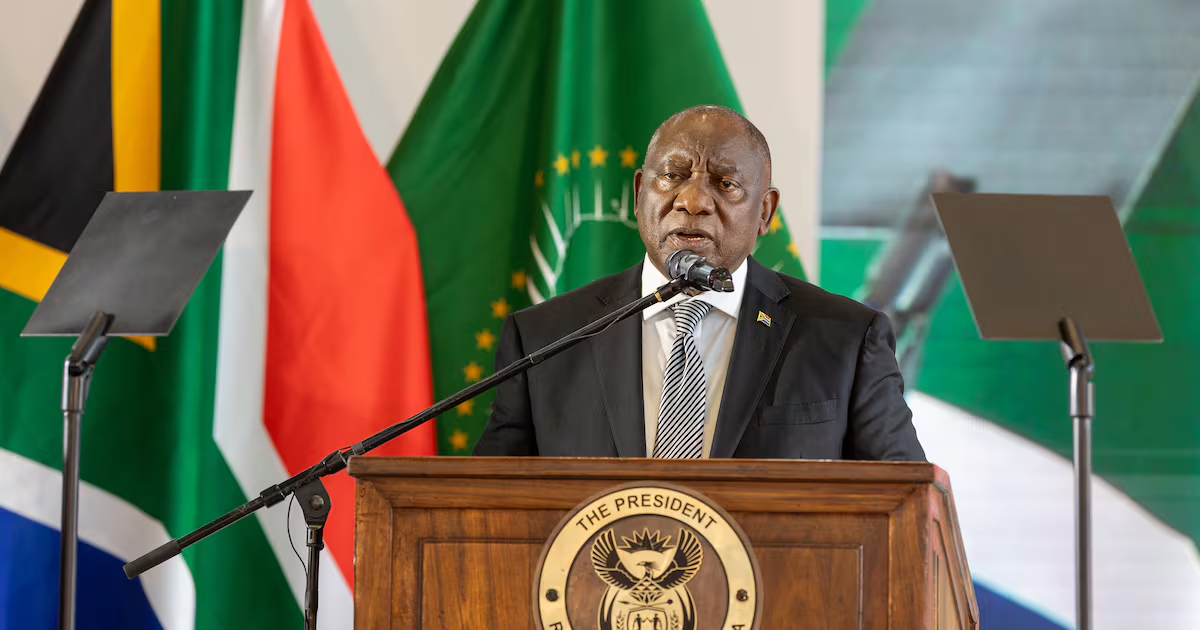
Weak border controls and intense cross-border movement are hampering efforts to contain the deadly Ebola outbreak in the Democratic Republic of the Congo (DRC) and Uganda, President Cyril Ramaphosa said on Monday.Addressing a high-level meeting of African health ministers on the Bundibugyo Ebola outbreak in East and central Africa, convened by the Africa Centres for Disease Control and Prevention (Africa CDC), Ramaphosa said the outbreak is unfolding in areas marked by intense population movement, insecurity, porous borders, humanitarian pressures and active trade corridors. “These realities make rapid containment more difficult and increase the urgency of our collective response.” The World Health Organisation (WHO), which declared the outbreak a public health emergency of international concern, said that since May 21, 746 suspected cases and 176 deaths were reported in the DRC. The latest wave of infection is the second largest since 2014.South Africa has made an initial contribution of $5m to Africa CDC in support of the ongoing continental Ebola response. “It is of utmost importance that we ensure their lives and livelihoods are protected: by securing ample supplies of high-quality personal protective equipment, ensuring there are enough health workers deployed to allow for rest and recuperation and equipping them with all the tools of trade they require to deliver high-quality health and care,” Ramaphosa said. “I commend Africa CDC, under the leadership of Dr Jean Kaseya, for acting swiftly and decisively in accordance with the mandate entrusted to the institution by African heads of state and government.”“Africa CDC has led a unified strategy for the continent by immediately mobilising affected countries, co-ordinating regional preparedness, convening a ministerial platform and galvanising the joint incident management team in collaboration with the WHO.” Ramaphosa commended the governments of the DRC, Uganda and South Sudan for their co-operation in preparing a response plan to the outbreak. “This is the Africa we must continue to build. The latest situation remains deeply concerning. We are witnessing continued transmission in the DRC, confirmed cases in Uganda and heightened risk for several neighbouring countries,” he said. “We have already lost more than 200 people. Africa CDC has said that this is the second largest Ebola outbreak after the one in West Africa in 2014.” Ramaphosa welcomed the mobilisation of African business leaders, including Aliko Dangote, Benedict Oramah, George Elombi and Simon Tiemtoré, who were stepping forward to support the Ebola response. “Their engagement reflects a growing understanding that health security is also economic security, development security and continental security.”“At the same time, we call on the international community to stand with Africa in a spirit of partnership, solidarity and respect. The world is safer when Africa is safer. Delayed support today will result in much higher human, social and economic costs tomorrow,” he said. “This outbreak reminds us that preparedness cannot begin when a crisis is already expanding. We must continue investing in resilient health systems, strong national public health institutes, emergency operation centres, local manufacturing of medical countermeasures, community health workers, genomic surveillance and sustainable domestic financing.” He said while Africa has the institutions, expertise and leadership to respond effectively, speed, unity, solidarity and trust in our collective capacity were now required. “The people of the DRC, Uganda and all countries at risk must know that they are not alone. Africa stands with them.”
Ramaphosa warns weak border controls fuel Ebola spread in DRC and Uganda
SA makes $5m contribution to Africa CDC in support of continental Ebola response
547 words~2 min read