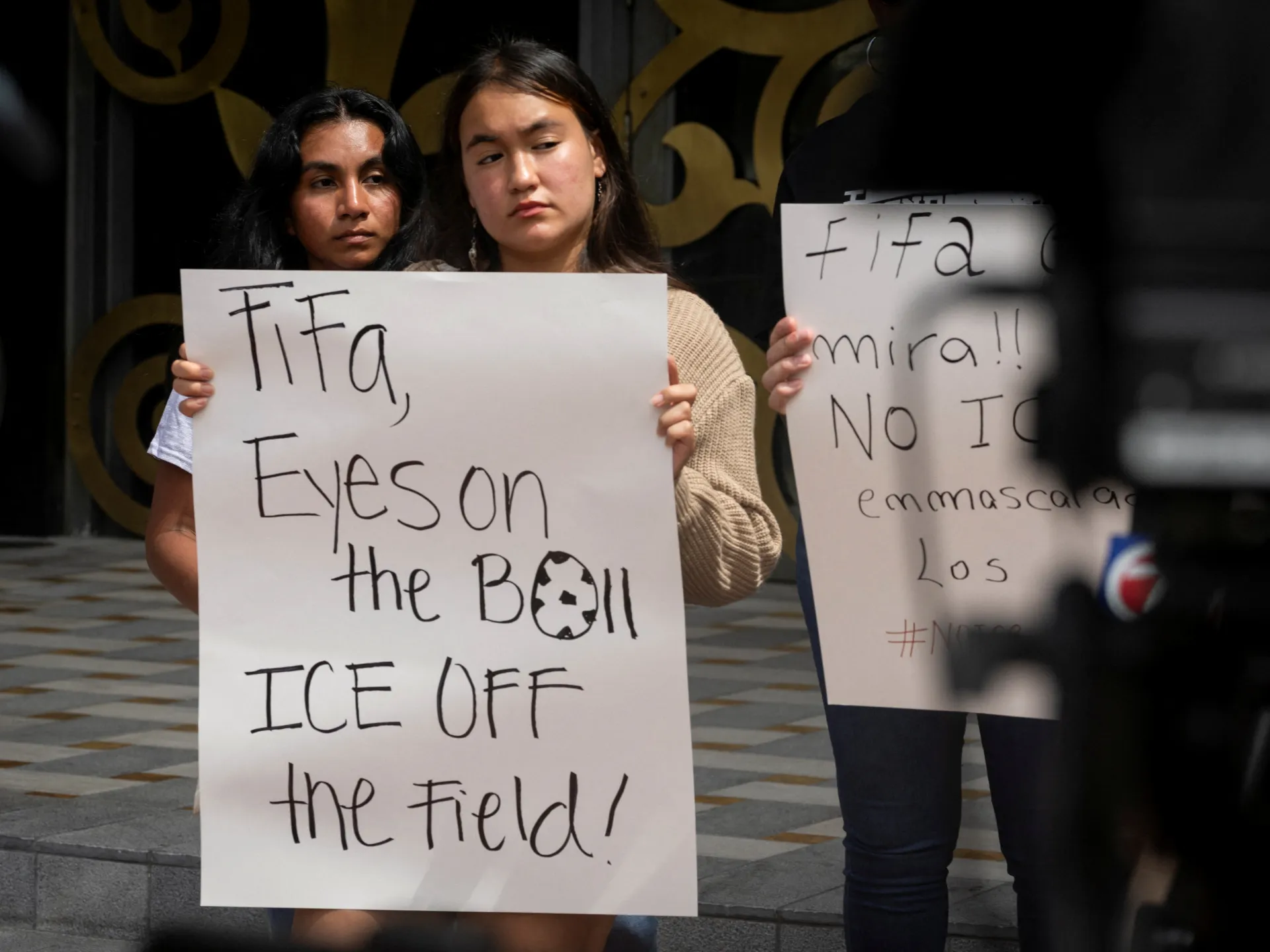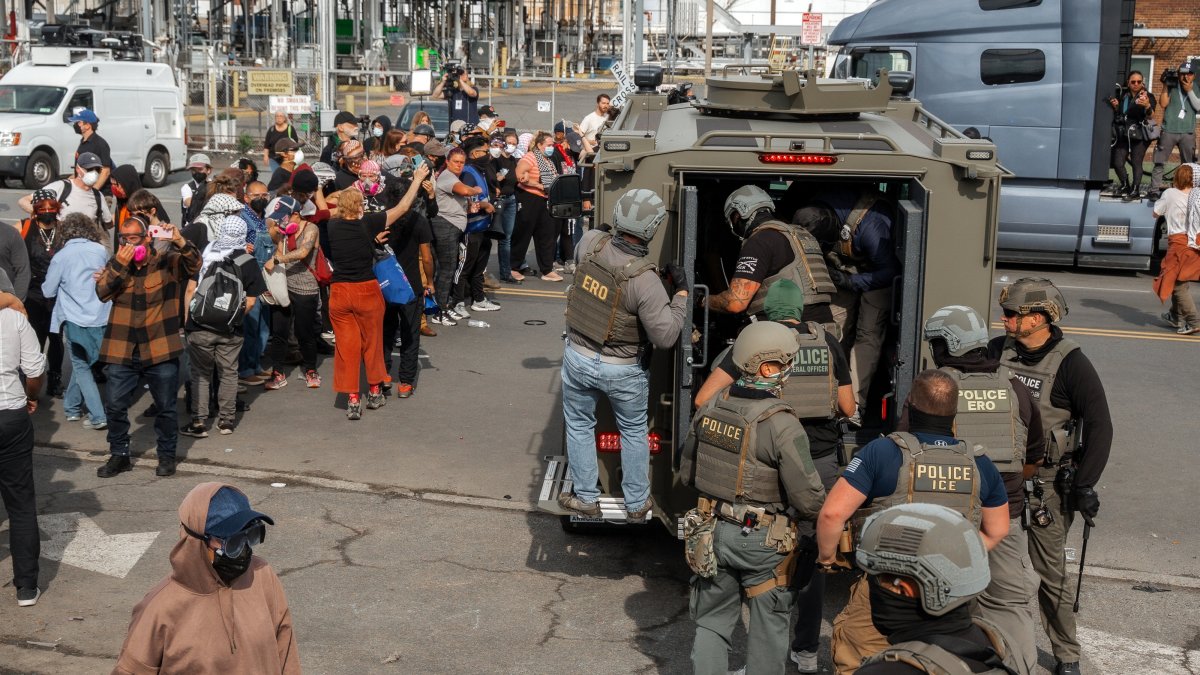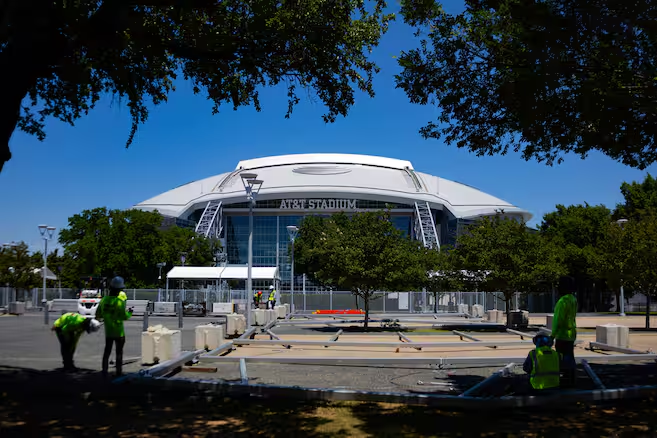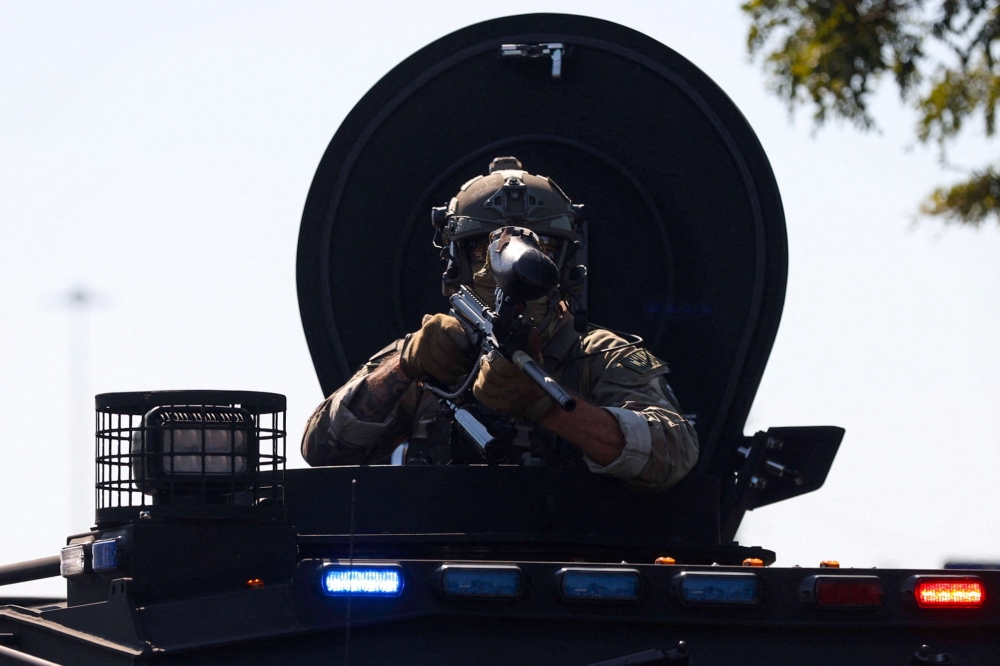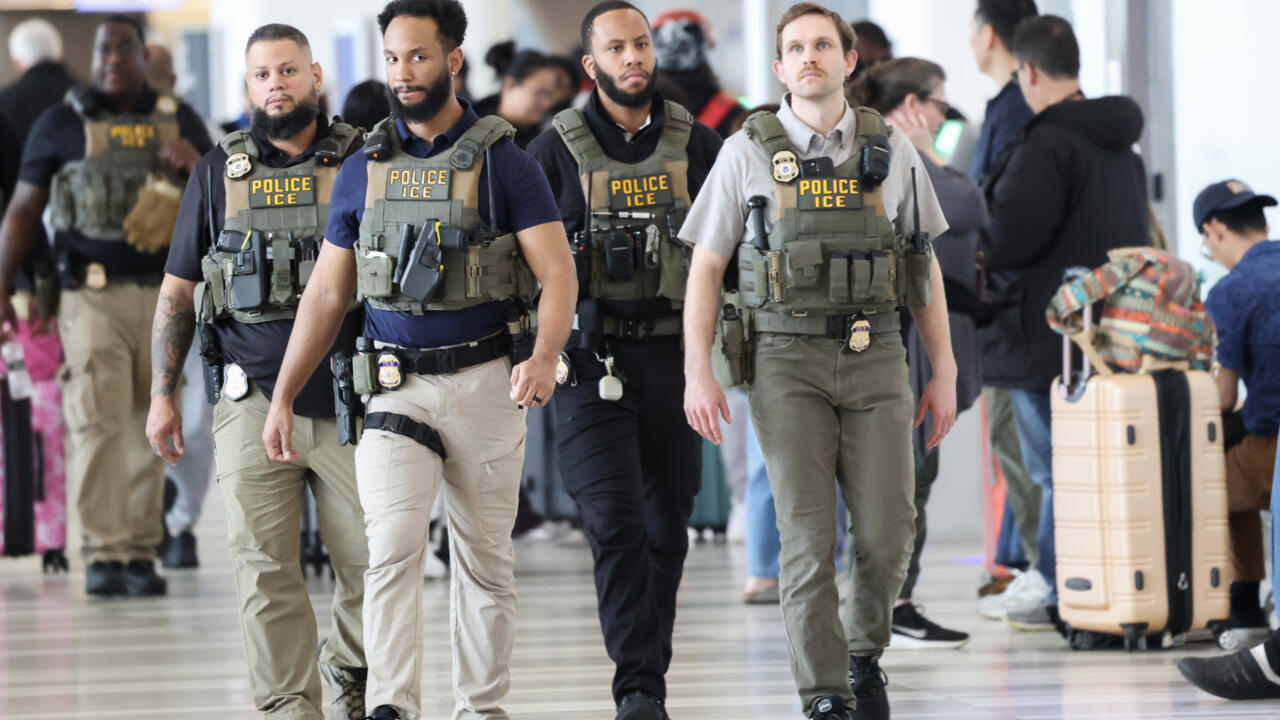
"Singing my country's national anthem in a stadium in front of the whole world is a historic moment that no one would want to miss," the truck driver in his 40s, who did not wish to give his last name, told AFP."But at the same time, I think twice. I don't want to be arrested by ICE," he said, referring to Immigration and Customs Enforcement officers tasked with arresting and deporting undocumented foreign nationals."My lawyer advised me not to fly so I don't get caught at the airport," he said.Emile's concerns are shared by many in the immigrant community, who have watched heavily armed, masked ICE officers carry out their often brutal operations in multiple US cities.Outrage peaked when ICE officers shot dead two American demonstrators in Minneapolis."Now, people are making sure that they are aware to what they are doing and they don't feel safe," Monica Sarmiento of the Virginia Coalition for Immigrant Rights told AFP."They are afraid. We have seen very aggressive tactics (from ICE) that have gone after not only undocumented communities but also people with protective status."Sarmiento said that "70% of the people arrested, detained and deported have no criminal record"."Many of them have been here for decades, paying taxes for decades," she added, condemning "a fearful and hostile environment across the country, and not only for the World Cup but every single day".Seventy-eight of the 104 World Cup matches will be held in the United States, which is co-hosting the June 11-July 19 tournament with Canada and Mexico.The possibility of ICE activity around US matches has sparked concerns among the US Hispanic community, which comprises 20% of the US population and is concentrated in California, Texas and Florida with significant representation in major cities such as Miami, Los Angeles, Dallas and New York.The Haitian community, some 850,000 people in 2024, largely concentrated in Miami and New York, is also under threat.The Trump administration wants to end the temporary protected status from which Emile and others benefit. It prevents their deportation to their home country, one of the poorest in the world and one ravaged by political instability, economic crisis and gang violence.'Serious rights violations'Fears have been stoked by reports like one from Human Rights Watch, which said an asylum seeker who attended the Club World Cup final last year in New Jersey with his children was arrested by ICE and deported to his country of origin.Some rights organizations also fear that ICE will target foreign tourists around stadiums or in the numerous fan zones where supporters will gather.
'I think twice': Minorities fear World Cup immigration enforcement
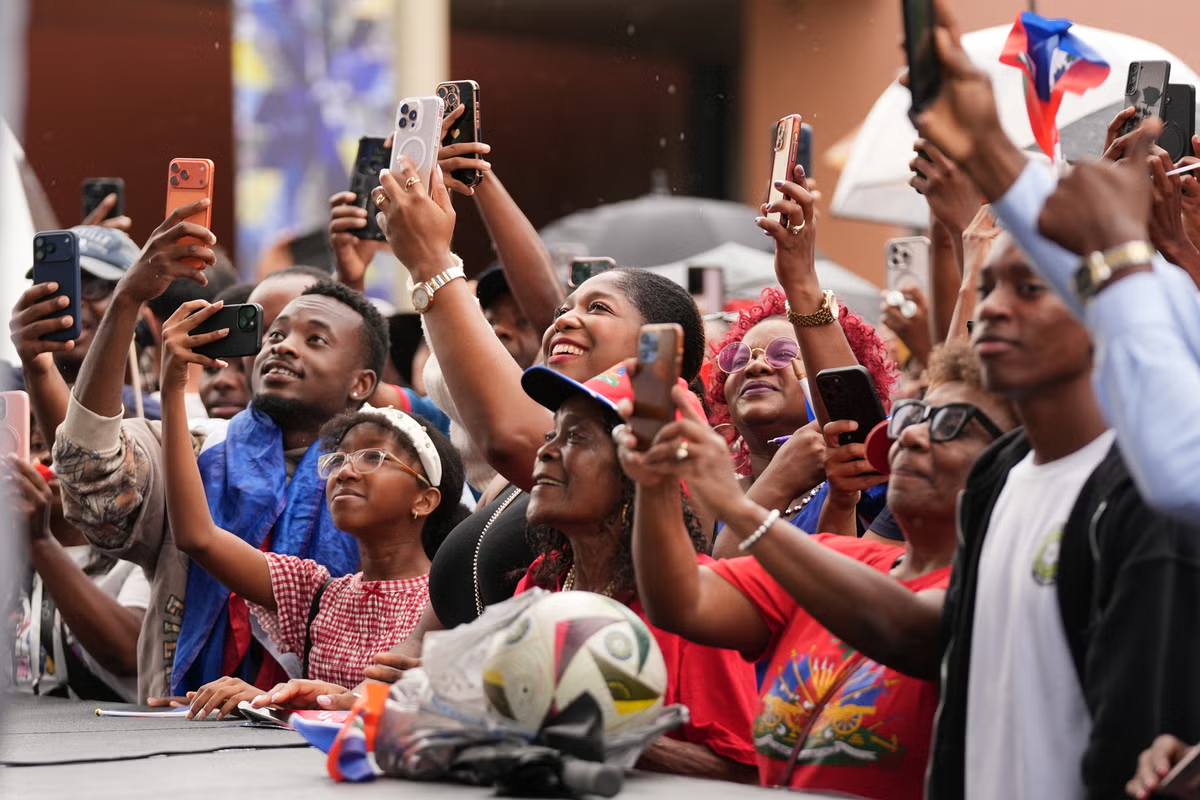
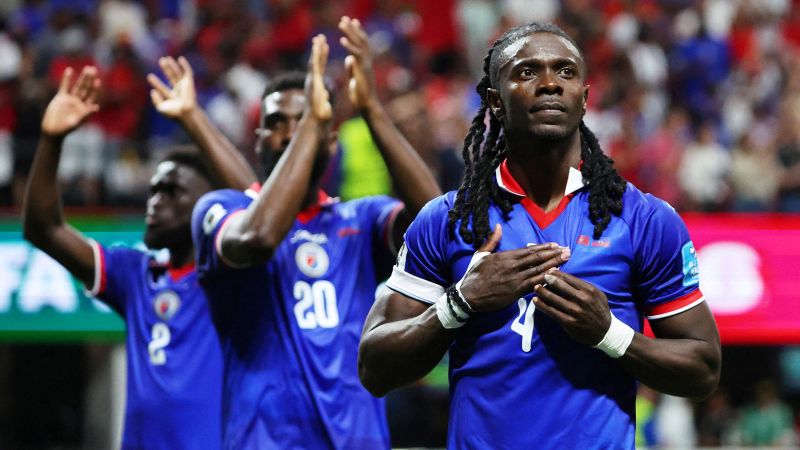
Haiti's first World Cup appearance since 1974 is a source of immense pride, but Emile, a Haitian living in Ohio, is afraid to attend a match because of US President Donald Trump's immigration crackdown.
616 words~3 min read