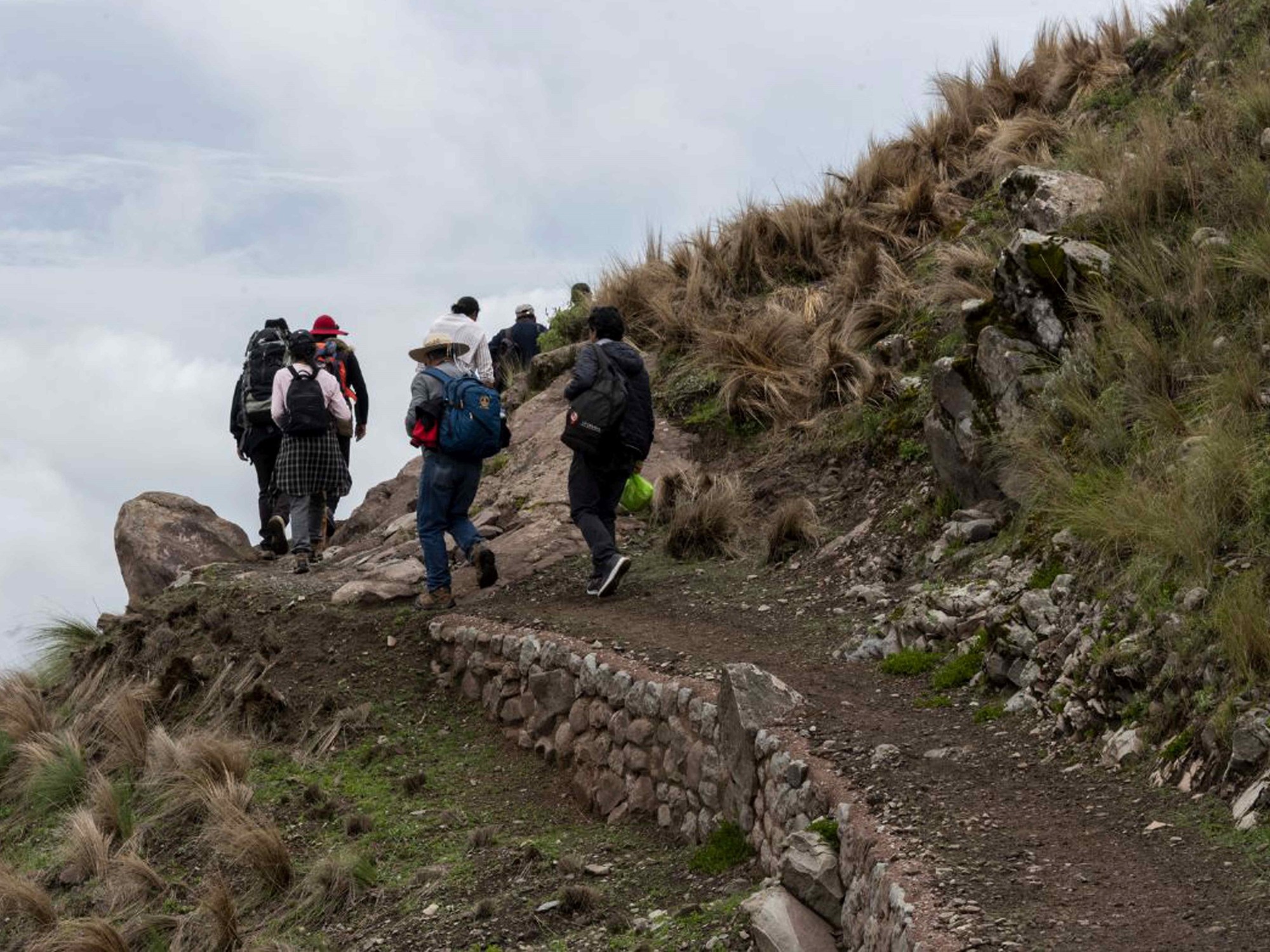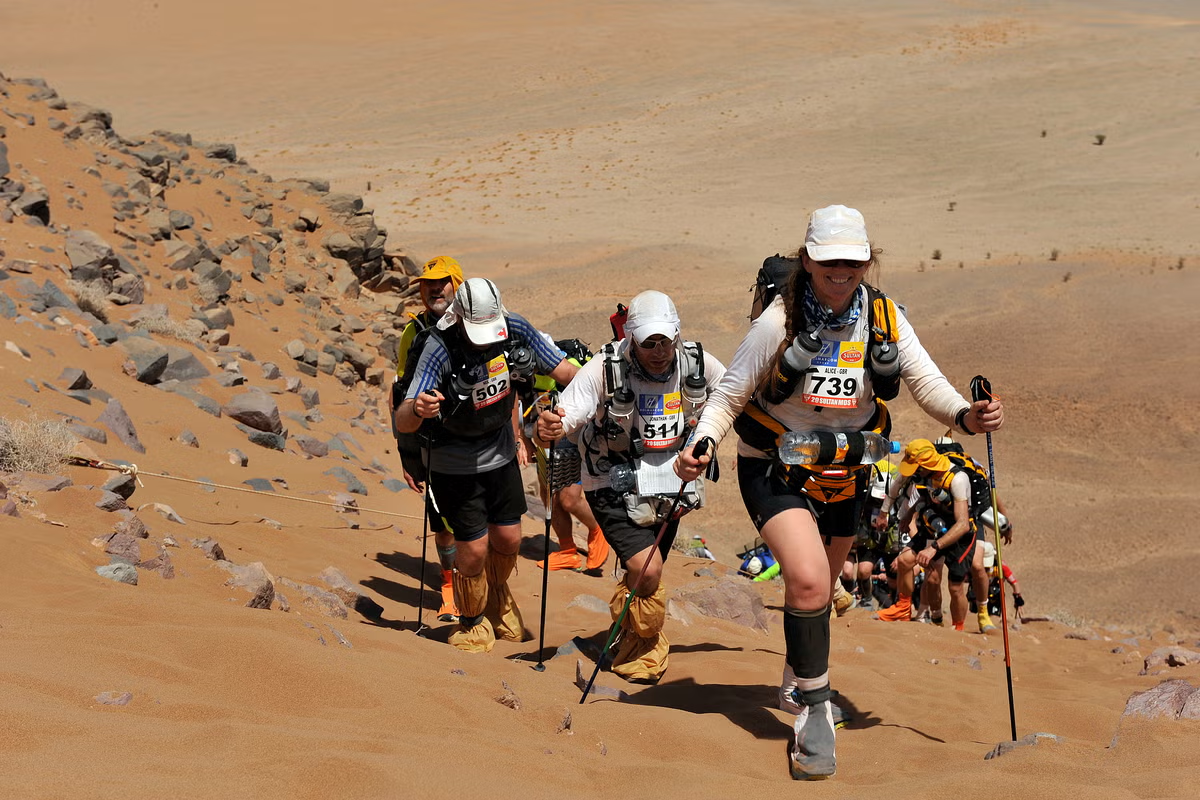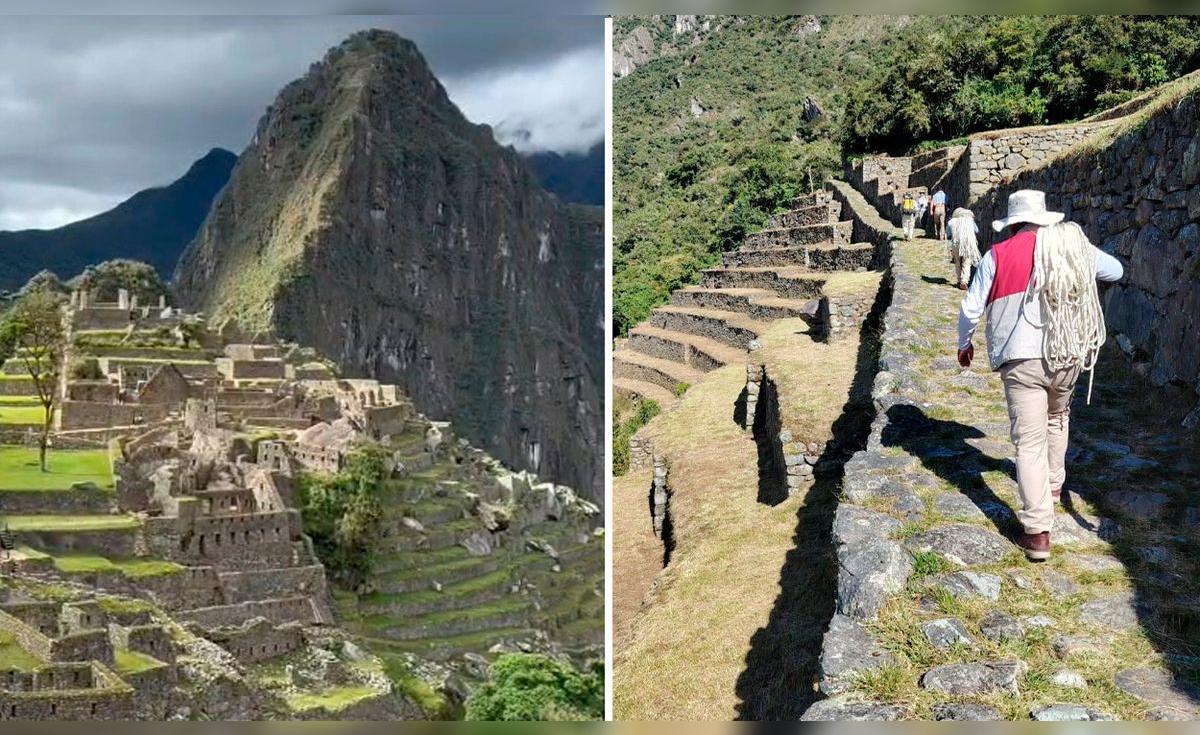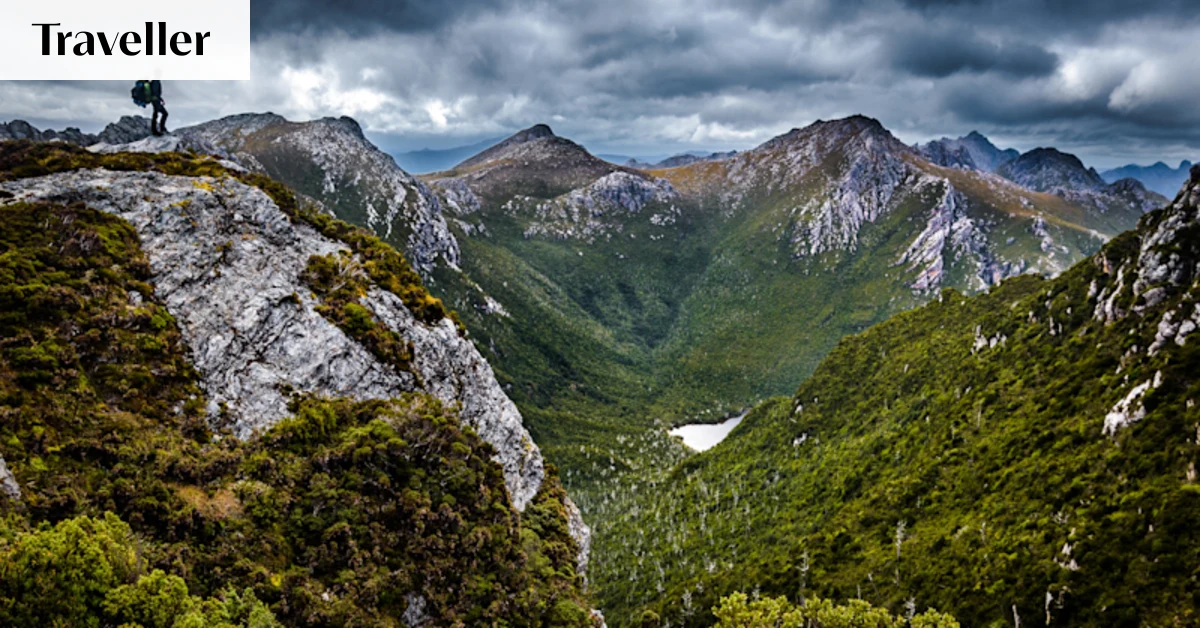
OpinionMay 26, 2026 — 10:35amAt face value, hiking should be a literal walk in the park, a mere matter of one foot after the other, but that’s not always the reality. Terrain, weather conditions, navigation and fatigue can complicate trail safety, as recent events have testified.Last week an Australian man died after falling off the path on Peru’s Inca Trail, while Tourism Australia has come under fire for a social media post promoting Tasmania’s notoriously difficult Western Arthurs Traverse as a way to boost your daily step count.The Western Arthurs in Tasmania is only for experienced hikers.AlamyDespite online chatter about the perils of the Inca Trail, it’s largely considered a moderately difficult hike, with its greatest challenges arguably presented by the brain fug of altitude. The Western Arthurs, on the other hand, is Tasmania’s wildest mountain range. It’s the first line of peaks smashed by poor weather as it arrives across the Southern Ocean from the west, and the five-to-10-day traverse, which is rated as Grade 5 – the highest rating on the Australian Walking Track Grading System – has often been described as Australia’s toughest bushwalk. To think of it as part of your daily steps regime is to dangerously minimise the potential risks.The reality is that any form of hiking, especially along mountain trails, presents a degree of risk. A study published in Forensic Science International in 2020 found that there were, on average, 46 fatal hiking accidents in Switzerland every year between 2003 and 2018. Austria recorded an average of 110 hiker deaths – about half of them from falls – across a similar period.In Australia the numbers were lower but still concerning, with a 2022 study into deaths during sport and recreation between 2000 and 2019 finding more fatalities from bushwalking (32) than from rock climbing, mountain biking and surfing.Sign up for the Traveller newsletterThe latest travel news, tips and inspiration delivered to your inbox. Sign up now.The risk of accident or incident on a hiking trail is small but undeniably real, but it can be mitigated to a large degree by preparation and knowledge.Technology can be both friend and foe in this. In some ways we’ve been led into hiking laziness by the ubiquity of trail apps and smartphone maps that seem to negate the age-old need for map and compass skills. But the reliance can backfire – phone batteries run flat, and devices can easily fail or get broken in the rigours and rainfall of a hike – and analog knowledge of maps and compass is still vital when the scat hits the fan.On the technological flipside, the chance of rescue can be enhanced by the use of personal locator beacons (PLBs). When activated, these small lightweight devices transmit a distress signal by satellite, prompting a rescue. On some trails, such as Purnululu National Park’s Piccaninny Gorge in WA, it’s a requirement that hikers carry a PLB. Increasingly, they’re available for hire near hiking tracks – at 12 visitor centres around NSW national parks, for instance, or from Service Tasmania. If purchasing, they start at about $430.The most valuable tool in a hiker’s safety plan, however, remains common sense: sticking to trails to avoid becoming lost; carrying a first aid kit (including a snakebite compression bandage) and knowing how to use the items within; and not being tempted out to the precarious, off-track vantage points so prevalent in hiking hero shots across social media.From our partners
Same day as Inca Trail death, Tourism Australia promoted a more dangerous hike
The reality is that any form of hiking, especially along mountain trails, presents a degree of risk. But it can be mitigated by proper preparation.
572 words~3 min read